
Picture standing in the Sahara at noon. The ground temperature is hot enough to fry an egg. There’s no shade, no visible water, and the air itself feels like a furnace you accidentally walked into. Most living things would have no chance. Yet somehow, remarkably, life is absolutely everywhere around you – you just have to know where to look.
Deserts, often seen as barren and lifeless, are actually home to a surprising variety of animals. The creatures that call these scorched wastelands home aren’t just surviving. They’re genuinely thriving – and the biological tricks they’ve evolved to pull it off are, honestly, mind-bending. Animals that live in desert environments have evolved remarkable adaptations over time in order to survive extreme conditions, and the ability to thrive in the harsh climates of these regions is a testament to the power of evolution and the diverse abilities of animals.
So let’s dive in and meet nine of the most extraordinary desert survivors on the planet.
1. The Dromedary Camel – The Desert’s Living Water Tank
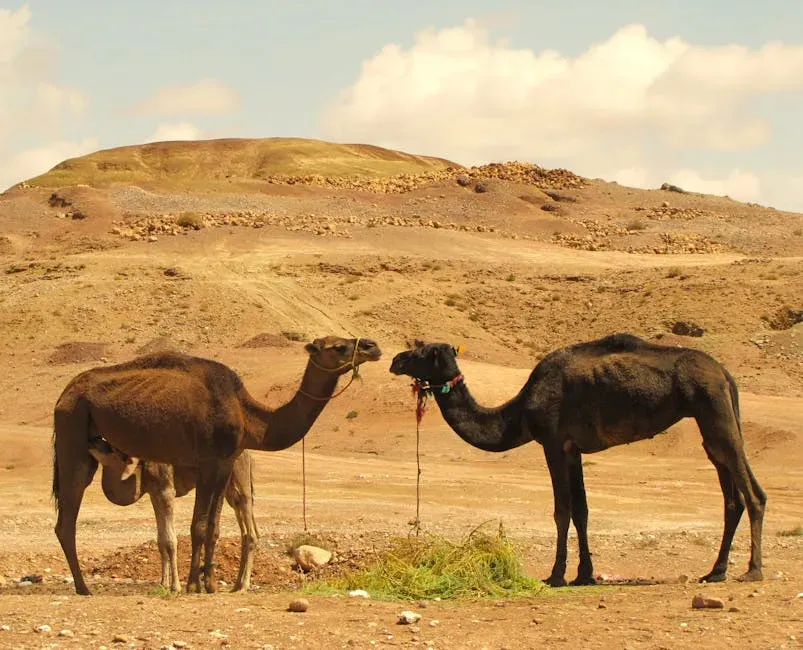
Often called the “ship of the desert,” the camel is one of the most iconic desert animals, with adaptations that are both structural and behavioral: humps store fat, which can be converted into energy and water when resources are scarce. Here’s the thing that surprises most people – it’s NOT water stored in those humps. It’s fat. That’s a different kind of clever entirely.
The wild Bactrian camel, native to the deserts of Central Asia, has adapted to thrive on sparse vegetation and can go for long periods without water, thanks to its ability to efficiently conserve moisture and tolerate dehydration. Think about that for a second. We struggle after a single day without water.
According to the Smithsonian’s National Zoo and Conservation Biology Institute, camels can survive for weeks without direct water intake by extracting moisture from the plants they eat and minimizing water loss through perspiration. Nature’s engineering at its absolute finest.
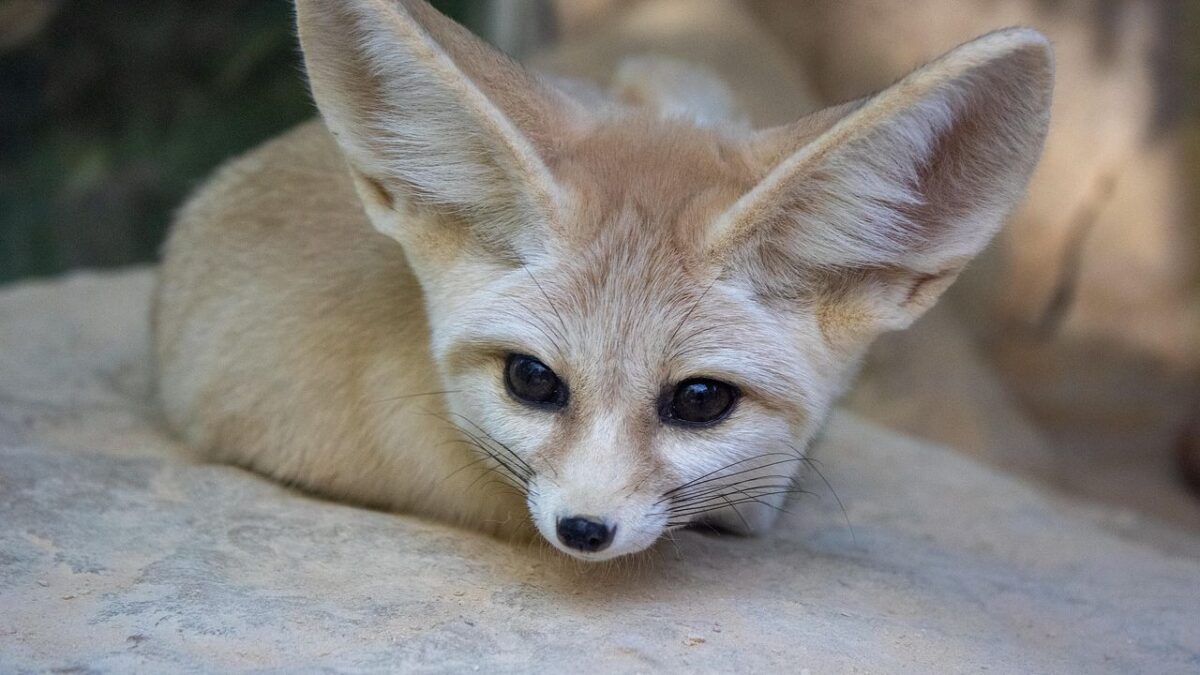
2. The Fennec Fox – Enormous Ears, Tiny Body, Giant Survival Skills
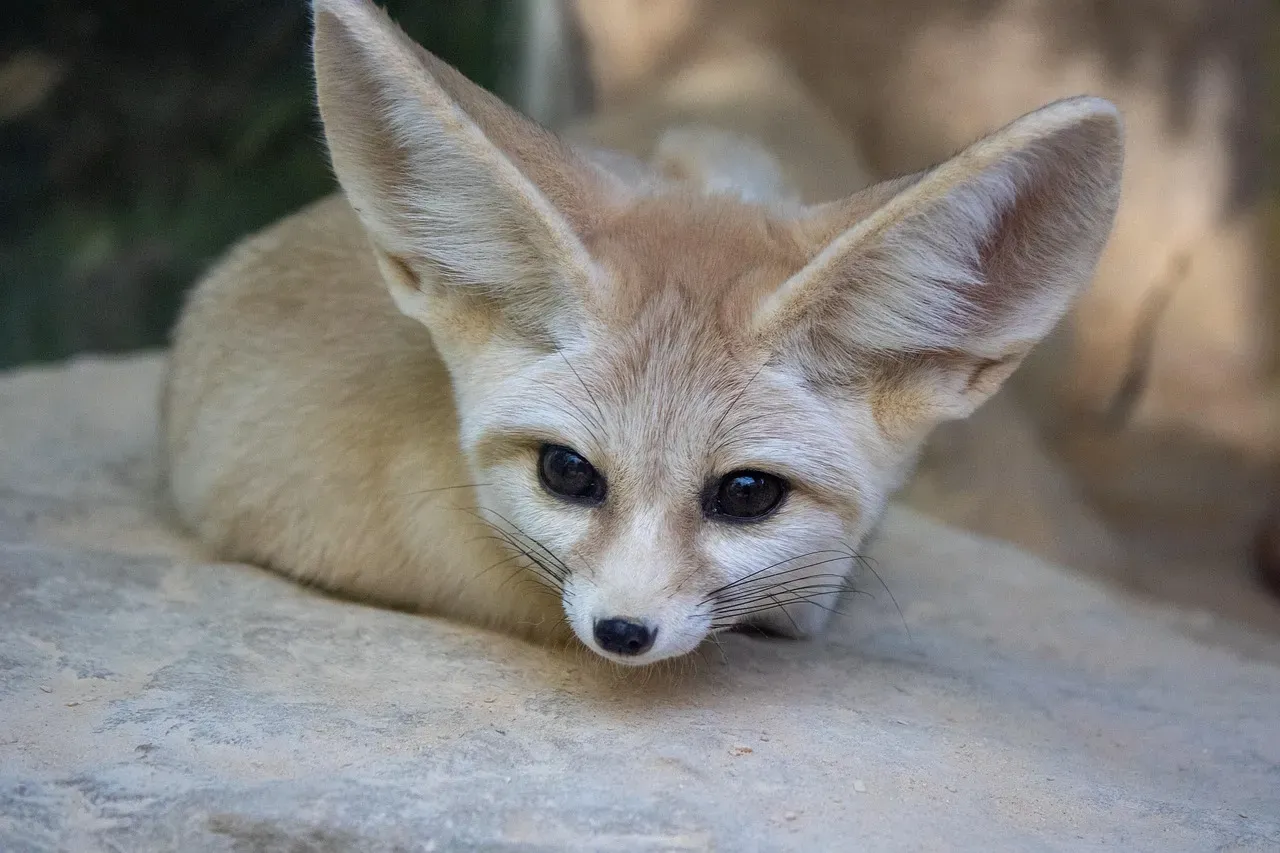
Fennec foxes have developed large ears that help to disperse heat. Those absurdly oversized ears aren’t just adorable – they’re a finely tuned biological radiator. The blood vessels running through them release body heat, keeping this small fox surprisingly cool even when the desert blazes.
Many desert mammals have evolved long appendages to dissipate body heat into their environment. The enormous ears of jackrabbits – and similarly the fennec fox – with their many blood vessels release heat when the animal is resting in a cool, shady location. Their relatives in cooler regions have much shorter ears.
It’s almost like evolution handed the fennec a built-in air conditioning unit. The fox is also nocturnal, staying burrowed during peak heat and venturing out after dark. I honestly think the fennec is one of the most cleverly designed small mammals on Earth.
3. The Kangaroo Rat – The Master of Making Water From Nothing
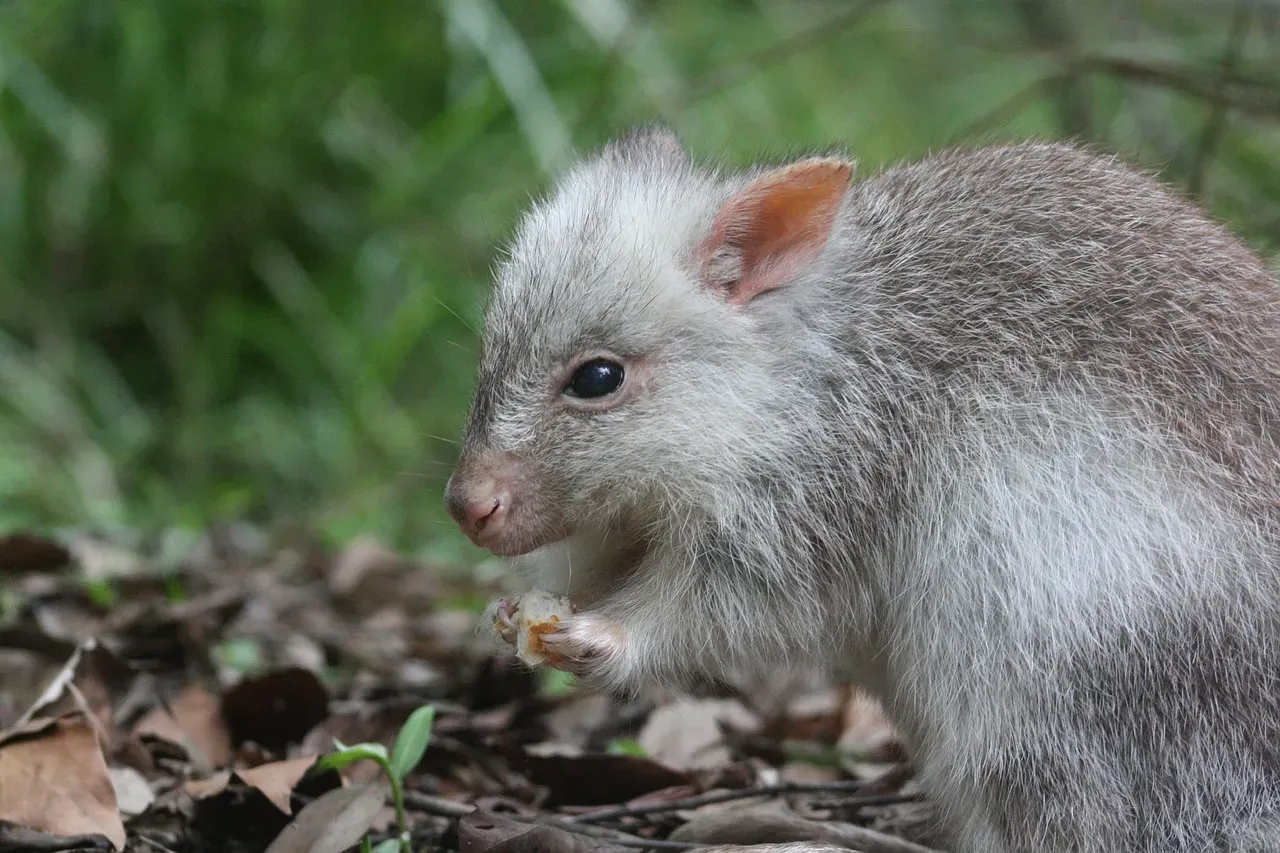
The kangaroo rat has perhaps the most amazing combination of adaptations for desert survival. Not only does it live in a burrow and is nocturnal, but it recaptures its own body moisture by storing food within its burrow. Dry seeds absorb moisture from the kangaroo rat’s breath, which condenses more readily in the cooler underground temperatures. Let that sink in. It literally recycles its own breath.
Kangaroo rats, and some other desert rodents, actually manufacture their water metabolically from the digestion of dry seeds. These highly specialized desert mammals will not drink water even when it is given to them in captivity. That’s not just a survival trick. That’s a completely alien relationship with hydration.
The kangaroo rat has such complex kidneys that it is able to retain as much water as possible. It also has specialized tissues in its nasal passages that help it retain much of the moisture that is normally lost through breathing. Every single drop counts.
4. The Thorny Devil – Australia’s Remarkable Skin-Drinker
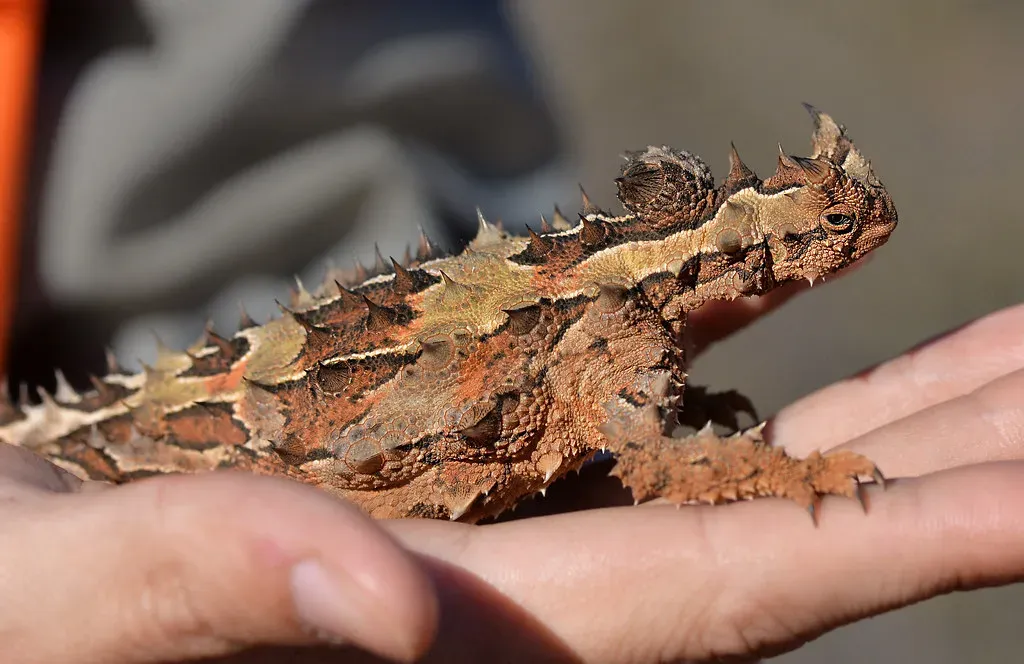
Worth a spot on any list for the name alone, the thorny devil is also just a very fascinating animal. As well as making it resemble a little spiky dragon, this Australian native’s thorny skin also has a very important function in helping it survive in the desert.
The ridged scales act as water collectors. By simply touching its body to a source of water, such as dew, soil moisture, and rain, it can draw it towards its mouth along the channels between the scales. The water moves against gravity by capillary action. This amazing ability to drink water through its skin makes this lizard a master of the desert habitat.
Honestly, drinking through your skin like a living sponge sounds like something from a science fiction novel. The thorny devil is proof that reality is stranger than fiction.
5. The Sand Cat – The Desert’s Deceptively Fierce Little Predator
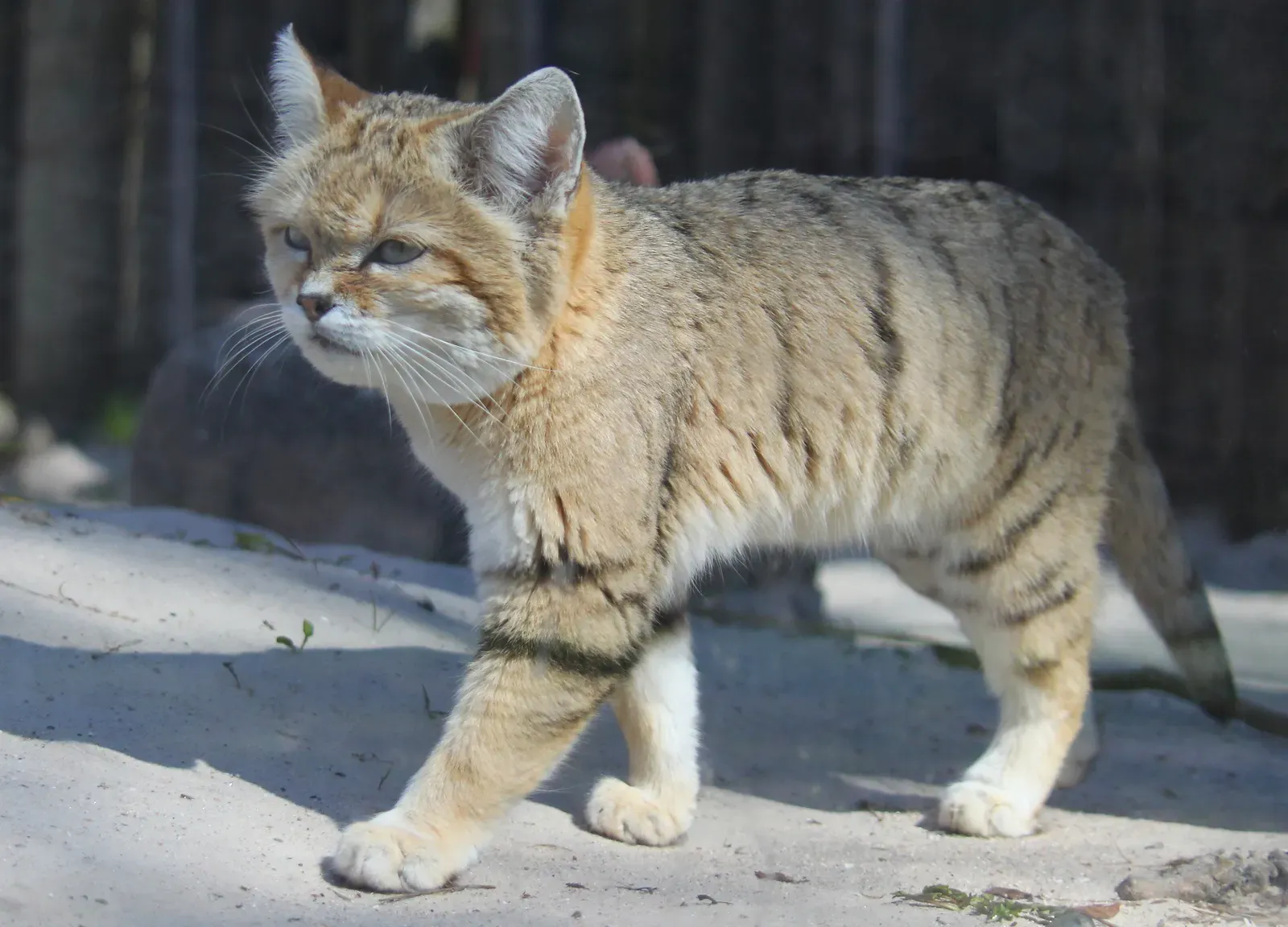
Surely the cutest animal you are ever likely to see in a desert, sand cats are small felines native to the stony and sandy plains of North Africa and Southwest and Central Asia. Although they may look like your adorable moggy, they are far from a tame housecat.
Their diet primarily consists of small rodents like mice and gerbils, but they sometimes feed on venomous vipers. These fearless snake hunters first stun their prey with rapid blows to the head, then finish them off with a bite to the neck. Tiny, fluffy, and genuinely terrifying to anything smaller than them. A true contrast of cuteness and savagery.
To survive the heat of the day they dig impressive burrows to hide away in. When they do venture out, their paws are protected by long insulating hair, preventing scorching in the day and freezing at night when temperatures can dip below zero. Nature’s little snow boot, right there.
6. The Saharan Silver Ant – Sprinting Through Hell
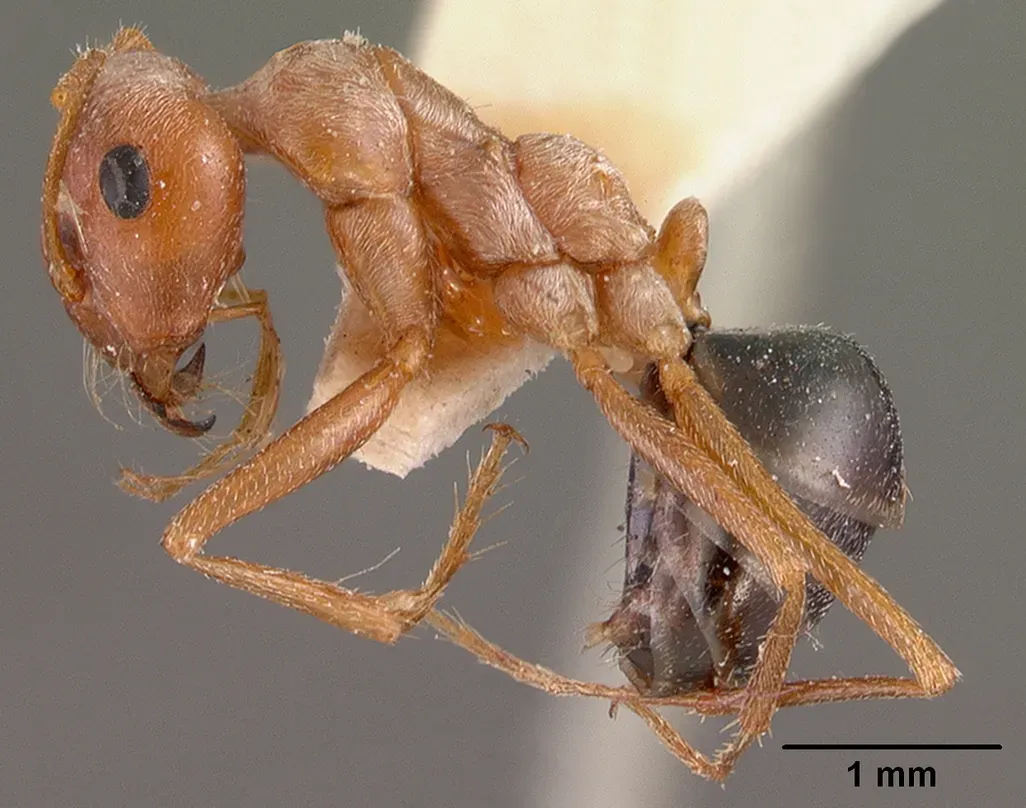
Let’s be real – nobody expects an ant to be one of the most impressive desert survivors. Yet here we are. The Saharan silver ant may be tiny, but it’s one of the fastest insects on Earth, capable of sprinting across scorching sand at astonishing speeds. Active during the hottest part of the day, it uses this extreme niche to avoid predators that cannot withstand the same temperatures.
At full running speed, it clocks in at a whopping 855 millimetres per second. This super speed allows them to hunt in the full force of the Saharan sun without succumbing to heat shock. The strategy is almost audacious – be so fast that the heat itself can’t catch you.
Their silvery coat isn’t just for show either. It reflects solar radiation and helps dissipate heat simultaneously. It’s a two-for-one biological bonus that makes the Saharan silver ant a genuinely staggering example of adaptation.
7. The Jerboa – The Sahara’s Tiny Kangaroo Lookalike
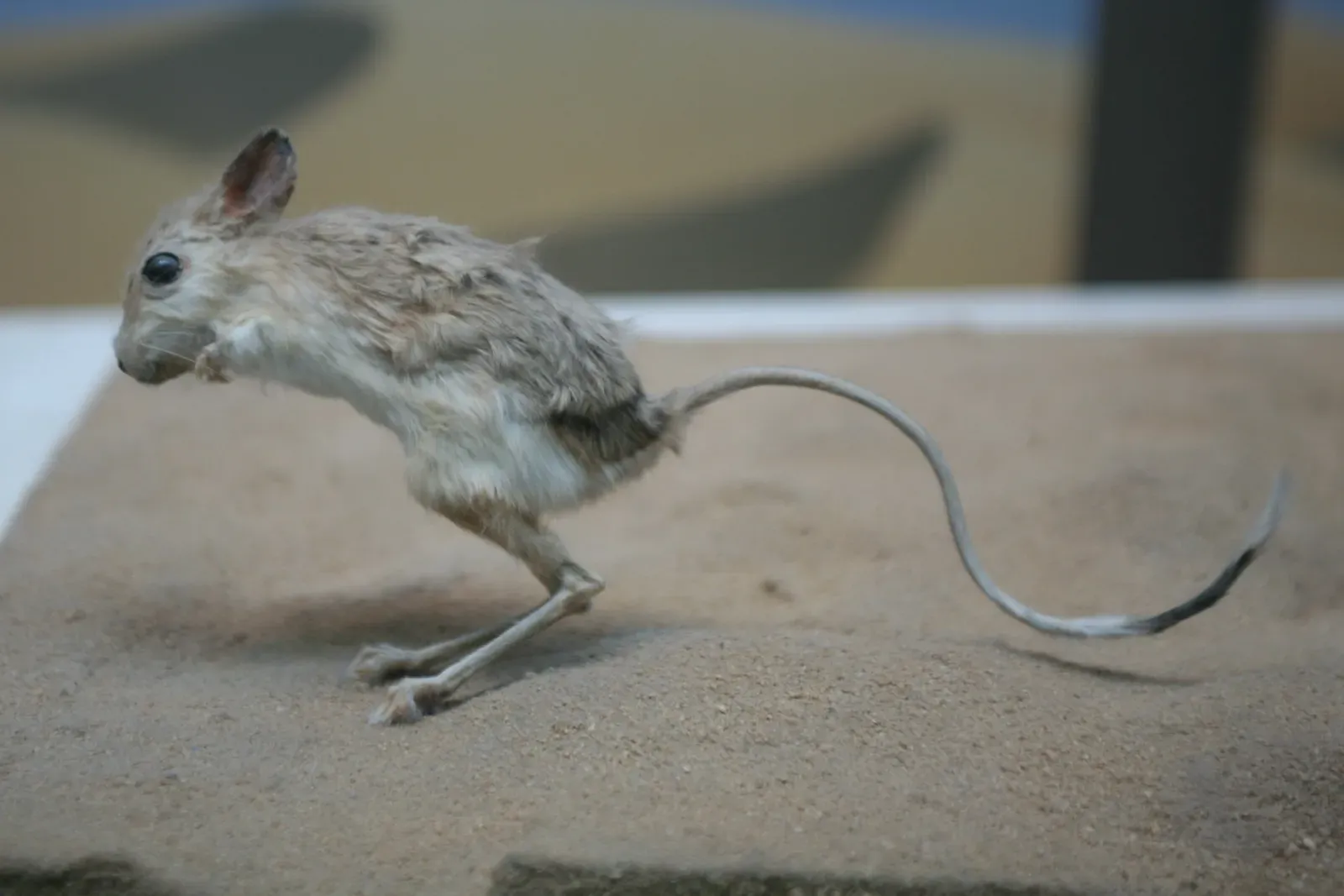
The lesser Egyptian jerboa is often compared to a tiny kangaroo due to its long hind legs and tendency to hop around using its tail for balance. Found across the northern regions of the Sahara, these tiny critters are well-adapted to life in the harsh desert.
It is nocturnal, sleeping in underground burrows to avoid the harsh daytime heat. It does not need to drink water and instead gets its moisture from the seeds and plants it consumes. Despite only being about 5 to 15 centimetres in length, the jerboa can travel up to 10 kilometres per day in search of food.
Ten kilometers a day on legs the size of matchsticks. That’s proportionally extraordinary. These animals also have special hairs to protect themselves from sand entering their ears, which is another elegant little detail that shows just how finely tuned desert animals really are.
8. The Deathstalker Scorpion – Built to Rule the Night
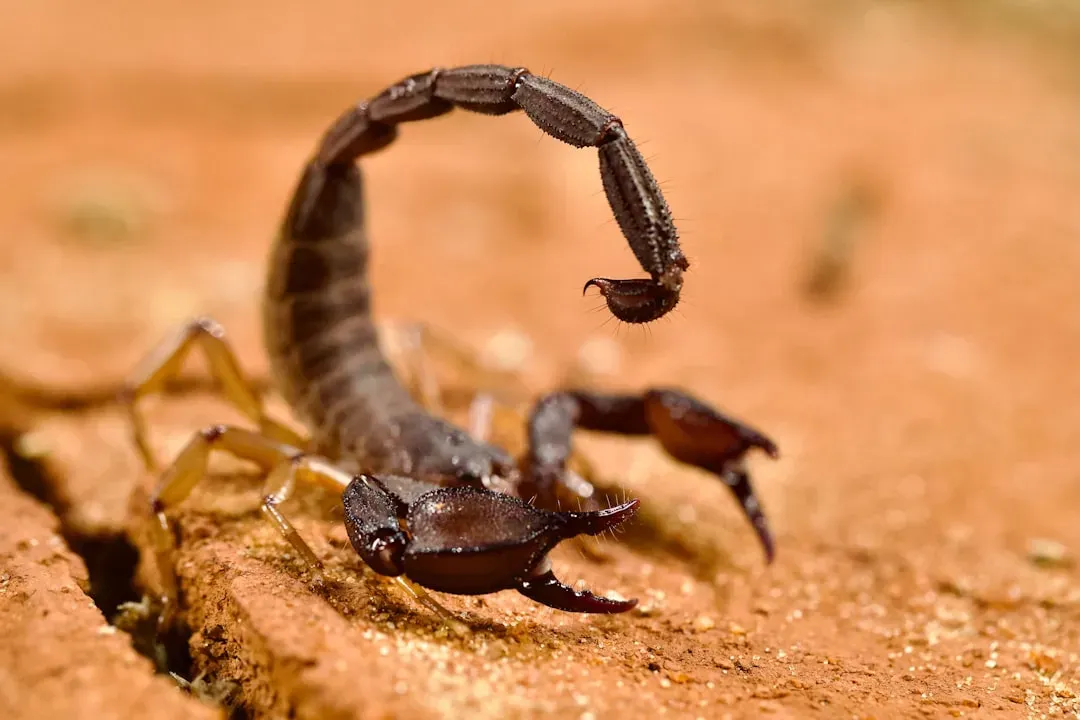
The Deathstalker scorpion, found in North Africa and the Middle East, measures approximately 2.36 inches in length but packs a punch with its venom powerful enough to paralyze prey. Not only does this scorpion have a fearsome reputation, but its venom is also being studied for potential medical applications, including gene therapy for cancer. A desert villain with a surprisingly heroic medical side story.
Scorpions have a thick outer layer that reduces water loss and allows them to survive in the hot, dry desert environment. That armor-like exoskeleton is essentially a biological wetsuit against the desert’s relentless drying power. They come out at night to hunt for insects and other tiny creatures, and scorpions have a cool trick – they glow under ultraviolet light.
Rattlesnakes, jackrabbits, and many other desert-dwelling creatures are crepuscular, meaning they are most active at dawn and dusk, and they sleep away the hottest hours of the day. The scorpion takes nocturnal living to a whole other extreme, and it thrives because of it.
9. The Northwest African Cheetah – A Ghost of the Sahara
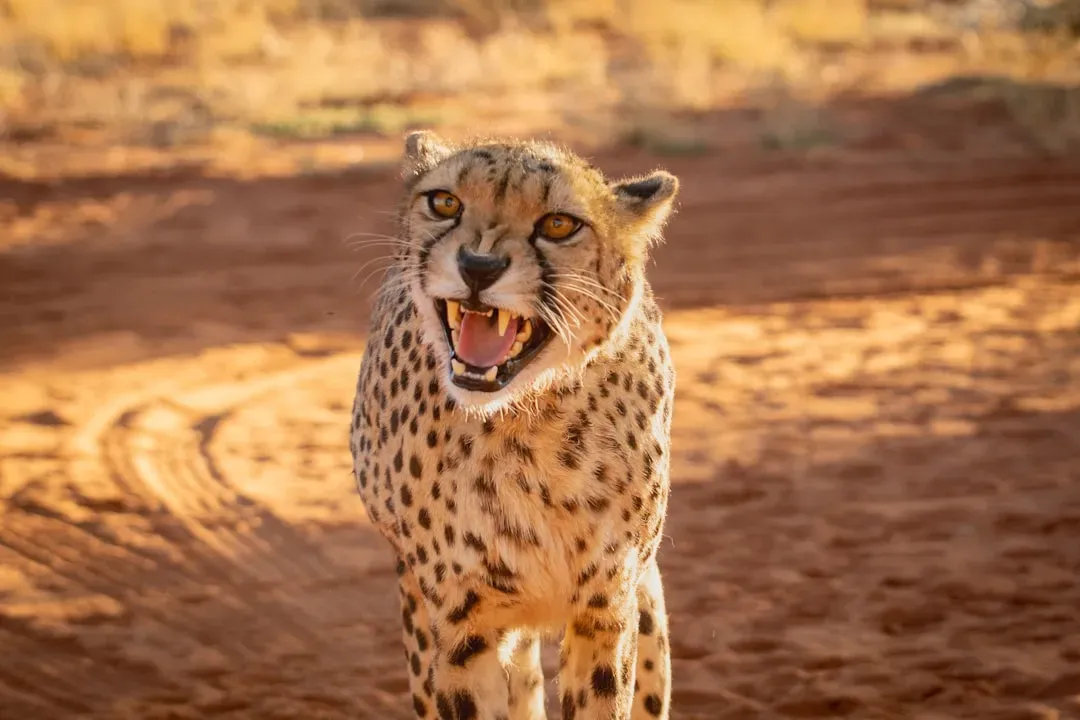
The Northwest African cheetah is a rare and critically endangered subspecies of cheetah found in the Sahara’s grasslands and savannahs. It has a pale coat with faint spots, which provides camouflage in the arid desert landscape. It’s sometimes called the Saharan cheetah, and spotting one in the wild is rarer than finding rain in the desert itself.
This cheetah hunts mainly at night to avoid the extreme daytime heat. It preys on small to medium-sized ungulates like antelopes and hares, using their blood as its hydration source rather than water. It can run extremely fast to catch prey without exerting too much energy in the heat. Using prey blood as hydration? Dark, efficient, and devastatingly clever.
Northwest African cheetahs are extinct in more than 20 countries, with fewer than 8,000 remaining in the wild. This makes every sighting not just thrilling, but deeply poignant. It’s a reminder that even the most perfectly adapted creature on Earth is not immune to human pressure on its habitat.
Conclusion: The Desert Is Anything But Empty
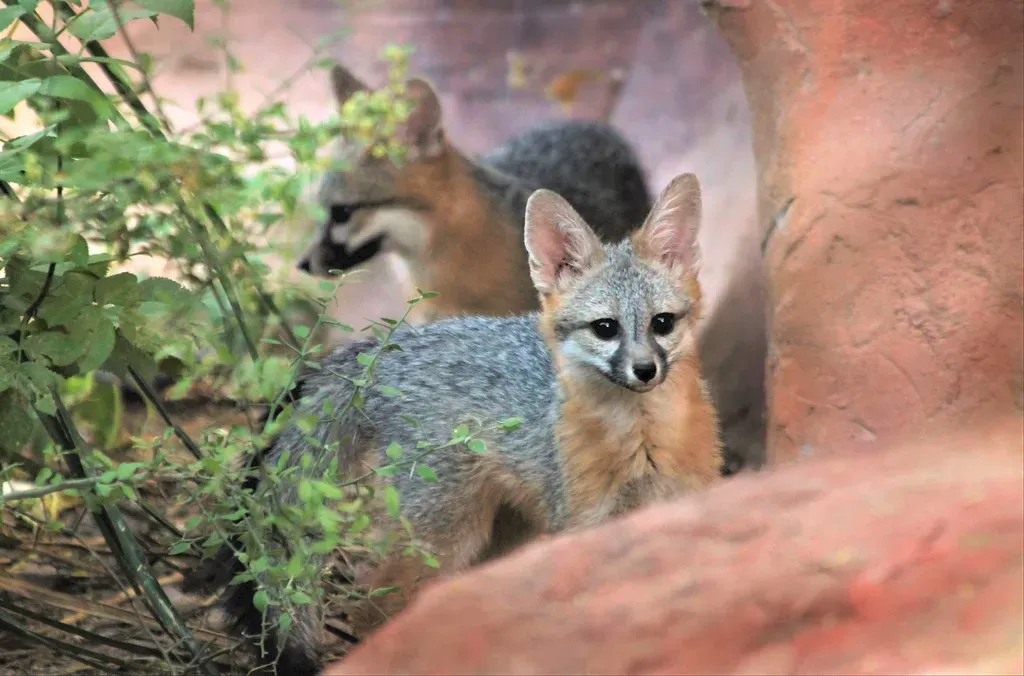
Deserts aren’t empty – they are masterclasses in efficiency. Every creature on this list has spent millions of years being sculpted by an unforgiving environment into something almost unbelievably capable. From ants that sprint through temperatures that would kill most living things, to rats that never take a single sip of water, to a cheetah that drinks from its prey – the desert is a gallery of nature’s most radical problem-solving.
Although it may seem like desert animals try to avoid heat altogether, lots of animals actually need hot temperatures to thrive. If you picked them up and put them in what to us may seem like a much more pleasant environment, most would fare poorly. The desert isn’t their burden. It’s their home.
Next time someone describes a desert as “lifeless,” think of the kangaroo rat recycling its own breath underground, or the thorny devil drinking through its skin at dawn. The emptiness is an illusion. What lives beneath it is extraordinary. Which of these nine animals surprised you the most?

- The Most Resilient Animals Ever Discovered Thriving in Extreme Environments - July 21, 2026
- 7 Signs Your Dog Thinks You're Family - July 21, 2026
- 12 Surprising Facts About North American Mountain Lions You Never Knew - July 21, 2026