

When winter blankets the United States in snow and ice, most of us bundle up or retreat indoors. But across America’s diverse landscapes, remarkable animals have evolved extraordinary strategies to not just survive but thrive during the coldest months. From high mountain peaks to frozen tundra, these resilient creatures demonstrate nature’s ingenious adaptations to extreme conditions. Their stories of survival showcase the incredible diversity of American wildlife and their ability to endure winter’s harshest challenges. Let’s explore these remarkable winter warriors who call the United States home and discover the fascinating ways they’ve adapted to embrace the cold.
The Arctic Fox: Master of Camouflage and Insulation

The Arctic fox (Vulpes lagopus) represents one of America’s most impressive winter survivors, particularly in Alaska where temperatures can plummet to -50°F (-45°C). These small foxes undergo a remarkable seasonal transformation as their brown or gray summer coat changes to a thick, pristine white winter pelage that provides both exceptional camouflage against snowy landscapes and unmatched insulation. Their fur has the best insulating properties of any mammal, with dense underfur that creates an effective barrier against the cold.
Beyond their impressive coats, Arctic foxes have evolved additional adaptations for winter survival. Their compact bodies, short legs, small rounded ears, and furry-soled paws all work to minimize heat loss. These foxes maintain circulation to their paws at just above freezing point to prevent energy waste while keeping the tissue alive. They can even reduce blood flow to their peripheral areas during extreme cold, focusing warmth on vital organs. When food becomes scarce, Arctic foxes follow polar bears to scavenge their leftover kills, showcasing their opportunistic nature that helps them thrive where other species simply cannot survive.
The Remarkable Adaptations of Snowshoe Hares
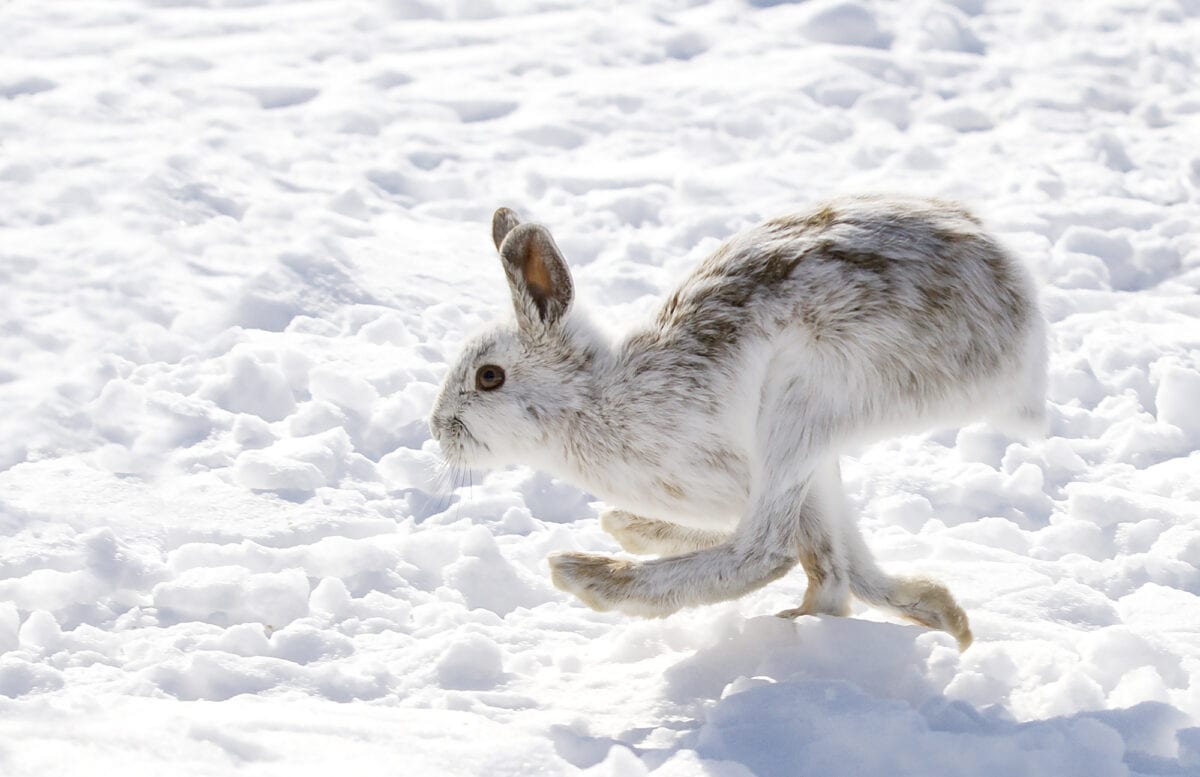
Snowshoe hares (Lepus americanus) have perfected the art of winter survival throughout forests across the northern United States. Their most visible adaptation is their dramatic seasonal color change—from reddish-brown in summer to pure white in winter—providing crucial camouflage against predators. This transformation is triggered by changing daylight hours rather than temperature, ensuring they’re prepared before the first snowfall. Their namesake feature—disproportionately large hind feet—functions like natural snowshoes, distributing their weight across snow-covered surfaces to prevent sinking.
These adaptable hares also develop thicker fur during winter months, creating improved insulation against frigid temperatures. Their metabolism adjusts to winter conditions, allowing them to extract more nutrients from woody vegetation when tender plants are buried beneath snow. Snowshoe hares have evolved specialized digestive systems that can process tough winter browse like evergreen needles, twigs, and bark—foods many other herbivores cannot utilize. Their ability to remain active throughout winter rather than hibernating demonstrates their successful evolutionary strategy, though their population follows cyclical boom-and-bust patterns approximately every ten years, a fascinating ecological phenomenon scientists continue to study.
Wood Frogs: Nature’s Freeze-Tolerant Marvels

The wood frog (Lithobates sylvaticus) employs perhaps the most extraordinary winter survival strategy of any U.S. animal—it freezes nearly solid. Found across the northern United States, these remarkable amphibians can survive with up to 65% of their body water converted to ice. Their hearts stop beating, they cease breathing, and their blood no longer flows. By any conventional definition, they appear dead. The science behind this seeming miracle involves the production of high concentrations of glucose and urea in their tissues, which act as natural antifreeze, preventing the formation of ice crystals that would otherwise cause fatal cell damage.
What makes wood frogs even more impressive is their ability to endure multiple freeze-thaw cycles within a single winter. When temperatures rise above freezing, these frogs thaw from the inside out, with their hearts beginning to beat before the rest of their body completely liquefies. Within hours, they resume normal functions as if nothing extraordinary happened. Scientists studying this remarkable adaptation hope it might someday inform medical breakthroughs in organ preservation for transplantation. Wood frogs are among the first amphibians to emerge in spring, often breeding while ice still rims their woodland pools, demonstrating their complete mastery of cold-weather survival.
Wolverines: The Ultimate Winter Warriors
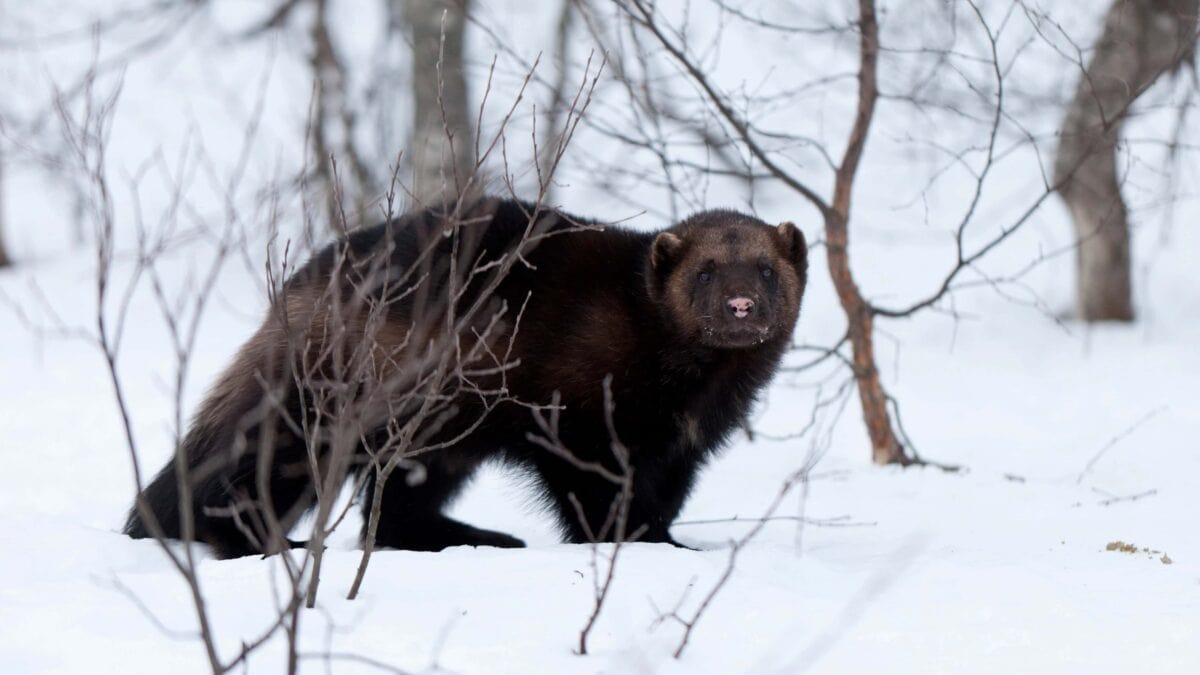
Wolverines (Gulo gulo) embody winter resilience in the mountainous regions of the northern United States. These members of the weasel family have evolved to not just tolerate winter but to thrive during the harshest conditions. Their dense, oily fur repels frost and provides exceptional insulation, while their oversized paws act as natural snowshoes. Unlike many animals that struggle during winter months, wolverines actually prefer deep snow and cold temperatures, using the challenging conditions to gain advantages over competitors and prey.
These powerful predators can travel up to 15 miles daily through deep snow and can easily climb steep, snow-covered slopes that defeat other predators. Wolverines possess immense strength relative to their size, allowing them to dig through frozen soil and snow to access burrowing animals or cached food. They strategically store food by urinating on it, using their antibacterial urine as a natural preservative that keeps meat edible for months. Female wolverines specifically seek out persistent spring snow cover for denning, demonstrating their specialized relationship with snowy environments. Unfortunately, climate change threatens this adaptation as snow patterns become less predictable, putting these remarkable winter specialists at risk.
Black Bears: The Masters of Winter Sleep

American black bears (Ursus americanus) demonstrate one of the most fascinating winter survival strategies across their extensive U.S. range. Unlike true hibernators, bears enter a state called torpor—a modified hibernation where their body temperature drops only slightly, allowing them to remain somewhat alert to potential threats. During this winter dormancy, black bears can reduce their heart rate from 40-70 beats per minute to just 8 beats per minute. Most remarkably, they can go for months without eating, drinking, urinating, or defecating, as their bodies recycle metabolic waste into proteins.
Preparation for winter begins in summer and fall when black bears enter hyperphagia, consuming up to 20,000 calories daily and gaining 30 pounds or more per week. This dramatic weight gain—sometimes doubling their body weight—provides crucial fat reserves that sustain them through winter. Female bears even give birth during torpor and nurse their cubs while still not eating or drinking. The den selection process is equally impressive, with bears often choosing protected locations under fallen logs, in rock crevices, or excavated burrows lined with insulating vegetation. Their metabolic efficiency during torpor represents one of nature’s most remarkable energy conservation strategies, allowing black bears to emerge in spring having lost surprisingly little muscle mass despite months without food.
Polar Bears: Northern Alaska’s Arctic Specialists
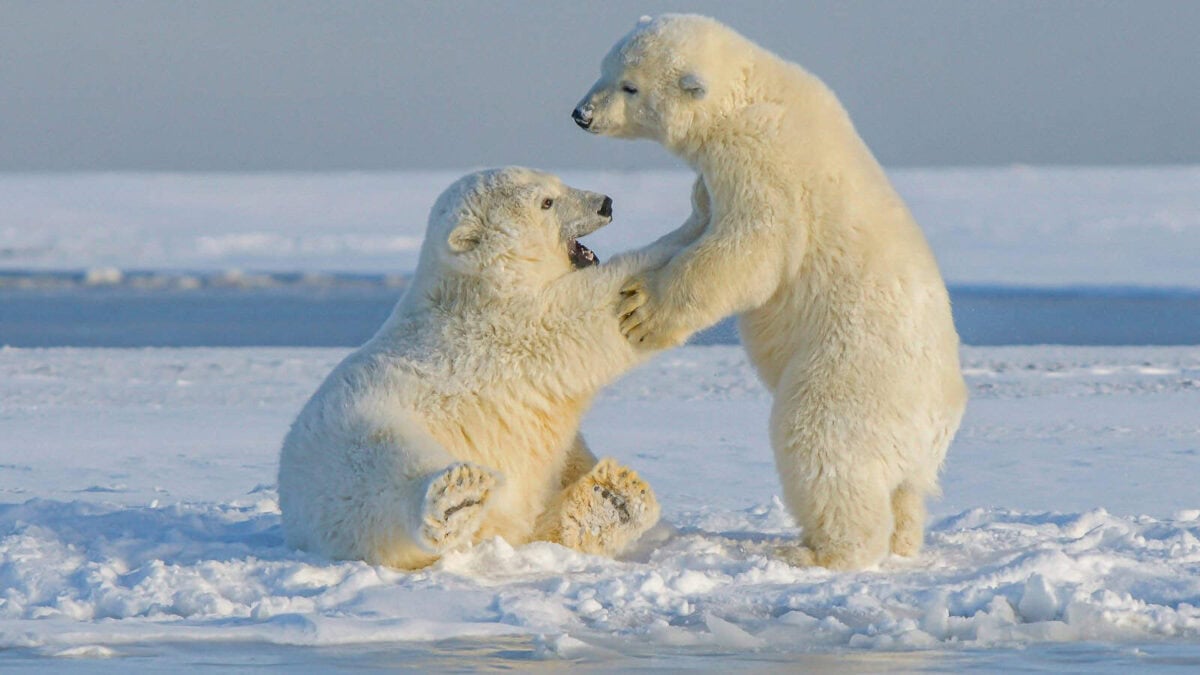
Polar bears (Ursus maritimus), found in northern Alaska, represent the ultimate cold-weather specialists among American wildlife. Their bodies are evolutionary marvels designed specifically for Arctic conditions. Beneath their white fur (which isn’t actually white but transparent with hollow shafts that scatter light), polar bears have black skin that efficiently absorbs heat from the sun. Their fur is water-repellent and provides exceptional insulation, while a thick layer of blubber up to 4.5 inches (11.4 cm) deep acts as both insulation and energy reserve during leaner months.
Unlike many winter-adapted species, polar bears remain active year-round, hunting seals on sea ice even during the darkest winter months. Their massive paws, measuring up to 12 inches (30 cm) across, distribute their weight when traversing thin ice and function as powerful swimming paddles. Specialized rough foot pads provide crucial traction on slippery surfaces. Female polar bears dig elaborate maternity dens in snowdrifts where they give birth to cubs weighing just one pound, nursing them to approximately 20-30 pounds before emerging in spring. As climate change reduces sea ice—their primary hunting platform—these magnificent winter specialists face unprecedented challenges, making conservation efforts increasingly urgent.
Mountain Goats: Scaling Snowy Heights
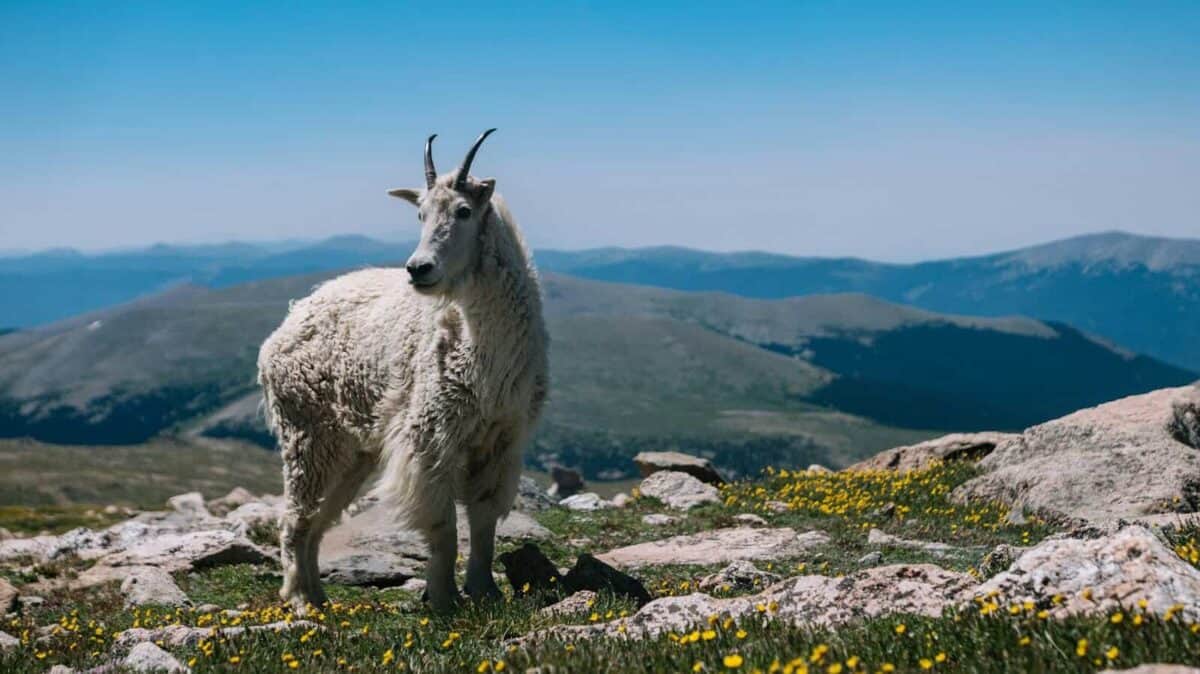
Mountain goats (Oreamnos americanus) have mastered survival in some of America’s most extreme winter environments—the high-elevation regions of the Rocky Mountains, Cascade Range, and Olympic Mountains. Unlike many species that migrate to lower elevations during winter, mountain goats often ascend to even higher terrain, seeking windswept ridges where fierce gusts clear the snow, exposing vegetation. Their unique dual-layer coat consists of a dense woolly undercoat topped with longer hollow guard hairs that provide exceptional insulation against temperatures that regularly drop below -40°F (-40°C).
These alpine specialists possess remarkable physical adaptations for navigating precarious, snow-covered slopes. Their specialized hooves feature hard outer edges for digging into ice and soft, rubberized centers that provide crucial traction—like built-in crampons and snow tires combined. Mountain goats can reduce their metabolic rate during winter by up to 20%, conserving precious energy when food is scarce. They develop pronounced “pantaloons” of extra-thick fur on their legs for additional insulation and possess specialized salt-concentrating kidneys that minimize water loss, allowing them to extract moisture from snow rather than seeking open water. Their remarkable ability to survive in areas too harsh for most predators showcases how extreme specialization can create ecological opportunity in the most challenging environments.
Ptarmigans: The Birds That Embrace Winter
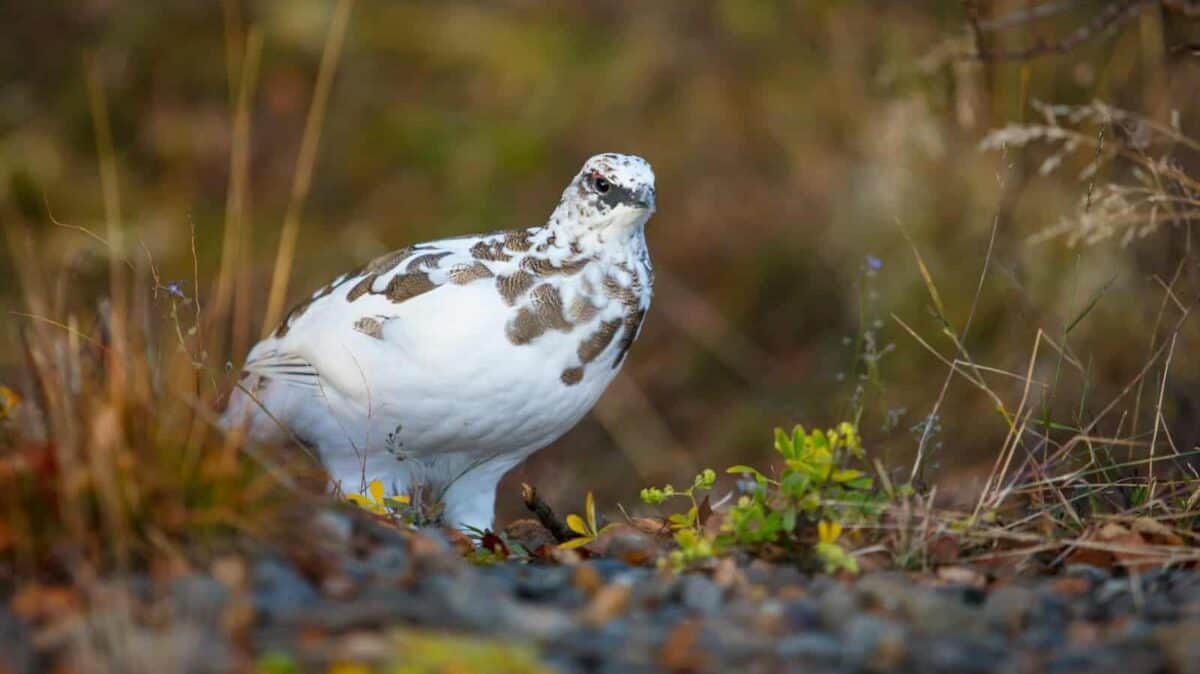
Ptarmigans (particularly the Rock Ptarmigan, Lagopus muta, and Willow Ptarmigan, Lagopus lagopus) demonstrate extraordinary winter adaptations among American birds. These grouse relatives, found in Alaska and small portions of the northern continental United States, undergo a complete transformation as winter approaches. Their mottled brown summer plumage gives way to pristine white feathers, providing crucial camouflage against snowy landscapes. Unlike many birds that grow just enough feathers for flight, ptarmigans develop dense, insulating plumage that extends to cover their nostrils, feet, and legs—essentially nature’s version of a full-body snowsuit.
Beyond their remarkable appearance, ptarmigans have evolved behavioral adaptations specifically for winter survival. They dig snow burrows that provide insulation and protection from both predators and harsh weather, creating microenvironments up to 40°F (22°C) warmer than outside air temperatures. Their heavily feathered feet essentially function as natural snowshoes, distributing weight across soft snow. Ptarmigans can digest woody vegetation and twigs that other birds cannot process, allowing them to feed on exposed willow and birch buds when other food sources are buried. They’ve even developed specialized enlarged ceca (digestive pouches) that operate similarly to rumens in mammals, extracting maximum nutrition from fibrous winter fare, showcasing their complete evolutionary commitment to year-round residence in some of America’s coldest regions.
Snowfleas: Tiny Winter Acrobats
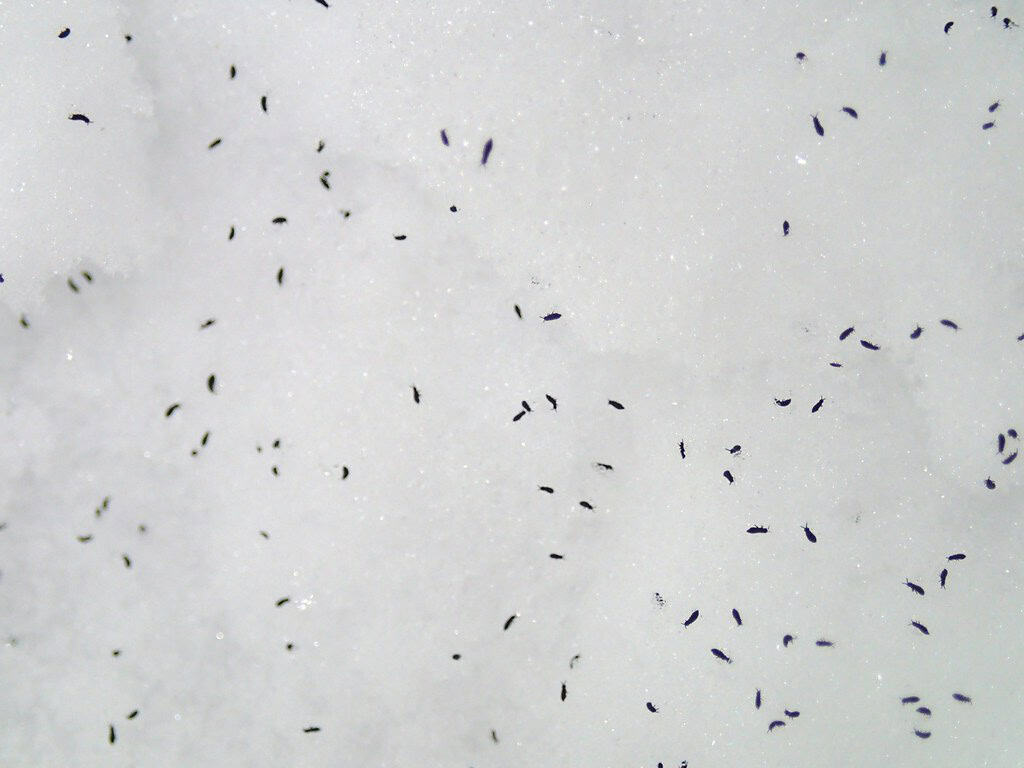
Despite their name, snowfleas aren’t actually fleas but springtails (Hypogastrura nivicola)—tiny arthropods that represent one of winter’s most overlooked survival stories. On warm winter days across the northern United States, observant naturalists might notice what appears to be pepper scattered across the snow. Upon closer inspection, these specks reveal themselves as minuscule creatures performing an impressive winter ballet. Snowfleas possess a remarkable biological antifreeze—proteins that bind to ice crystals as they form, preventing them from growing larger and damaging cells.
These diminutive winter specialists, measuring just 1-2 millimeters, possess a unique appendage called a furcula folded beneath their abdomen. When released, this structure launches them several inches through the air—a distance equivalent to a human jumping over skyscrapers. While this jumping ability helps them escape predators, it’s their metabolic adaptations that truly showcase their winter mastery. Snowfleas remain active at temperatures that would freeze most insects solid, feeding on algae, fungi, and decaying plant material on the snow’s surface. Their winter emergence serves a crucial ecological role, breaking down organic matter and cycling nutrients even when most decomposers are dormant. These tiny creatures demonstrate that impressive winter adaptations exist at all scales in American ecosystems, not just among the more visible mammals and birds.
Moose: Northern Giants Built for Snow

Moose (Alces alces) stand as North America’s largest deer species and some of the most impressively adapted winter specialists across the northern United States. Their massive bodies exemplify Bergmann’s rule—the biological principle that animals in colder climates tend to be larger, as increased size reduces relative surface area for heat loss. Adult moose can stand over 6.5 feet (2 meters) at the shoulder and weigh up to 1,500 pounds, with bodies specifically designed for navigating deep snow. Their disproportionately long legs can power through snowdrifts up to 36 inches (91 cm) deep, accessing areas that confound other ungulates.
Winter brings out the full array of moose adaptations. Their specialized muzzles allow them to strip nutritious bark from trees when other vegetation is buried. Their thick, hollow guard hairs trap air for superior insulation, while specialized sebaceous glands produce oils that waterproof their coat. Unlike deer that struggle in deep snow, moose possess splayed, crescent-shaped hooves that function as natural snowshoes, distributing their substantial weight. Perhaps most remarkably, moose can lower their metabolic rate during winter, reducing their caloric needs during food scarcity. They’ve even developed specialized digestive adaptations to extract maximum nutrition from woody browse like willow, aspen, and birch—materials too fibrous for many other herbivores. These impressive adaptations allow moose to thrive in northern forests when winter conditions force many other species to migrate or hibernate.
Common Redpolls: Tiny Birds with Remarkable Cold Tolerance
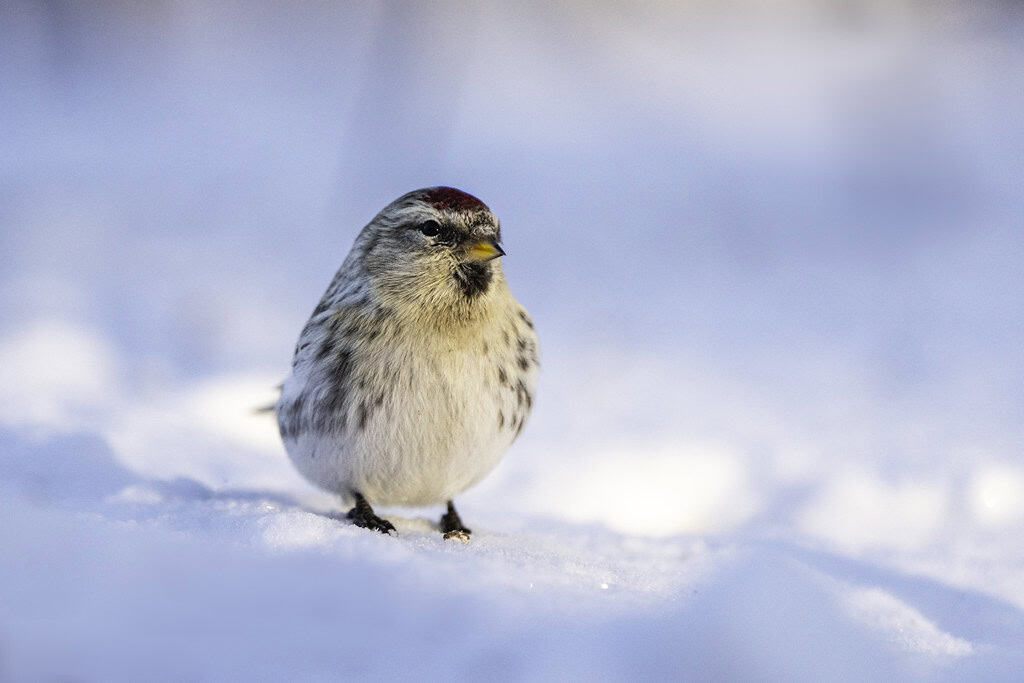
The Common Redpoll (Acanthis flammea) demonstrates that sometimes the most impressive winter survivors come in the smallest packages. These tiny finches, weighing less than half an ounce (about 13 grams), remain active across the northern United States during the coldest winter months when temperatures routinely plummet below -40°F (-40°C). Their round, compact bodies minimize surface area for heat loss, while specialized adaptations allow them to maintain a body temperature of approximately
104°F (40°C) despite the extreme cold. Studies have shown that redpolls can increase their metabolic rate up to 40% compared to summer levels, generating crucial body heat.
What truly distinguishes redpolls is their unique esophageal pouch—an expandable storage chamber that allows them to rapidly collect and store seeds during brief daylight hours. They can continue digesting this cache throughout long winter nights, essentially creating an internal food bank. Redpolls employ another remarkable strategy when conditions become particularly harsh—they create tunnels in the snow, taking advantage of snow’s insulating properties to create microenvironments up to 30°F (17°C) warmer than air temperatures. They’ve even been observed sharing these snow roosts in groups, creating collective warmth. Their specialized diet of birch and alder seeds—foods many birds cannot efficiently process—reduces competition during resource-scarce months. These adaptations allow these tiny birds to remain in northern regions when most species their size have long since migrated south.
Conclusion: America’s Winter Wildlife Wonders

The diverse winter survival strategies employed by American wildlife showcase nature’s remarkable ingenuity in the face of extreme challenges. From the Arctic fox’s unparalleled insulation to the wood frog’s ability to freeze solid, these adaptations represent millions of years of evolutionary refinement. Each species has found its unique solution to winter’s fundamental challenges of staying warm, finding food, and avoiding predators. Their specialized adaptations demonstrate the incredible biodiversity present across American ecosystems and highlight the complex relationships between climate, habitat, and wildlife.
As climate change alters winter patterns across the United States, many of these specialized winter survivors face unprecedented challenges. Species like wolverines and polar bears, whose life histories are intricately connected to reliable snow and ice patterns, find themselves particularly vulnerable to warming trends. Understanding and appreciating these winter specialists has never been more important as we work to protect the habitats and conditions they require. These remarkable creatures remind us that America’s natural heritage includes not just scenic landscapes but also the extraordinary wildlife that has evolved to thrive within them—even during the most challenging season of all.

From exploring the marine wonders in the Azores and witnessing the vast savannas of Kenya, to delving deep into the rich biodiversity of South Africa and traversing iconic landscapes in Australia and the US like Yellowstone, Chris's experiences are vast.
With a penchant for diving alongside sharks, the ocean holds a special place in his heart.
Through his academic insights, he champions wildlife conservation, striving with 'Animals Around The Globe' to cultivate a profound connection between humans and animals, enhancing our mutual appreciation.
Connect with him at Feedback@animalsaroundtheglobe.com.
- The Lizard That Shoots Blood From Its Eyes - July 21, 2026
- What Happens If Fireflies Stop Glowing? - July 21, 2026
- Coyotes Are Thriving in Every U.S. State — Even New York City - July 21, 2026