

You put weeks of care into your garden. You water it, feed it, tend to it like it’s your own little outdoor sanctuary. Then one morning, you walk outside with your coffee and find your sweet corn toppled, your melons clawed open, and your carefully planted seedlings tossed around like confetti after a party. Sound familiar? Raccoons are nothing short of expert garden vandals, and they do their best work while you’re fast asleep.
Here’s the thing, though: you don’t need to harm them to stop them. Raccoons are a vital component of a healthy ecosystem, and they help scavenge decomposing materials and even help spread plant seeds. Removing them from the equation entirely isn’t just unnecessary, it’s often counterproductive. What you need is smart, humane deterrence. Let’s dive in.
Know Your Enemy: Why Raccoons Can’t Resist Your Garden
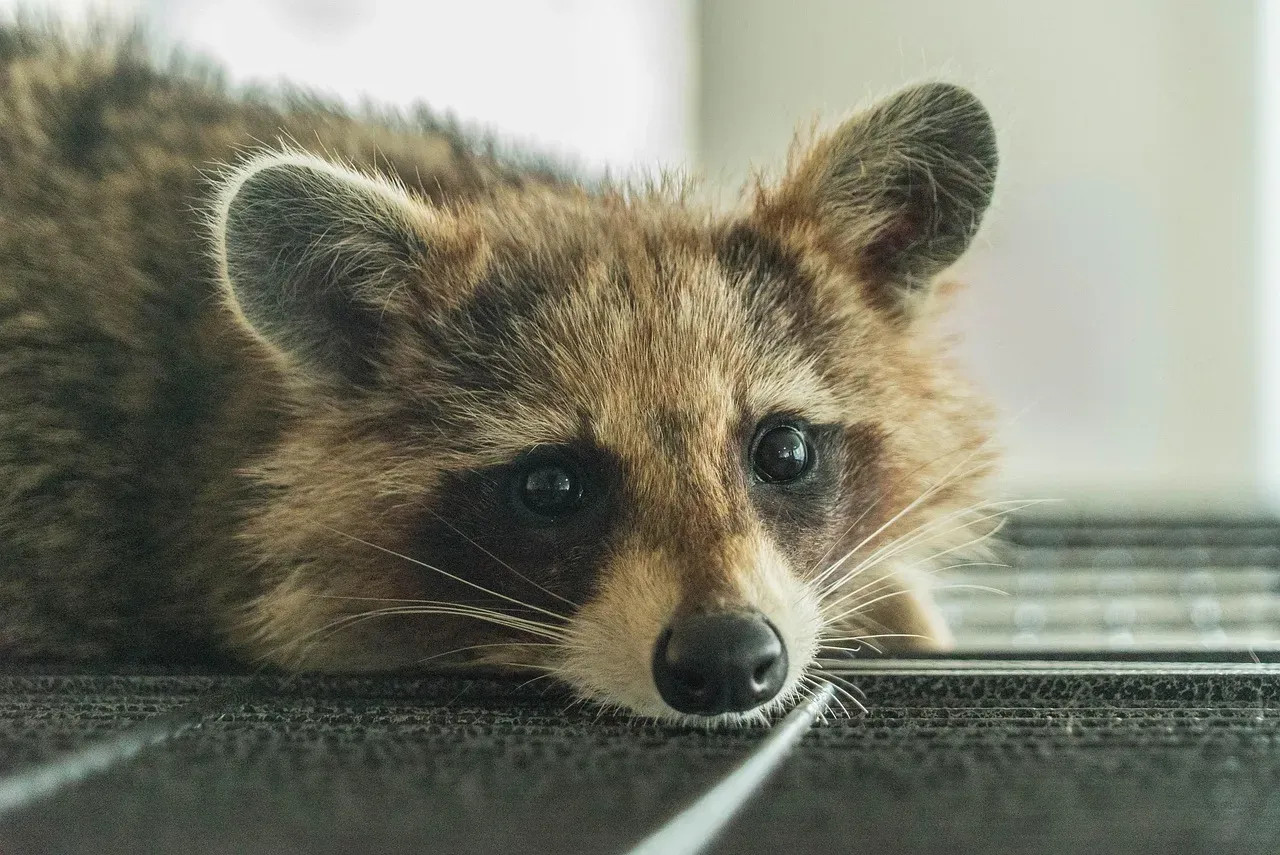
Before you can stop raccoons, you need to understand why your garden is basically a five-star restaurant to them. Raccoons are nocturnal and omnivorous, meaning they eat anything from grubs to crayfish, as well as all the plants and vegetables in your garden. Especially in the fall, they develop a taste for fruits like apples, peaches, and pears, but they also enjoy vegetables like sweet corn, potatoes, and peas.
They’re accurately known as marauders of sweet corn patches, but they also commonly feast on melons, berries, grapes, and a variety of other vegetables. The most recognizable signs of raccoon damage are corn stalks bent to the ground and kernels chewed off the ears. You may also notice melon rinds clawed open with the flesh inside scraped out, and other vegetables partially or completely eaten.
What makes them even more infuriating is their intelligence. Raccoons have incredible memories that can recall successful food sources for up to three years. So once your garden is on their mental map, they will keep coming back. Think of it less like a one-time pest problem and more like a long-term negotiation.
Eliminate Every Food Temptation Around Your Yard
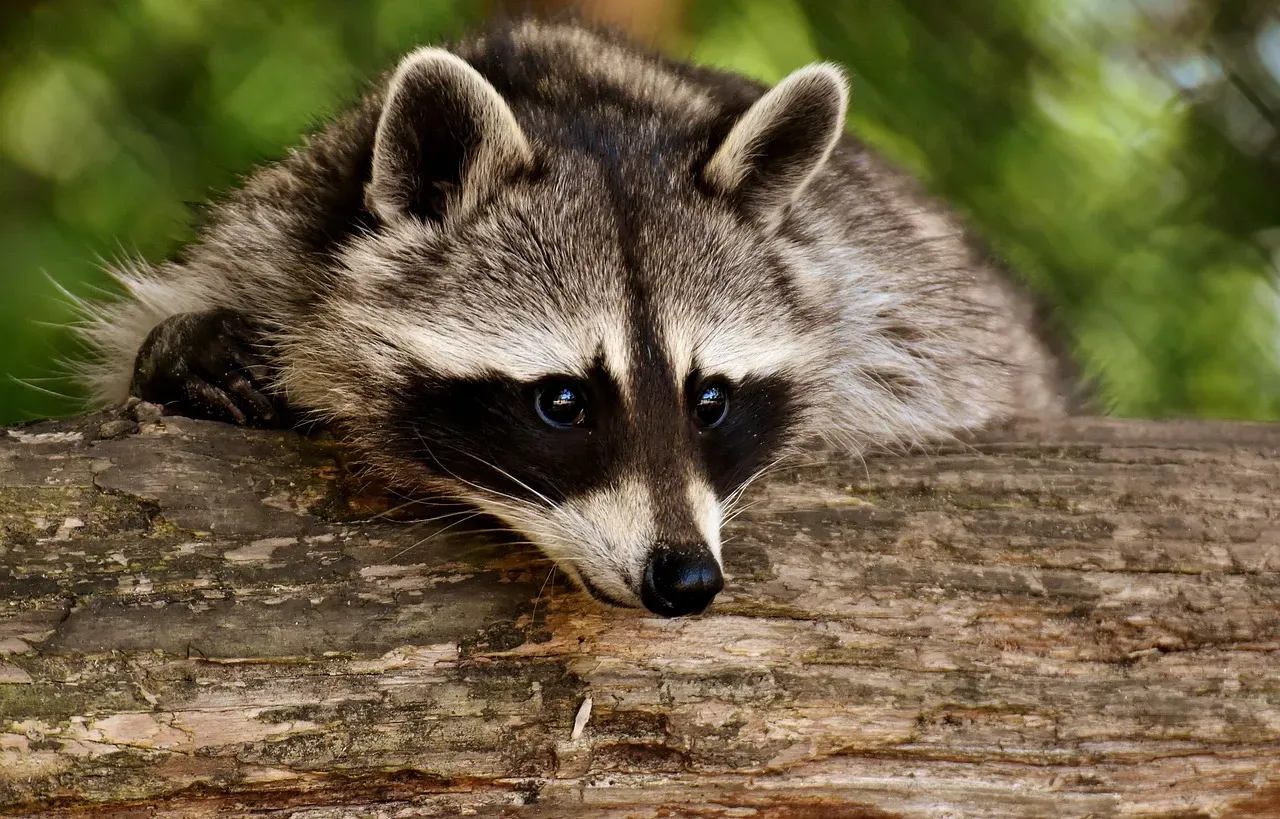
It sounds almost too simple, but honestly, this is where most gardeners fail. Raccoons are opportunistic feeders. Remove food sources like leftover pet food, accessible trash cans, and fallen fruit from trees. If you leave a buffet out, they will show up dressed for dinner.
Ensure that outdoor pet food bowls are not left out overnight and store pet food in airtight containers. Fallen fruits and nuts should be promptly cleared, as they can serve as tempting treats. Bird feeders should be positioned to prevent spillage and seed accumulation on the ground. Secure your compost pile by avoiding the disposal of food scraps that might lure raccoons.
I honestly think this single step alone can reduce raccoon visits by roughly half. Remove the reason for their visit, and most of them will simply move on to easier targets. It’s basic logic, really. No food, no raccoons.
Lock Down Your Trash Cans Properly
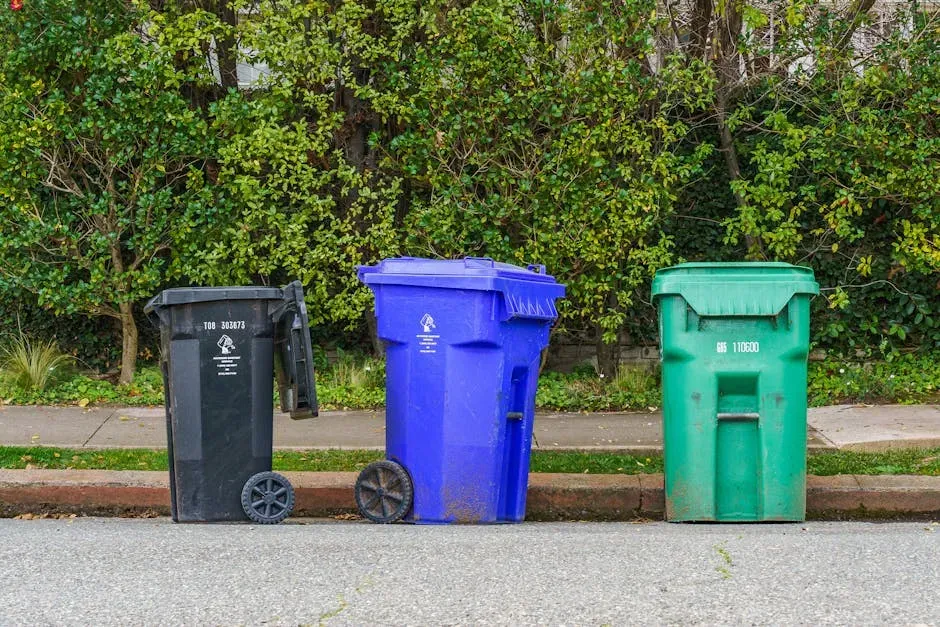
If you’ve ever gone outside in the morning to find your “secured” trash can tipped over with garbage strewn across your yard, you’re experiencing just how clever these masked bandits really are. Standard trash can lids are, frankly, no match for a determined raccoon. They’ve had a long time to figure this one out.
To prevent their intrusion, ensure that all trash cans have tightly fitting lids that are locked or latched securely. Consider using bungee cords or specialized raccoon-proof lids to add an extra layer of protection. Some people swear by storing their bins in the garage until the morning of collection day, and honestly, that’s the gold standard.
For especially smelly waste like seafood scraps, consider freezing it until garbage day to reduce the enticing odors. It sounds extra, I know. But raccoons have an extraordinary sense of smell, and that bag of last night’s shrimp tails is basically a neon sign saying “eat here.”
Use Natural Scent Repellents They Absolutely Hate

Here’s where things get interesting, and a little spicy. Raccoons have sensitive noses. When they touch strong-smelling substances and then touch their faces, it causes discomfort. This is similar to eating a hot chili, uncomfortable but not lethal. The strong smell then deters them from moving closer to the substance.
You can deter raccoons with cayenne pepper. These masked marauders hate the smell of the spice. Add one small canister of cayenne and one bottle of hot sauce to a gallon of water, then spray the solution all over your garden plants, bushes, and shrubs, and reapply after a rainfall.
People also suggest sprinkling red pepper flakes, garlic powder, wood ash, peppermint oil, coffee grounds, Epsom salt, and Irish Spring soap. Some people use human or canine scents to keep raccoons at bay. Putting out old clothing or distributing dog hair around the garden bed might give a raccoon pause before dining in. Think of it as setting the table in a way that makes them lose their appetite completely.
Install Motion-Activated Sprinklers to Startle Intruders
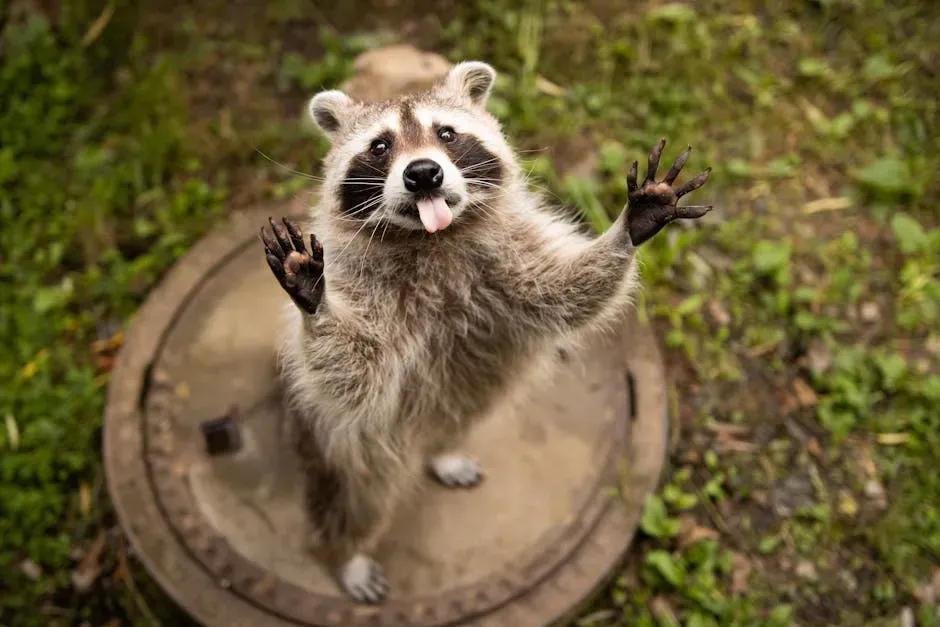
There is something deeply satisfying about imagining a raccoon getting blasted by a surprise sprinkler at midnight. Motion-activated sprinklers offer an effective, humane deterrent that’s generally safe for both your pets and your garden. These clever devices deliver a surprising but harmless burst of water that startles raccoons without causing any real harm to them or your yard’s other inhabitants.
The blast of water and noise will initially startle most raccoons and drive them away. However, they will learn where they can and cannot go to avoid being blasted, so moving the sprinklers regularly is required. This is key. Raccoons are smart enough to memorize patterns, so you need to stay one step ahead of them.
Think of the sprinkler like a chess game. You move your piece, they adapt, and then you move again. Rotating the position of your sprinklers every week or so keeps raccoons genuinely off-balance and unsure of where the next surprise is coming from. Consistency is everything here.
Set Up Motion-Activated Lights Across Your Garden

Like most nocturnal animals, raccoons can be sensitive to lights and steer clear of them. Hanging a really bright lantern in the garden can help to keep them away for a while. This works because raccoons are creatures of the dark, and flooding their preferred hangout zone with sudden, blinding light triggers their instinct to flee.
Motion-activated floodlights can also serve to deter raccoons. Paired with a sprinkler, this creates a multi-sensory shock that no raccoon is particularly eager to repeat. Honestly, the combination of unexpected light and water is one of the most effective one-two punches in humane raccoon deterrence.
The key is placement. Position your lights at ground level as well as at height. Raccoons will often try to approach from different angles, so covering multiple zones with overlapping sensor ranges leaves them with very few comfortable entry points into your garden.
Build Smart, Raccoon-Proof Fencing Around Vulnerable Areas
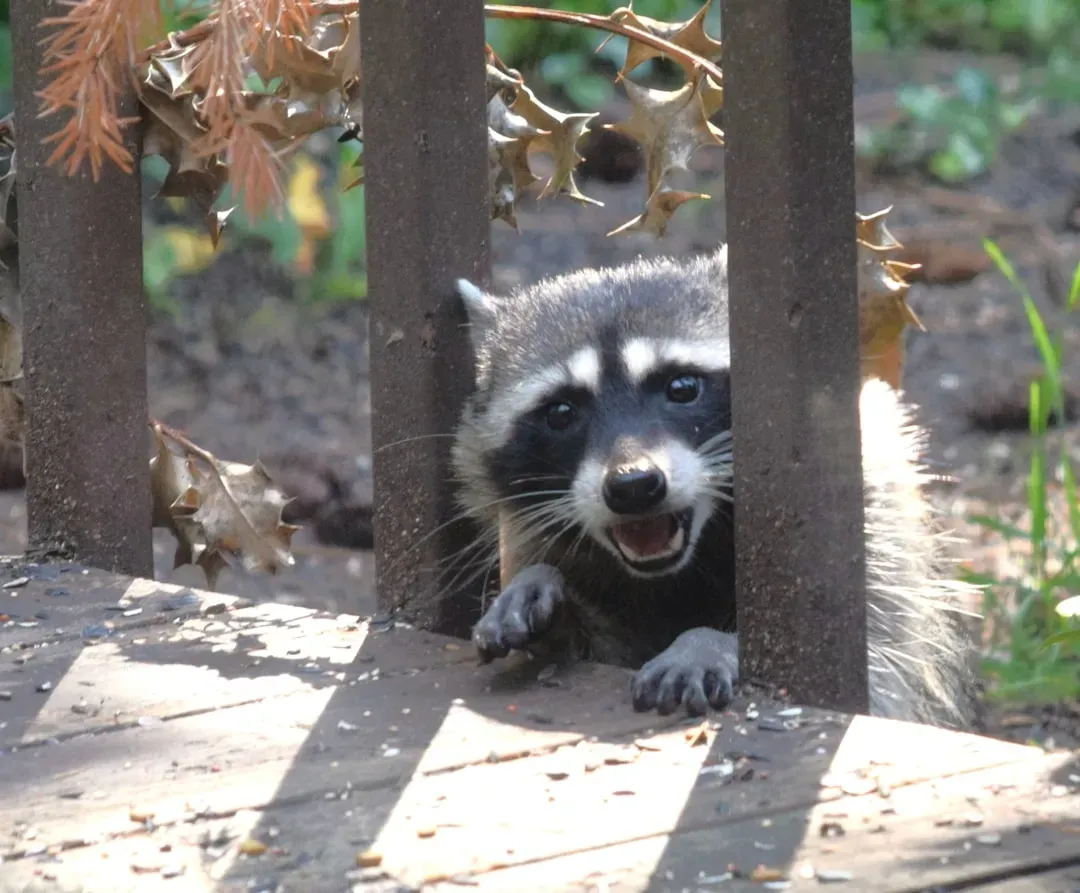
Let’s be real. Fencing is the one method that, done correctly, comes closest to a guaranteed solution. The problem is that most people underestimate what “correctly” actually means when raccoons are involved. Raccoons are great climbers, swimmers, jumpers, and runners. Their five-toed paws make them very dexterous, and their agility can allow them to outsmart every human concoction used to deter them.
Use heavy-duty materials like welded wire or hardware cloth. The fence should be at least four feet tall since raccoons are excellent climbers. Prevent raccoons from digging under the fence by installing an L-shaped barrier at the bottom. The underground portion is something most people skip, but raccoons will absolutely dig around a fence if they can.
At the edge of the garden, place three-foot wide chicken wire flat on the ground, then erect a vertical fence on top, making sure you have a little more than two feet of exposed ground wire on the outside edge. Animals tend to start digging at the base of a vertical fence, but the horizontal chicken wire makes it impossible to get through. It’s more work upfront, but it pays off enormously over time.
Strategically Plant Raccoon-Unfriendly Crops
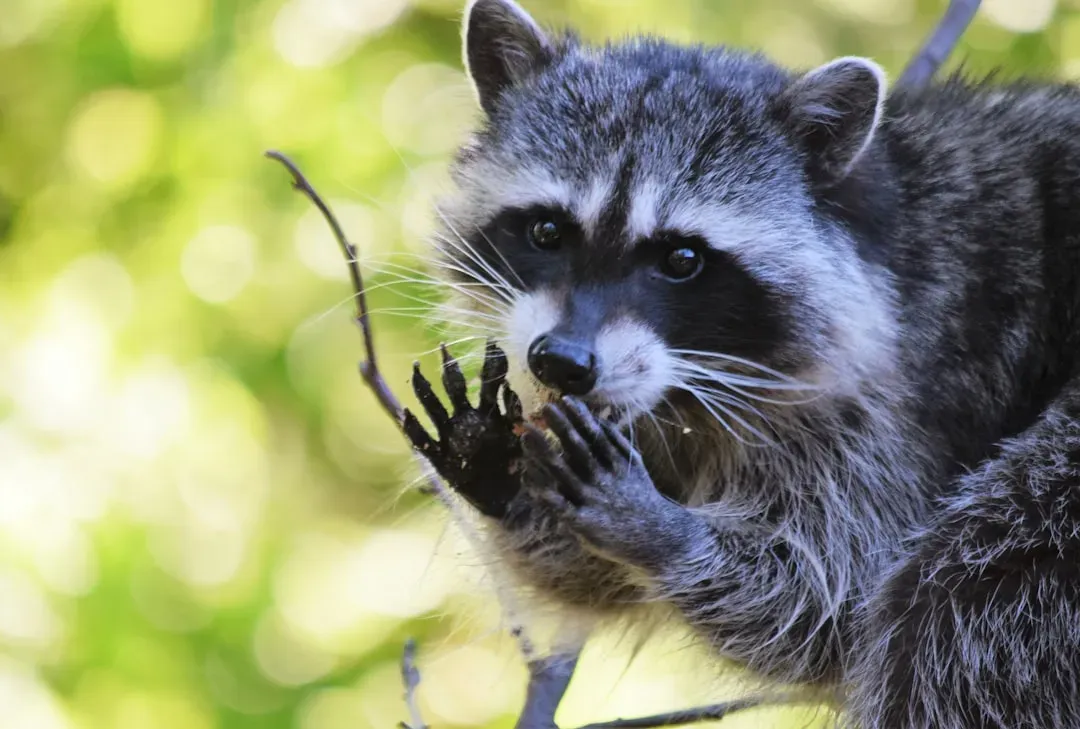
Here’s a garden design trick that not enough people know about. Some gardeners have success with raccoon-resistant plantings like cucumber plants as garden borders, as many raccoons dislike the prickly texture on their sensitive paws. It’s a passive deterrent that works around the clock without any maintenance.
You can also plant squash around your corn or other plants to deter raccoons, as they don’t like walking on the prickly squash vines. Think of these plants as natural bouncers stationed around your prized vegetables. They don’t need batteries, they don’t need replacing after rain, and they’re completely harmless to the raccoons.
Grow tall varieties of corn such as Silver Queen, Kandy Korn, and Lancelot. Taller plants bear their ears higher, causing raccoons trouble getting leverage to topple stalks and ravage them. They prefer shorter plants. Choosing the right variety of your crops is a surprisingly underrated layer of protection that costs you nothing extra at planting time.
Eliminate Shelter and Hiding Spots Near Your Garden

Clear out overgrown bushes or cluttered areas. Raccoons often use these as hiding spots. Keeping the landscape open reduces their sense of security. A raccoon that feels exposed is a raccoon that moves on quickly. They are cautious animals by nature, and open, well-lit spaces make them deeply uncomfortable.
Raccoons will den in hollow trees, logs, brush piles, and barns. Removing woodpiles, overgrown shrubbery, and other debris can help. Open structures should be closed in, perhaps with screening, and overhanging tree branches should be pruned back to prevent the animals from gaining access to nearby rooftops.
Instead of bark mulch, use coarse gravel or rocks in your garden beds. Raccoons dislike walking on sharp or uncomfortable surfaces. It’s such a small swap in gardening choices, but those sensitive little paws really do make a difference. Combine that with an open, tidy yard and you’ve removed two of the biggest reasons raccoons feel at home on your property.
Conclusion: Layer Your Defenses and Stay Consistent
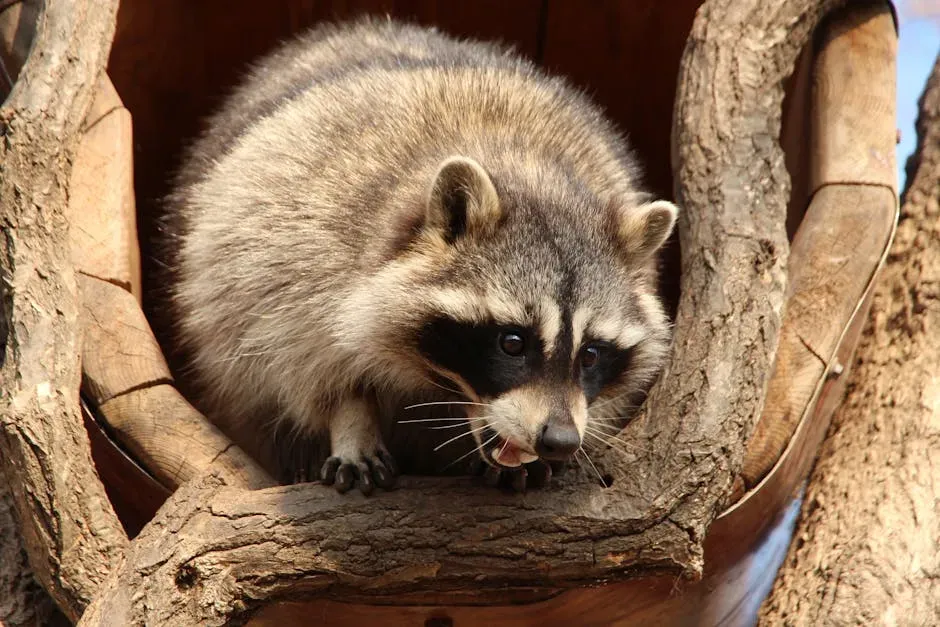
No single trick will keep raccoons away forever. These are remarkably intelligent, adaptable animals, and any one-note approach will eventually stop working. Successful raccoon prevention isn’t a one-time event but an ongoing relationship with your property. By staying vigilant and adapting your approach seasonally, you’ll create an environment that encourages these clever creatures to seek easier opportunities elsewhere.
The real secret is layering your defenses. Use scent repellents together with motion-activated lights and sprinklers. Combine smart fencing with strategic planting choices. Keep your yard clean, your trash secured, and your garden design working against them passively. Each layer alone might falter, but together they create a wall of deterrence that even the most determined raccoon will think twice about.
Honestly, there’s something almost admirable about how relentlessly clever raccoons are. They’ve spent thousands of years adapting to survive alongside humans, and they’re genuinely impressive animals. The goal was never to declare war on them, just to remind them that your garden isn’t their kitchen. With patience, a layered approach, and a bit of creative thinking, you can absolutely win this one. What method are you going to try first? Drop it in the comments below.
