

I know what you’re thinking. Jaguars? In Arizona? It sounds crazy, but it’s absolutely true. These magnificent spotted cats once prowled the deserts and mountain ranges from California to Louisiana, long before they became icons of distant rainforests. Their story here isn’t just a footnote in history books. It’s an unfolding chapter that’s happening right now, beneath our feet and just beyond the border fence.
Picture this. A trail camera in southern Arizona flickers to life in the darkness. The motion sensor catches something moving through the scrub. When researchers check the footage days later, they’re greeted by amber eyes and rosette patterns unique as fingerprints. Another jaguar. Another wanderer crossing back into territory that’s technically theirs by ancient birthright. For dog lovers who understand territory, loyalty, and the drive to return home, this story resonates on a primal level.
The Ancient Kingdom of Spotted Shadows
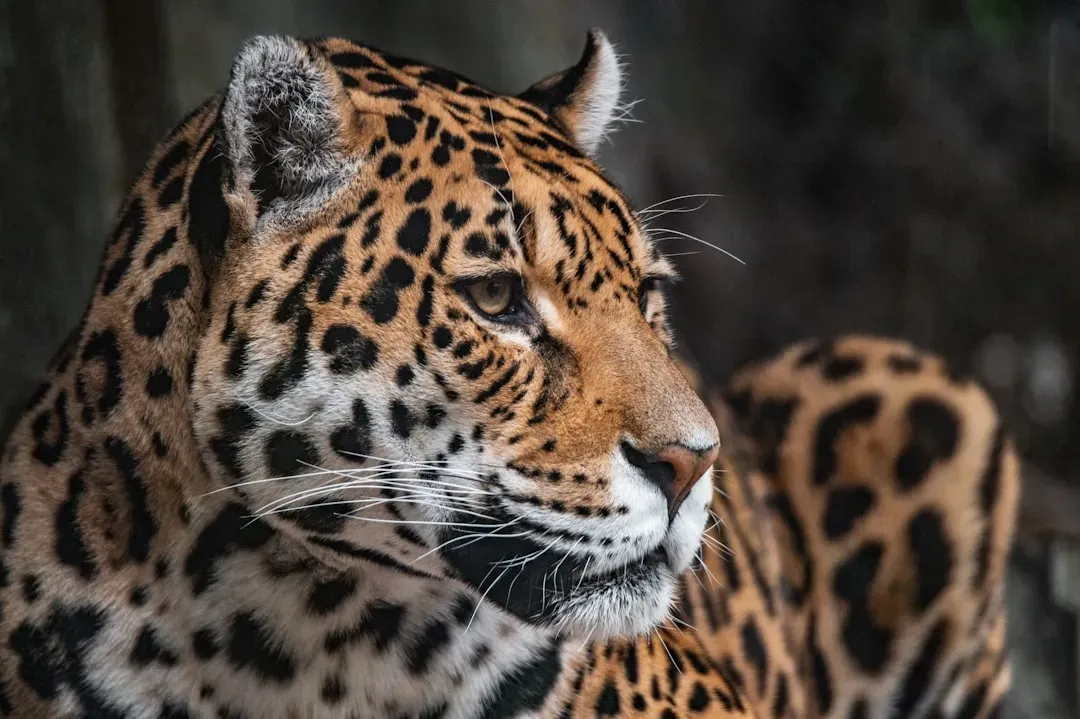
Historical records and fossil remnants show that jaguars once roamed from southern California across Arizona, New Mexico, Colorado and Texas into Louisiana, and sometimes ventured into Colorado, Oklahoma, Virginia, and North Carolina. These weren’t occasional visitors. As late as the 1700s, jaguars could still be found from the Carolinas to California.
Think about that for a moment. Rock drawings made by the Hopi, Anasazi and Pueblo all over the desert and chaparral regions of the American Southwest show an explicitly spotted cat, presumably a jaguar. Native peoples knew these animals intimately. They weren’t myths or legends passed down through confused storytelling. Jaguars were neighbors, predators to respect, and symbols woven into the spiritual fabric of life in the Southwest.
The jaguar evolved in North America hundreds of thousands or even millions of years before it expanded its range southward to Central and South America. We tend to think of them as South American cats that occasionally wander north. The truth flips that assumption completely. North America is their ancestral home.
What Drove These Giants Away
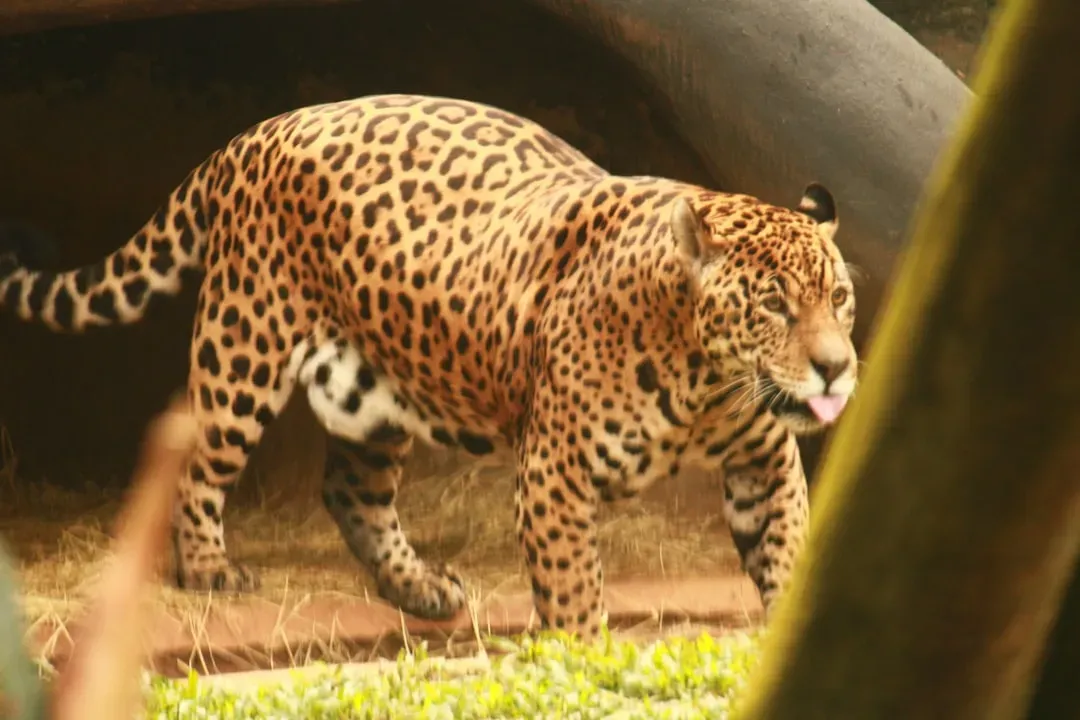
Jaguars declined in the United States due to a variety of factors, ranging from direct mortality due to hunting by humans to habitat loss. The story is brutal and straightforward. Ranchers and government trappers effectively wiped out the species by the middle of the 20th century. This wasn’t accidental.
The last confirmed female in Arizona was killed in 1963, and the last female in New Mexico was killed in 1986. Let that sink in for a second. No breeding females have been documented in the United States for decades. Every jaguar spotted since then has been a lone male, likely driven north from Mexican populations by competition for territory.
Here’s the thing about predator control programs. They were systematic, government-funded efforts to eliminate anything that might threaten livestock. Wolves, grizzlies, jaguars – they all faced the same fate. Habitat loss was most rapid in drier regions such as the Argentine pampas, the arid grasslands of Mexico and the southwestern United States, and by 2002, the range of the jaguar had declined to about 46% of its range in the early 20th century.
Recent Sightings That Spark Hope
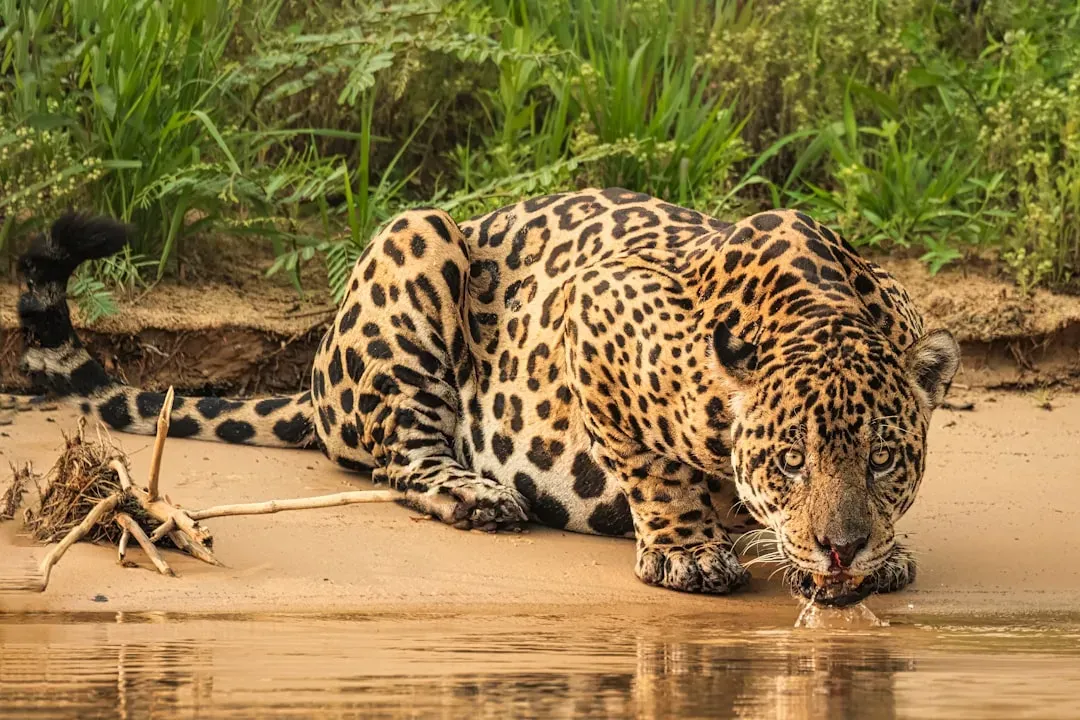
The University of Arizona Wild Cat Research and Conservation Center says it’s the fifth big cat over the last 15 years to be spotted in the area after crossing the U.S.-Mexico border. The animal was captured by the camera as it visited a watering hole in November 2025, its distinctive spots setting it apart from previous cats.
There have only been eight jaguar sightings since 1996 in Arizona. Each one feels like a small miracle. Researchers name them, track them, celebrate them. El Jefe. Sombra. Yo’oko. Dubbed “Cinco,” the jaguar was detected on three different days in November 2025, becoming the newest documented individual.
“It signifies this edge population of jaguars continues to come here because they’re finding what they need,” said researchers. That’s the key phrase. They’re finding what they need. Water. Prey. Cover. The basics haven’t changed in thousands of years.
Understanding Jaguar Behavior Through a Dog Lover’s Lens
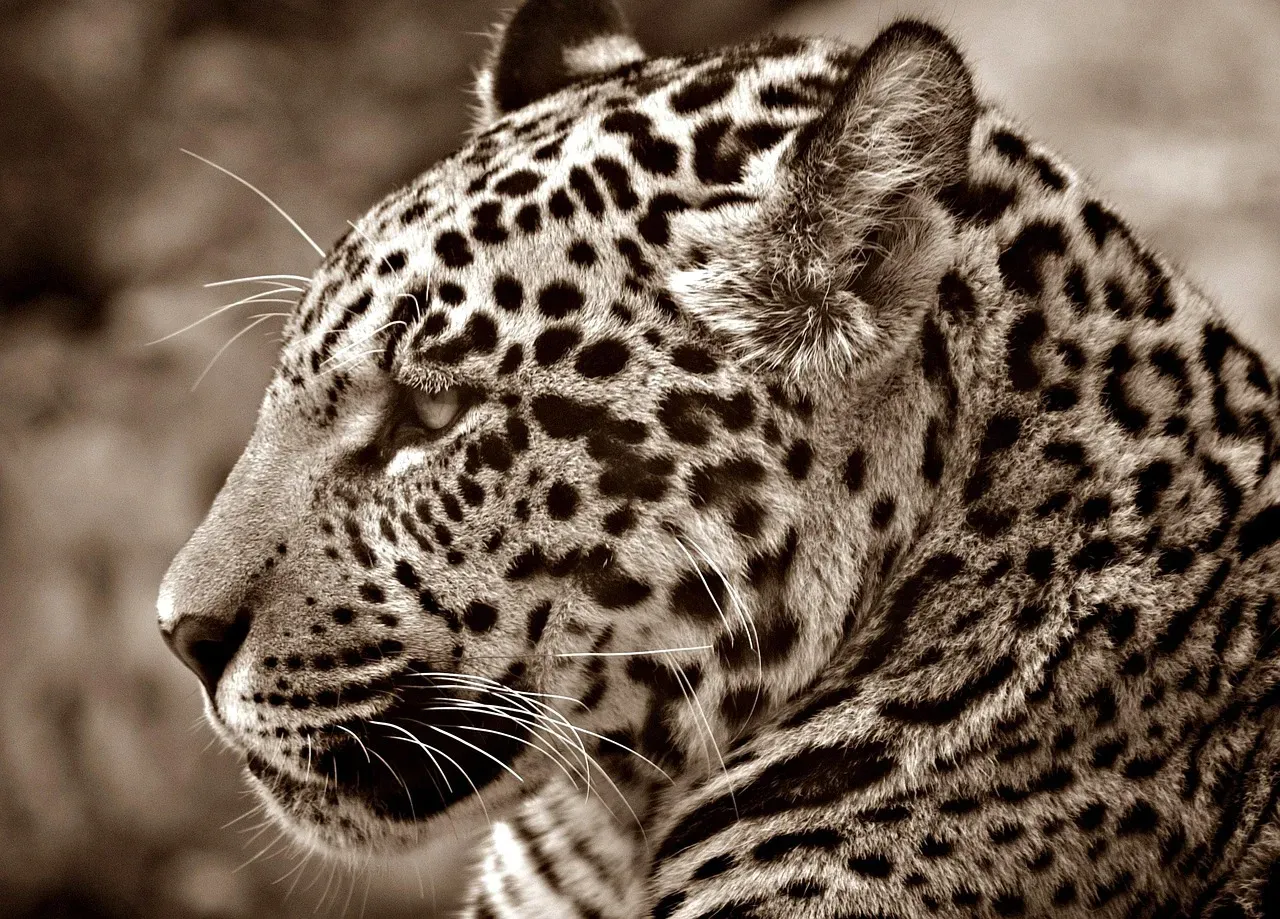
Solitary by nature, jaguars usually avoid each other, leaving claw marks and scent marks with their urine and feces as they roam their territory to let other jaguars know the area is taken. If you’ve ever watched your dog mark every tree on a walk, you understand this instinct perfectly. Territory isn’t just space. It’s identity, security, survival.
In the arid Southwest, a 10-year resident jaguar appeared to have a territory of several hundred square miles. That’s massive compared to what most dogs need, but the principle is identical. A jaguar needs enough range to hunt successfully, find mates, and avoid conflict with other jaguars.
Dogs can learn the scent of six different wild cat species’ scats, including the jaguar and puma. Specially trained detection dogs now help researchers find jaguar signs in the field. Your dog’s nose, incredible as it is, shares that same biological foundation. With their amazing sense of smell, the dogs trained can detect even the smallest amount of wildlife products and can be trained to detect as much as 10 different scents.
The Challenges These Cats Face Today
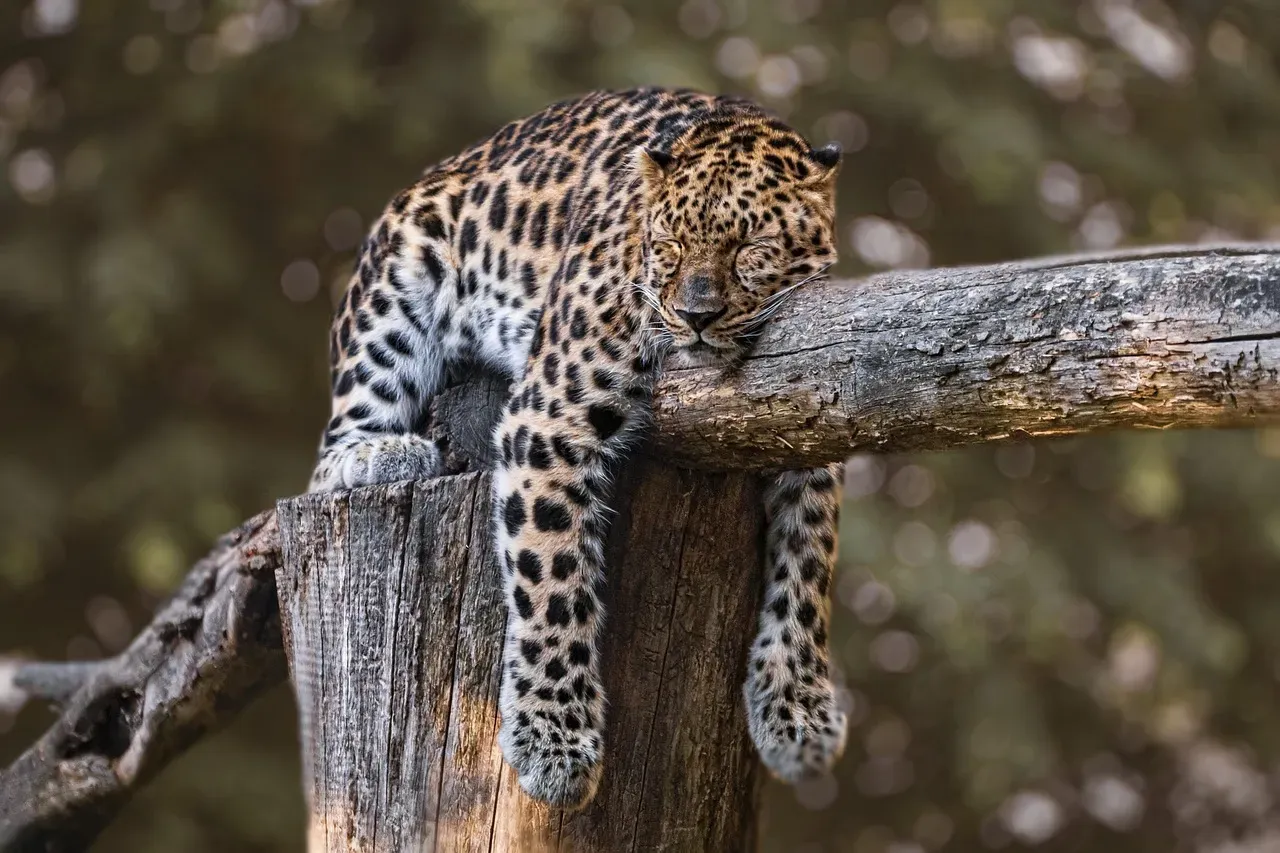
Jaguar breeding in the U.S. has not been documented in more than 100 years, and federal biologists have listed primary threats to the endangered species as habitat loss and fragmentation along with the animals being targeted for trophies and illegal trade. Even as males cross back into Arizona and New Mexico, they’re wandering a landscape fundamentally altered since their ancestors last bred here.
Habitat fragmentation from roads, farms, mines, and controversially, the border wall continues to be a major threat. The border wall is metal columns filled with concrete about two feet apart with metal screens filling the gaps, and it is impassible to wildlife. Imagine trying to keep dog breeds connected when a massive fence cuts through their natural movement corridors.
At least five jaguars in the region have been unlawfully harassed and displaced by hound hunting, leading them to abandon their habitat. Dogs used for hunting can chase jaguars up trees, stress them, and force them out of suitable territory. It’s deeply ironic. Dogs helping to drive away the very wildlife we’re trying to protect.
What Dog Lovers Can Learn From Jaguar Conservation
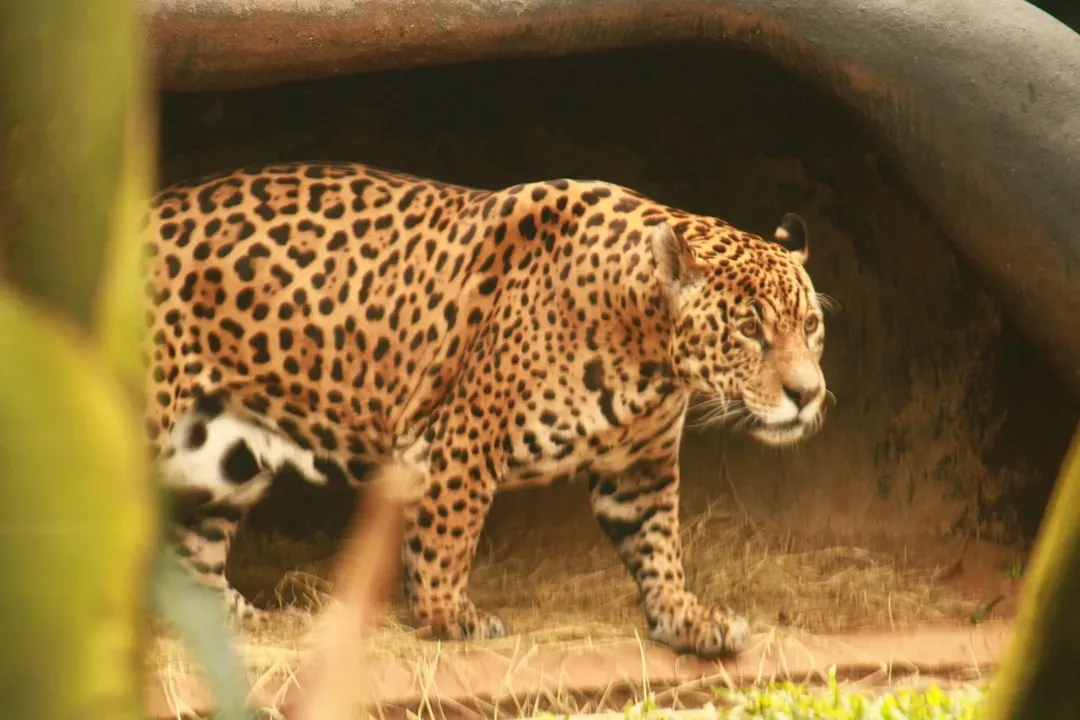
Jaguars have no desire to interact with people, and attacks on humans are exceedingly rare and typically precipitated by jaguars being provoked or harassed by hunters and their dogs. This mirrors responsible dog ownership in wild areas. Keep your dog leashed, under control, and aware of wildlife presence.
Keep dogs on a short six-foot leash when walking on trails or visiting a state park, as leashes help protect dogs and their owners from wildlife attacks. Walk dogs on non-retractable leashes that are 6 feet or less, especially at night, dusk or dawn, and be alert and cautious when walking your pets in wooded areas or areas that have heavy foliage.
If you live in the Southwest, understand that sharing the landscape means respecting boundaries. Always supervise your pet when outside, especially at dawn or dusk, and never leave cats or dogs unattended outside after dark. These aren’t just safety tips. They’re acts of coexistence.
The Path Forward
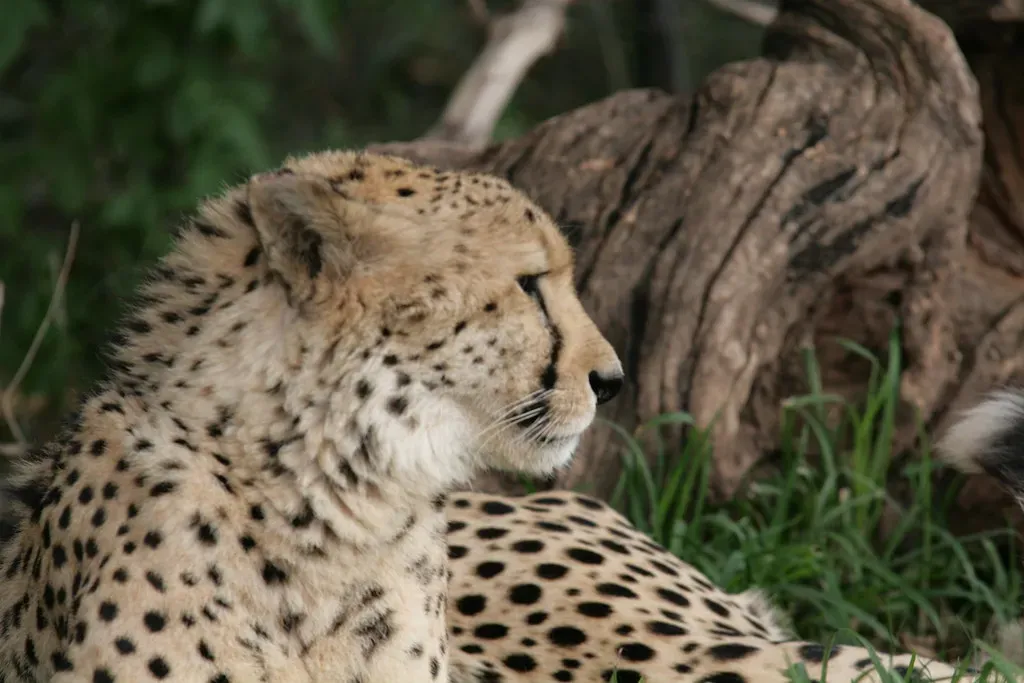
Natural recolonization is the best path forward for jaguars to re-establish a viable population in the United States, as giving jaguars space, protection, connectivity, habitat and a healthy prey base means they will eventually roam once more in their historical range. The question isn’t whether they belong here. Science settled that long ago.
A 2021 study suggested that conditions for the reintroduction of up to 150 jaguars in the mountains of central Arizona and New Mexico were favorable. Some conservationists argue we shouldn’t wait for natural recolonization. Others say patience and habitat protection will let jaguars find their own way home. Both approaches share the same goal.
Like other large carnivores, jaguars are a keystone species playing crucial roles in shaping the evolution of prey populations like deer and elk, and returning them to a small portion of their historic range will allow them to again play their natural role. Think of them as ecosystem managers, keeping prey populations healthy and balanced. Dogs understand hierarchy and pack dynamics instinctively. Jaguars maintain that balance on a landscape scale.
Every trail camera photo matters. Every sighting documented adds to our understanding. Conservation biologists are optimistic that these sightings might someday lead to a breeding population in Arizona, as it’s evidence that jaguars are tenacious and moving north.
The story of jaguars returning to the American Southwest isn’t just about big cats. It’s about resilience, about landscapes healing, about what’s possible when we make room for wildness. For those of us who love dogs, who understand loyalty and territory and the deep pull of home, the jaguar’s journey resonates. They’re coming back. Against all odds, through every barrier we’ve thrown in their path, they’re coming back.
What will we do to welcome them? How will we share this land we all call home? Those questions remain open, waiting for answers written not just in policy, but in our daily choices about how we live alongside wildlife.
