

Most dog owners know the feeling. You’re sitting on the couch, and your dog quietly shifts position, angling their body between you and the front door. You didn’t ask them to. They didn’t make a fuss. They just moved, as if something in their mind said: “I need to be here.”
Dogs have been guarding the people they love for thousands of years, and that wiring hasn’t disappeared just because they now sleep on memory foam beds and eat grain-free kibble. The protective instincts are still running, often in ways so subtle we completely miss them. Dogs have been known as loyal protectors and companions for thousands of years, serving not just as pets but as members of the family, with protective instincts deeply ingrained from their ancestral pack behavior, where looking out for one another was essential for survival. Today, those instincts manifest in various ways tailored to the domesticated environment they now inhabit.
Some of what your dog does every single day might be quiet, deliberate guardianship. Here are nine signs that yours is on the job.
#1: They Position Themselves Between You and a Stranger
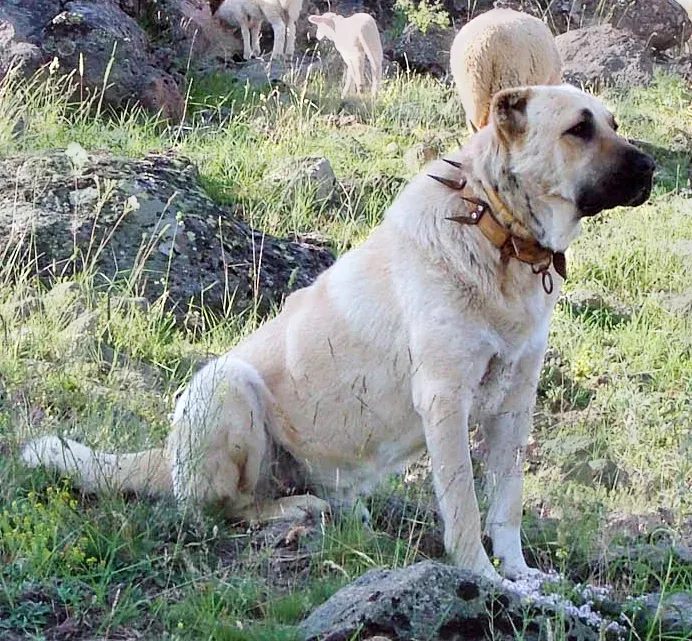
This is one of the clearest and most consistent signs of protective behavior, and a lot of owners chalk it up to the dog just wanting attention. A protective dog often positions themselves between you and what they perceive as a danger. If a stranger approaches you on a walk, for instance, your dog might stand directly in front of you to block access. It’s calculated, not coincidental.
In moments of perceived danger, dogs instinctively position themselves as a shield, placing their bodies between their loved ones and potential harm. This protective behavior showcases their loyalty and unwavering commitment to ensuring your safety. Once the situation deems itself safe, they swiftly ease back into their usual demeanor, relinquishing their defensive stance. That seamless shift from guardian to goofy is actually one of the things that makes this sign easy to overlook.
#2: They Follow You From Room to Room, Especially Around Strangers
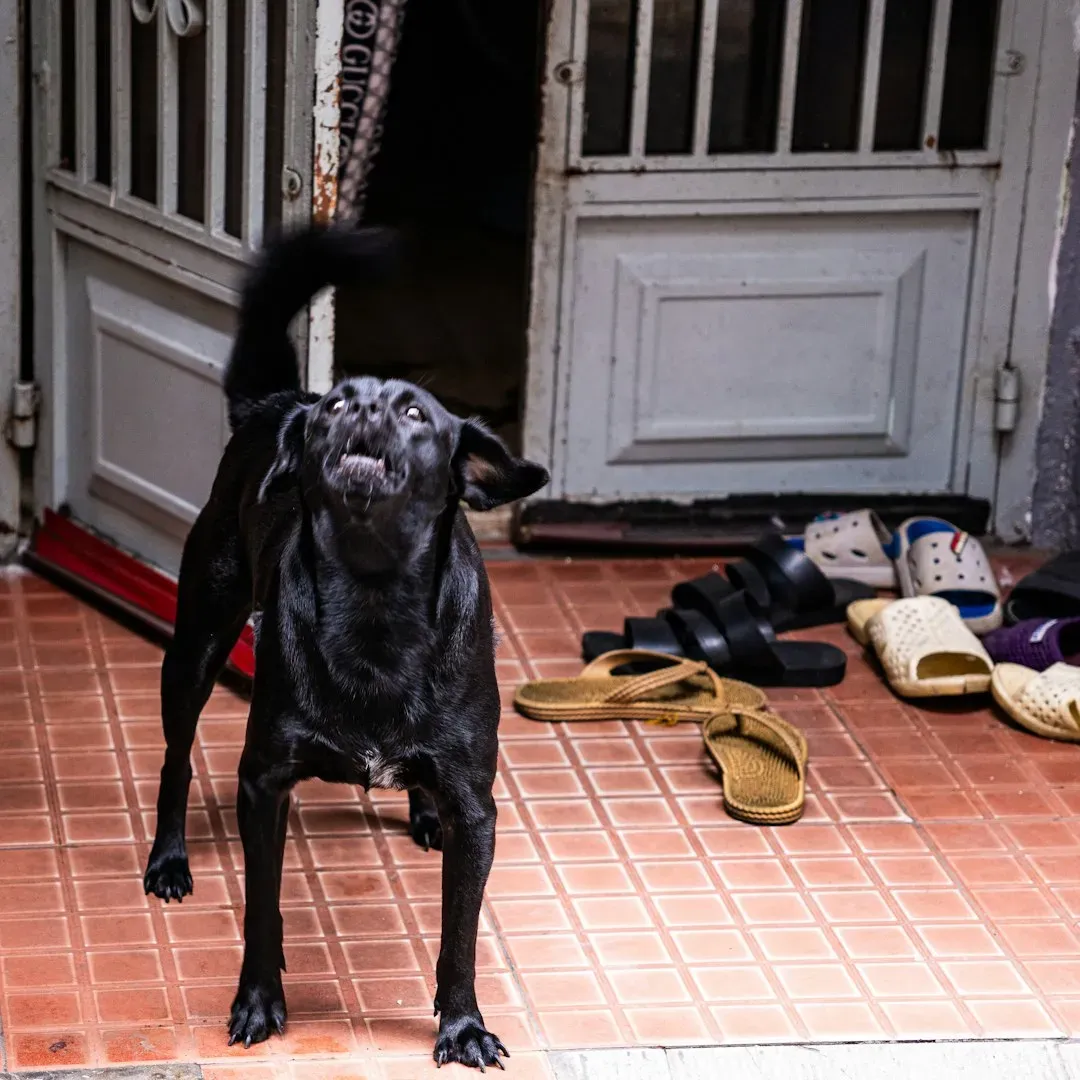
Your dog trailing you to the kitchen, the bathroom, and back again might seem like clingy behavior. Sometimes it is. Other times, it’s something more purposeful. Dogs that are protective of their owners tend to stick by their side, especially in unfamiliar environments, wanting to ensure your safety and be ready to intervene if needed.
Is your dog’s nickname “Velcro dog” because he sticks to you all the time? That’s your dog on duty. From room to room, they’ll shadow you around like a furry bodyguard, always making sure to watch for dangers potentially lurking behind your back. The difference between separation anxiety and protective shadowing can be subtle, but if the trailing intensifies when guests are around or you’re in an unfamiliar place, protection is likely the driver.
#3: They Sleep Close to You at Night

Most people assume their dog hogs the bed out of comfort-seeking. That’s partly true. You might assume your dog hogs the covers just because they want to be close and stay warm. In reality, sleeping in close proximity is an ancient pack behavior designed to provide security during the pack’s most vulnerable hours. By pressing against you, they can instantly alert you to any unusual sounds or movements in the night.
It’s an old behavior rooted in survival, not just snuggles. This guarding instinct offers real comfort to pet parents across the country, and the American Kennel Club suggests you might even get a better sleep when your dog sleeps right beside you through the night. Whether or not that’s true for you, the instinct behind it is unmistakably protective.
#4: They Bark or Growl as a Deliberate Alert
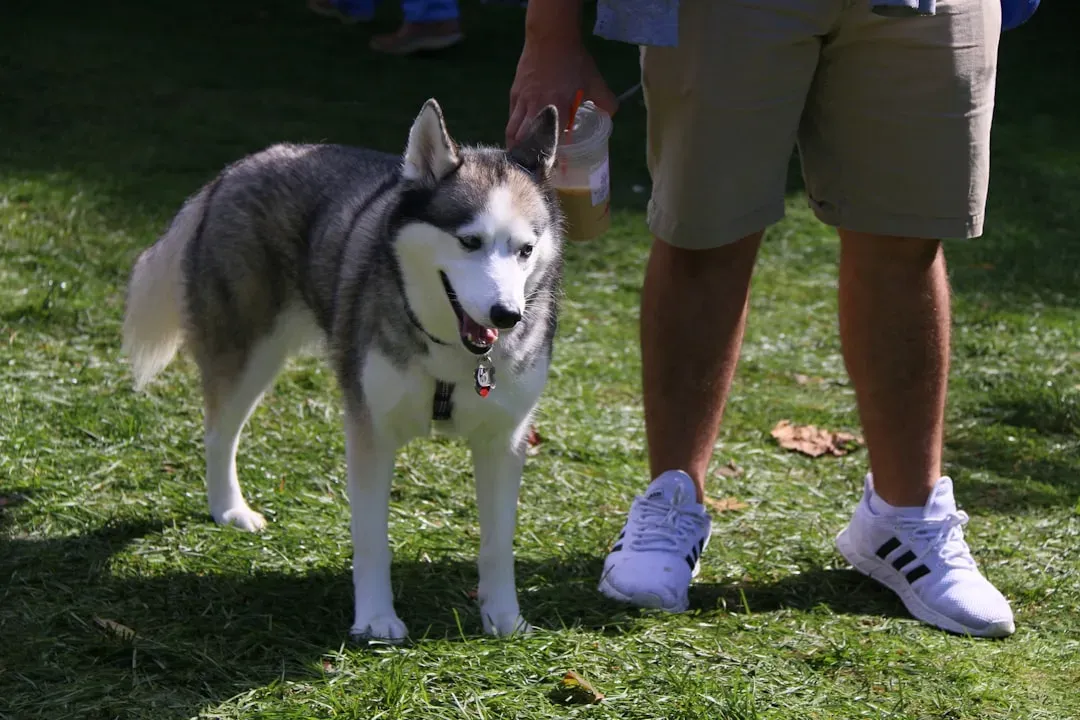
Not all barking is created equal. There’s a meaningful difference between a dog that barks at everything indiscriminately and one that uses vocalization as a targeted, communicative tool. Some dogs are naturally more alert and will bark when someone approaches your home. This is called “alert barking,” and it’s quite helpful because they’re telling you someone is there.
Dogs have perfected a vocal triage system consisting of a soft warning bark that may escalate to a growl, and in extreme emergencies, a full-blown siren. These vocalizations are distance-increasing behaviors meant to send potential intruders away, whether it’s a thief or the pizza delivery guy. Growling, in particular, shouldn’t always be punished. Growling is a crucial way dogs communicate their boundaries and warn before potentially escalating to more aggressive behaviors, so understanding and respecting this warning allows owners to safely remove themselves and their dogs from threatening situations.
#5: They Watch the Doors and Windows More Than You Do
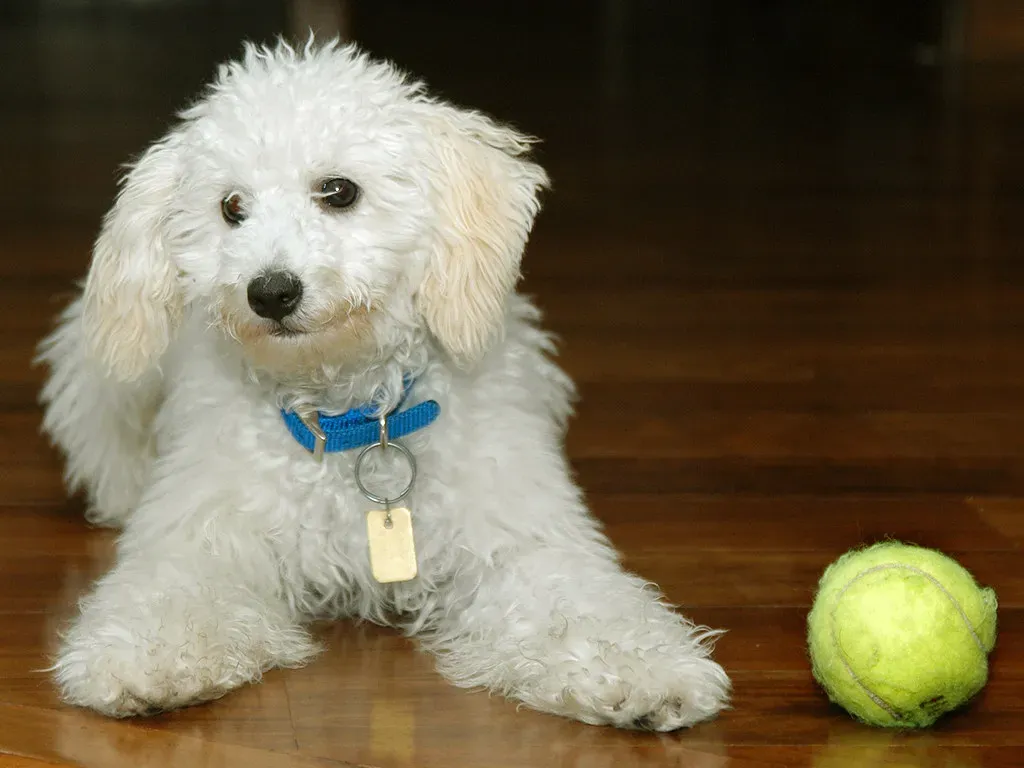
If your dog has a favorite spot that happens to face the front door or a main window, that’s probably not a coincidence. Some dogs will intently stare at you like a hawk as a way to interpret your feelings and detect warning signs of danger as early as possible. In addition to observing you, they may constantly maintain a visual and emotional “radar” on windows and doors if anything suspicious occurs. These hypervigilant dogs are conducting surveillance and evaluating threats.
A dog trying to protect you will often exhibit vigilant behavior, constantly watching and sometimes staring intently at potential threats. This watchfulness means they’re assessing the environment for signs of danger to keep you safe. Dogs with strong protective instincts take this role very seriously and can often be seen scanning their surroundings, especially in new or unfamiliar places. Think of them as a neighborhood watch program that also sheds on your furniture.
#6: They Lean Into You Around Unfamiliar People
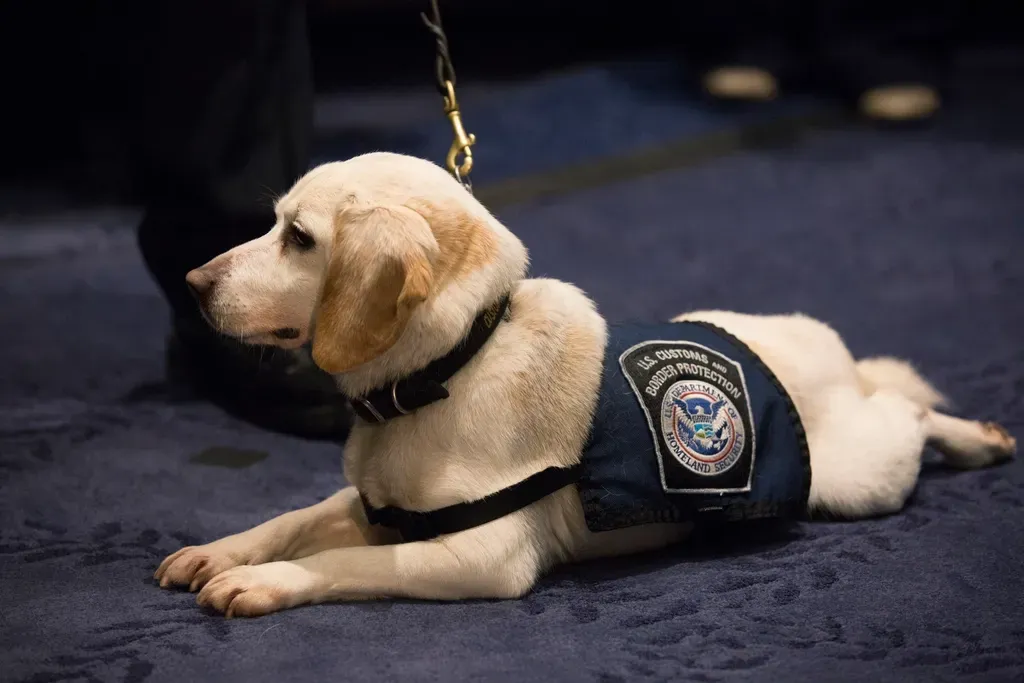
Leaning is often read as affection, and there’s some truth to that. Your dog genuinely enjoys the contact. However, in social situations around people they don’t know, the behavior carries an additional layer. This behavior frequently happens in new environments or when strangers are present. By leaning on you, your dog establishes a physical boundary that signals to others that you are claimed and under their watchful supervision. It’s a silent, comforting signal that they have got your back, literally and figuratively.
It’s a remarkably quiet form of communication, directed less at you and more at whoever just walked in. You may have noticed your dog casually positioning themselves between you and a guest or another animal. This is a classic blocking maneuver used to create a buffer zone until your dog decides the newcomer is safe. It’s not necessarily aggression; it’s a calculated management of personal space to prevent any surprise approaches.
#7: They Display Rigid Posture When Someone Gets Close
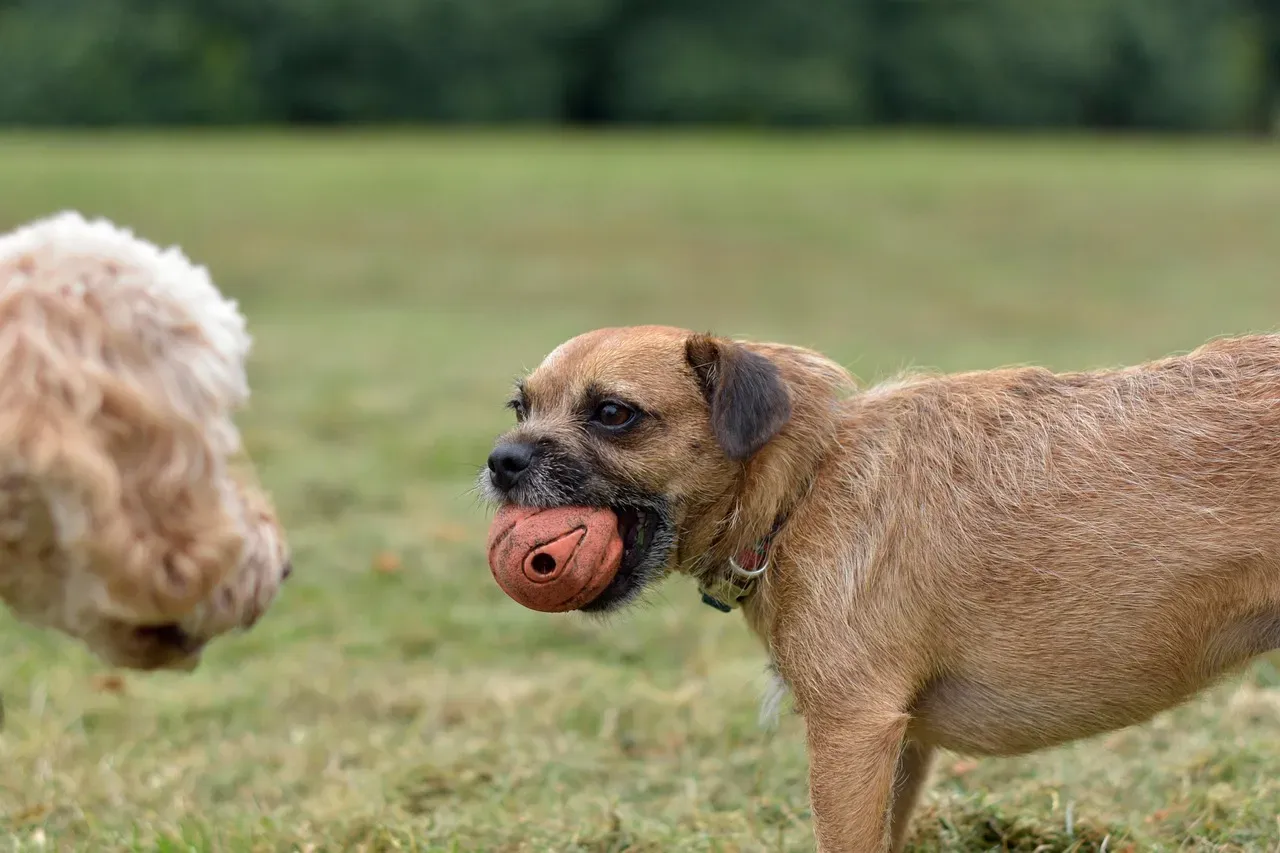
Body language is where your dog says everything without making a sound. When a protective dog shifts from relaxed to attentive in the presence of a stranger, the physical change is unmistakable if you know what to look for. Protective dogs often exhibit rigid posture when assessing a situation. Look for signs like a raised tail, perked ears, and an intense gaze.
In the face of what they perceive as a genuine threat, some dogs may adopt an overtly aggressive posture, with their heads held high and hackles raised, signaling a clear message of intimidation. This defensive stance is a visual display of their readiness to confront and defend against any potential harm. It’s not random tension. It’s focus, and it’s directed at something specific that your dog has assessed as requiring their attention.
#8: They Check On You During Walks
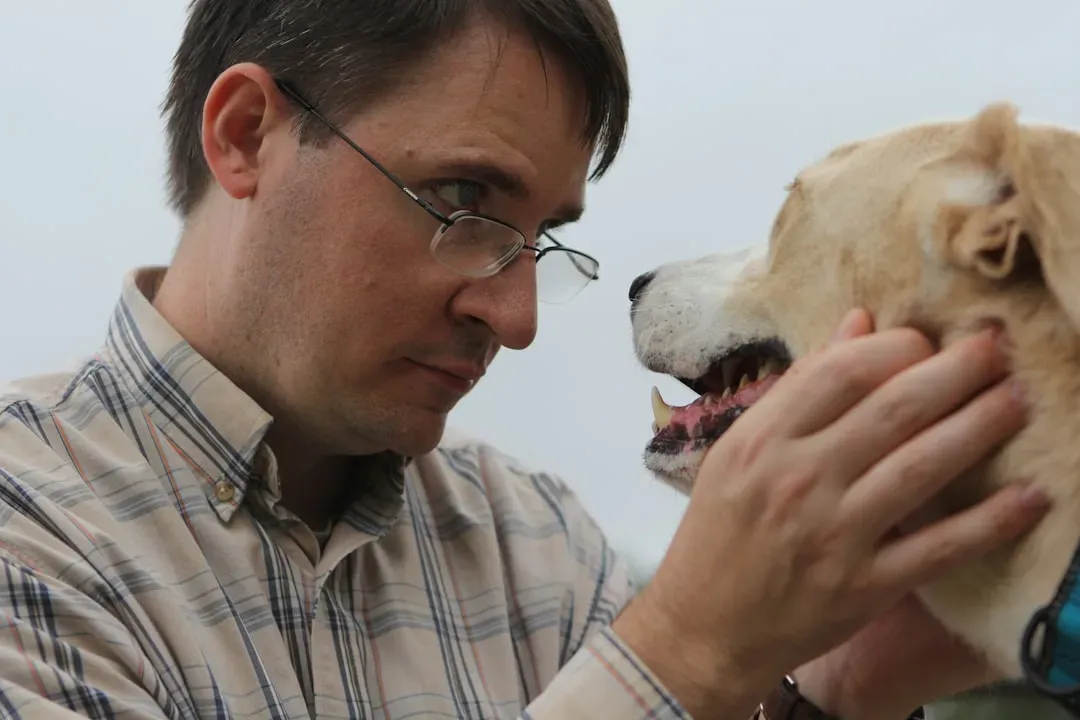
When you’re out walking, notice whether your dog periodically turns their head to check on your position. It’s an easy thing to miss, and most owners interpret it as the dog being distracted. The reality is more purposeful. A protective dog will often walk ahead of you but frequently turns its head to check on you. This “check-in” ensures you are still coming along and nothing has sneaked up on the pair of you. They are scouting the path ahead while maintaining a visual tether to their charge, leading the expedition but keeping your safety as the priority.
By constantly monitoring your position, they can adjust their pace or direction if they sense you are uncomfortable or lagging behind. It is the sign of a partner who is deeply invested in your mutual well-being. A dog doing this on a regular walk isn’t just enjoying the outing. They’re managing the route for both of you.
#9: Their Protective Instincts Are Consistent, Not Random
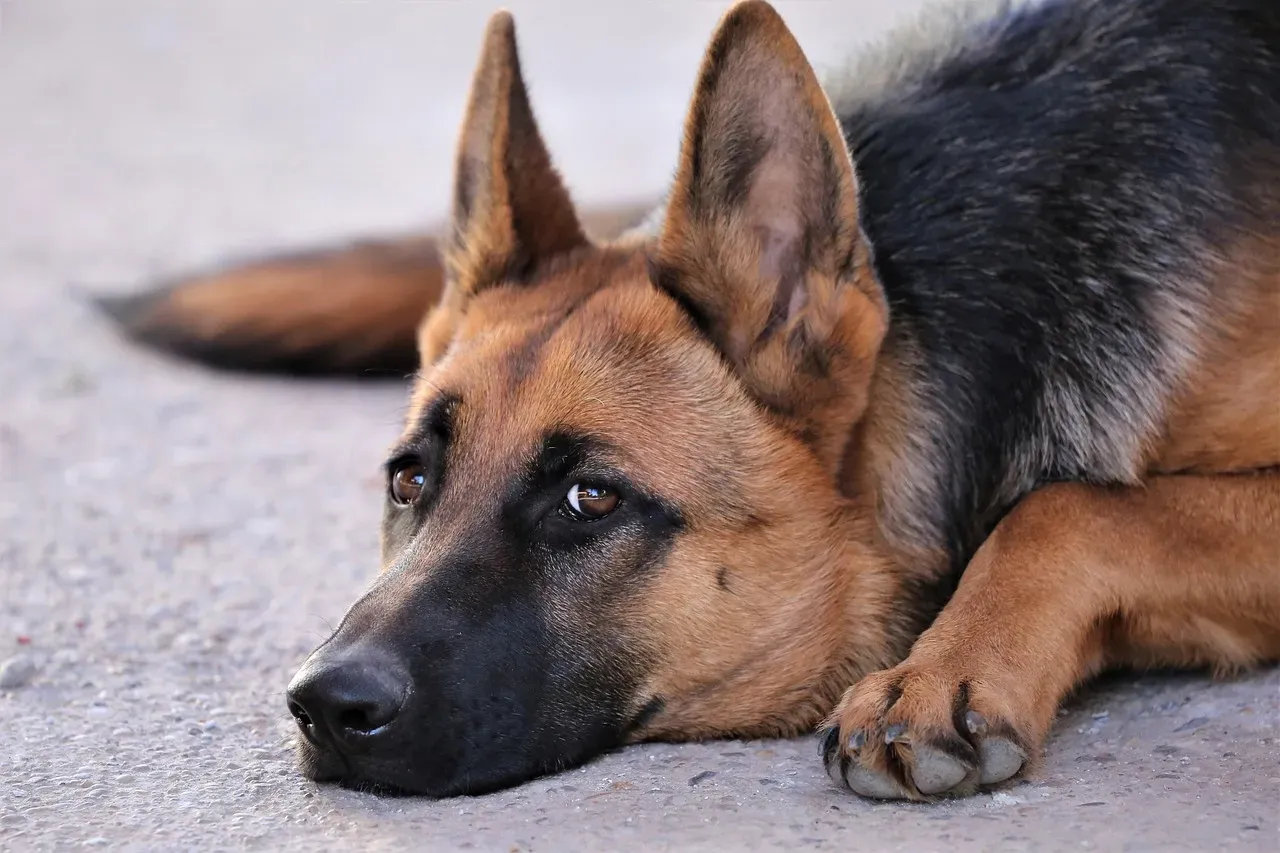
One of the clearest distinctions between genuine protective behavior and general reactivity is consistency. Protectiveness is surveying a situation and reacting appropriately, while overprotective behavior is the immediate aggressive response to stimuli. A truly protective dog reads context before reacting, and their responses tend to be measured and purposeful rather than frantic or indiscriminate.
Protective behavior is a natural trait in many breeds, stemming from their instinct to guard their pack. While having a dog that’s watchful and caring can be reassuring, there’s a fine line between healthy protective instincts and behavior that becomes excessive or problematic. Certain breeds like German Shepherds, Belgian Malinois, and Rottweilers are more predisposed to protective behaviors due to their history as working dogs. However, any dog, regardless of breed, can display protective tendencies based on their environment, training, and bond with their owner. If your dog consistently watches over you without flipping into aggression at every noise, that’s the balanced version of this instinct working exactly as it should.
A Final Thought Worth Sitting With
Most of us will never need our dogs to step between us and real danger. The threats they guard against will remain imaginary, or at worst, be the neighbor’s kid on a skateboard. That doesn’t make the instinct any less real or any less meaningful.
There’s something genuinely moving about an animal that has woven the protection of another creature so deeply into its sense of purpose. Your dog isn’t calculating a reward or waiting for applause. They simply notice you, monitor your world, and adjust their behavior accordingly, day after day, without being asked.
Understanding these signs won’t just help you recognize what your dog is doing. It’ll likely change how you see them entirely. In my view, that shift in perspective is one of the most underrated gifts of sharing your life with a dog. They’ve been quietly showing up for you all along.
