

There is a quiet negotiation happening in American cities, suburbs, and sprawling exurban zones that most people never notice. Animals are not simply tolerating the human world. Many are actively reshaping their behavior, their biology, and in some documented cases, their genetics to thrive alongside us.
Scientists call this HIREC, or human-induced rapid evolutionary change, a term that highlights the profound impacts human beings have on animals by creating an extreme ecological situation that often means either life or death for an entire species. What makes this story genuinely surprising is the speed at which it unfolds. While rates of evolution were once thought too slow to be relevant to urbanization, recent research across a wide variety of species has demonstrated that organisms can evolve rapidly in response to urban environments, with evolutionary changes observed in as little as two generations. The nine species below offer some of the most compelling examples of this phenomenon playing out across the United States.
1. The Coyote: Boldness as a Survival Strategy
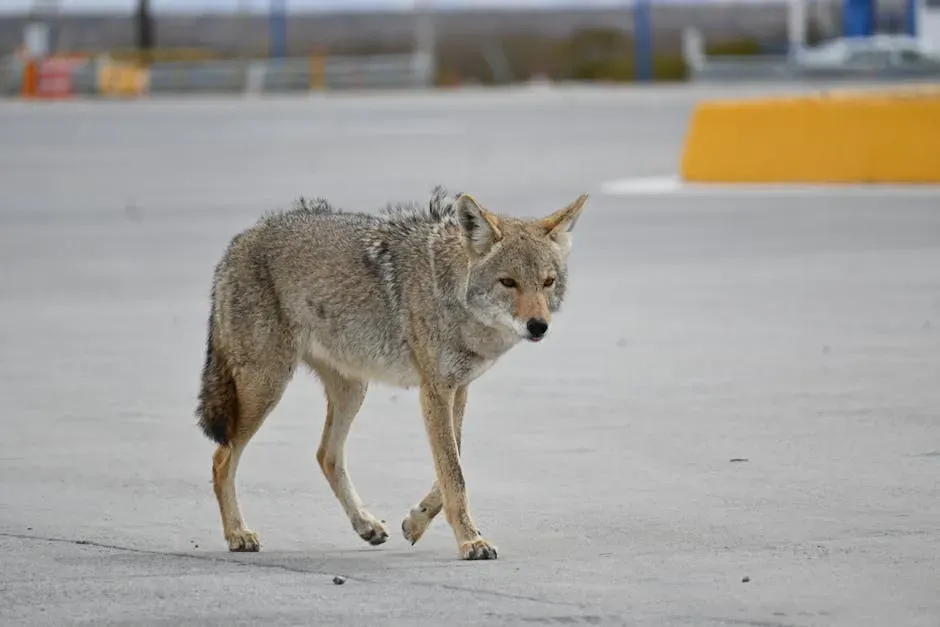
Few American animals have made the urban leap as dramatically as the coyote. Coyote populations are resurging in many North American cities, where they find ample food sources and fewer natural predators. Their success goes deeper than opportunism, though.
A 2018 study in Biology Letters found that urban coyotes in the United States show selection for genes associated with boldness and reduced fear responses. That is not a learned behavior. It is evolution in real time, driven by the selective advantage of tolerating human activity.
Urban coyotes have learned to navigate roads, utilize green spaces, and adjust their behavior to minimize human contact. Research in New Hampshire also found that coyotes shifted to being more active at night in suburban areas, suggesting they are simultaneously becoming bolder in genetic terms while remaining behaviorally cautious around people.
Despite the risks, city life provides benefits to species equipped to navigate urban hazards, and coyotes even tend to live longer in urban environments than their rural counterparts. It is a paradox worth sitting with.
2. The Raccoon: Problem-Solving at a Primate Level
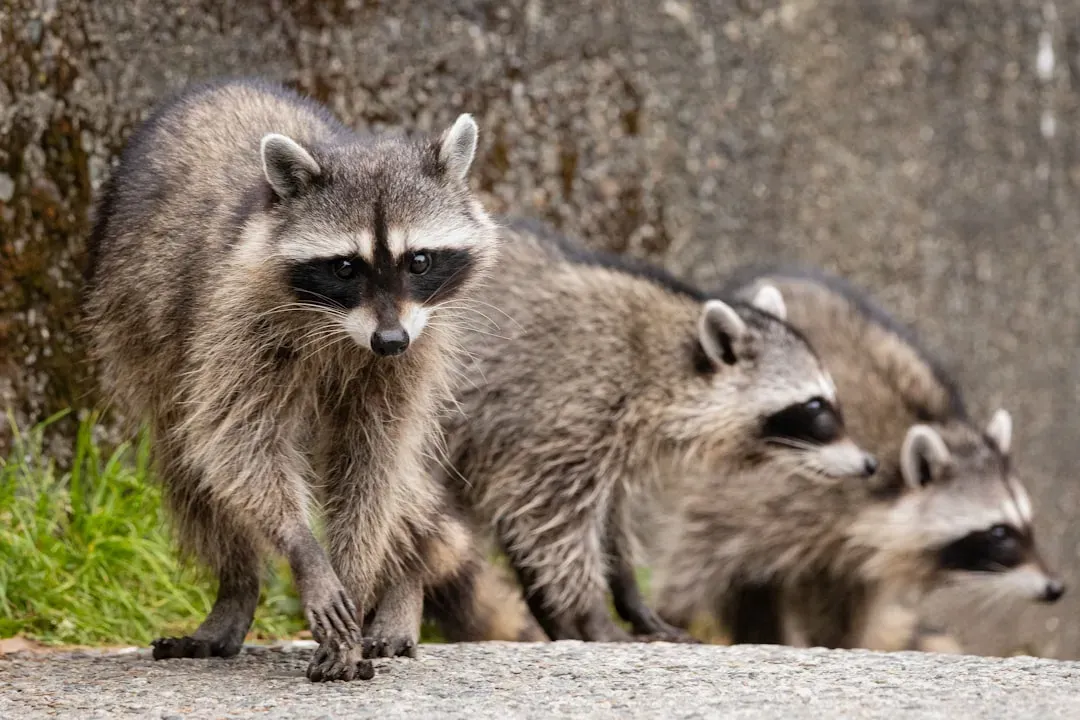
The raccoon has become so embedded in the American urban imagination that it is easy to underestimate just how remarkable its cognitive adaptation actually is. Raccoons in urban areas have demonstrated problem-solving abilities far exceeding their rural counterparts, with some populations developing specialized techniques for opening garbage containers.
Research has found that raccoon brains show notable differences between problem-solving individuals and less innovative ones, with the innovators having more specialized nerve cells in the hippocampus, a center of learning and memory. This neural specialization appears to correlate directly with urban success.
Research also found evidence of increased diurnality in Northern Raccoons in areas with higher housing density, meaning that unlike some species that retreat into nocturnal patterns, certain raccoon populations have actually grown more comfortable operating during daylight hours in dense human settlements. Their relationship with humans, it seems, has become genuinely flexible.
3. The White-Tailed Deer: Exploiting Suburban Sanctuary
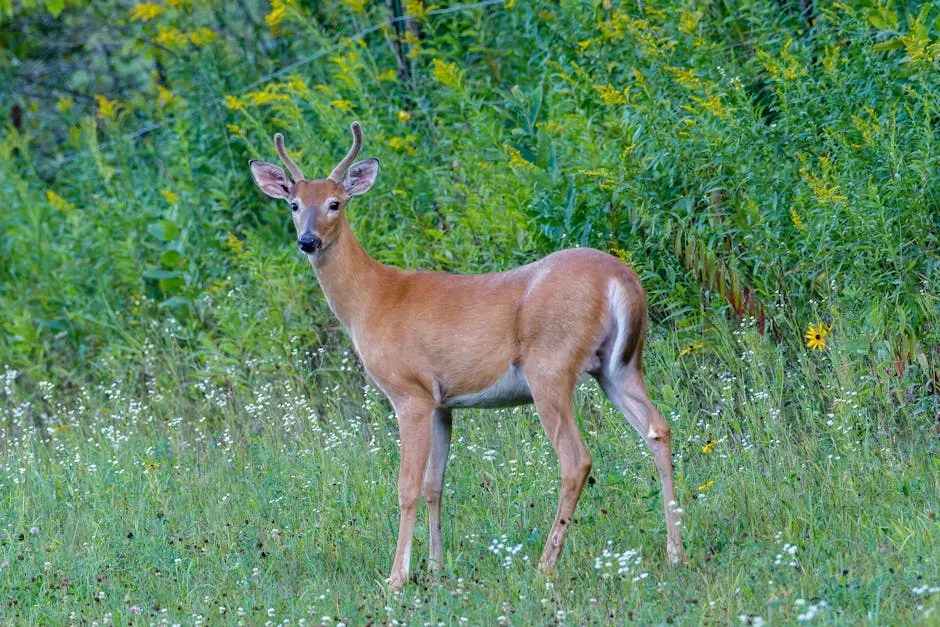
White-tailed deer have discovered something that took them little time to figure out: human-dominated suburban landscapes often offer more food and less predation pressure than the forests they came from. Deer are sometimes regarded as human adapters, as they can achieve high population sizes ranging from wild areas to suburban habitats.
White-tailed deer, which show positive spatial associations with housing development, also shift to more nocturnal activity while in suburban regions, suggesting that even urban exploiters may adjust behavior to limit interactions with humans. The adaptation here is behavioral timing rather than biology, but it is no less effective.
White-tailed deer are among the species most able to adapt to anthropogenic changes over time, something that wildlife managers have observed with increasing concern as suburban deer populations grow dense. The deer have read the landscape well. Where there are gardens and reduced hunting pressure, they concentrate and stay.
4. The Peregrine Falcon: Skyscrapers as Cliffs
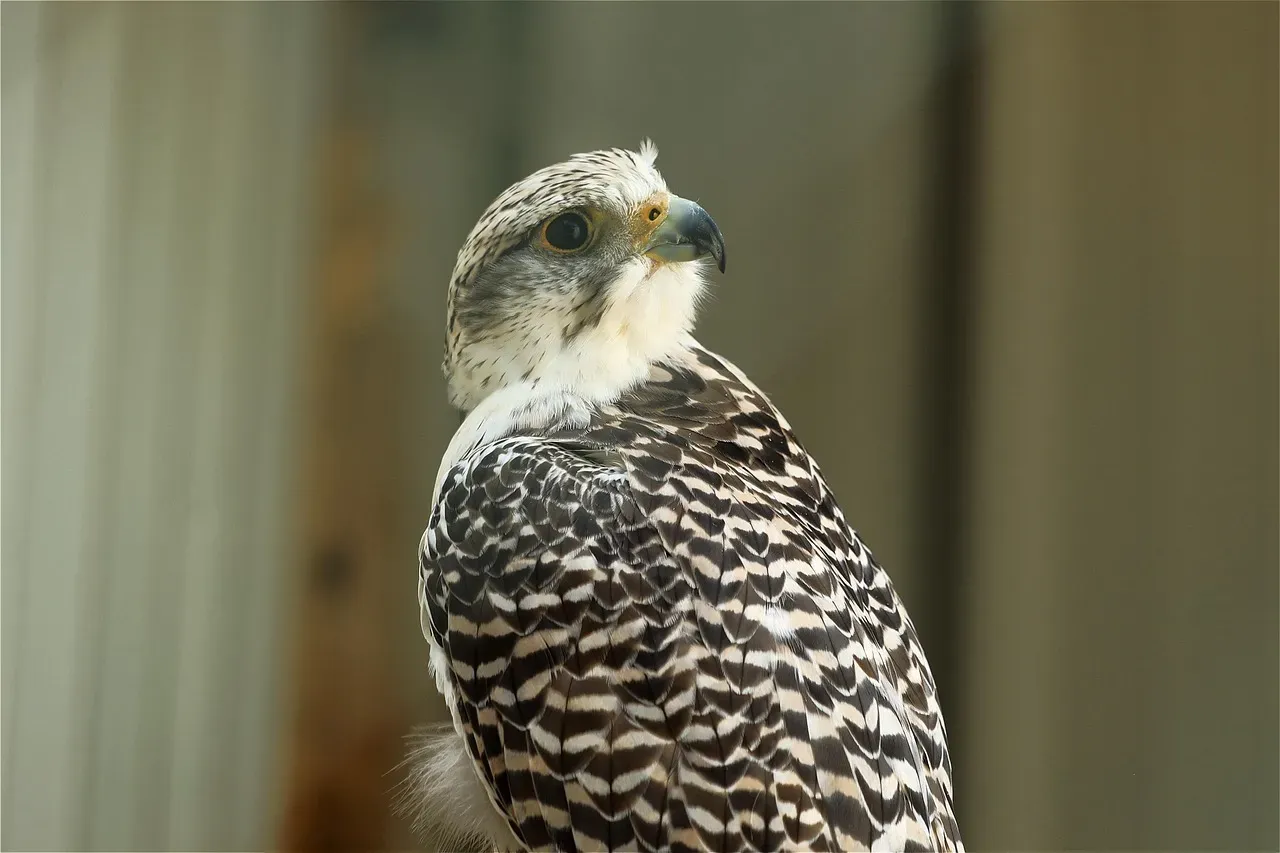
The peregrine falcon’s urban story is one of the most striking wildlife comebacks in modern American conservation history. Once driven to the brink of extinction by DDT pesticides in the mid-20th century, peregrine falcons have staged a remarkable comeback with cities playing a crucial role in their recovery.
In many parts of the world, peregrine falcons have adapted to urban habitats, nesting on cathedrals, skyscraper window ledges, tower blocks, and the towers of suspension bridges. The logic is elegantly simple. Tall buildings function, from a falcon’s perspective, as artificial cliff faces. In urban areas, where they tend to nest on tall buildings or bridges, they subsist mostly on a variety of pigeons, which cities produce in abundance.
In Oregon, Portland houses ten percent of the state’s peregrine nests, despite only covering around 0.1 percent of the state’s land area. That density figure says everything. Many urban peregrines do not need to migrate, since they have plentiful sources of prey year-round, a behavioral shift with real consequences for their biology and seasonal rhythms. The species recovered enough to be removed from the Endangered Species List in 1999.
5. The Red-Tailed Hawk: Learning to Use Us
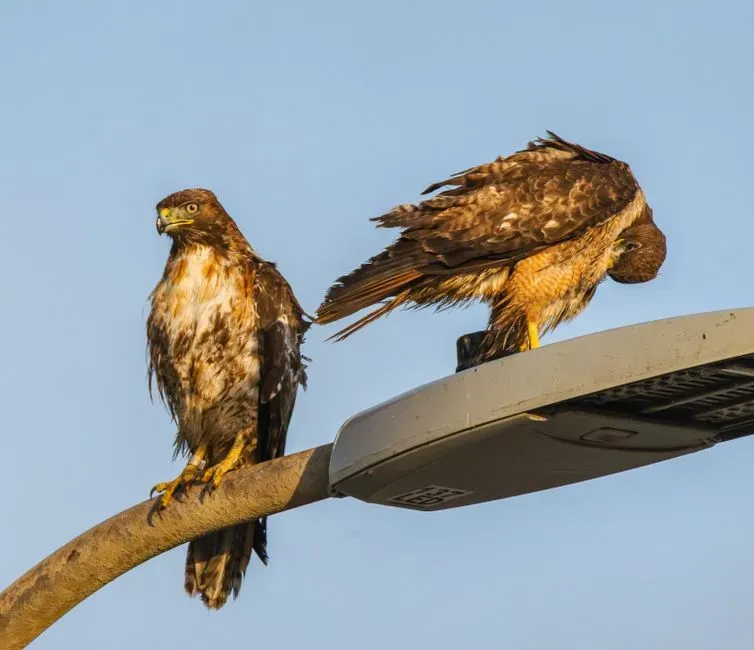
The red-tailed hawk is perhaps the most visible large raptor in American cities today. Red-tailed hawks have emerged as one of the most successful raptors in urban environments, adapting to hunt and nest among skyscrapers and city parks, with famous urban residents like New York City’s “Pale Male” demonstrating how these birds have adjusted their traditionally rural lifestyle. Urban red-tails build nests on building ledges, bridges, and light poles, and have modified their diets to target urban prey like pigeons, squirrels, and rats.
Their hunting behavior has evolved further, with some urban hawks learning to watch for prey being flushed by pedestrians or vehicles, essentially using human activity to their advantage. This is a genuinely novel behavior. The hawk is not just tolerating the city. It is actively recruiting human foot traffic as a hunting tool.
A study from the Cornell Lab of Ornithology found that urban red-tailed hawks have smaller territories than rural birds, indicating their ability to extract sufficient resources from more concentrated urban areas. Smaller territory, denser prey, less wasted energy. The math, for an adaptable predator, works out.
6. The American Crow: Intelligence Rewarded
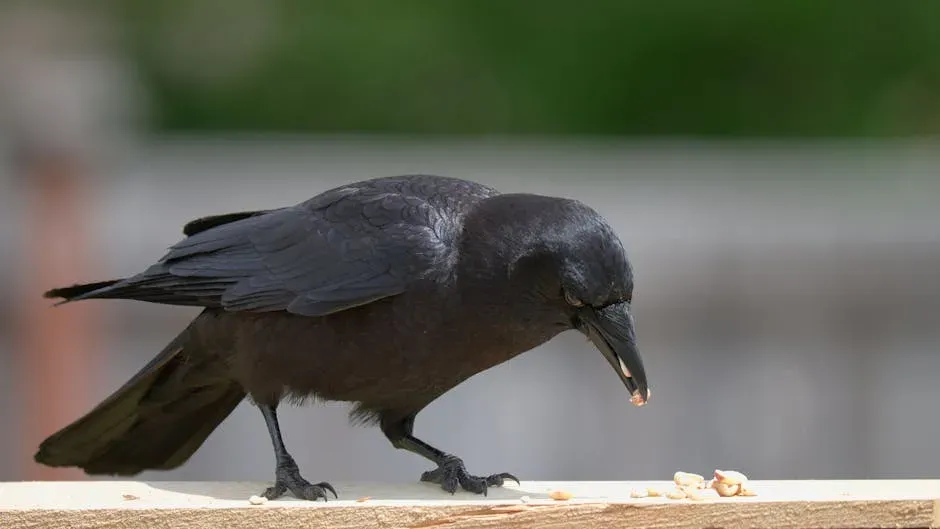
Crows have long been studied for their intelligence, but the urban environment appears to amplify what they are already capable of. Crows are incredibly intelligent birds that have shown remarkable adaptability in urban environments, with their ability to solve problems and communicate complex information helping them thrive in developed areas, where they exploit a variety of food sources by scavenging on roadkill, trash, and agricultural produce.
One general feature of bird species that adapt well to urban environments is that they tend to be species with bigger brains, perhaps allowing them to be more behaviorally adaptable to the more volatile urban environment. Crows sit near the top of that category.
American crows have been observed using traffic to crack nuts, a behavior documented at multiple US sites where birds deliberately place hard-shelled food items in crosswalks, wait for cars to run over them, then retrieve the contents at a red light. It is not formally learned from humans. It appears to be an independently developed innovation, spreading socially through crow communities. This process, called synurbization, describes the behavioral and ecological changes that allow animals to cope with human-dominated landscapes and may include changes in feeding behavior, daily activity, movement patterns, and tolerance of human presence.
7. Eastern Gray Squirrel: Recalibrating Risk
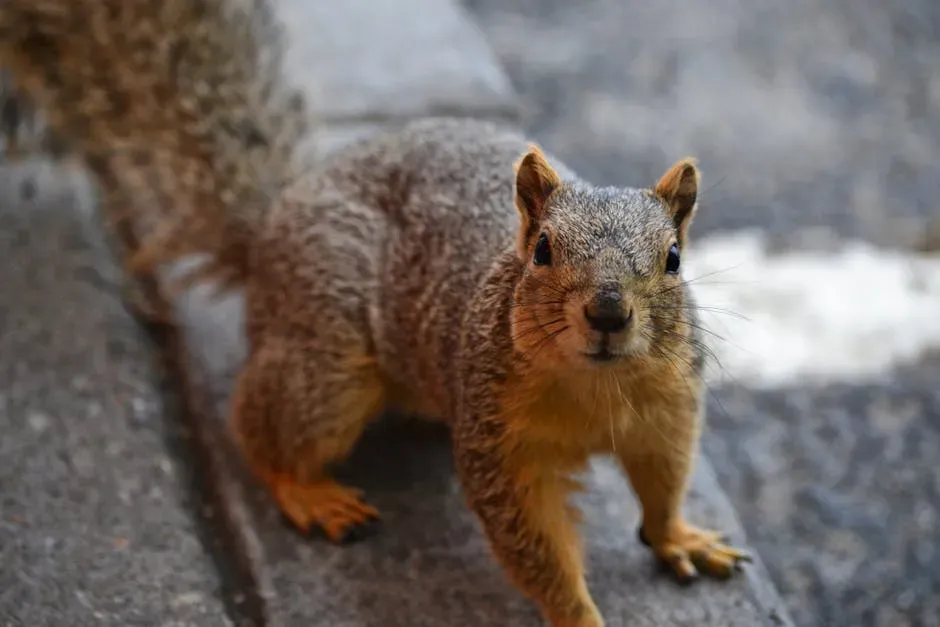
Urban squirrels live in a world almost entirely defined by human rhythms, and they have adjusted accordingly. Urban squirrels show reduced flight distances, allowing humans to approach much closer before fleeing, a measurable sign of decreased fear response in city-dwelling populations compared to their rural relatives.
Fox squirrels in Texas demonstrated the ability to modulate anti-predator behavior to cope with constant stimuli created by humans in the urban environment, while eastern gray squirrels in Massachusetts were found to modulate their alert behavior by increasing their reliance on visual signals versus audio signals in noisier environments. In other words, they read the noise of the city and switched communication channels accordingly.
Urban areas provide a diverse range of environments that squirrels exploit with ease. From parks to backyards, these agile rodents are well-suited to city life, capitalizing on abundant food sources like bird feeders and discarded snacks, while their ability to navigate electrical lines and trees helps them avoid many urban threats. They have become, in a real sense, a species built for the modern American neighborhood.
8. The Mexican Free-Tailed Bat: Cities as Foraging Hotspots
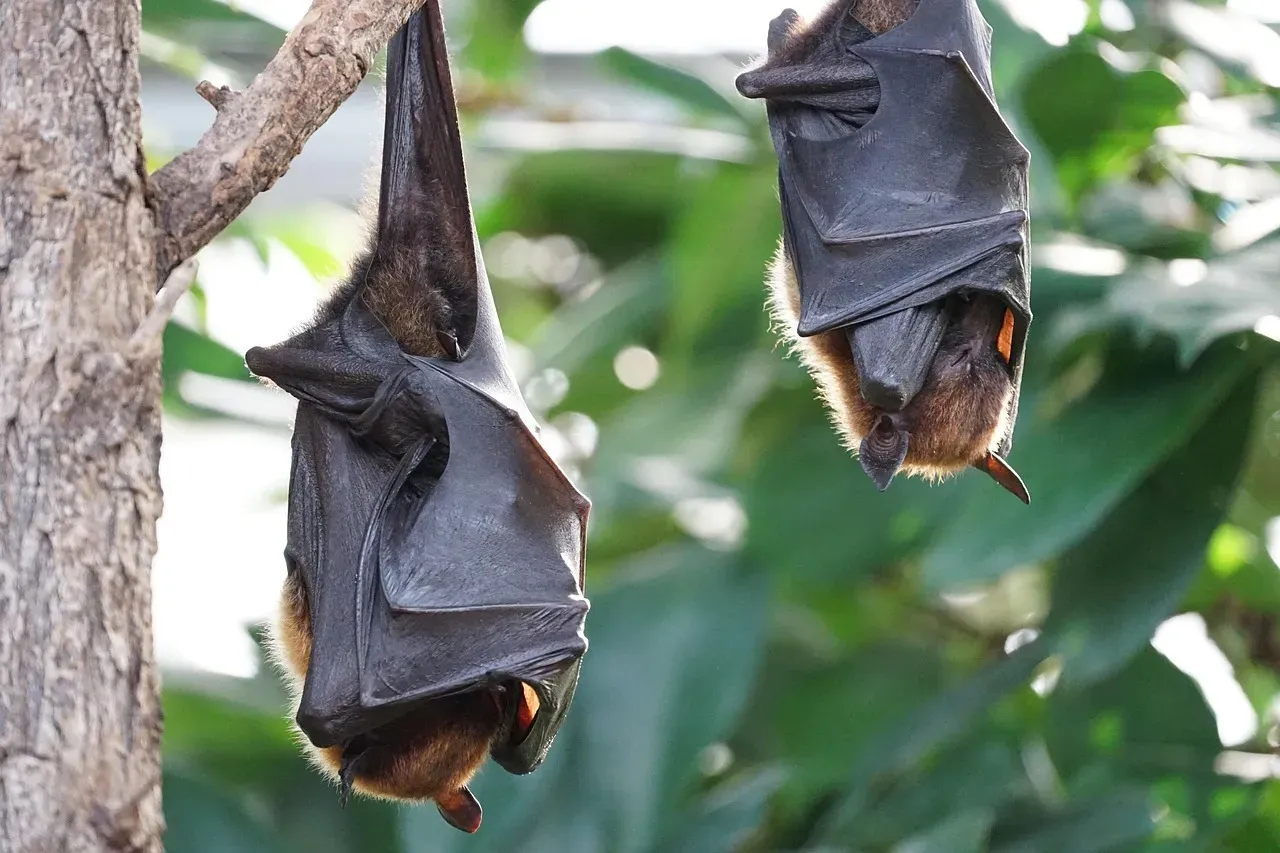
Bats are among the more surprising urban success stories, particularly the Mexican free-tailed bat across the southern United States. Bats have become quite adept at living in cities, often roosting in buildings, bridges, and other man-made structures. Urban areas offer ample opportunities for these nocturnal creatures to feed on insects, including mosquitoes, which are abundant due to artificial lighting, and bats play an essential role in urban ecosystems as natural pest controllers.
Bats are making their mark in cities by exploiting structures for roosting and the high number of insects drawn to city lights. Certain bat species have adapted to urban areas by altering their echolocation and flight patterns to avoid collisions with buildings, and their presence aids in controlling insect populations, providing natural pest management that benefits urban residents.
Researchers highlight the skills of some animals to take advantage of the contamination level of cities, with bats and some birds having specialized to eat the insects that accumulate under lights at night. The city’s artificial light, often cited as an ecological problem, has become a buffet table for an entire foraging guild. The adaptation is pragmatic and precise.
9. The Virginia Opossum: Slow, Steady, and Surprisingly Resilient
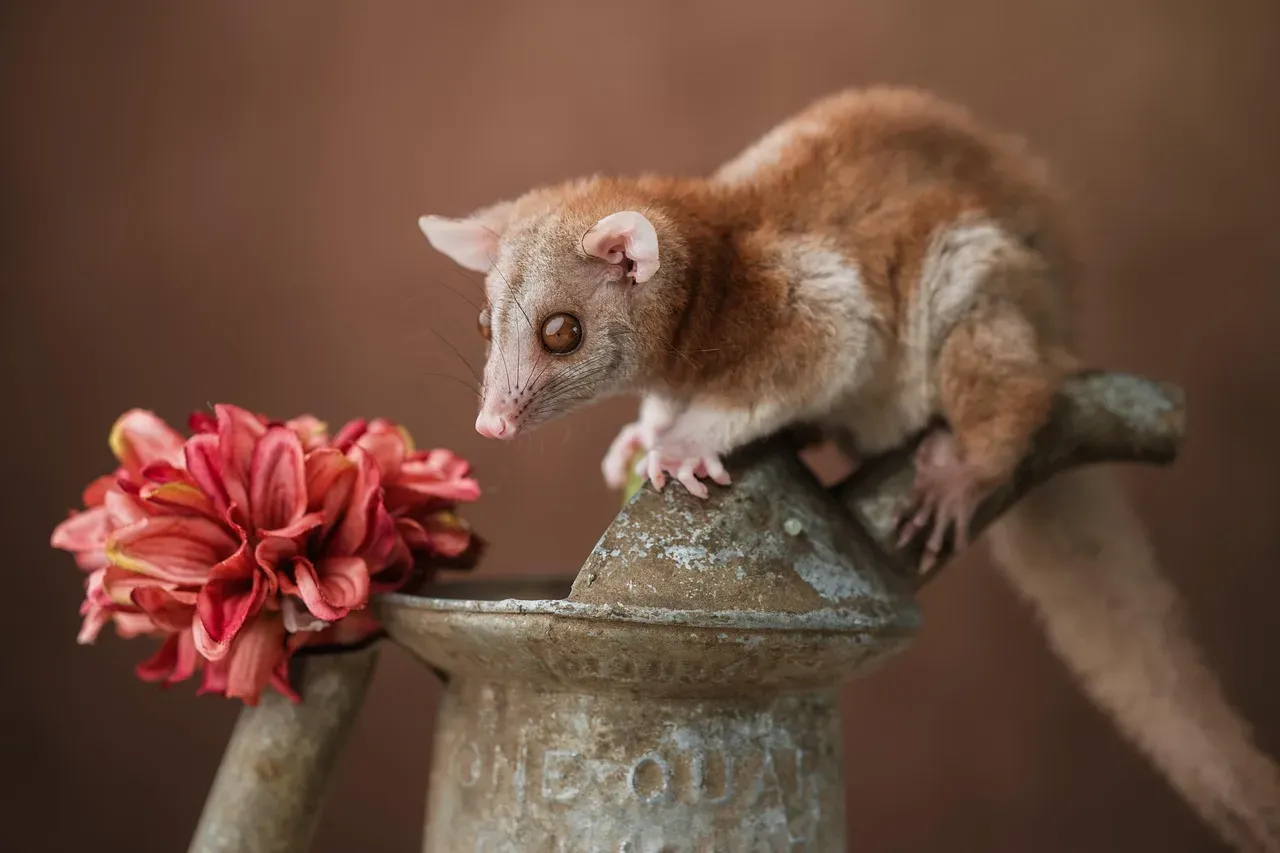
The Virginia opossum does not look like a high-performing urban adapter. It moves slowly, has poor eyesight, and its famous defensive strategy of playing dead is not exactly cutting-edge. Yet opossums are thriving in US cities, and researchers think their broad dietary flexibility is the core reason.
Opossums have become fixture city inhabitants due to their opportunistic behavior. These adaptable marsupials are excellent scavengers, feeding on a diet that includes fruits, insects, small rodents, and leftovers. Their resilience is enhanced by their ability to simulate death when threatened, a tactic that can deter urban predators, and they contribute to urban biodiversity by playing a role in maintaining ecological balance.
Animals adapt to urbanization by altering behaviors like becoming nocturnal or broadening diets, enabling them to thrive in bustling city environments, and the opossum is a textbook case of the dietary route. They also consume large numbers of ticks, making them quietly beneficial to human neighborhoods in ways that rarely get acknowledged. North America’s only marsupial, it turns out, has quietly become one of the continent’s most successful urban survivors.
What This All Tells Us
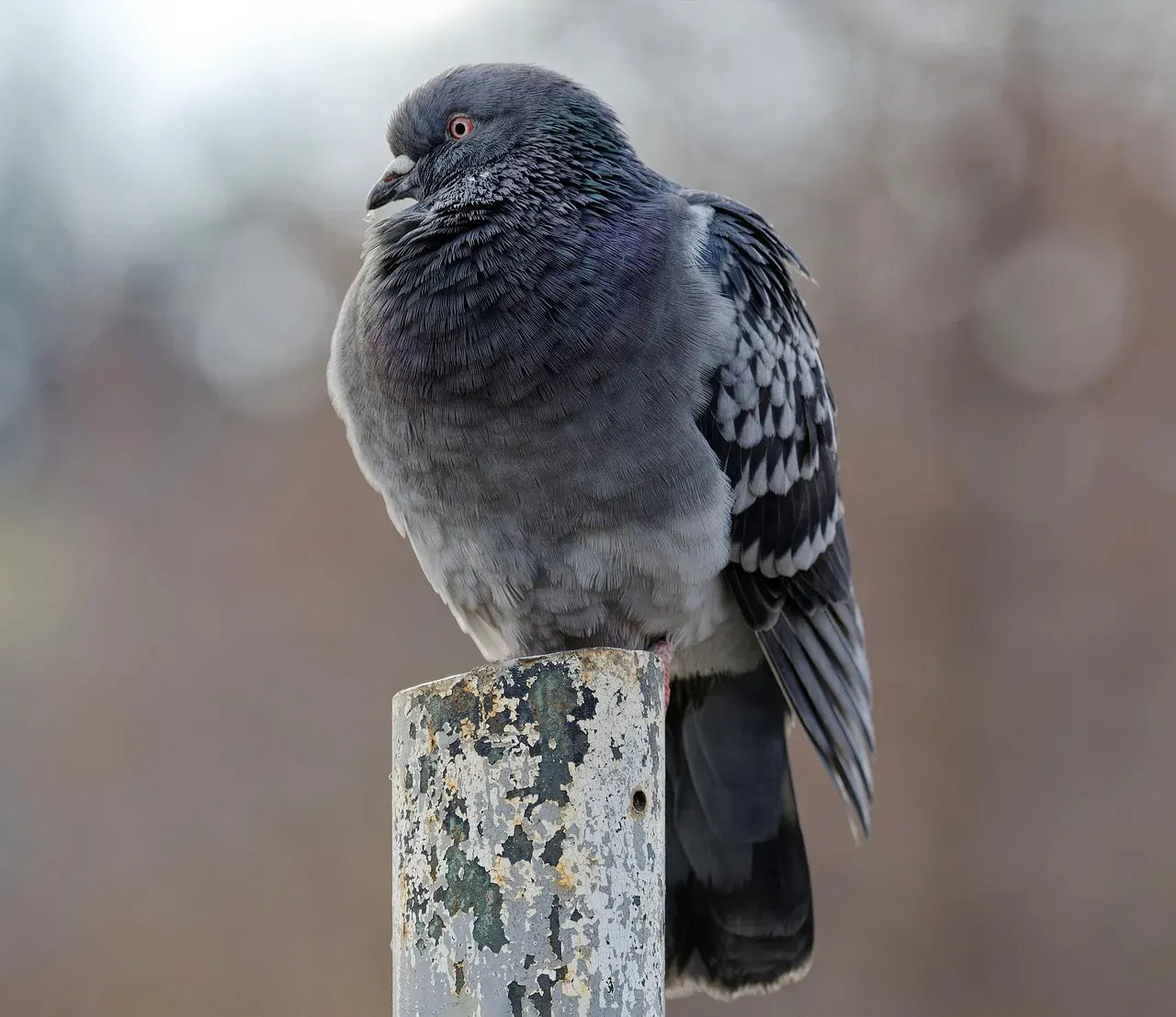
Taken together, these nine species reveal a pattern that goes well beyond individual cleverness. Urban environments can exert novel selective pressures on organisms, sometimes leading to new adaptations that researchers are only beginning to fully understand. The city is not just a place where animals survive. For some, it has become a genuine evolutionary engine.
Urban wildlife serves as an indicator of the health of urban ecosystems, highlighting the need for sustainable urban planning and green infrastructure to create habitats that support diverse species while benefiting human residents. That is worth keeping in mind as American cities continue to expand.
The real lesson may be this: nature’s most successful adapters are not the strongest or the most specialized. They are the most flexible. As learning and behavioral adjustments are the primary ways animals cope with changing environments, the highly modified urban landscape provides a veritable proving ground for the ability of wildlife to adapt. The animals that pass that test are not just surviving alongside us. In some measurable ways, they are becoming something genuinely new.

- 14 Signs the Backyard Birds That Left Your Yard Are Quietly Coming Back - July 21, 2026
- 12 Cat Breeds Vets Refuse To Recommend to First Time Owners - July 21, 2026
- 6 US States With the Most Alligators - July 21, 2026