

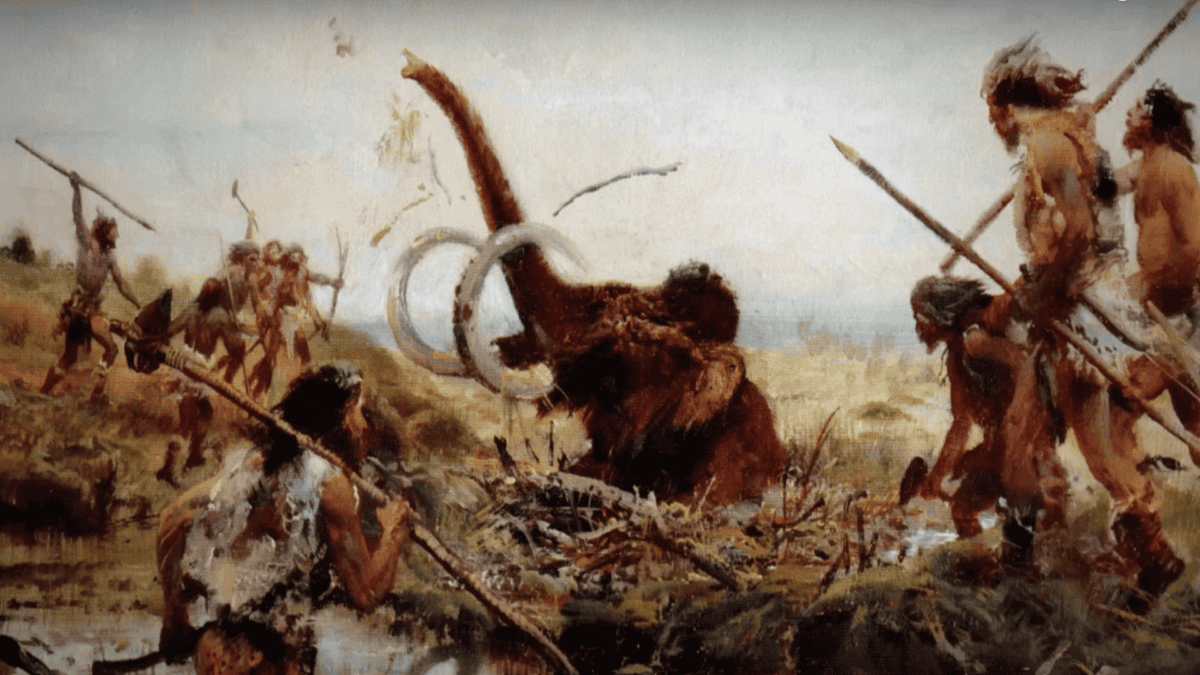
New research reveals that 13,000 years ago, ancient Americans dined on mammoth meat as a primary food source. This groundbreaking study offers the first direct evidence of the dietary habits of Clovis people, a prehistoric culture known for its advanced tools and widespread migration across the Americas.
Evidence From a Clovis Burial Site
The study, published in Science Advances, analyzed the diet of an infant buried at a Clovis site in Montana using stable isotope analysis. Unlike previous studies relying on secondary evidence such as tools or animal remains, this research provides direct insights into the nutritional sources of ancient humans.
A Reliable Food Source
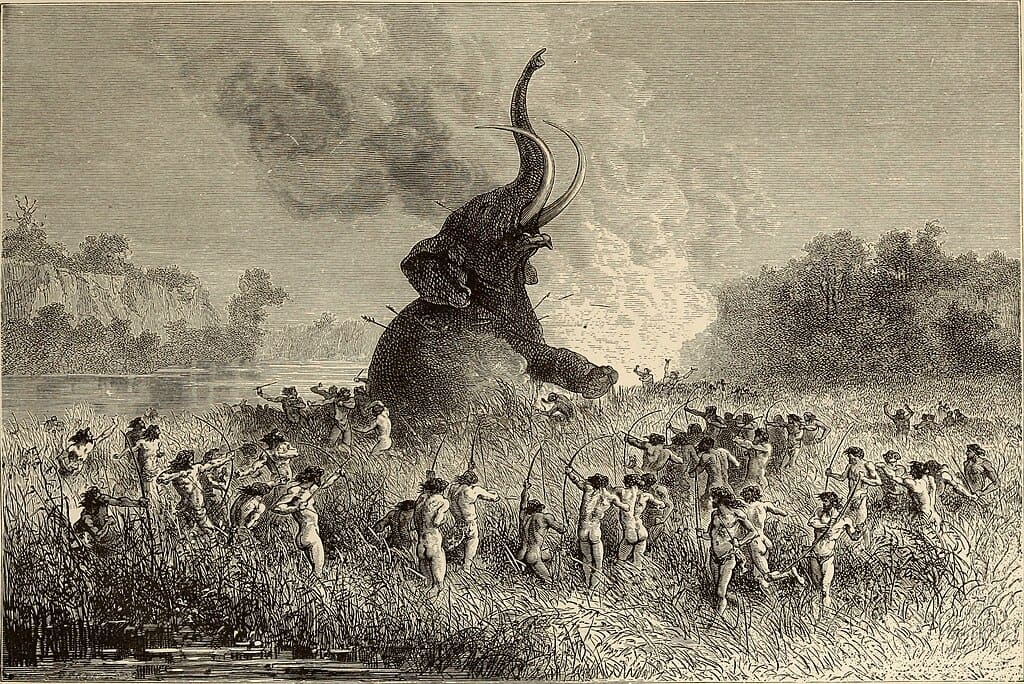
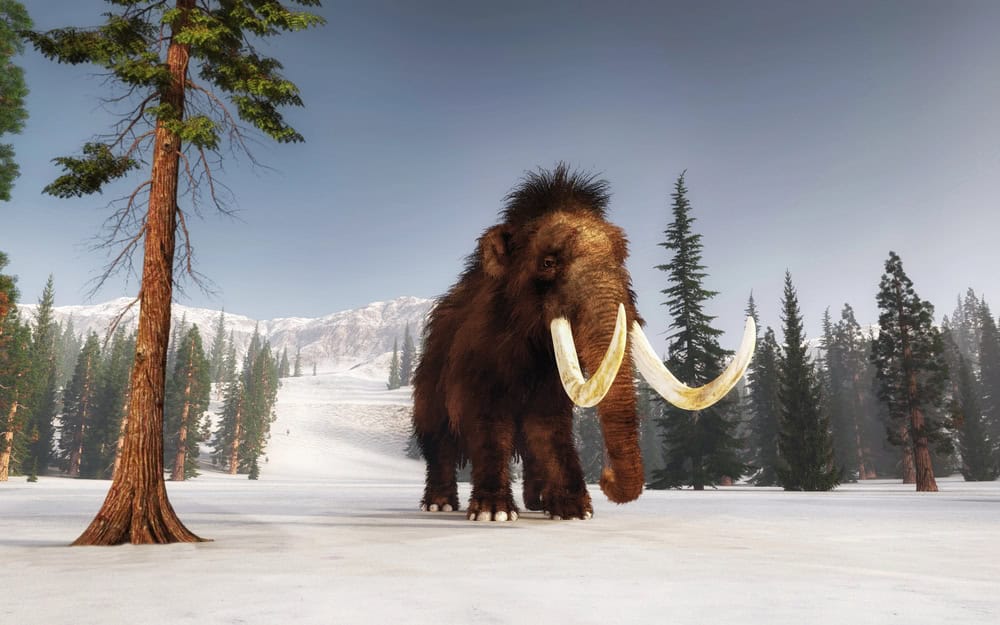
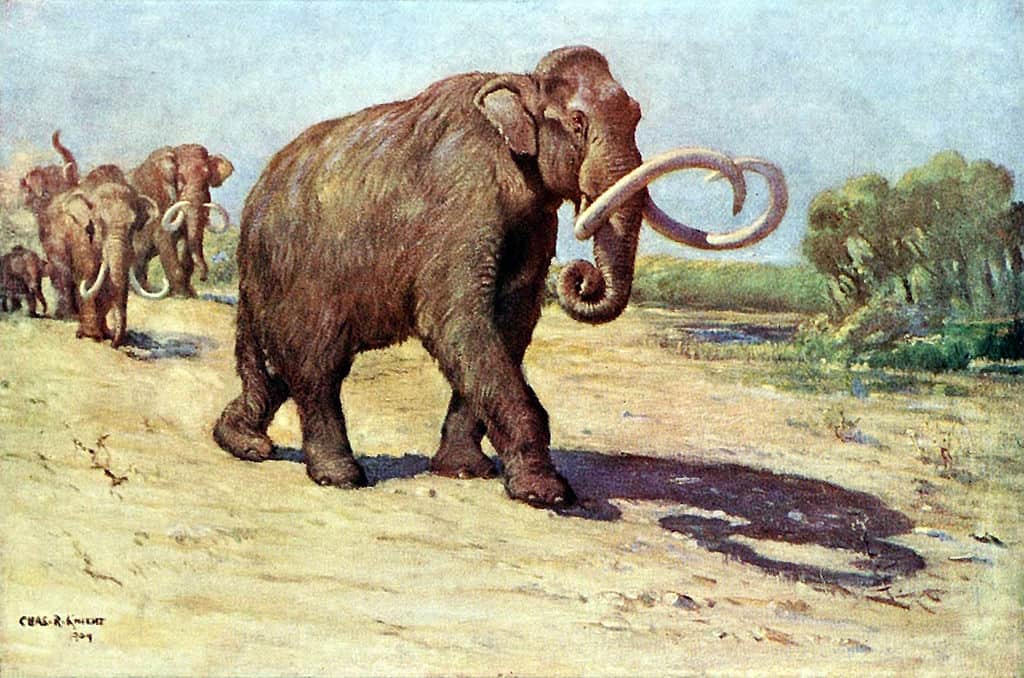
During the Ice Age, mammoths roamed extensively across northern Asia and the Americas, migrating vast distances. Their size and migratory patterns made them a dependable source of fat and protein for the highly mobile Clovis people, who specialized in hunting large megafauna.
Clovis Hunting Specialization
Researchers argue that Clovis technology and settlement patterns reflected their reliance on big game. Their large projectile points, affixed to darts, were highly efficient for hunting mammoths and other large animals. According to Professor Ben Potter of the University of Alaska Fairbanks, “This mobility aligns with what we see in Clovis technology and settlement patterns. They transported resources like toolstone over hundreds of miles.”
A Diet That Shaped Expansion
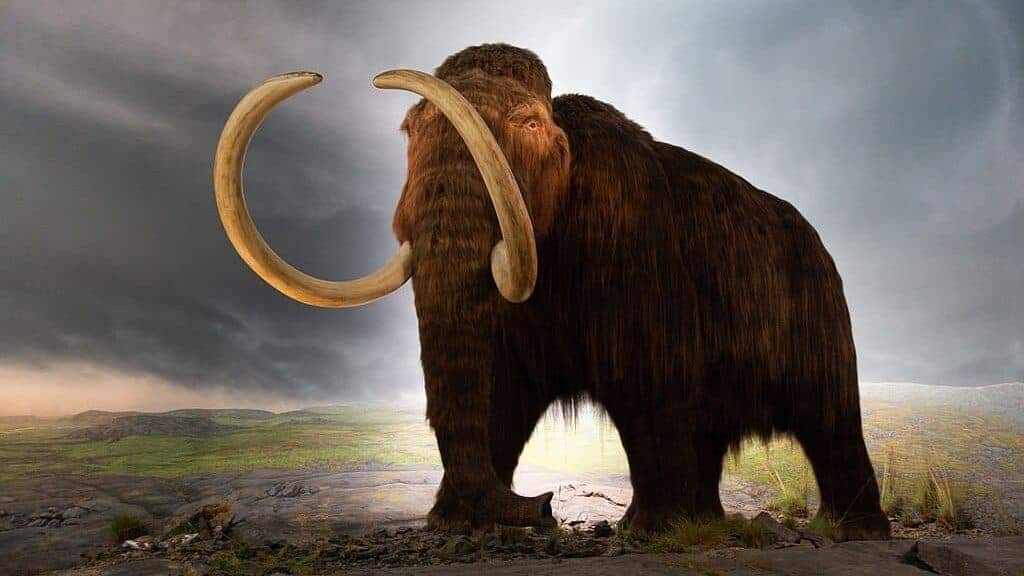
The mammoth-centered diet enabled the Clovis people to rapidly expand across North and South America within a few hundred years. Unlike localized hunting and foraging, this flexible approach allowed them to adapt to new regions without depending on smaller, region-specific game or plants.
How Mammoths Supported Mobility
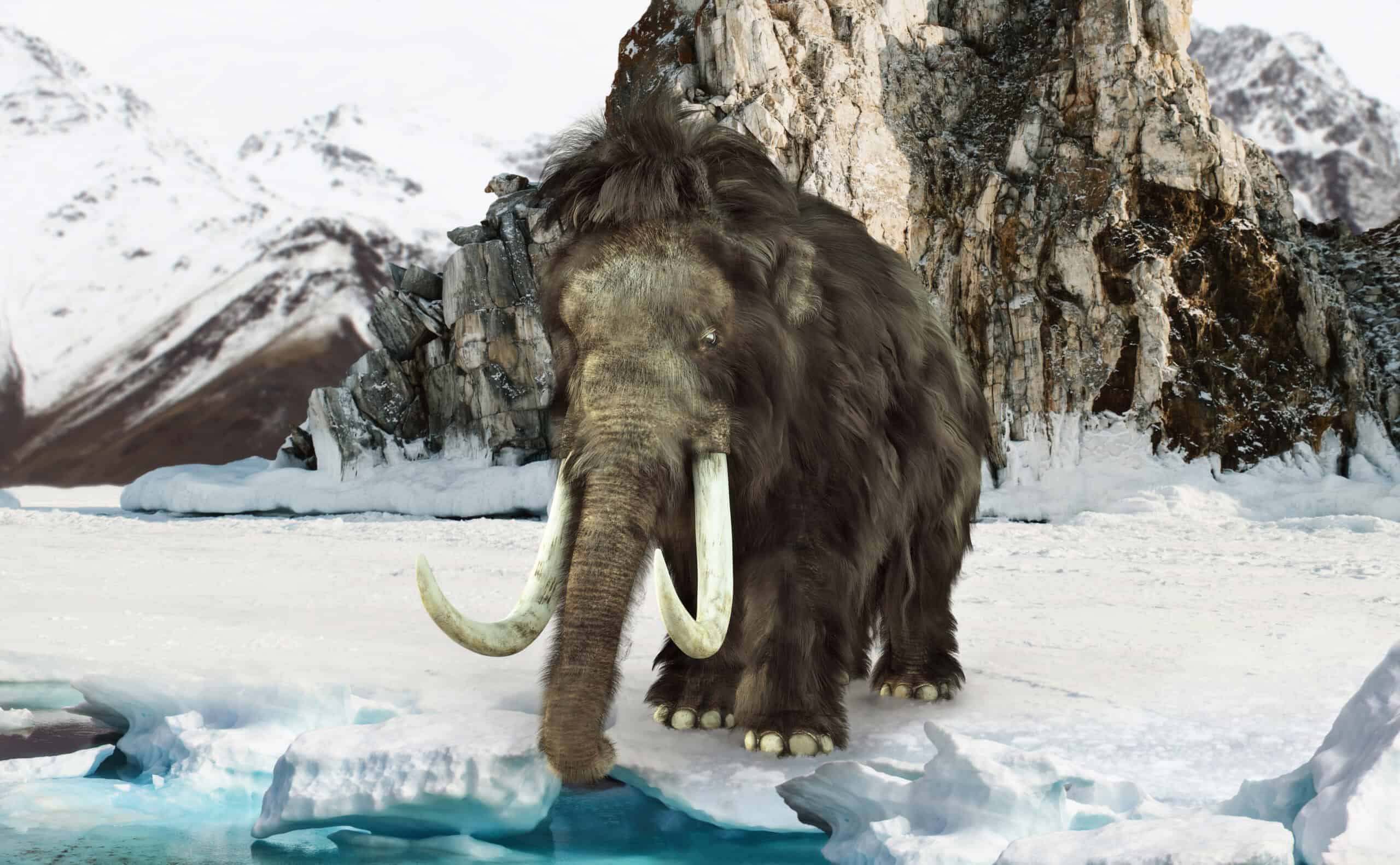
Mammoth hunting provided more than sustenance; it offered a survival strategy that allowed ancient Americans to explore and settle diverse terrains. Professor James Chatters of McMaster University noted that mammoths “helped explain how Clovis people could spread throughout North America and into South America in just a few hundred years.”
The Extinction of Megafauna
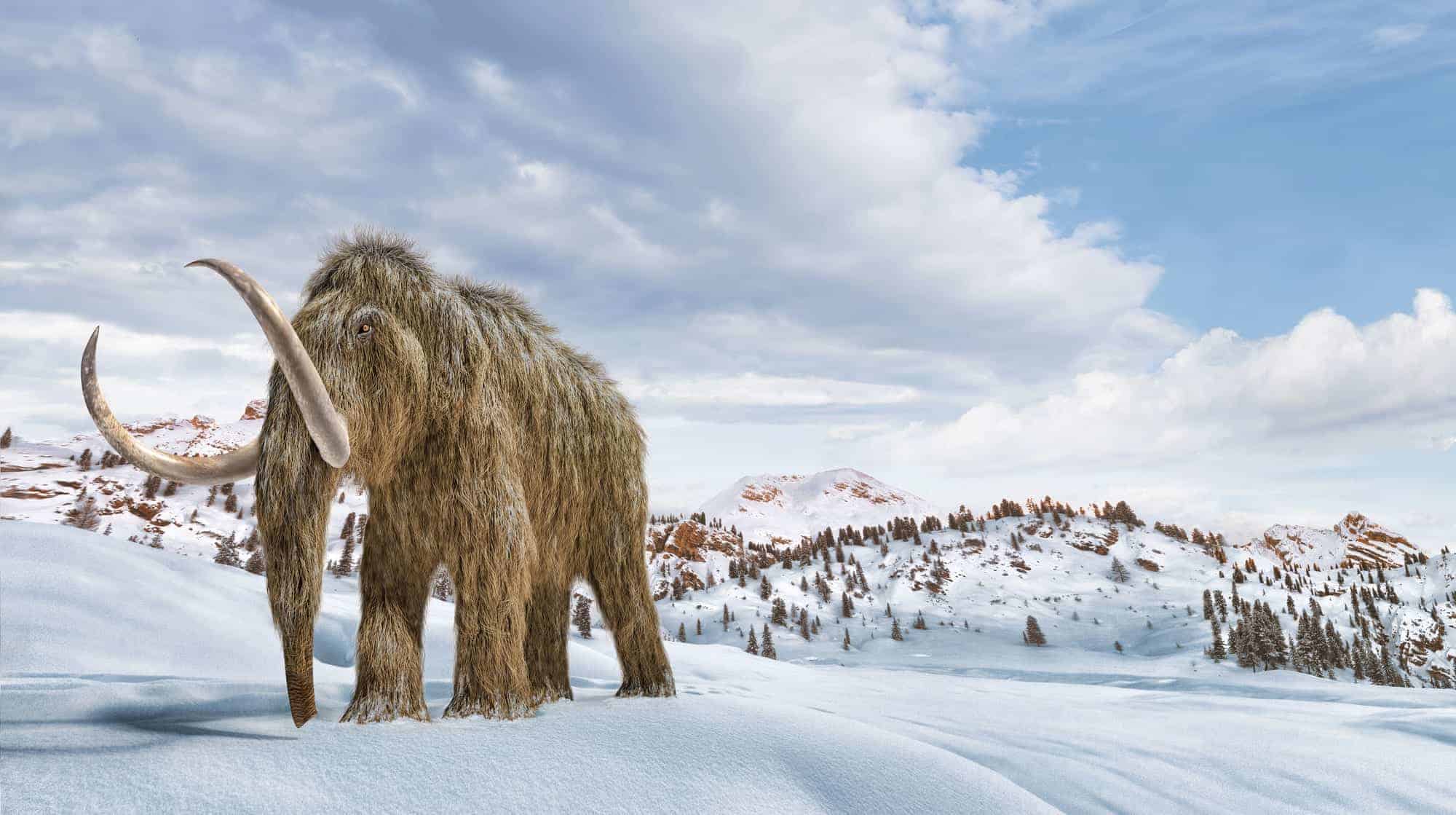
While mammoths were a vital resource, their overhunting, combined with climate change, likely contributed to their extinction. The disappearance of these megafauna marked a significant shift in the ecosystems of the Americas and in the survival strategies of human populations.
Advanced Clovis Technology

Clovis people demonstrated remarkable technological adaptability, transporting resources and refining tools over vast distances. Their innovative use of mammoth hunting highlights the sophistication of their culture and their ability to thrive in challenging environments.
Understanding Clovis Legacy

This study sheds light on the survival strategies that enabled ancient Americans to navigate the harsh Ice Age environment. It underscores the Clovis people’s pivotal role in shaping human history and provides new insights into the interconnectedness of diet, mobility, and technological advancement.
Preserving Ice Age Discoveries

The findings emphasize the importance of studying ancient burial sites and fossils to unravel the complexities of early human life. These insights deepen our understanding of humanity’s resilience and ingenuity during one of the most challenging periods in history.

For any feedback please message Feedback@animalsaroundtheglobe.com
- Scottish Folds – The Hidden Truth - July 29, 2026
- 9 Animals That Have Gone Extinct During Your Lifetime - July 29, 2026
- 7 Places in the U.S. Where You Can Legally Swim with Dolphins - July 28, 2026