


Rattlesnakes are a group of venomous snakes known for their distinctive rattle at the end of their tails, which they use as a warning signal. Found primarily in the Americas, these reptiles are members of the pit viper family and have evolved to thrive in different environments throughout the United States. Rattlesnakes play a crucial role in their ecosystems as both predators and prey, and their presence is often indicative of a healthy environment.
The Habitats of Rattlesnakes

Rattlesnakes inhabit a variety of environments, ranging from deserts and forests to grasslands and coastal areas. Each species has adapted to its specific habitat, allowing rattlesnakes to spread widely across the United States. These snakes often prefer areas with abundant cover, such as rocks, logs, and bushes, which offer protection from predators and extreme weather conditions.
Why Some States Have More Rattlesnakes

Several factors contribute to the varying populations of rattlesnakes across different states. Climatic conditions, availability of prey, and natural habitats are some of the primary reasons some states have higher rattlesnake populations. Additionally, less urban development in certain areas can contribute to larger thriving populations of these reptiles.
10 Most Rattlesnake Infested States in the U.S.

In this section, we explore the states with the highest rattlesnake populations. These states provide optimal conditions for these fascinating reptiles to thrive. As a result, residents and visitors in these areas may encounter rattlesnakes more frequently.
1. Arizona The Heart of Rattlesnake Territory

Arizona hosts the highest diversity of rattlesnake species in the United States, with 13 species calling the state home. The varied landscapes, from deserts to mountains, provide abundant habitats for these snakes. The state’s vast, undisturbed natural areas make it a haven for rattlesnakes.
2. Texas A Hotspot for Diverse Species

Texas, with its expansive land and varied environment, supports a large population of rattlesnakes. The state is home to several species, including the Western Diamondback, which is one of the most common and recognizable rattlesnakes in the United States.
3. California Rattlesnakes Among the Redwoods
California’s diverse ecosystems, from arid deserts to forested areas, provide suitable habitats for numerous rattlesnake species. The Western Rattlesnake is prevalent in the state, along with other species adapted to California’s varied climates.
4. New Mexico Land of Enchantment and Snakes

New Mexico’s terrain, consisting of desert and mountainous regions, is ideal for rattlesnakes. The state is especially known for its population of Prairie Rattlesnakes, among other species that thrive in its arid climate.
5. Nevada Rattlesnakes in the Desert Sands
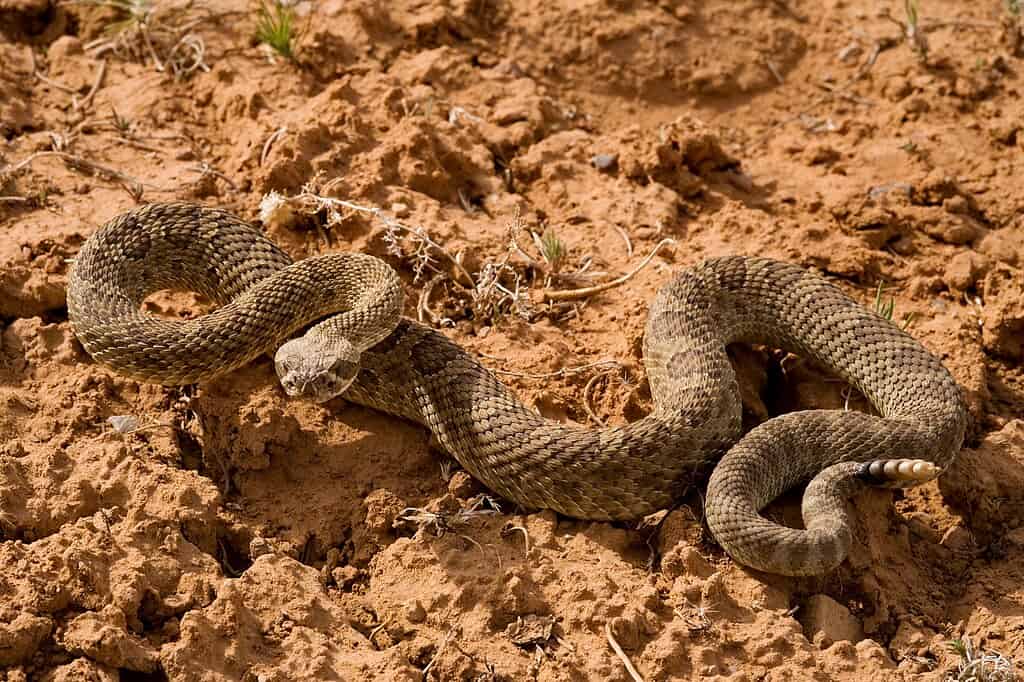
Nevada’s desert environment is perfect for rattlesnakes, particularly the Mojave Rattlesnake, known for its potent venom. The state’s remote and undisturbed desert landscapes provide a sanctuary for these desert dwellers.
6. Colorado Snakes in the Rockies

Colorado offers a mix of habitats that support various rattlesnake species, particularly in the eastern plains and foothills of the Rocky Mountains. The Western Rattlesnake is a common sight in many parts of the state.
7. Utah Home to the Great Basin Rattlesnake

Utah’s diverse habitats, including deserts, mountains, and canyons, are home to several rattlesnake species. These include the Great Basin Rattlesnake, which is commonly found in Utah’s varied terrain.
8. Oklahoma A Prairie Rattlesnake Stronghold

Oklahoma’s prairies and rolling hills offer an ideal environment for rattlesnakes, particularly the Prairie Rattlesnake. The state’s less urbanized areas allow these snakes to thrive without significant human interference.
9. Montana Snakes in the Big Sky Country
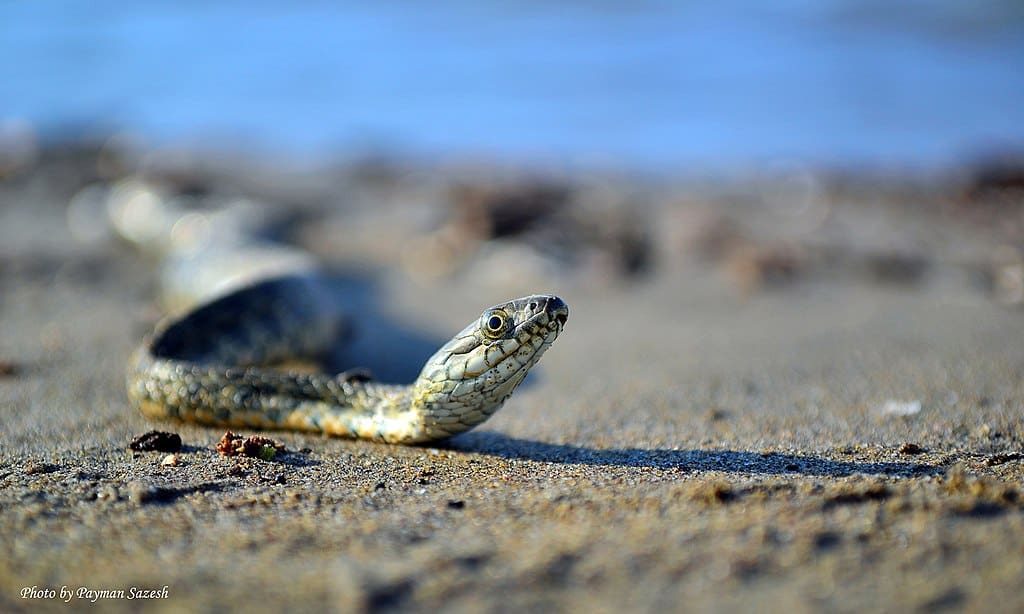
Montana’s vast open spaces and varied climate provide a suitable habitat for the state’s rattlesnake population. The Prairie Rattlesnake is the most common species, particularly in the eastern part of the state.
10. Oregon Forests and Rattlers
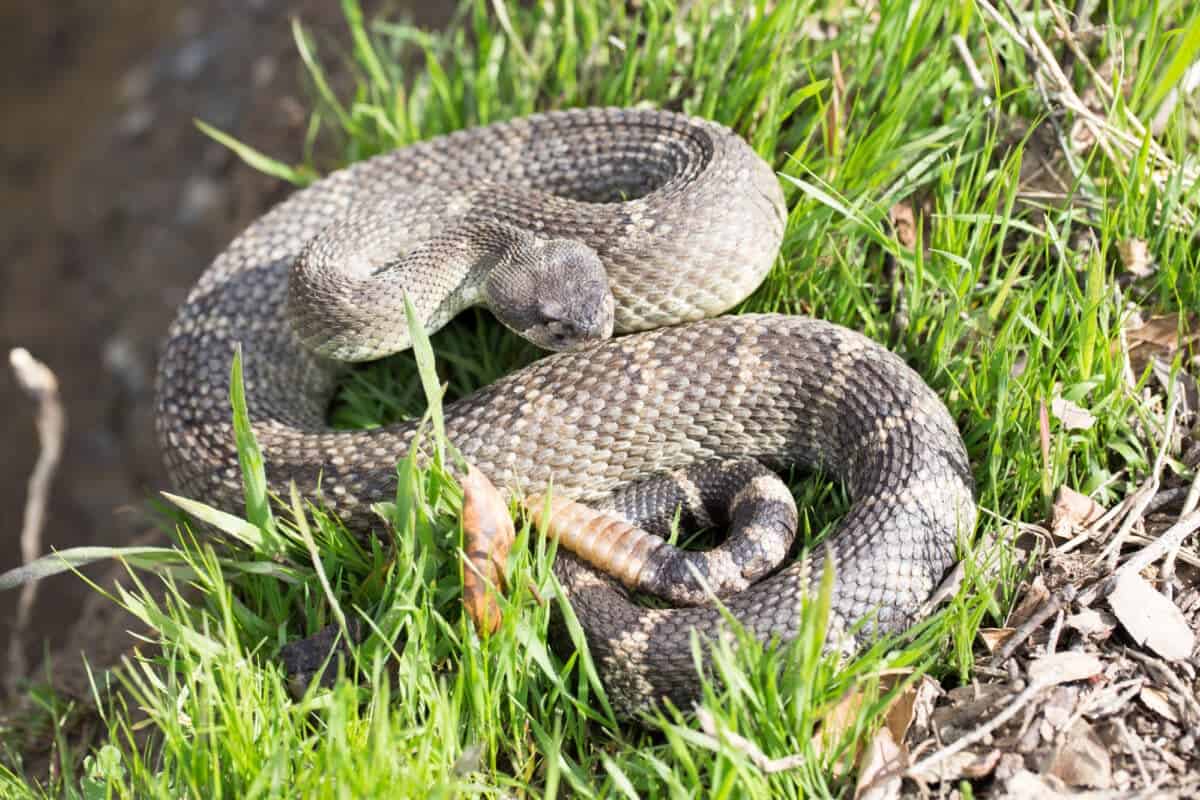
Oregon’s diverse landscape, including forests, deserts, and wetlands, supports several species of rattlesnakes. The Western Rattlesnake is widespread, benefiting from the state’s varied environments.
Living with Rattlesnakes: Safety and Conservation
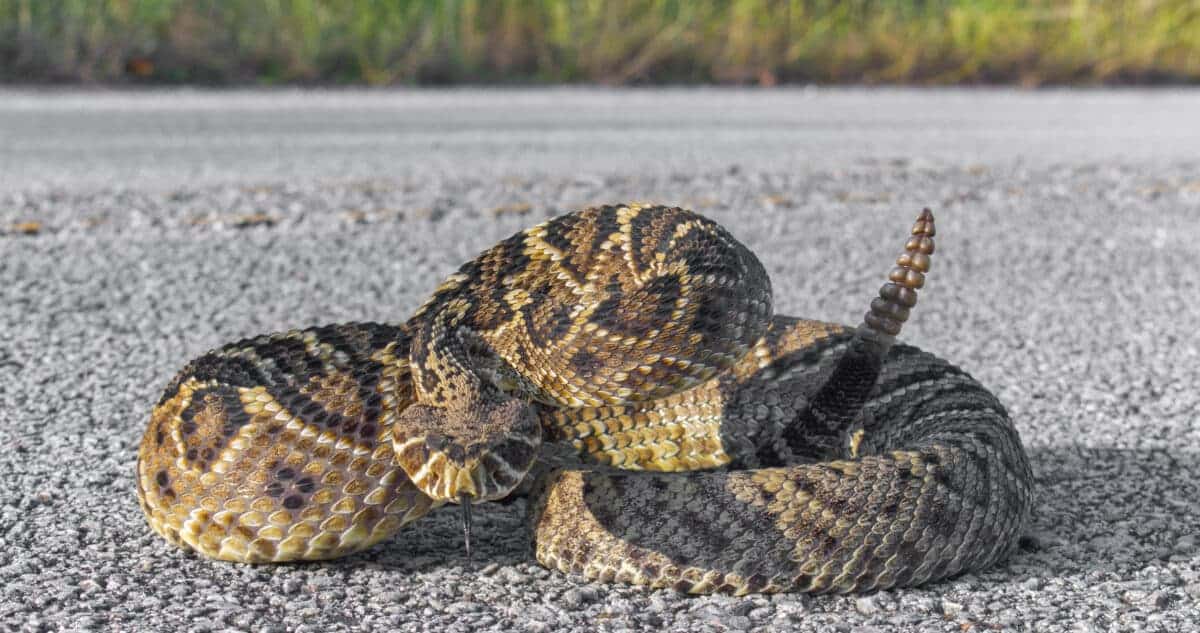
Encounters with rattlesnakes can be concerning, but understanding their behavior can help in avoiding conflicts. Rattlesnakes are generally not aggressive and prefer to avoid humans when possible. Being aware of your surroundings, especially in areas known for rattlesnake populations, is essential. Conservation efforts are also vital, as these snakes are an important part of the ecosystem, and many species are under threat due to habitat destruction and other human activities.

As a little kid, I fell in love with nature, wildlife, and animals. Living in the USA, South Africa, Italy, China and Germany gave me the opportunity to discover the world's Wildlife. My favorite animals are Mountain Gorillas, Siberian Tigers, and Great White Sharks.
I'm a certified PADI Open Water Diver, went to Everest Base Camp and Trekked Gorillas in Uganda. I hold a Master of Science in Economics and Finance.
Please send any feedback to feedback@animalsaroundtheglobe.com
- 10 Most Unique Reptiles You will See in the US - July 21, 2026
- 3 Dangerous Invasive Species the USA Must Eradicate - July 21, 2026
- 10 Things That Calm Cats And 4 That Make Them Nervous - July 21, 2026