


One of the most common gardening mistakes is overwatering plants. Many gardeners believe that more water will lead to healthier plants, but this isn’t always the case. Overwatering can drown roots, leading to root rot and, eventually, plant death. The key to avoiding this mistake is understanding the water needs of each plant species. Check the soil moisture regularly by sticking your finger an inch deep into the soil; if it feels dry, it’s time to water. Additionally, ensure that your garden or pots have proper drainage to prevent waterlogging.
Ignoring Your Soil

Soil is the foundation of any garden, yet it is often overlooked. Poor soil quality can stunt plant growth and limit yield. Before planting, test your soil to understand its pH level and nutrient profile. Amend your soil with organic matter, such as compost or well-rotted manure, to improve its structure and fertility. Regularly adding mulch can also help retain moisture, regulate temperature, and suppress weeds.
Planting Too Close Together

Many novice gardeners plant seeds and seedlings too close together in hopes of maximizing space, but this can lead to overcrowding. Plants need adequate space for roots to grow and for foliage to receive sunlight and air circulation. Crowded plants compete for resources and are more susceptible to diseases. Always refer to seed packets or plant labels for appropriate spacing recommendations.
Mishandling Pest Control
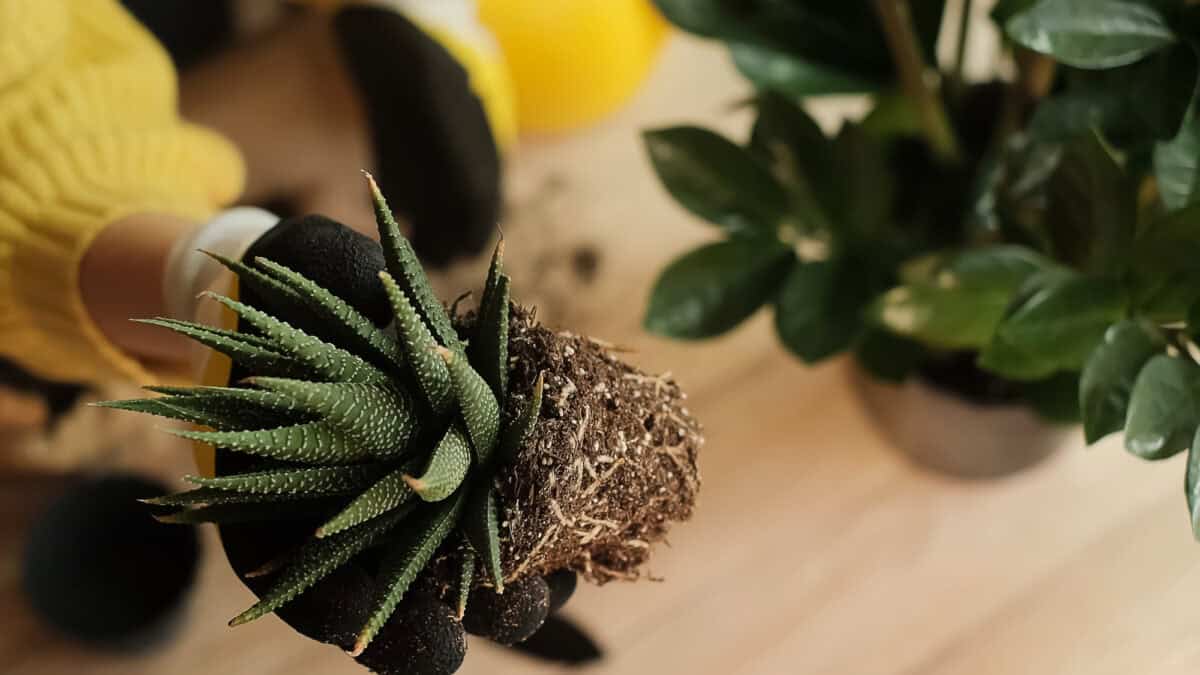
Gardening often involves battling pests, but improper pest control can do more harm than good. Overreliance on chemical pesticides can damage beneficial insects and lead to pest resistance. Instead, practice integrated pest management (IPM) by attracting natural predators, using barriers like nets, and planting pest-resistant varieties. Regularly inspect plants for signs of pests and act promptly to control infestations.
Neglecting to Rotate Crops
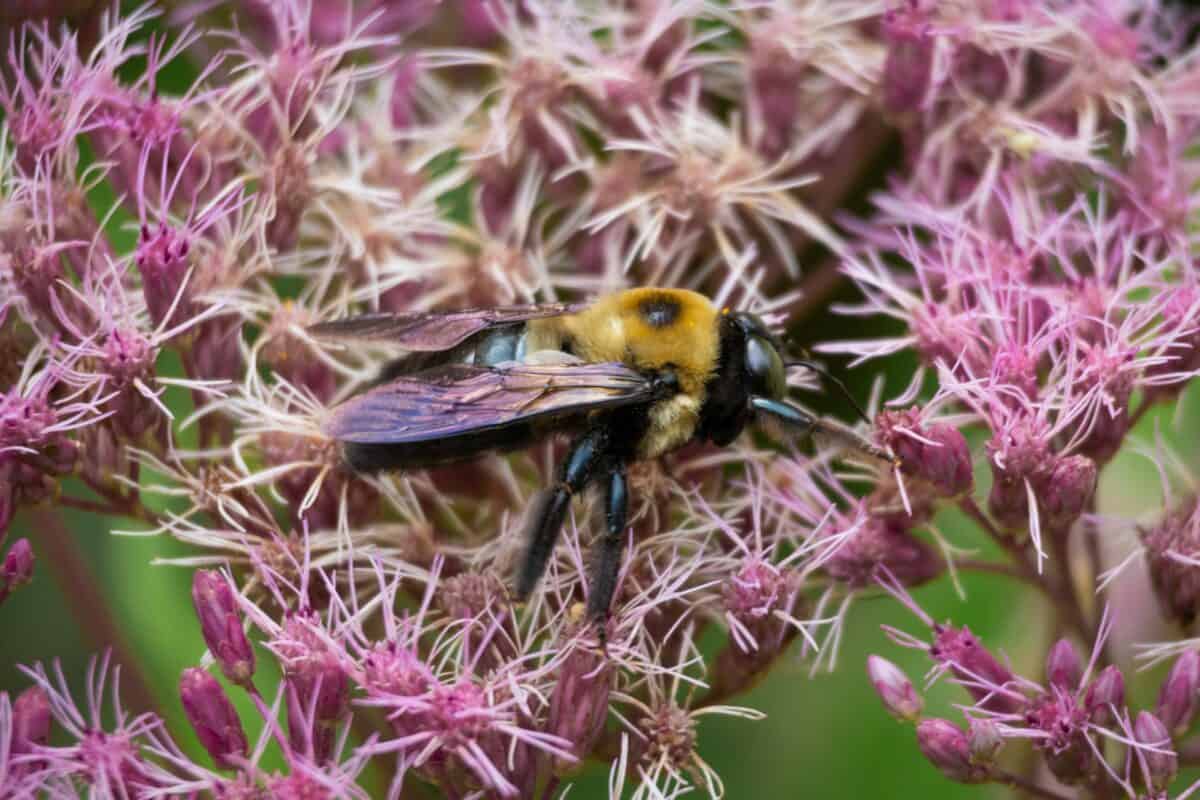
Crop rotation is essential in preventing soil depletion and reducing pest and disease build-up. Planting the same species or family of plants in the same spot every season can deplete nutrients specific to that plant, necessitating more fertilizers. Rotating crops involves changing the location of crops each year, which can improve soil health and minimize pest issues.
Improper Pruning

Pruning is crucial for plant health and productivity, but incorrect techniques can damage plants. Avoid cutting back healthy growth or pruning at the wrong time of year. Research the specific pruning needs of each plant, including the best season and method. Use sharp, clean pruning tools to make precise cuts, and remove any dead, diseased, or crossing branches.
Using the Wrong Plants for Your Climate

Many gardeners make the mistake of planting varieties not suited to their climate. Certain plants may struggle or even die if the climate is too hot, cold, wet, or dry. Choose plants based on your USDA Plant Hardiness Zone and local weather patterns. Native plants are often an excellent choice, as they are naturally adapted to the local environment.
Not Monitoring for Weeds

Weeds can quickly overtake a garden if not managed properly. They compete with your plants for water, nutrients, and light. Regularly inspect your garden and remove weeds promptly before they seed. Mulching can also help suppress weed growth by blocking sunlight from reaching the soil, thus preventing weed seed germination.
Skipping Fertilization

Fertilization is vital for plant growth, but it’s often neglected or done improperly. Different plants have varying nutritional needs, and the timing of fertilization can be crucial. Use an appropriate fertilizer based on your soil test results and the specific requirements of your plants. Over-fertilization can damage plants, so follow the recommended dosage and application schedule.
Failing to Plan
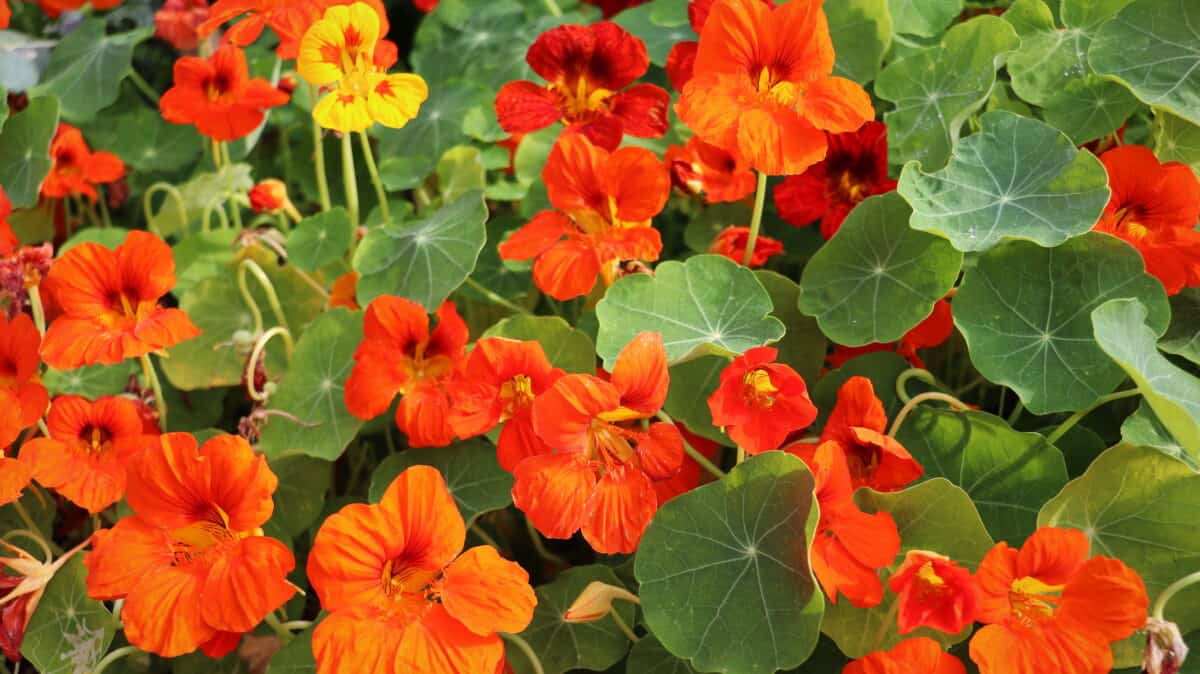
Gardens need a thoughtful layout to thrive. Failing to plan can lead to poor plant placement and overcrowding. Map out your garden before planting, considering factors such as sunlight, shade, and wind exposure. Know the mature size of your plants and how they interact with each other. Planning helps in creating a harmonious and productive garden.
By addressing these common gardening mistakes, you can create a lush, flourishing garden that not only delights the senses but also supports local wildlife and enhances biodiversity.

As a little kid, I fell in love with nature, wildlife, and animals. Living in the USA, South Africa, Italy, China and Germany gave me the opportunity to discover the world's Wildlife. My favorite animals are Mountain Gorillas, Siberian Tigers, and Great White Sharks.
I'm a certified PADI Open Water Diver, went to Everest Base Camp and Trekked Gorillas in Uganda. I hold a Master of Science in Economics and Finance.
Please send any feedback to feedback@animalsaroundtheglobe.com
- 10 Dogs That Love to Run And 3 That Prefer the Couch - July 21, 2026
- 15 Spider Adaptations That Defy Logic - July 21, 2026
- 13 Cat Breeds That Get Along with Dogs - July 20, 2026