

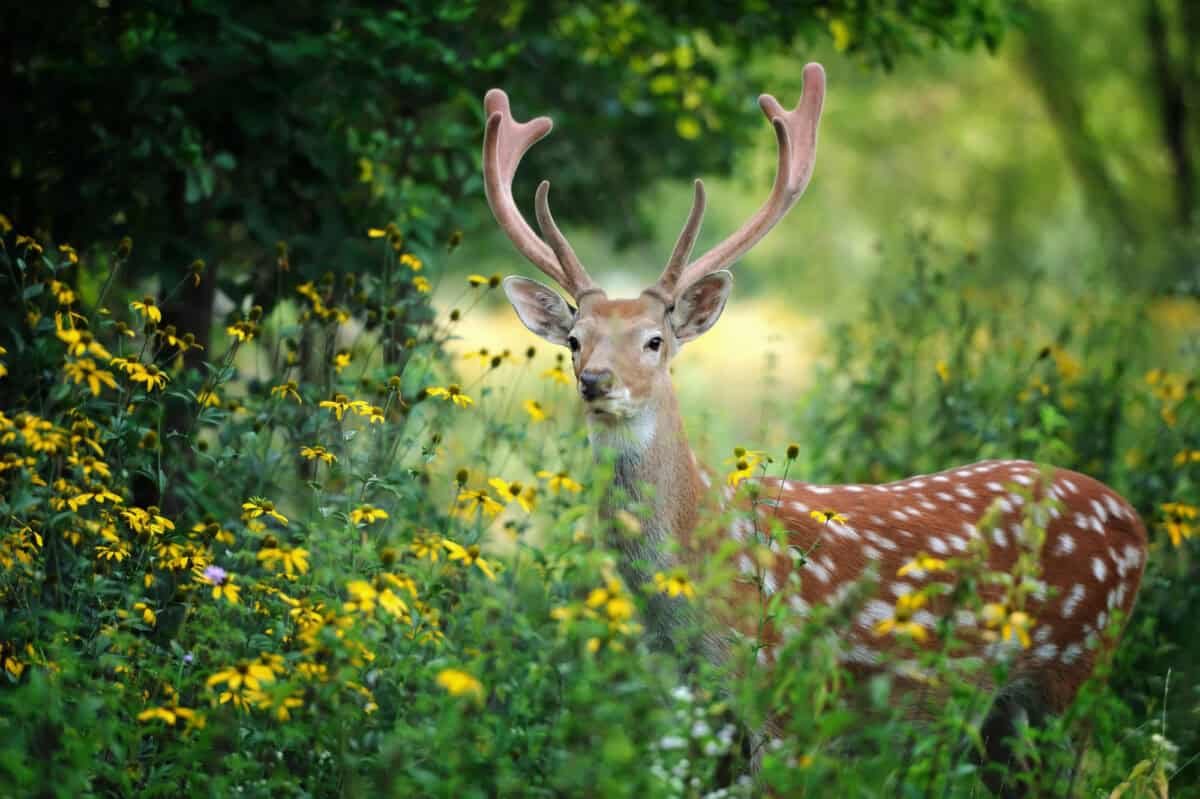
Before diving into the strategies for keeping deer out of your garden, it’s crucial to have a basic understanding of their behaviour. Deer are opportunistic feeders and can be very persistent. They are particularly drawn to gardens because of the abundance of fresh, tender vegetation, which is often more appealing than what they find in the wild. By understanding their habits and preferences, you can tailor your approach to be more effective in deterring them.
Choose Deer-Resistant Plants
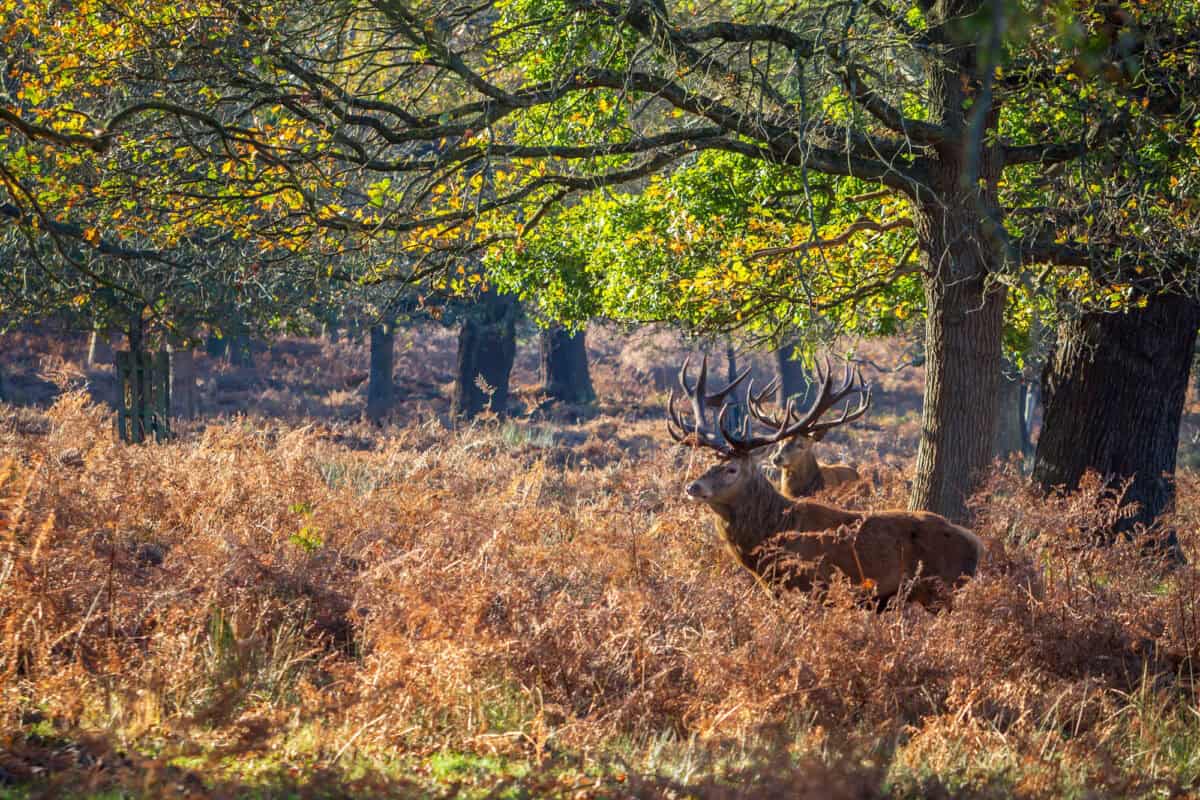
One of the most straightforward strategies is to choose plants that deer find unattractive. While no plant is entirely deer-proof, many are less appealing to them due to texture, taste, or toxicity. Consider incorporating plants such as lavender, marigolds, or foxglove. These have a strong odor or taste that deer find off-putting. Planting them around the odometer of your garden might help to deter deer from venturing further in.
Install Physical Barriers

Physical barriers like fencing can be highly effective. However, it’s important to note that deer are capable jumpers, so any fence needs to be at least eight feet tall. A solid fence is best, but if you opt for a wire fence, ensure the gaps are small enough to prevent deer from squeezing through or under. Additionally, consider slanted or double fencing designs that confuse and discourage deer from jumping over.
Employ Natural Deterrents

Several natural deterrents can be used to make your garden less appealing. Homemade solutions such as a mix of eggs and water or garlic spray can be applied to plants. The smell and taste of these solutions deter deer from feeding. Products like blood meal or commercial deer repellents can also be sprinkled or sprayed around the garden. These methods require regular reapplication, especially after rain.
Use Motion-Activated Devices

Motion-activated sprinklers or lights can be a great way to startle deer and keep them away. When a deer approaches, the sudden burst of water or flash of light will scare it off. These devices work best as part of a multi-pronged approach, combining them with other strategies to keep deer from getting habituated to a single deterrent.
Create Distractions

Providing deer with an alternative food source away from your garden may also be effective. Planting a small plot of clover or other deer-favoured plants at the periphery of your property can lure them away from your prized plants. However, this method can be a double-edged sword, as once they find food, they may be encouraged to explore further—use it with caution and monitor results.
Maintain a Clean Garden

While it may seem unrelated, maintaining a tidy garden can reduce unwanted animal visitors. Clear away fallen fruit, vegetables, or any other organic matter that may attract deer. Compost bins should be securely closed. By reducing the easy availability of food, you make your garden less enticing to deer.
Utilize Companion Planting
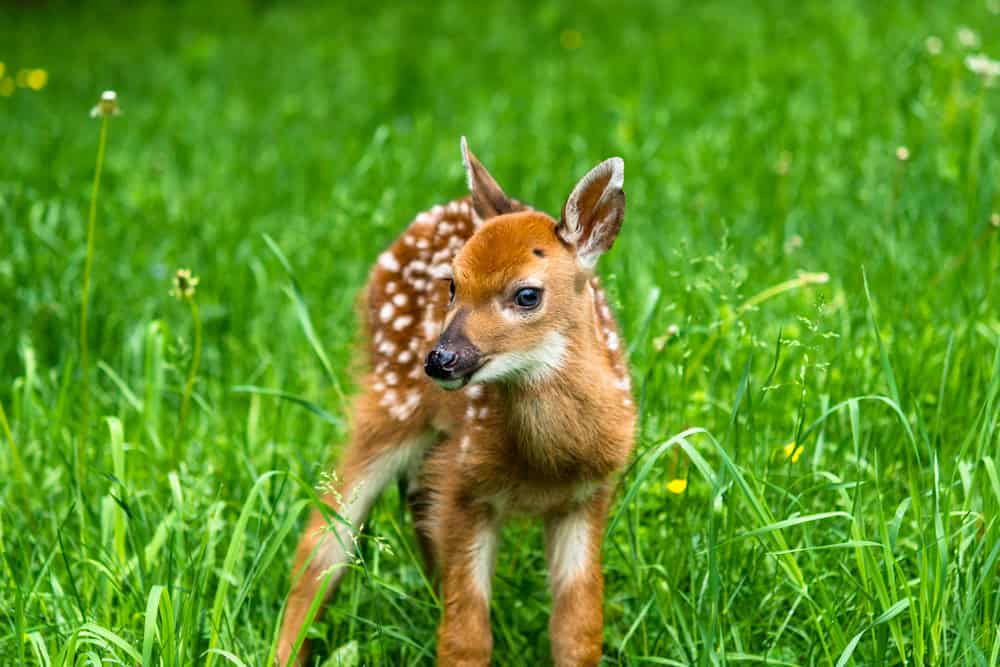
Companion planting involves strategically planting certain species together to enhance growth or repel pests. For example, placing aromatic herbs such as sage, thyme, or rosemary near plants that deer like can help mask the scent and make the overall area less appealing. This strategy, combined with others, significantly enhances its effectiveness.
Employ Scents and Sounds
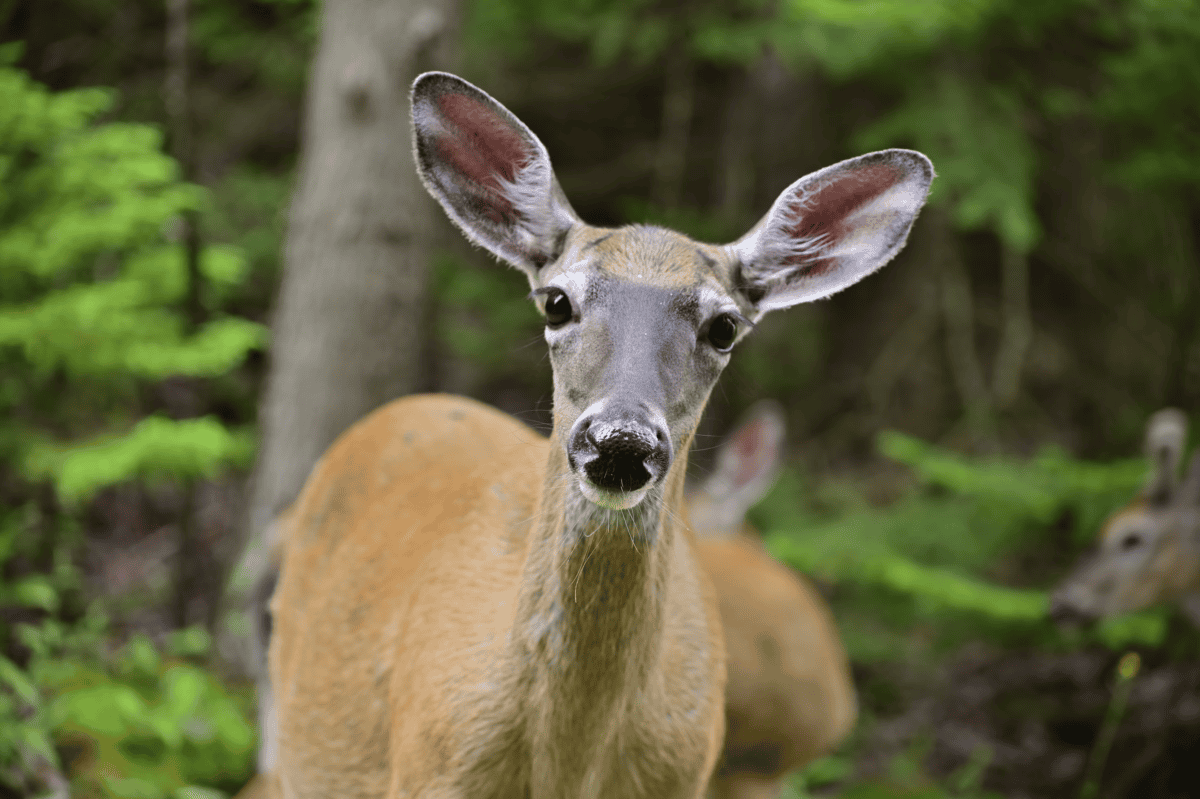
Predator scents, such as coyote or wolf urine, can be used to scare deer away. These can be purchased and strategically placed around your garden perimeter. Similarly, sound deterrents that mimic the sounds of predatory animals or use sudden noises can effectively intimidate deer, making them second-guess approaching your garden.
Community and Expert Resources

If deer continue to be a persistent problem, consider contacting local agricultural extension or gardening clubs. Often, local experts have tips specific to your area and can offer tailored advice. Community gardens might also have collective strategies that you can adapt to your garden.
Keeping deer out of your garden requires a mix of tactics, patience, and persistence. Understanding deer and tailoring your approach can help protect your plants from these voracious munchers. By employing a combination of the methods outlined above, you can enjoy a flourishing garden without constant incursions from deer.

As a little kid, I fell in love with nature, wildlife, and animals. Living in the USA, South Africa, Italy, China and Germany gave me the opportunity to discover the world's Wildlife. My favorite animals are Mountain Gorillas, Siberian Tigers, and Great White Sharks.
I'm a certified PADI Open Water Diver, went to Everest Base Camp and Trekked Gorillas in Uganda. I hold a Master of Science in Economics and Finance.
Please send any feedback to feedback@animalsaroundtheglobe.com
- 12 Heartwarming Animal Tales from Around the World That Renew Faith in Wildlife - July 21, 2026
- 10 Deadliest Spiders in the World And Where They Live - July 21, 2026
- 15 Sharks That Do Not Deserve Their Bad Reputation - July 21, 2026