

In the stillness of the night, when most creatures are resting beneath a cloak of darkness, a silent hunter prowls the skies—an owl. Known for its keen senses and mysterious demeanor, one of the most remarkable features of an owl is its ability to fly in ghostly silence. This unique adaptation enables the owl to become a master predator, vital to its survival and success in the wild. But how do owls achieve this eerie quietness in flight? This article will explore the fascinating mechanisms behind the silent flight of owls and the evolutionary advantages this trait provides.
The Anatomy of Silence: Feather Structure
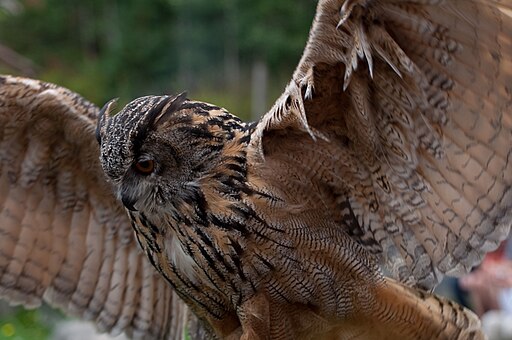
At the heart of an owl’s silent flight are its wings and feathers, which have evolved specifically to dampen sound. The structure of an owl’s feathers plays a significant role in its ability to fly unnoticed. Unlike most birds, owls have specialized feathers with a velvety texture. This texture is due to fringed edges on their primary flight feathers, which break up the turbulence that typically occurs as air rushes over a bird’s wings during flight. These fringes reduce noise by acting like a comb, smoothing the turbulent airflow into quieter currents.
Furthermore, the surface of an owl’s wings is covered in a soft layer, akin to down, which further dampens sound. This downy layer absorbs the sound frequencies generated by the eddies of air during flight, making the owl virtually silent. Additionally, the wing’s flexible structure allows for greater control over flight, reducing flapping noise, which is another source of sound in flying birds.
Soundless Gliding and Predatory Prowess
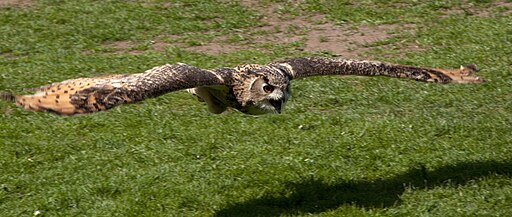
Owls are primarily nocturnal predators, relying heavily on their acute hearing to locate prey under the cover of darkness. The evolutionary benefit of silent flight is directly tied to their hunting strategy. By flying quietly, owls can approach their prey without detection, giving them a crucial advantage. This stealthy approach allows them to conserve energy while maximizing hunting success rates.
Silent flight is not solely about predation but also about evasion. Remaining undetected by other predators or territorial birds ensures an owl’s survival in competitive and often hostile environments. Thus, the silent glide of an owl serves dual purposes: an effective hunting strategy and a means of covert movement to avoid potential threats.
The Science of Sound: Why Silence Matters

Understanding the physics of sound and how it interacts with biological structures like feathers provides insight into the significance of silent flight. Noise reduction in birds is primarily an evolutionary response to the need for stealth. Sound waves generated by a bird in flight are typically a by-product of air smoothing over a wing’s surface, leading to turbulence and noise. By reducing these disturbances, owls have adapted to produce minimal sound, manipulating both the structure and texture of their feathers to engineer a biological marvel.
The silent flight of an owl is particularly fascinating from a biological and acoustic engineering standpoint. Engineers and scientists study owl feathers and flight patterns to develop quieter machinery and technology, such as noise-reducing blades for wind turbines and fans, demonstrating how nature can inspire human innovation.
Conclusion: Nature’s Master of Stealth
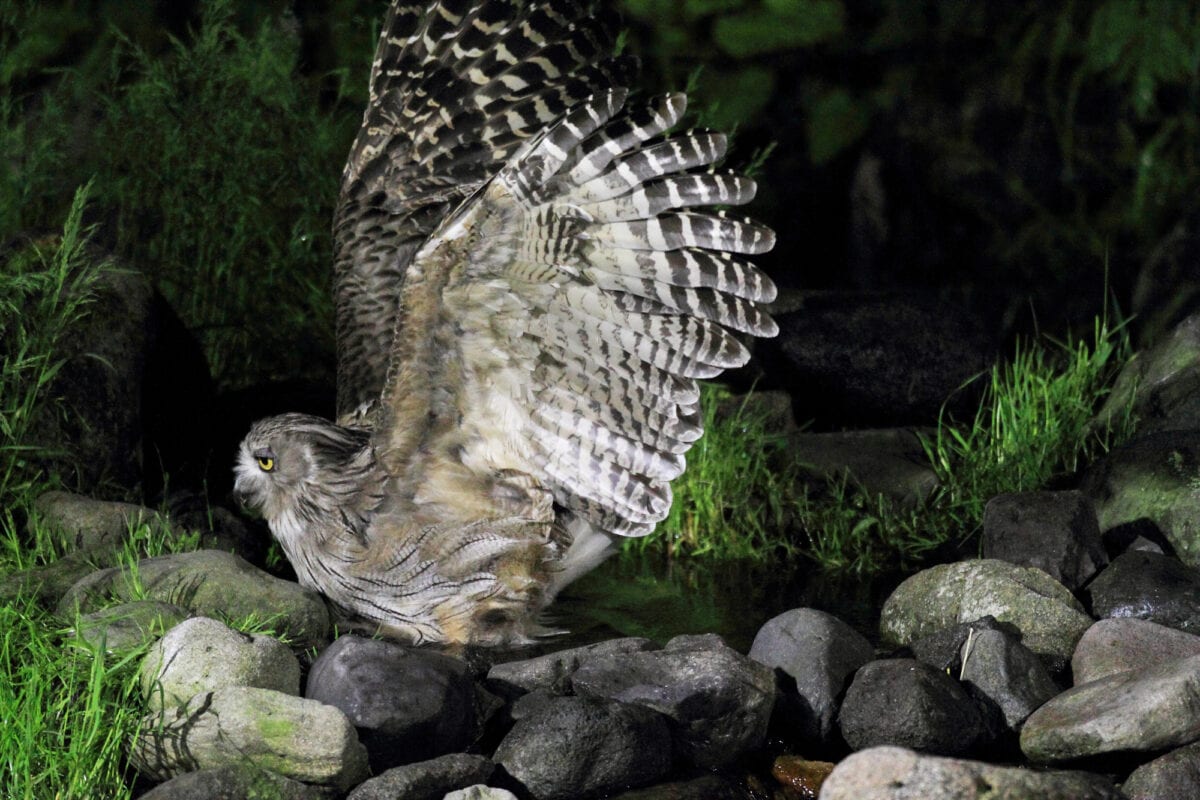
The ghostly silence of the owl in flight is a testament to the power of evolutionary adaptation, showcasing the sophisticated interplay of biology and physics. By mastering the art of silence, owls have secured their position as efficient and elusive nocturnal predators. This remarkable ability not only captivates the imagination but also serves as a reminder of the intricacies of nature and the wonders it holds. For those intrigued by the secrets of the animal kingdom, the owl stands as a mysterious and silent symbol of evolution’s ingenuity.

- The Largest Bobcat Ever Spotted in U.S. Woods - July 15, 2026
- The Most Lethal Barracuda Attack Ever Recorded in America - July 14, 2026
- Camels Can Survive for Weeks Without Water, But It’s Not Just Stored in Their Humps - July 14, 2026