
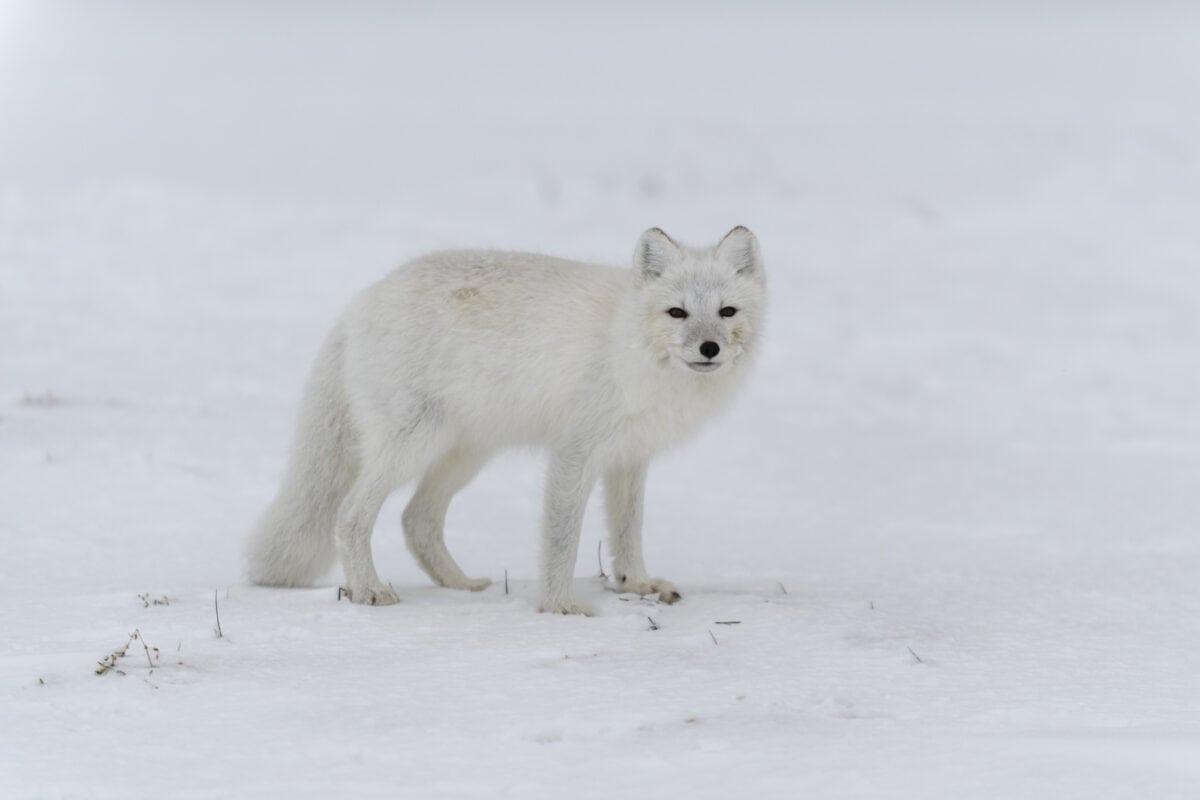
The Arctic is synonymous with extreme cold, yet even its native inhabitants are challenged by sudden temperature drops, or cold snaps. These events often occur when frigid air from higher latitudes moves southwards, causing a sharp decrease in temperature. Such conditions, though relatively common in the Arctic, can impose significant stress on both the environment and its denizens.
Physiological Challenges for Arctic Animals
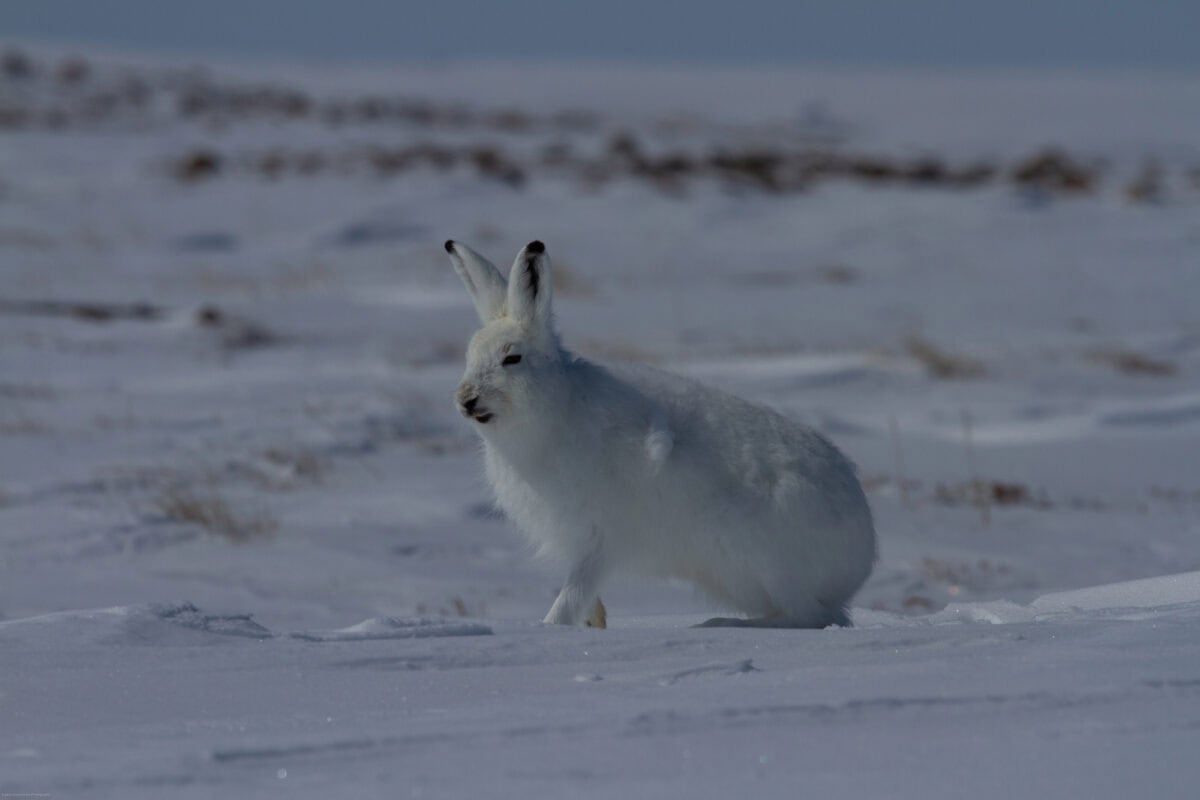
Arctic animals possess remarkable adaptations to survive chilly climates, but even they must exert extra effort during cold snaps. The sudden drop in temperature can affect physiological processes, such as metabolism. Many animals, like caribou and Arctic hares, rely on increased metabolic rates during such times to generate more body heat, which demands a greater intake of food energy.
Impact on Food Availability
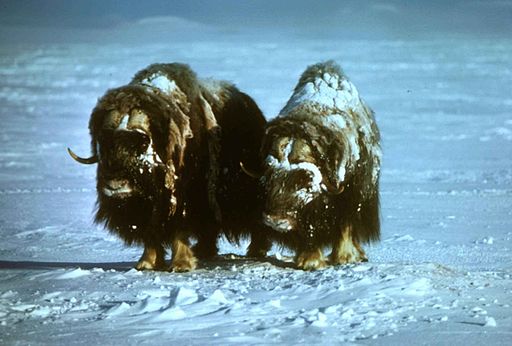
One of the most severe impacts cold snaps have on Arctic wildlife is the reduction in food availability. When temperatures plummet, the snow cover can thicken, burying vital food sources. For herbivores like musk oxen, this means expending more energy digging through snow to forage. Similarly, predators such as Arctic foxes find it harder to locate prey, contributing to food scarcity and energy depletion.
Behavioral Adjustments to Survive the Chill

To endure these harsh spells, Arctic animals must often alter their behavior. Some species, like polar bears, may reduce their activity levels to conserve energy. Others, like the Arctic ground squirrel, take refuge in burrows and depend on brown adipose tissue—a specialized fat—to keep warm through thermogenesis, an internal heat production process.
Social Cooperation as a Survival Strategy
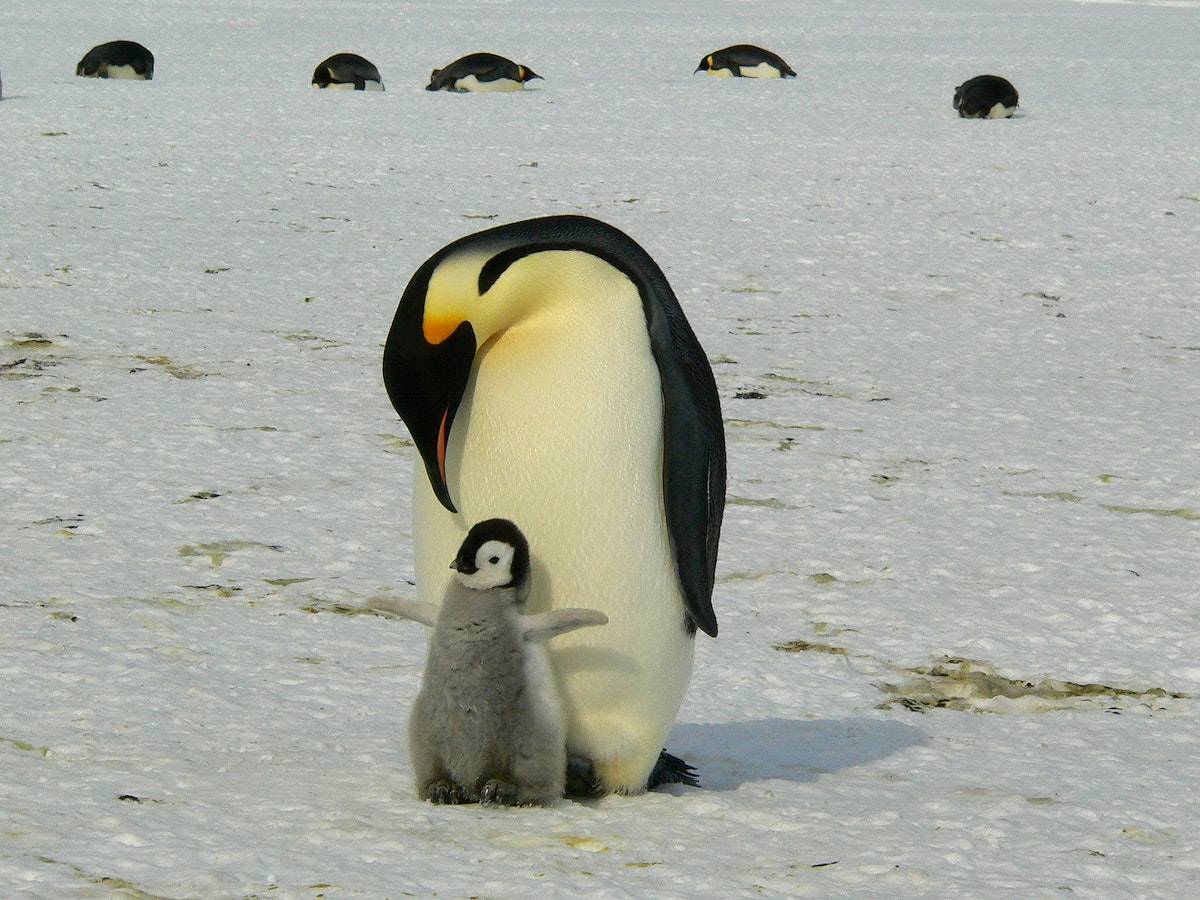
Cold snaps often foster increased social behavior among Arctic animals. For instance, Emperor penguins huddle together to share warmth and minimize heat loss in the face of freezing winds. Musk oxen form protective circles, with the younger, more vulnerable members shielded from the cold by the adults. Such communal efforts are vital for increasing individual survival rates during extreme conditions.
Long-Term Effects and Adaptation
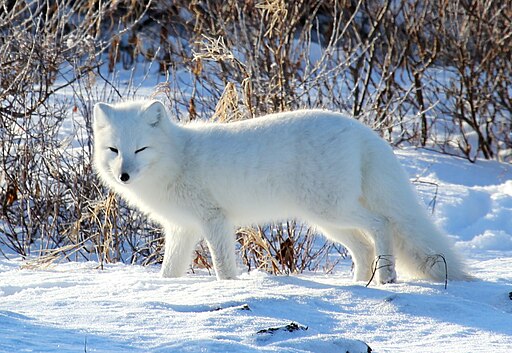
While Arctic animals are highly resilient, recurrent cold snaps can have long-term consequences, affecting reproductive success and population dynamics. Continued exposure to extreme cold can weaken immune systems, making animals more susceptible to diseases. Over time, these pressures can lead to evolutionary changes as species adapt to persistent and severe cold conditions.
Human Influence and Climate Interplay
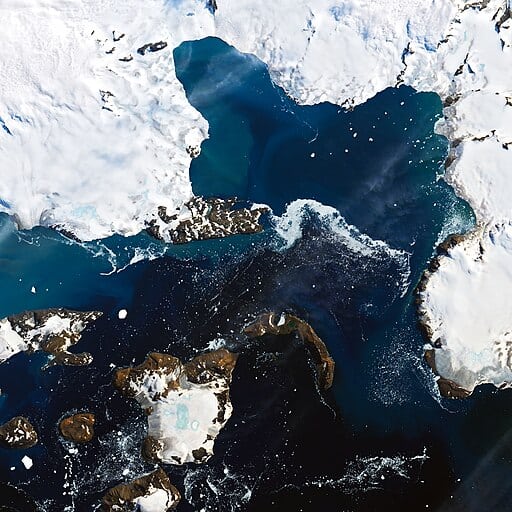
The frequency and intensity of cold snaps may be influenced by human activities impacting global weather patterns. Climate change, generally resulting in warmer Arctic temperatures, can paradoxically contribute to extreme weather events, including cold snaps. Understanding these dynamics is crucial for predicting how Arctic ecosystems will respond over time and for developing effective conservation strategies.
Conclusion: Resilience Amidst Adversity
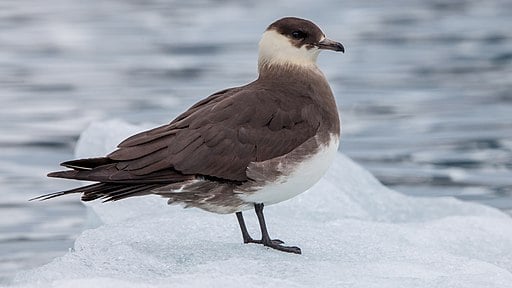
Cold snaps pose significant challenges to Arctic animals, testing their hardiness and adaptability. Through a combination of physiological, behavioral, and social strategies, these creatures manage to endure and even thrive in one of Earth’s harshest climates. As climate patterns continue to evolve, ongoing research will be essential to understanding and supporting the resilience of Arctic wildlife.

- The Most Powerful Earthquake Ever Felt in the U.S. - July 19, 2026
- How Rhinoceros Males Compete for Mating Rights in the Wild - July 18, 2026
- 13 Spider Species Thriving in Changing Environments - July 18, 2026