

The Giant Ground Sloth, a name conjuring images of a prehistoric behemoth lumbering across ancient landscapes, belongs to a group of extinct mammals from the superorder Xenarthra. This enigmatic creature, reaching colossal dimensions unknown to modern sloths, held sway during the Pleistocene epoch. The Giant Ground Sloth’s story is one of adaptation, survival, and eventual extinction, offering a fascinating glimpse into life millions of years ago.
Anatomy and Physical Characteristics

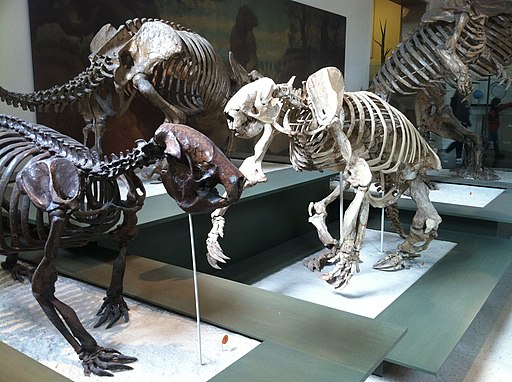
Unlike their arboreal relatives, the Giant Ground Sloths were titans of the terrestrial world. The largest, Megatherium, could weigh up to four tons and stretch 20 feet from head to tail. Their massive bodies were supported by powerful limbs, each ending in enormous curved claws, which were likely used for foraging and self-defense. Additionally, their rigid spine and robust skeletal structure supported an immense torso, adapted for a unique lifestyle that involved both ground-dwelling and occasional upright posturing.
Diet and Feeding Habits

The Giant Ground Sloth was primarily a herbivore. Their diet consisted mainly of leaves, fruits, and branches, making them crucial players in their ecosystems by influencing vegetation patterns. Their large size and digestive adaptations have led scientists to suggest that their diet was similar to that of modern elephants, capable of digesting tough plant material. The sloths’ specialized cheek teeth were suited for grinding fibrous vegetation, indicating a grazing and browsing lifestyle.
Habitats and Geographical Range

These prehistoric giants roamed vast territories that stretched across the Americas. Fossil evidence indicates their presence from North America down through Central and into South America. They adapted to various environments, from dense forests to open plains, demonstrating remarkable ecological flexibility. Their ability to thrive in diverse habitats speaks to their evolutionary success during the Ice Age.
Social Behavior and Reproduction
While specific details of the Giant Ground Sloth’s social structure remain elusive, it is believed that they, much like modern large terrestrial herbivores, may have had solitary lifestyles or functioned within small family groups. Reproductive behaviors are largely speculative, but, like many large mammals, they likely had extended gestation periods and limited offspring, necessitating parental investment in young to ensure survival.
Extinction: A Mysterious Demise
The extinction of the Giant Ground Sloth, like many Pleistocene megafauna, remains a topic of considerable debate among scientists. Predation pressure from human hunters, known as the overkill hypothesis, suggests that early humans played a significant role in their extinction. Conversely, others argue that climate change, habitat loss, and shifting ecosystems at the end of the Ice Age created conditions that were inhospitable to large mammals dependent on particular vegetation.
Legacy and Scientific Significance
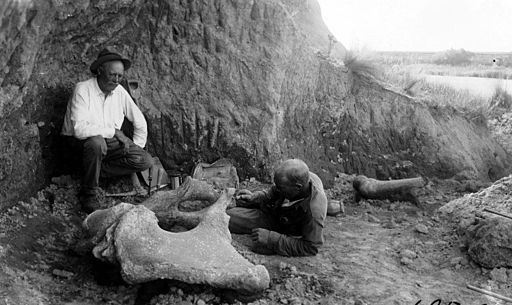
The legacy of the Giant Ground Sloth persists through its substantial contribution to understanding evolutionary biology and palaeoecology. Fossil discoveries continue to provide insights into the Ice Age ecosystems and the complex interactions among prehistoric species. The study of these massive creatures helps illuminate the dangers posed by climate shifts and anthropogenic pressures, offering lessons crucial to the conservation of modern biodiversity.
Conclusion: Echoes of a Giant Past

While the Giant Ground Sloth no longer roams the Earth, its story lays the groundwork for a deeper understanding of our planet’s history. Through fossils and scientific exploration, we piece together the life of these magnificent creatures, gaining insight into the dynamics of prehistoric ecosystems. The Giant Ground Sloth exemplifies nature’s precarious balance and reminds us of the intricate web of life that sustains our world.

- How Black Bears Are Making a Comeback in the Appalachian Mountains - June 30, 2026
- The Most Dangerous Trails in America’s National Parks - June 30, 2026
- Are Piranhas as Dangerous as Hollywood Makes Them Seem? - June 30, 2026