

America’s national parks are renowned for their breathtaking vistas, diverse ecosystems, and the invigorating experiences they offer outdoor enthusiasts. However, some trails within these parks are not for the faint of heart. Known for their challenging terrains, unpredictable weather conditions, and other natural hazards, these trails attract adventurers seeking adrenaline-packed experiences. Whether you’re an avid hiker or a curious beginner, understanding the nature of these perilous paths is crucial for a safe and memorable journey. In this article, we will delve into the most dangerous trails in America’s national parks, highlighting the unique risks and rewards each one presents.
Understanding Trail Difficulty

Before delving into specific trails, it’s important to grasp what makes a trail dangerous. Ranging from steep inclines to loose gravel, trail difficulty can be due to several factors. Weather conditions, wildlife encounters, and remote locations all contribute to the danger. Hikers should always prepare adequately, carrying the necessary equipment and researching trail conditions beforehand.
Angels Landing, Zion National Park
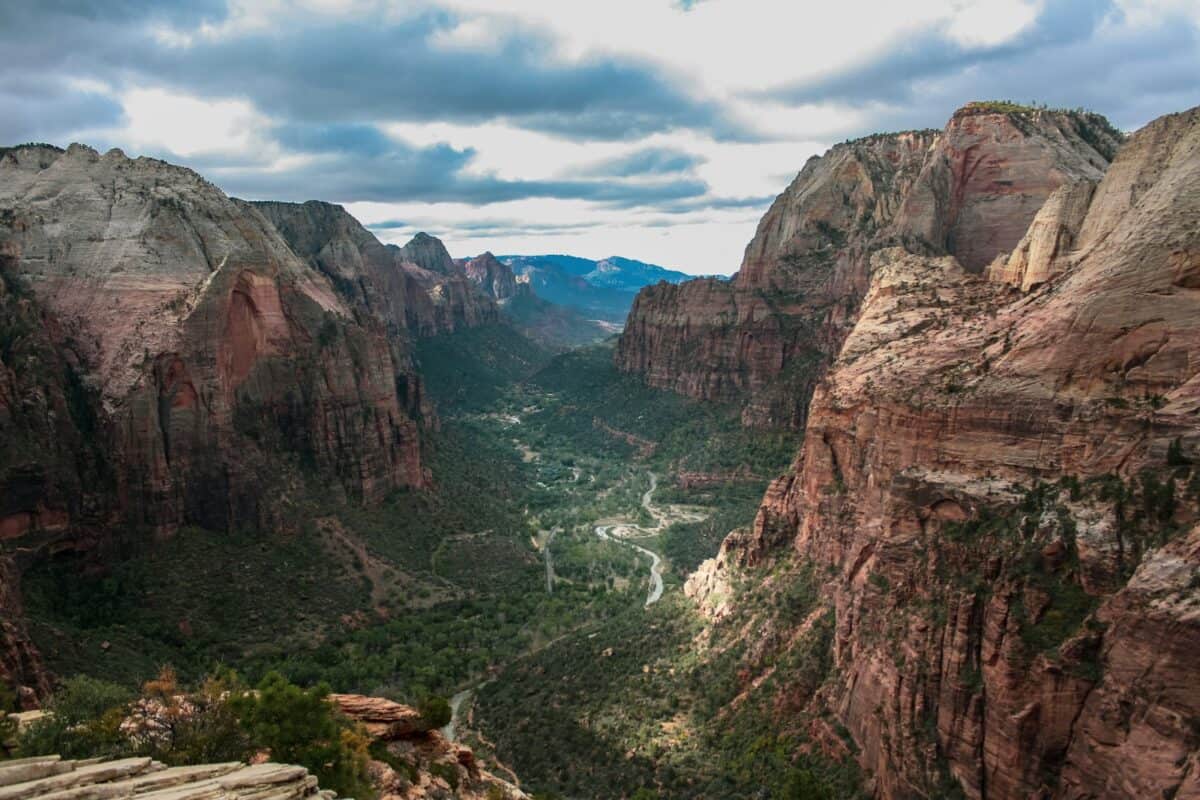
Angels Landing is famous for its heart-stopping heights and narrow paths. Located in Utah’s Zion National Park, this trail is not long, stretching just 5.4 miles round trip, but it’s the final ascent along a precarious ridge that makes it so perilous. Chains bolted into the rock assist hikers as they navigate the knife-edge cliff, which drops off sharply on either side. The views from the top are awe-inspiring, if you can stomach the journey.
The Maze, Canyonlands National Park

For those truly seeking isolation and a test of navigation skills, The Maze in Canyonlands National Park, Utah, offers exactly that. Known for confusing pathways and difficult terrain, this less-traveled area requires careful planning. Accessibility is challenging; visitors often need a high-clearance, four-wheel-drive vehicle just to reach the trailhead. Water sources are scarce, and rescue operations are complicated due to its remoteness.
Half Dome, Yosemite National Park
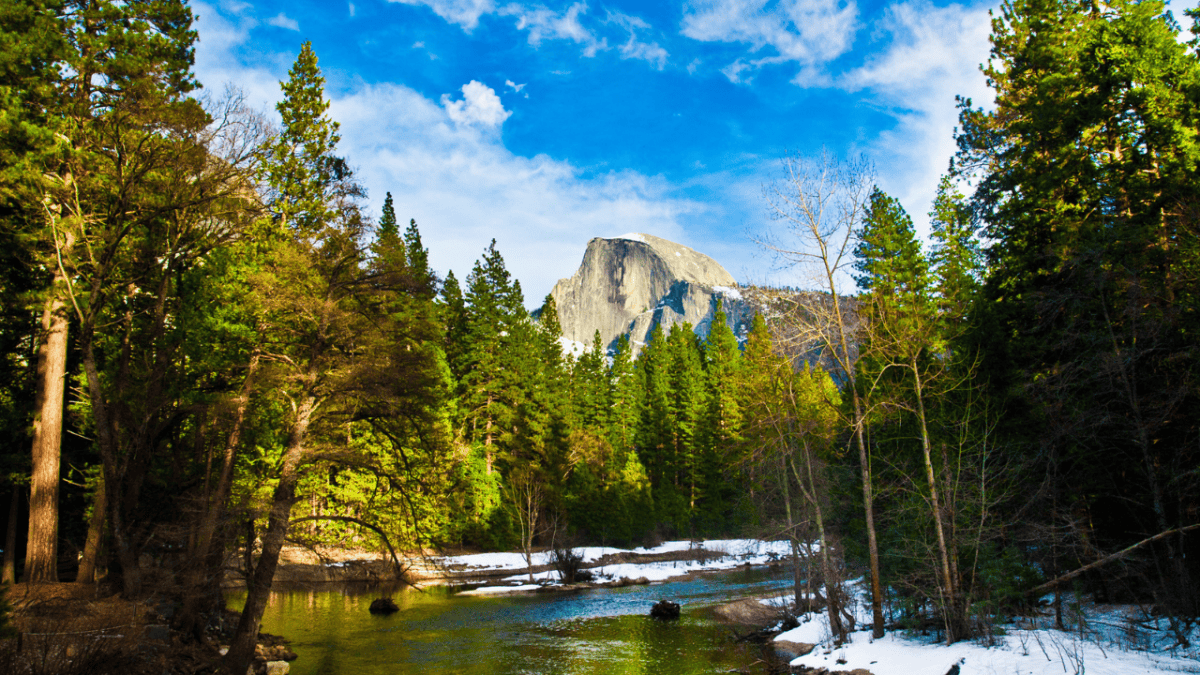
Yosemite’s Half Dome hike attracts thousands, but it requires both physical endurance and mental fortitude. Spanning over 14 miles with a 4,800-foot elevation gain, it’s a demanding trek. The final section involves climbing steep granite steps with only a cable system to aid climbers. Weather can make the rock slippery, adding to the danger. Permits are necessary, limiting the number of hikers and ensuring a more controlled environment.
Mount Katahdin, Baxter State Park

Mount Katahdin towers prominently in Maine, serving as the northern terminus of the Appalachian Trail. Renowned for its unpredictable weather, including sudden snowstorms, hikers must be prepared for rapid changes in conditions. The Knife Edge Trail, a particularly narrow section with steep drops, requires nerves of steel. The view from the summit, however, offers a magnificent reward to those who make the climb.
Kalalau Trail, Napali Coast State Park

The Kalalau Trail in Hawaii offers a surreal experience along Kauai’s breathtaking Napali Coast. This trail is grueling, spanning 11 miles one-way, crossing lush valleys and rugged cliffs. Flash floods are a real threat, and stream crossings can become hazardous after rain. The combination of steep, slippery paths and the sheer drops into the ocean below elevate the risks. The pristine beaches at the end are a paradise for those who venture cautiously.
Grand Teton’s Paintbrush-Cascade Loop
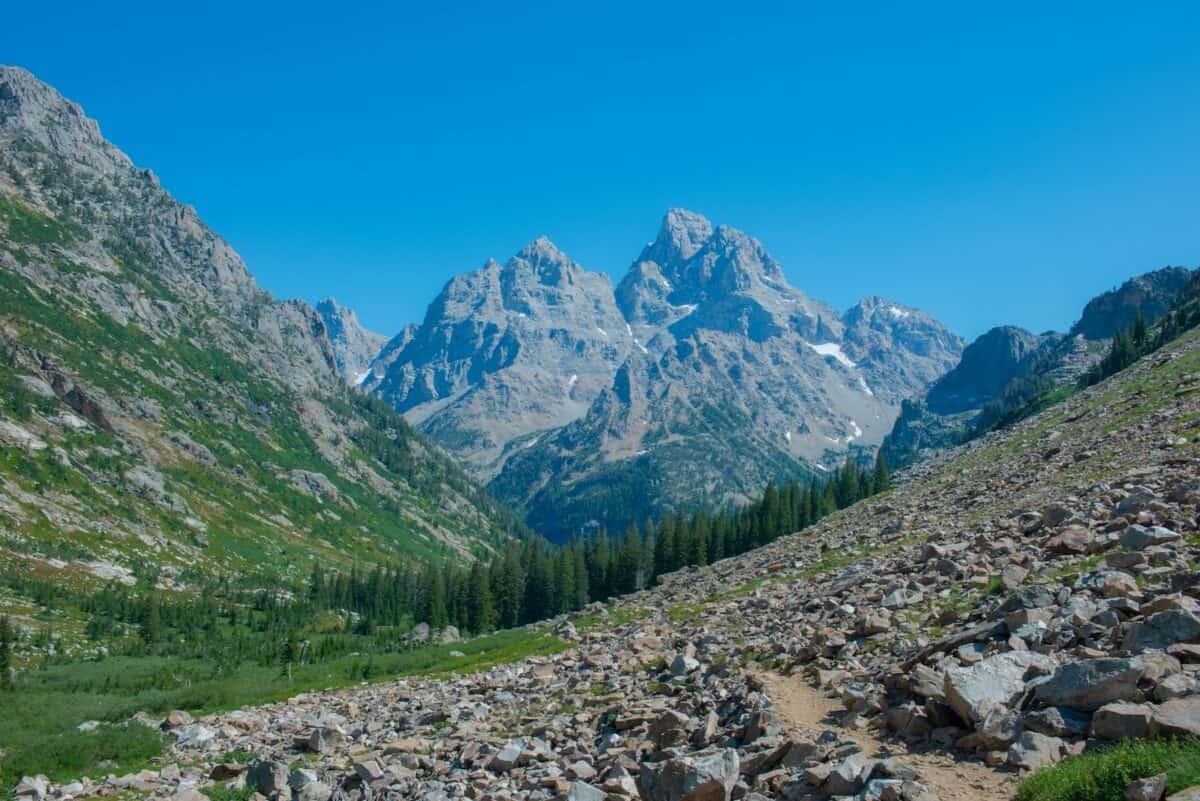
This loop trail in Grand Teton National Park, Wyoming, combines beauty with peril. Stretching 19.7 miles, hikers traverse through diverse ecosystems and see dramatic mountain views. Remote sections leave hikers exposed to wildlife like bears and elk, requiring awareness and proper precautions. The altitude and potential snowfields, even in summer, demand respect and preparation from those who embark on this journey.
Mount Washington, Presidential Range

Often called the ‘most dangerous small mountain in the world,’ Mount Washington in New Hampshire is notorious for its erratic weather. Even experienced hikers can be caught off guard by the swift changes in temperature and sudden storms. Winds can reach over 200 miles per hour, making it a challenge for all who attempt its ascent. Despite its elevation of only 6,288 feet, it’s a formidable opponent.
Bright Angel Trail, Grand Canyon National Park

Arizona’s Grand Canyon National Park hosts the Bright Angel Trail, known for its steep switchbacks and extreme temperatures. Heat is a significant hazard, with temperatures soaring over 100°F in summer months. Dehydration and heat exhaustion are common issues for the unprepared. The trail covers over 19 miles round trip with a 4,380-foot elevation change, making ascent from the canyon a strenuous endeavor.
Precipice Trail, Acadia National Park

Acadia National Park in Maine features the Precipice Trail, a short but intense hike. It involves scrambling over boulders and navigating cliffside iron rungs. This trail is not recommended for those afraid of heights, as it provides spectacular, yet daunting, views. Rock falls are a potential danger, and the trail is often closed for peregrine falcon nesting.
Double O Arch, Arches National Park

Arches National Park is home to the Double O Arch trail, a 4.1-mile trek showcasing stunning rock formations. The trail passes by arches and spires, with parts of the path presenting narrow ledges and steep drop-offs. As it’s less marked, it requires good navigational skills and caution, especially in the extreme summer heat of Utah’s desert.
Grinnell Glacier Trail, Glacier National Park
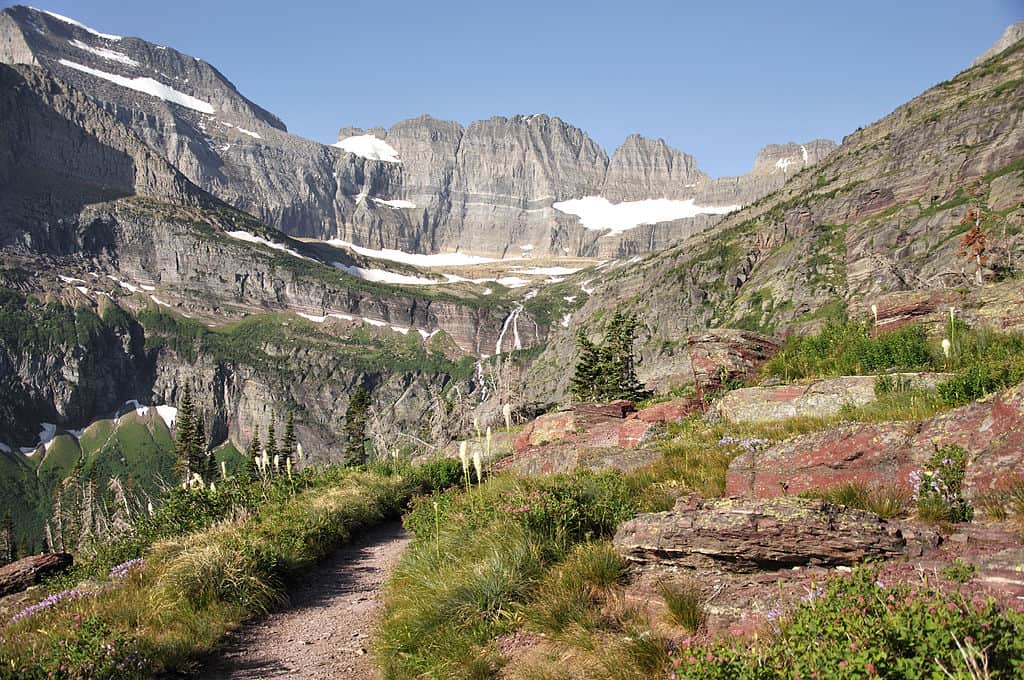
The Grinnell Glacier Trail in Montana offers an 11-mile round trip adventure that grants access to awe-inspiring alpine terrain. Wildlife encounters, including grizzly bears, are common, so carrying bear spray is highly recommended. Weather conditions can shift rapidly, and snow may cover trails even in summer. The strenuous path rewards those who brave it with picturesque glacier views and diverse wildlife sightings.
Safety First

Whether seeking the thrill of towering heights or the solitude of remote wilderness, America’s dangerous trails offer experiences that are both challenging and rewarding. However, they demand respect, preparation, and caution. Proper equipment, awareness of conditions, and a solid understanding of one’s limits are paramount for ensuring a safe and enjoyable adventure. By respecting these dangerous trails and the power of nature, hikers can create memories of a lifetime while minimizing risks.

- 7 Plants That Groundhogs Usually Leave Until Everything Else Is Gone - August 15, 2026
- Bird Science Says Chickadees Change Their Alarm Calls Depending on How Dangerous a Predator Is - August 15, 2026
- Animal Science Says Dolphins Use Signature Whistles That Function Remarkably Like Individual Names - August 15, 2026