

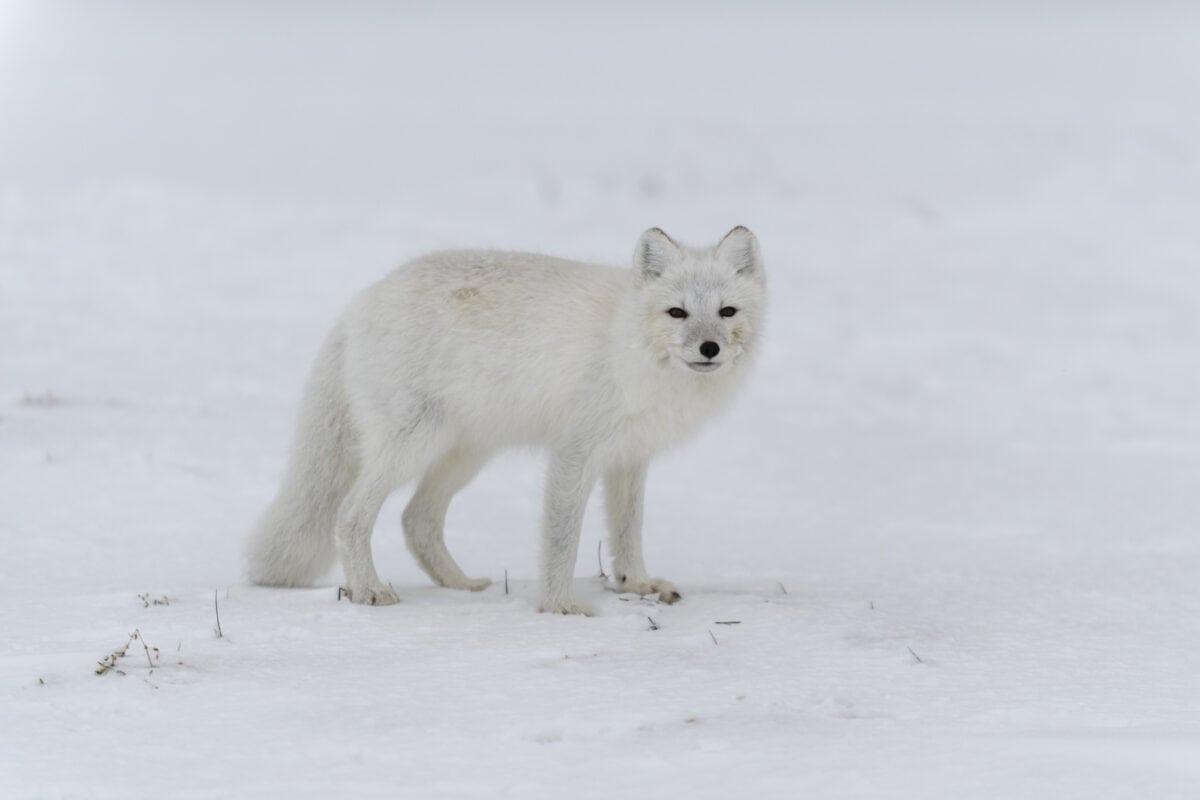
Many animals have evolved physical features to help them survive in frigid climates. Insulating layers such as thicker skins, dense fur, and feathers act as barriers against the cold. For example, Arctic foxes boast a lush and thick coat that changes color with the seasons, providing both warmth and camouflage. Similarly, polar bears possess two layers of fur—the longer, oily guard hairs repel water, while the inner layer keeps them warm and dry. This dual-layered coat is crucial for survival in extreme cold, minimizing heat loss and aiding buoyancy in icy waters.
Layering Up Blubber to the Rescue
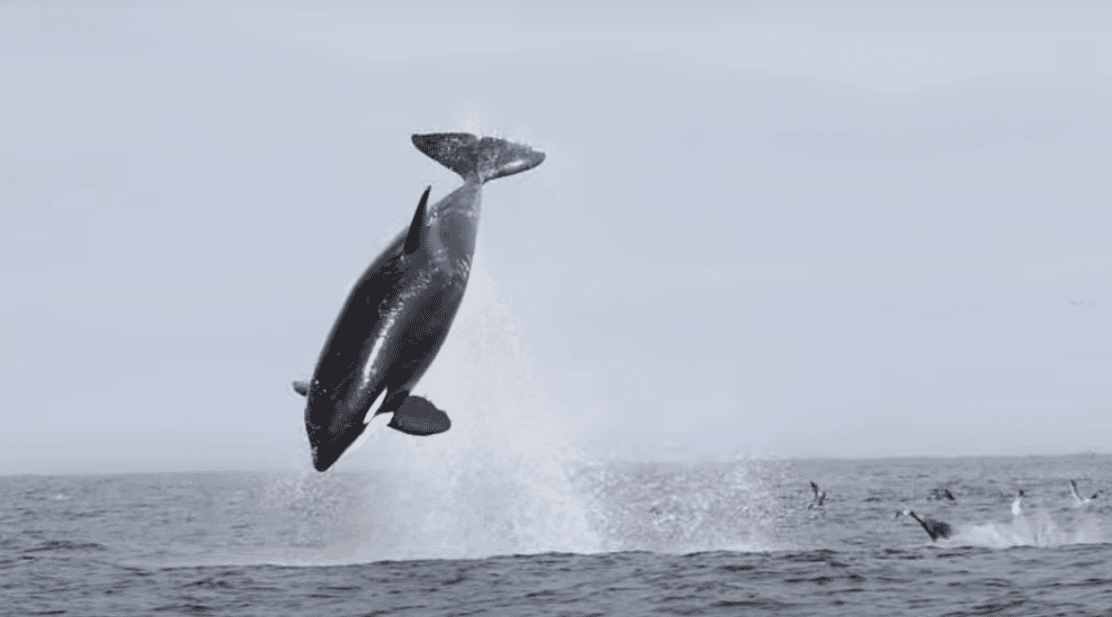
Marine mammals like whales, seals, and walruses rely on another fascinating adaptation: blubber. This thick layer of fat rigorously insulates vital organs and muscles from bone-chilling temperatures. Blubber serves not only as insulation but as an energy reserve during fasting periods when food is scarce. For instance, emperor penguins leverage their fat stores to endure long periods of fasting while incubating their eggs during the harsh Antarctic winter.
Hibernation Extreme Energy Conservation
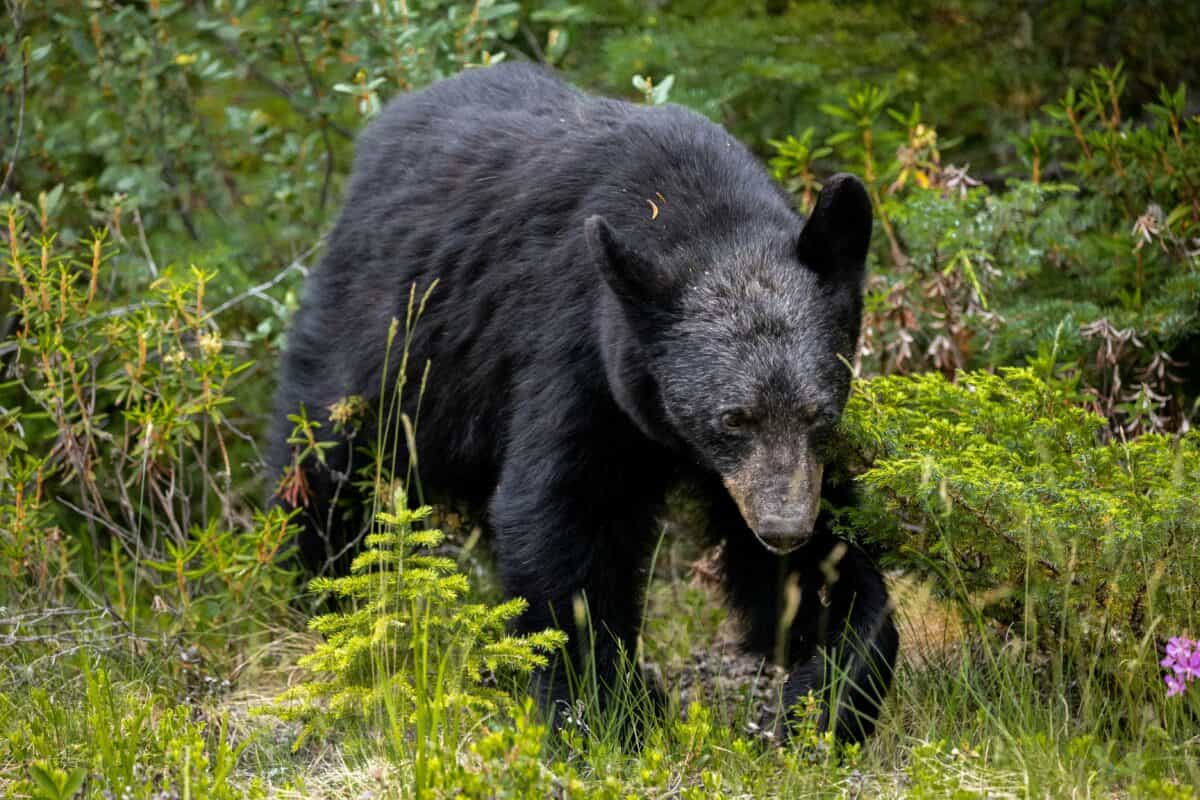
Some animals escape the cold entirely by entering a state of hibernation, significantly reducing their metabolic rate to conserve energy. Take the Arctic ground squirrel, which can lower its core body temperature below freezing and survive until spring arrives. Similarly, black bears hibernate for months, subsisting on their body fat. Interestingly, their biological processes slow dramatically, yet they maintain muscle mass and bone condition, ready to leap back into action come spring.
Migration En Route to Warmer Climes
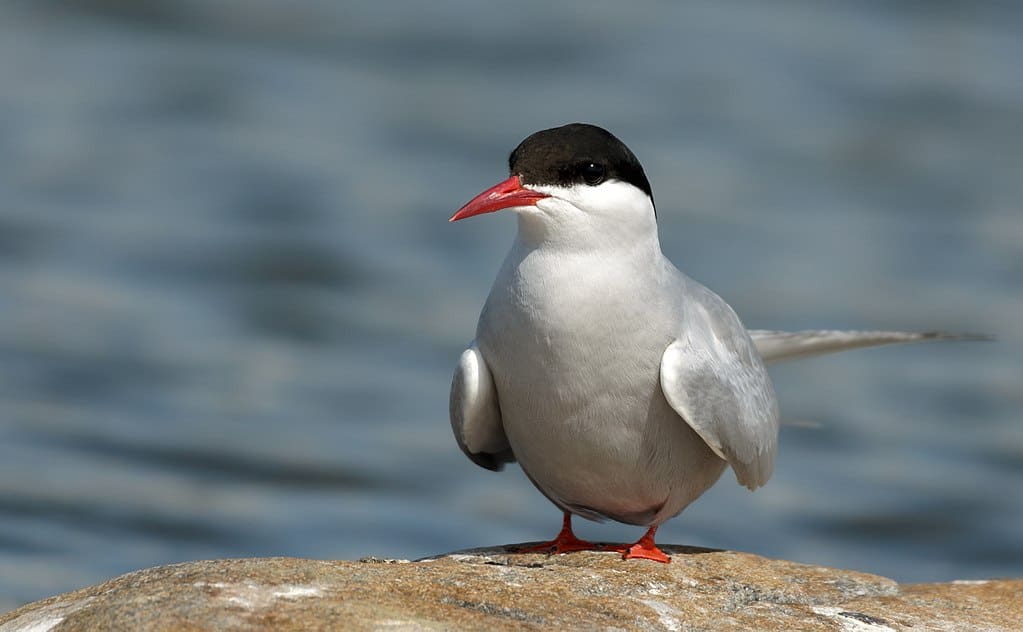
For some species, staying put in icy environments is not an option, prompting seasonal migration. Birds such as the Arctic tern embark on one of the longest migrations in the animal kingdom, traveling over 44,000 miles round trip from the Arctic to the Antarctic to avoid the severe cold. Caribou herds traverse across great distances to find milder climates and access to food resources during the harshest months.
Antifreeze Proteins The Inner Ice Shield
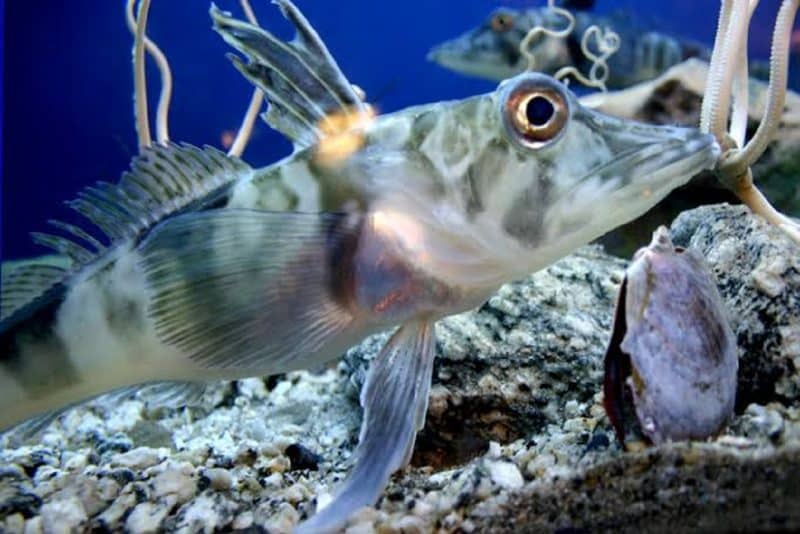
Certain fish and insects have evolved the unique ability to produce antifreeze proteins (AFPs) that inhibit ice crystal formation in their bodies. The blood of the Antarctic icefish, for instance, contains a rich concentration of AFPs, allowing them to swim in sub-zero waters without freezing. These proteins bind to tiny ice crystals, preventing them from growing and thus preserving the fluidity and function of cells.
Supercooling Defying the Freeze

Another captivating strategy some animals use is supercooling, which lowers body temperatures below freezing without forming ice. Arctic frogs, for instance, rid their bodies of excess water and accumulate natural antifreeze-like glucose. This process prevents tissues from freezing while allowing the body to “pause” its functions until temperatures rise again.
Adaptable Breathing Lungfish’s Winter Sleep
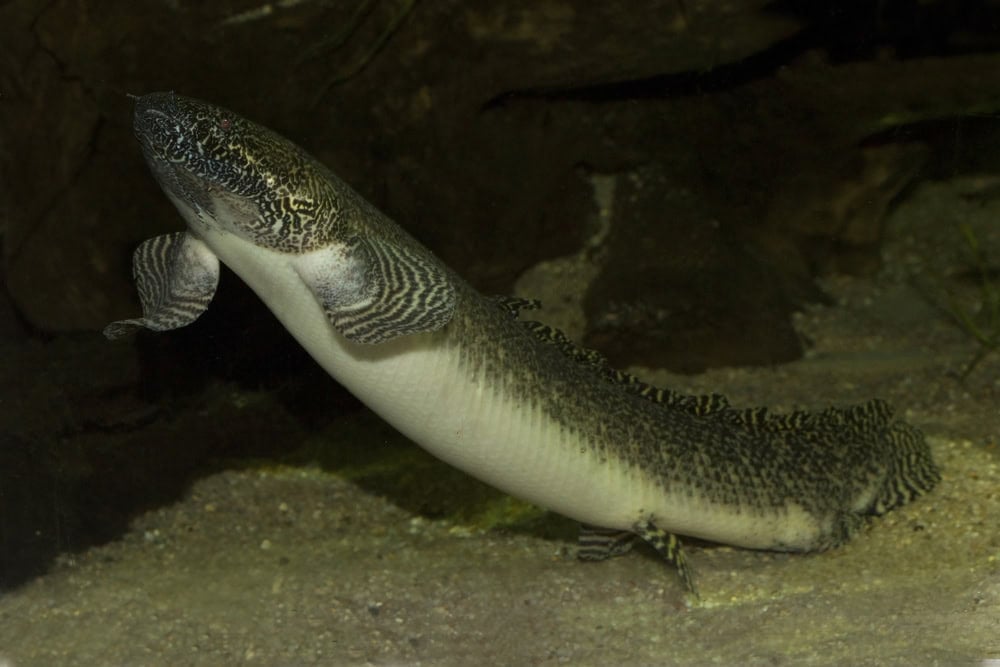
Though not cold-adapted in the traditional sense, African lungfish demonstrate fascinating survival techniques relevant to extreme conditions. Other cold-dwelling species use similar strategies. These fish create mucus cocoons and burrow into mud before dry seasons, entering a state of estivation where they minimize their metabolic activities, paralleling hibernation techniques used in cold temperatures.
Group Living Body Heat Amplification

Social animals often thrive in the cold through collective living arrangements. Emperor penguins exemplify this by huddling in large groups during Antarctic storms. This behavior reduces overall exposure to wind and maximizes warmth as huddling penguins rotate positions, ensuring each member gets time in the warmer center of the group. Musk oxen employ similar strategies, forming tight circles with their young in the center to shield against wind and conserve heat.
Burrowing The Undercover Strategy

Burrowing into snow or soil provides insulation and protection from predators. Lemmings create intricate tunnels beneath the snow, serving as shelter and storage places for food. This snow layer retains some warmth from the earth, creating microhabitats significantly warmer than the surface conditions. Additionally, these tunnels play a crucial role in evading predators, offering both warmth and security.
Cryoprotectants: Natural Antifreeze

Insects like the woolly bear caterpillar use a chemical trick to survive ice-cold temperatures: cryoprotectants. These substances lower the freezing point of bodily fluids and stabilize cells and tissue. This caterpillar survives by freezing its outer layers while protecting vital organs until it thaws in spring. It can survive multiple freezing and thawing cycles, effectively using its version of antifreeze to persist through the cold.
Conclusion

In conclusion, the ways animals adapt to extreme cold are as diverse as they are ingenious, showcasing the brilliant strategies life employs to endure harsh environments. From physical adaptations like thick fur and blubber to behavioral approaches like huddling and migration, these survival tactics display the incredible resilience and resourcefulness found in the animal kingdom.

As a little kid, I fell in love with nature, wildlife, and animals. Living in the USA, South Africa, Italy, China and Germany gave me the opportunity to discover the world's Wildlife. My favorite animals are Mountain Gorillas, Siberian Tigers, and Great White Sharks.
I'm a certified PADI Open Water Diver, went to Everest Base Camp and Trekked Gorillas in Uganda. I hold a Master of Science in Economics and Finance.
Please send any feedback to feedback@animalsaroundtheglobe.com
- 10 Most Unique Reptiles You will See in the US - July 21, 2026
- 3 Dangerous Invasive Species the USA Must Eradicate - July 21, 2026
- 10 Things That Calm Cats And 4 That Make Them Nervous - July 21, 2026