

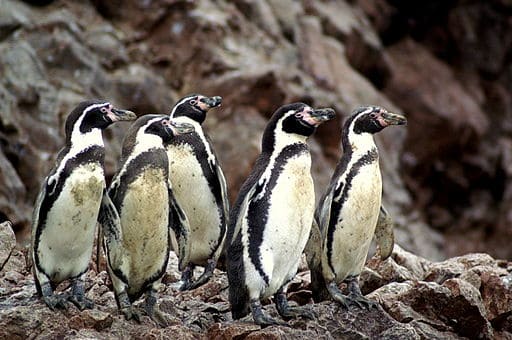
The animal kingdom is teeming with fascinating behaviours that often leave us scratching our heads in wonder. While some actions can be easily explained, others remain enigmatic, sparking curiosity and prompting further investigation. In this article, we’ll delve into 15 weird animal behaviours, exploring what they mean and the intriguing science behind them. From underwater acrobatics to synchronized dances, these behaviours reflect the complexity and diversity of life on Earth.
1. Dolphin Bubble Rings
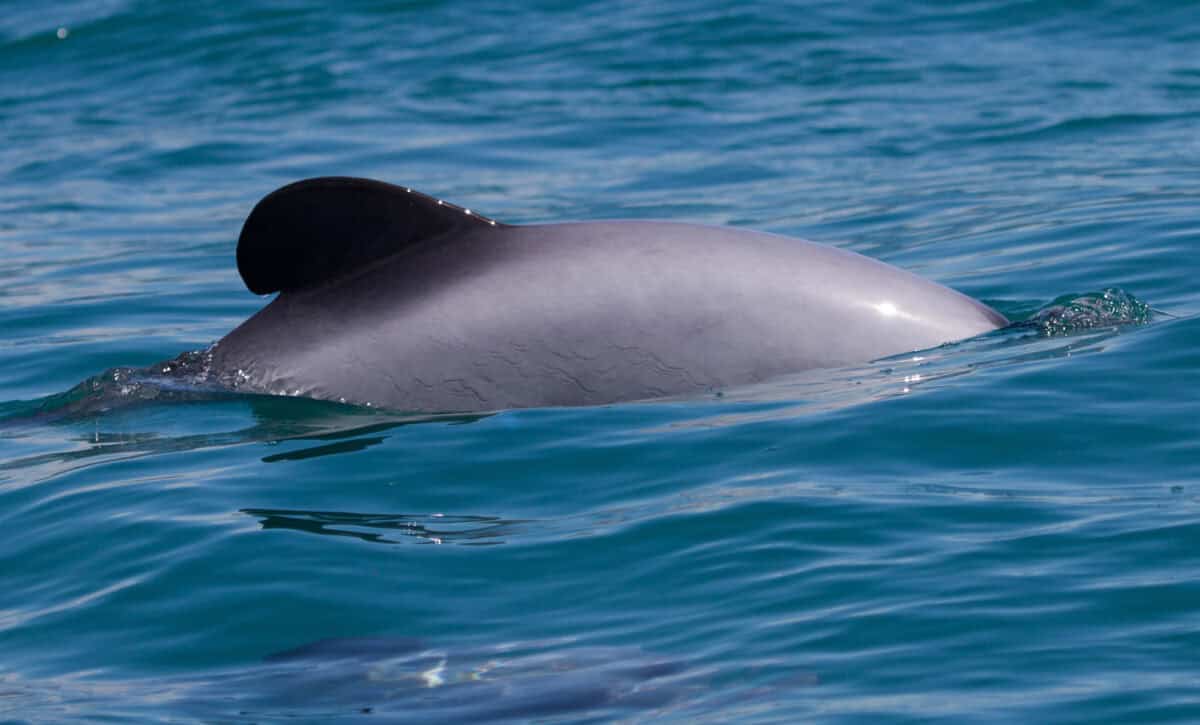
Dolphins are known for their intelligence and playful nature, but one of their quirkiest behaviours is creating bubble rings. By exhaling through their blowholes and manipulating the water with their snouts, dolphins form circular bubbles that hover in the water. While this behaviour seems to be purely recreational, it highlights their cognitive capabilities and enjoyment of play, a trait shared by few other species in the animal kingdom.
2. Octopus Camouflage

Octopuses possess an extraordinary ability to change colour and texture to blend with their surroundings. This behaviour is used primarily for camouflage, aiding in both predation and avoidance of predators. Despite having excellent eyesight, octopuses rely on their advanced nervous system and specialized skin cells for this remarkable transformation. This allows them to manipulate colour and texture far beyond mere survival needs, sometimes even displaying specific colours as a form of communication.
3. Beaver Damming
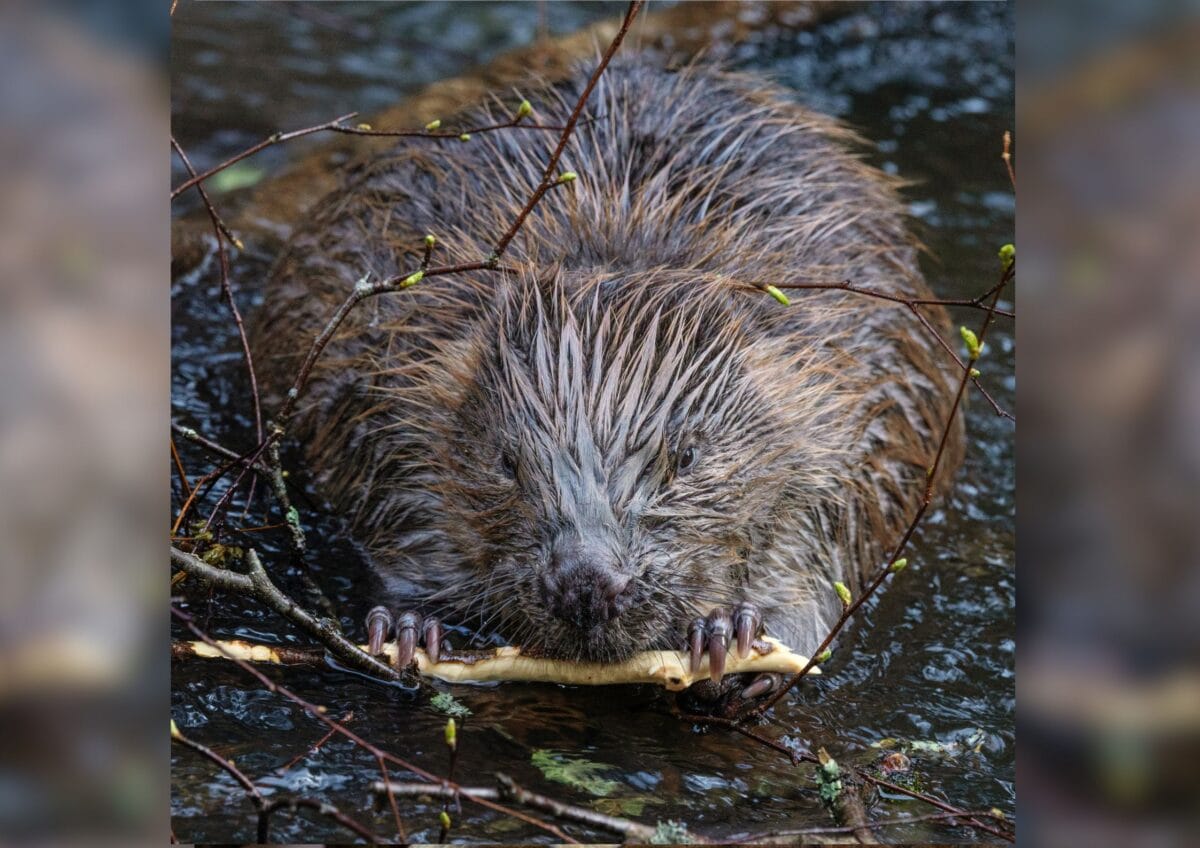
Beavers are known for their dam-building prowess, using sticks, mud, and rocks to significantly alter landscapes. This behaviour serves the dual purpose of creating a safe habitat protected from predators and regulating the ecosystem. The resulting ponds provide ideal access to food sources and serve as a sanctuary during extreme weather conditions. Beavers’ engineering impacts biodiversity, water flow and soil erosion in their environment.
4. Cuttlefish Hypnosis

Cuttlefish effectively hunt prey by employing a mesmerizing display of flashing colours. By rapidly changing their skin colour, they can distract or hypnotize prey before striking. This behaviour demonstrates their advanced neural control and ability to coordinate complex bodily movements to gain a predatory advantage, revealing a sophisticated strategy beyond brute force.
5. Ant Rafting

When faced with floods, fire ants engage in an incredible survival tactic known as rafting. By clinging together, they form a living raft that can float on water for weeks, withstanding unfavourable conditions. This collective behaviour ensures the colony’s survival, as the queen and larvae are safely transported during floods. It’s a remarkable example of social cooperation and adaptation to environmental changes.
6. Gecko Tail Shedding

Geckos have evolved a defence mechanism that allows them to shed their tails when threatened. This behaviour, known as autotomy, distracts predators and allows the gecko to escape. While the tail regenerates over time, this adaptation highlights the gecko’s ability to prioritize immediate survival over the temporary loss of a body part, demonstrating a sacrificial yet strategic approach to predation.
7. Parrot Vocal Mimicry
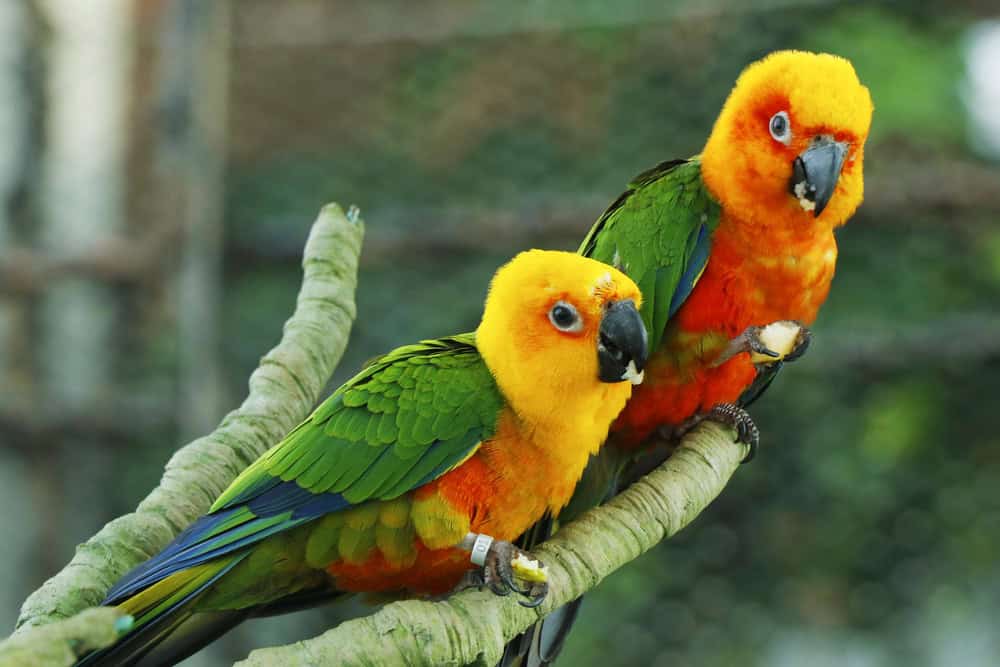
Parrots are renowned for their ability to mimic human speech and other sounds in their environment. This behaviour is a form of social interaction and bonding within flocks, as well as an indication of their high intelligence and vocal learning capacity. The complexity of their vocal mimicry suggests an advanced cognitive structure, allowing them to adapt to their auditory surroundings efficiently.
8. Penguin March
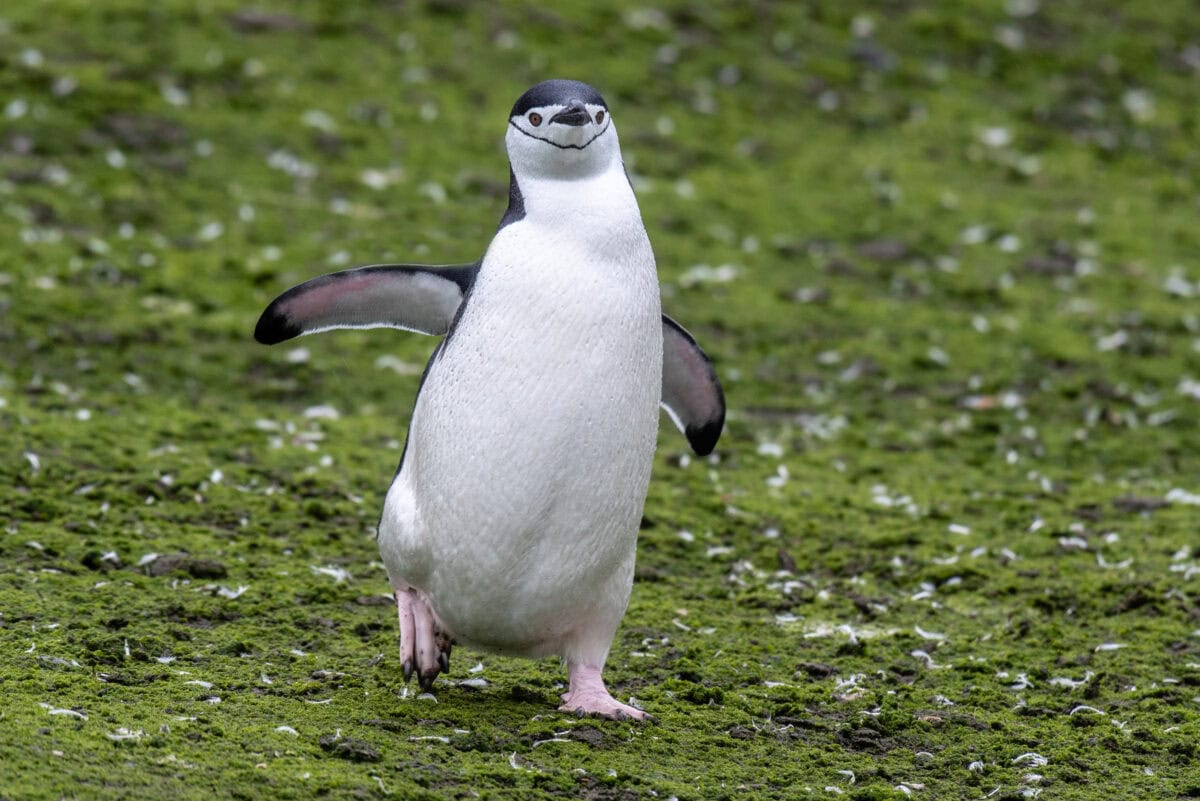
Emperor penguins endure harsh Antarctic conditions by engaging in unique marching behaviour during the breeding season. Huddling together in large groups, they share warmth and protection from brutal winds. This cooperative behaviour is crucial for their survival, as it maintains a stable environment for incubating eggs and safeguards hatchlings from the freezing elements.
9. Bowerbird Nest Decorating
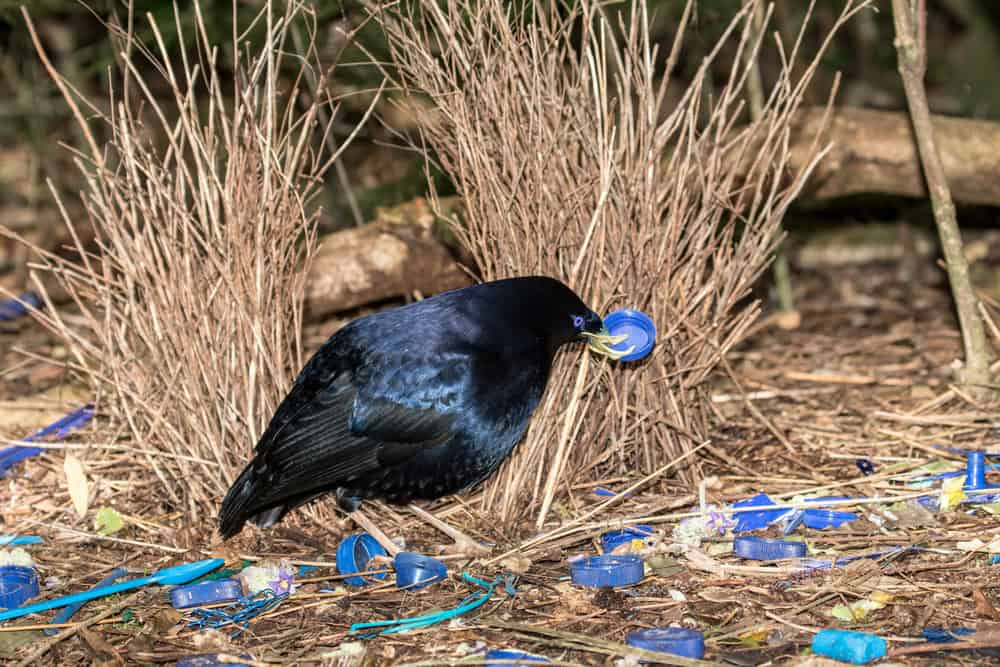
Male bowerbirds construct elaborate nests, or bowers, using twigs, leaves, and brightly coloured objects to attract mates. This behaviour highlights the role of aesthetics in animal courtship, with females selecting mates based on the creativity and appeal of their bowers. It showcases an interplay between artistic expression and reproductive success, illustrating a unique evolutionary strategy.
10. Meerkat Sentinel Duty

Meerkats are known for their cooperative social structure, which includes a well-organized sentinel system. While the group forages, one meerkat stands guard, watching for predators and signalling danger to ensure the safety of the community. This behaviour exemplifies altruism and shared responsibility within the group, underscoring the importance of teamwork in survival.
11. Honeybee Waggle Dance
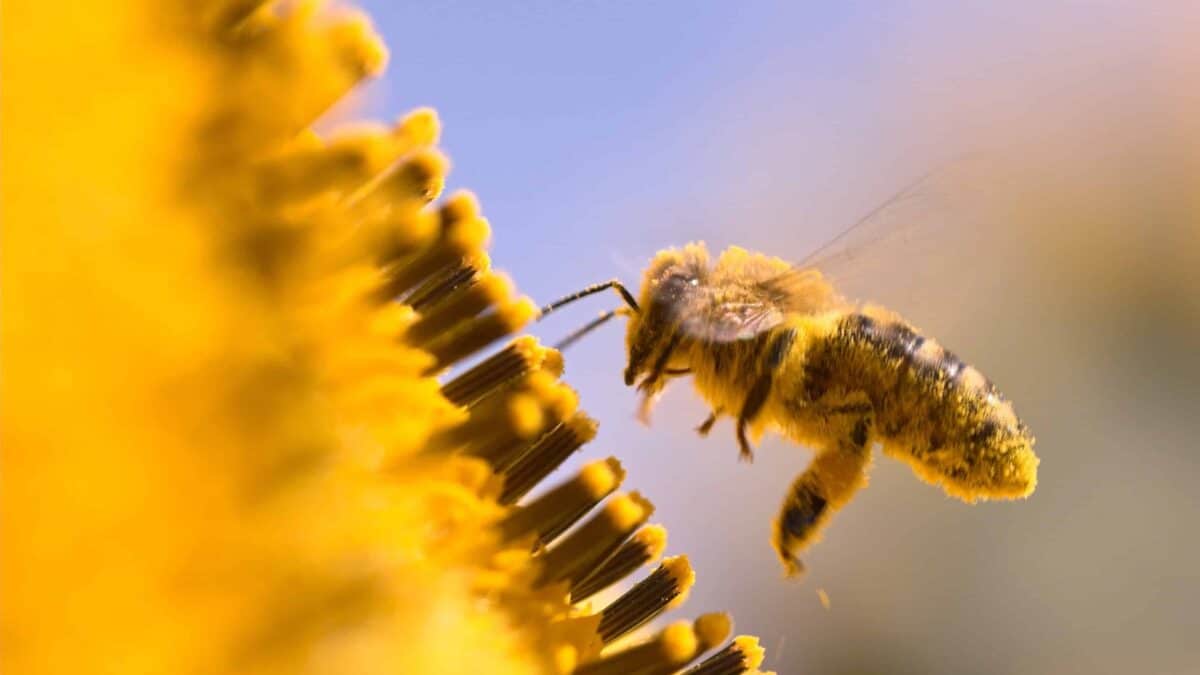
Honeybees communicate the location of food sources through a sophisticated dance known as the waggle dance. By performing specific movements and vibrations, they convey information about the direction and distance of nectar. This behaviour highlights the complexity of social communication among insects, enabling efficient foraging and hive function.
12. Naked Mole Rat Eusociality
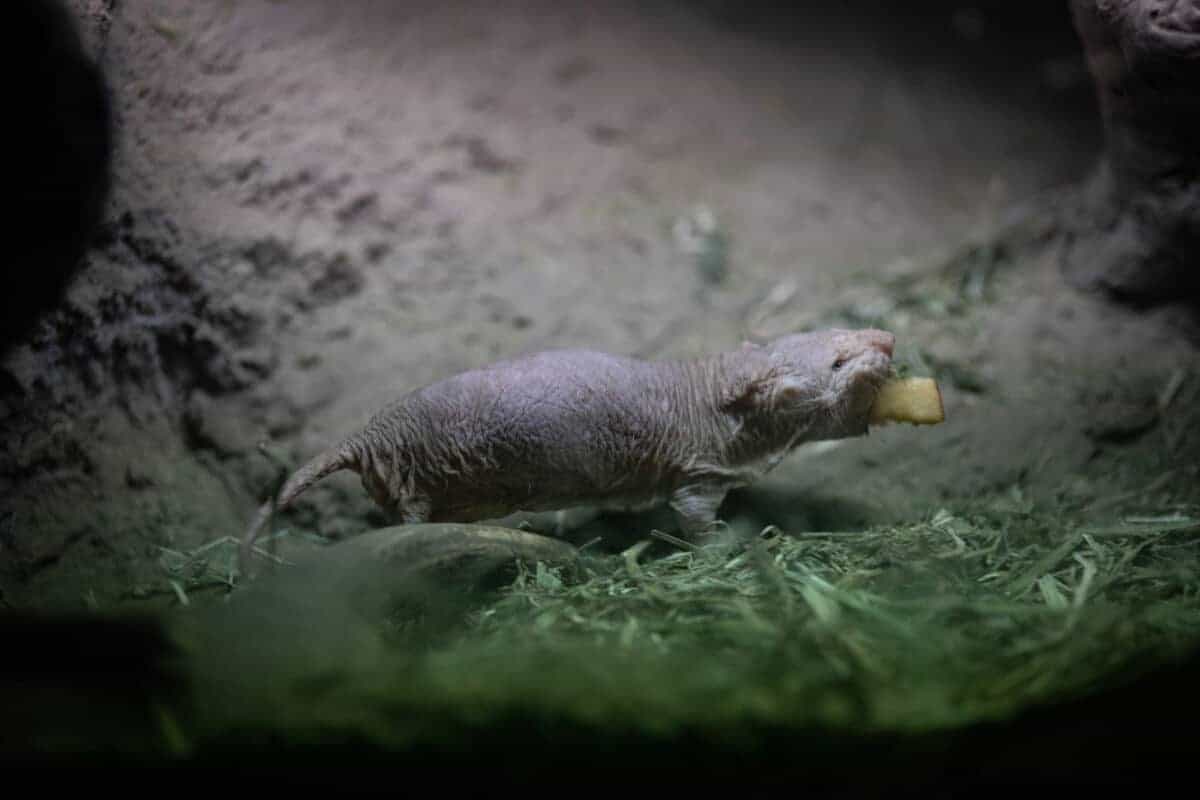
Naked mole rats exhibit a unique social structure known as eusociality, which is typically found in insects like ants and bees. Living in colonies led by a single breeding queen, they work collectively for the group’s benefit, displaying a highly organized division of labour and communal care of offspring. This behaviour is a rare example of mammalian eusociality, challenging our understanding of social evolution.
13. Elephant Mourning
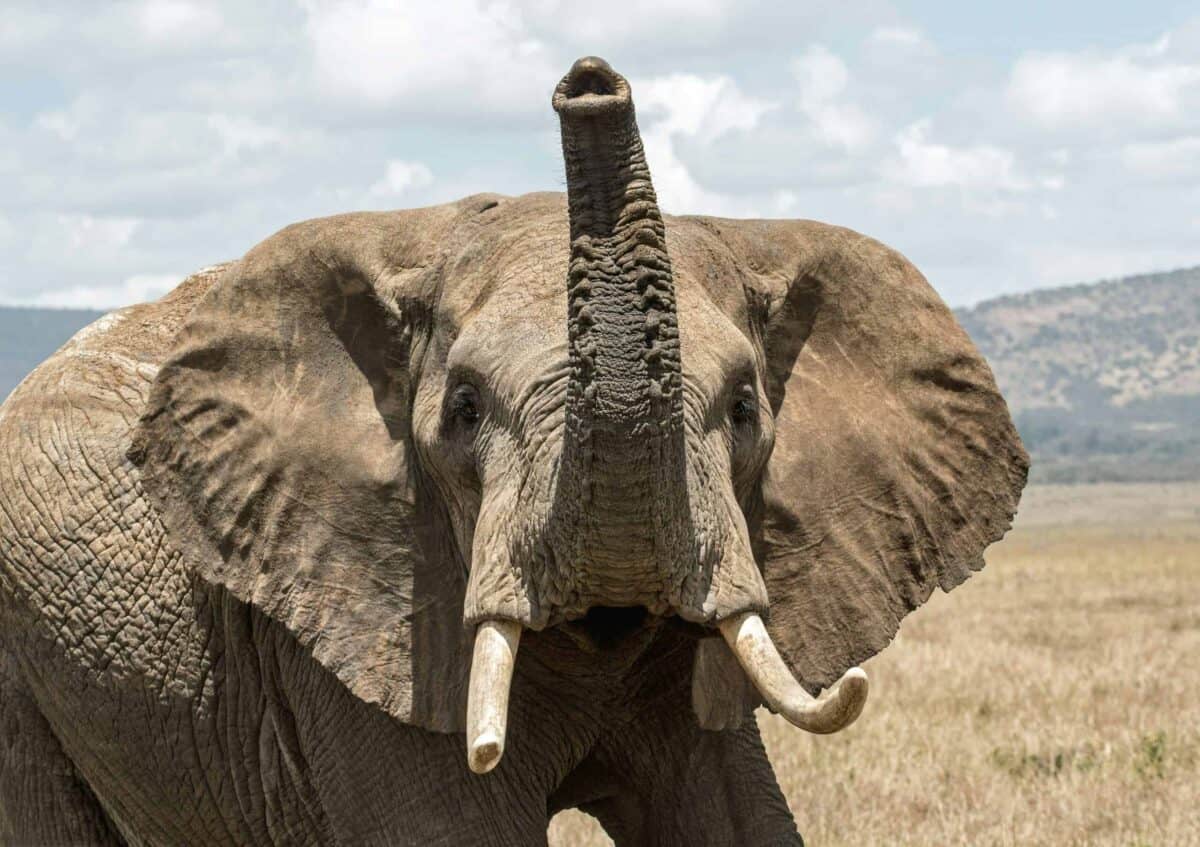
Elephants demonstrate behaviours that suggest an understanding of death, including mourning rituals. They have been observed gently touching the bones of deceased herd members and staying with the body for extended periods. This behaviour suggests a level of emotional depth and social bonding that reflects a profound awareness not commonly attributed to non-human animals.
14. Cat Allorubbing

Domestic cats engage in allorubbing or rubbing against each other or humans as a form of social bonding and scent marking. This behaviour strengthens social ties and establishes a communal scent, reinforcing the social network within a group. It reveals a nuanced aspect of social interaction in cats, often perceived as solitary animals.
15. Pufferfish Sand Circles
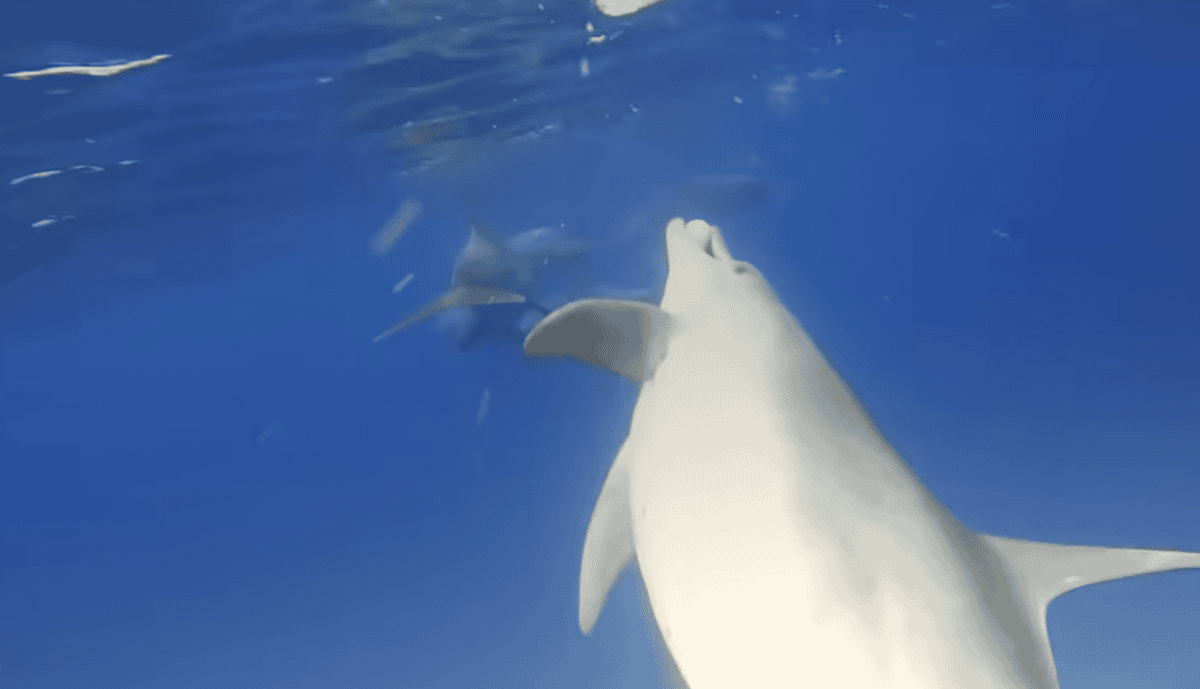
Male pufferfish create intricate sand circles on the ocean floor to attract females. These circles, crafted with precise movements, serve as both a mating display and a protected site for eggs. The artistry and dedication involved in this behaviour demonstrate a complex mating ritual, combining elements of geometry, creativity, and biological imperatives.
Conclusion

The diverse behaviours displayed by animals worldwide offer a glimpse into the vast complexity of life, reflecting adaptations to environments, social structures, and survival strategies. Understanding these behaviours deepens our appreciation for the natural world and highlights the intricate relationships that sustain ecosystems. As we continue to study and learn, these weird and wonderful behaviours remind us of the continual wonder and mystery inherent in nature.

As a little kid, I fell in love with nature, wildlife, and animals. Living in the USA, South Africa, Italy, China and Germany gave me the opportunity to discover the world's Wildlife. My favorite animals are Mountain Gorillas, Siberian Tigers, and Great White Sharks.
I'm a certified PADI Open Water Diver, went to Everest Base Camp and Trekked Gorillas in Uganda. I hold a Master of Science in Economics and Finance.
Please send any feedback to feedback@animalsaroundtheglobe.com
- Top 9 US States Where Wolves Are Making a Comeback - July 20, 2026
- 15 Animals That Can See UV Light - July 20, 2026
- 10 Most Thrilling Places to Spot Whales in the U.S. - July 20, 2026