


Madagascar, the world’s fourth largest island, is renowned for its unique biodiversity and landscapes. Situated in the Indian Ocean off the southeastern coast of Africa, this island nation has earned its fame as a naturalist’s paradise. Among the most captivating residents of Madagascar are the lemurs, a diverse group of primates that are endemic to the island. But what makes Madagascar the best place to witness these fascinating creatures in their natural habitat? This article delves into the enchanting world of lemurs and explains why Madagascar is an unparalleled destination for observing them in action.
The Evolutionary Isolation of Madagascar

Madagascar’s status as a haven for lemurs is largely due to its long-standing geographical isolation. Around 160 million years ago, Madagascar split from the African continent, and approximately 88 million years ago, it separated from India. This isolation has provided a unique evolutionary laboratory where flora and fauna have developed in almost complete seclusion from other land masses. As a result, more than 90% of Madagascar’s wildlife, including all known species of lemurs, are found nowhere else on Earth.
Diversity of Lemur Species
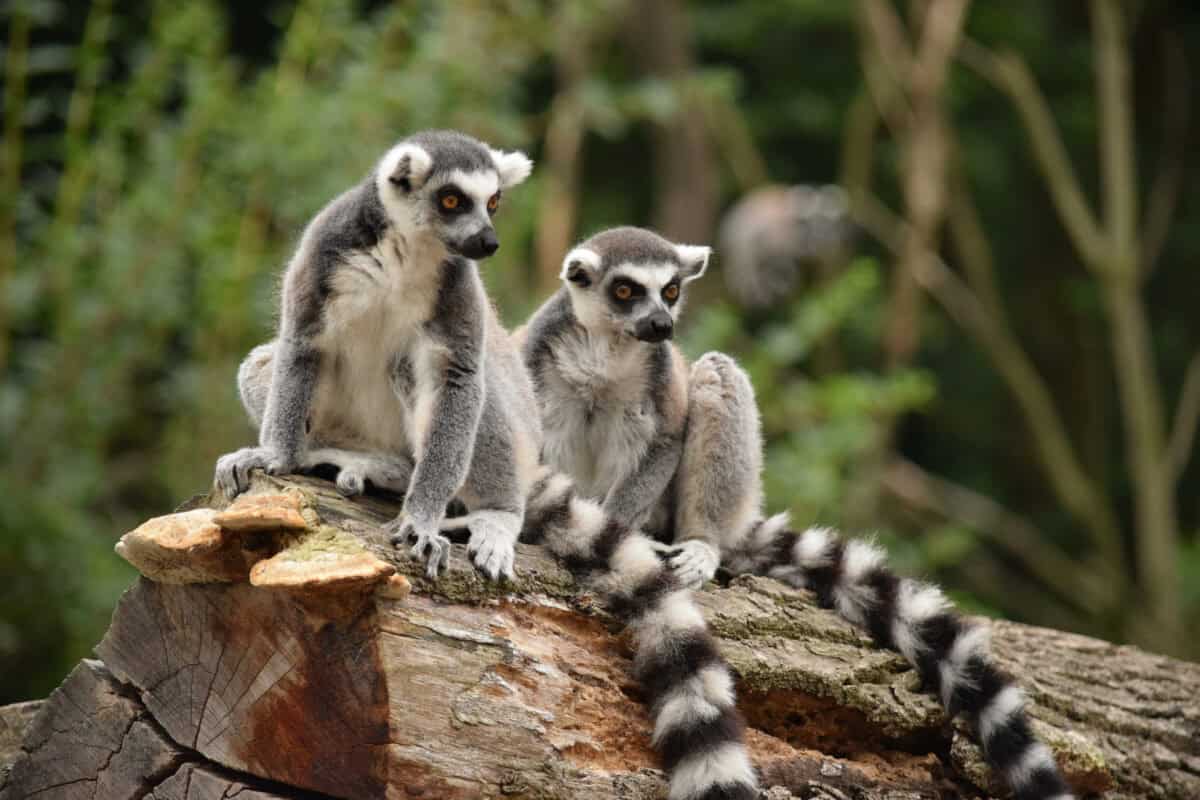
The island’s diversity of lemur species is truly staggering. Currently, there are approximately 107 recognized species and subspecies of lemurs, ranging from the tiny mouse lemur, the world’s smallest primate, to the large and charismatic indri. Each species exhibits a range of fascinating behaviours, adaptations, and ecological roles, making Madagascar an essential destination for anyone interested in primatology and conservation.
Lemur Habitats From Rainforests to Spiny Forests

Madagascar’s diverse ecosystems provide a variety of habitats for lemurs. The eastern rainforests, like those in Andasibe-Mantadia National Park, offer lush, primary habitats where species like the indri sing their haunting calls. In contrast, the spiny forests of the south, exemplified by places like Ifaty, are home to species such as the ring-tailed lemur, which are well-adapted to the arid environment. This range of habitats gives visitors the opportunity to observe lemur species adapted to different ecological niches and behaviours.
Conservation and Ecotourism Efforts
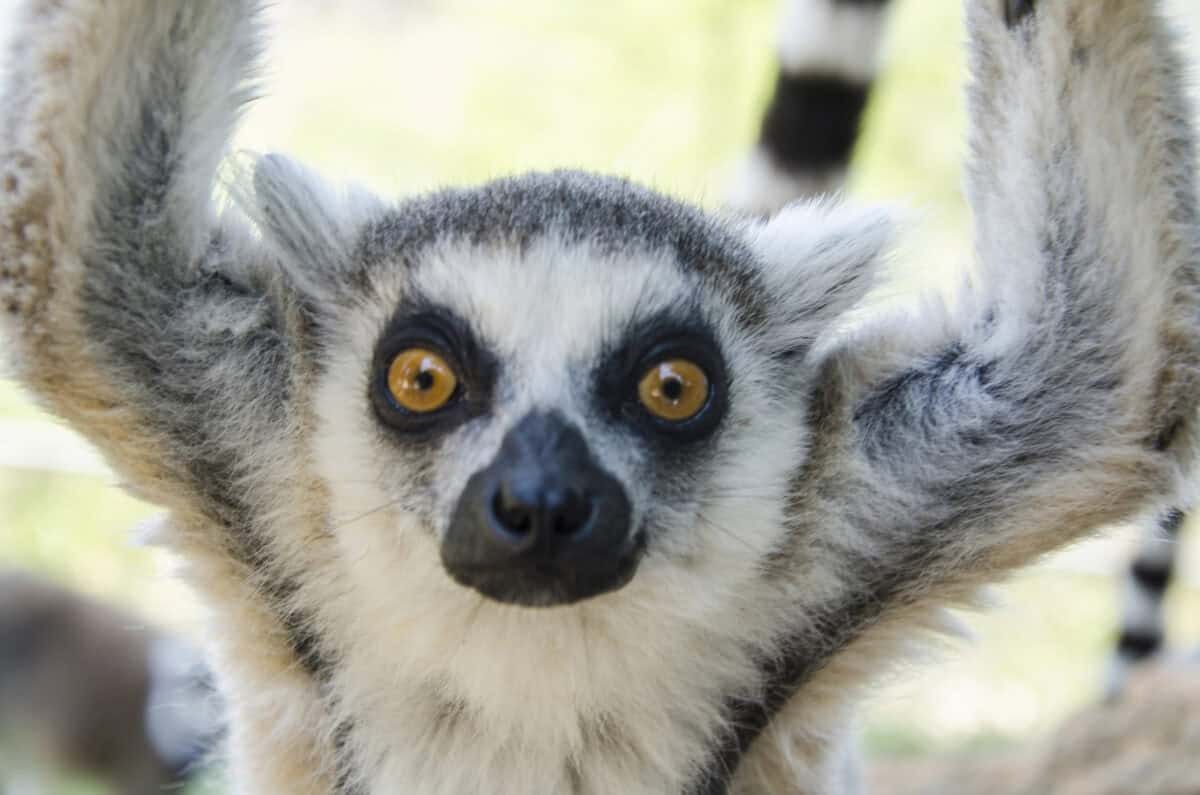
Madagascar recognizes the importance of its unique biodiversity and has made significant investments in conservation and ecotourism. National parks and reserves have been established across the island to protect lemur habitats from threats posed by deforestation and human encroachment. Visitors to these parks contribute to the local economy, supporting conservation efforts and promoting sustainable livelihoods for local communities. Guided tours often provide enriching educational experiences that highlight the ecological significance of lemurs and the urgent need for their protection.
Opportunities for Researchers and Wildlife Enthusiasts

For researchers, Madagascar is a living laboratory that provides unparalleled opportunities to study lemurs in their natural surroundings. Field studies contribute valuable data on lemur behaviour, ecology, and genetics, which are crucial for conservation planning. Wildlife photographers and enthusiasts are drawn to Madagascar for its opportunities to capture rare and captivating images of lemurs behaving naturally—a dream come true for anyone passionate about wildlife observation and photography.
Conclusion: A Once-in-a-Lifetime Experience

In conclusion, Madagascar offers an exceptional opportunity to witness lemurs in action within their unique and varied habitats. The island’s rich biodiversity, evolutionary isolation, and ongoing conservation efforts combine to make Madagascar an indispensable destination for those interested in animal science, conservation, and ethology. Visiting Madagascar is not just a chance to see lemurs; it is an invitation to explore one of the planet’s most remarkable natural environments and contribute to its preservation. Witnessing lemurs in their Madagascar home is truly a once-in-a-lifetime experience that inspires a deeper appreciation for the wonders of evolution and the vital importance of protecting Earth’s biodiversity.

As a little kid, I fell in love with nature, wildlife, and animals. Living in the USA, South Africa, Italy, China and Germany gave me the opportunity to discover the world's Wildlife. My favorite animals are Mountain Gorillas, Siberian Tigers, and Great White Sharks.
I'm a certified PADI Open Water Diver, went to Everest Base Camp and Trekked Gorillas in Uganda. I hold a Master of Science in Economics and Finance.
Please send any feedback to feedback@animalsaroundtheglobe.com
- 14 Native Plants That Thrive in the Worst Corner of Your Yard and Feed Wildlife Too - July 11, 2026
- 13 Aquatic Mammals That Don not Look It - July 10, 2026
- 15 Unlikely Hunters With Killer Instincts - July 10, 2026