


With their charmingly spiky appearance and gentle demeanour, hedgehogs have become beloved creatures among animal enthusiasts and garden lovers alike. These small, nocturnal mammals are found across Europe, Asia, and Africa. They play a significant role in controlling insect populations, making them invaluable allies in maintaining garden ecosystems. With their numbers dwindling due to habitat loss and other environmental factors, creating a garden haven for hedgehogs is not only beneficial for these creatures but also enriches your garden with their presence.
Creating a Hedgehog-Friendly Environment
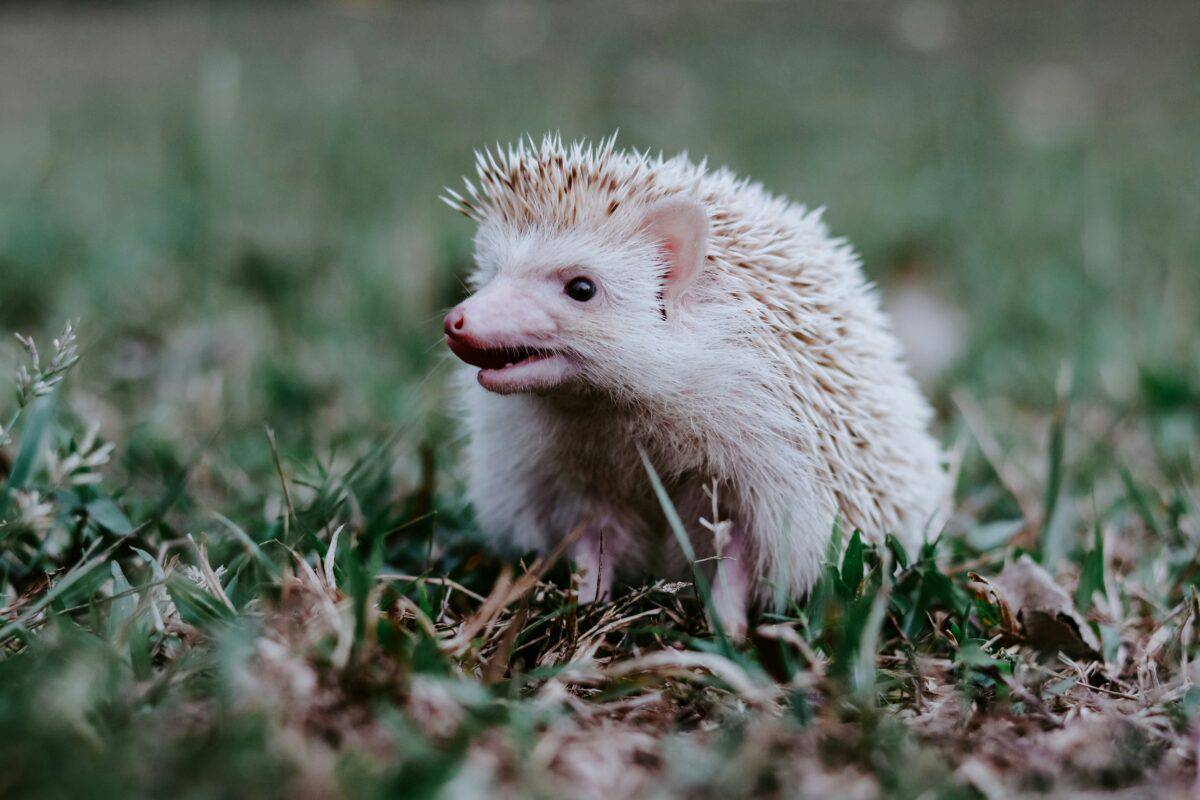
Cultivating a hedgehog-friendly garden requires understanding their needs and preferences. Hedgehogs thrive in environments that offer shelter, food, and safety from hazards. Here are some practical steps to make your garden hospitable for these delightful creatures:
Create Safe Passages
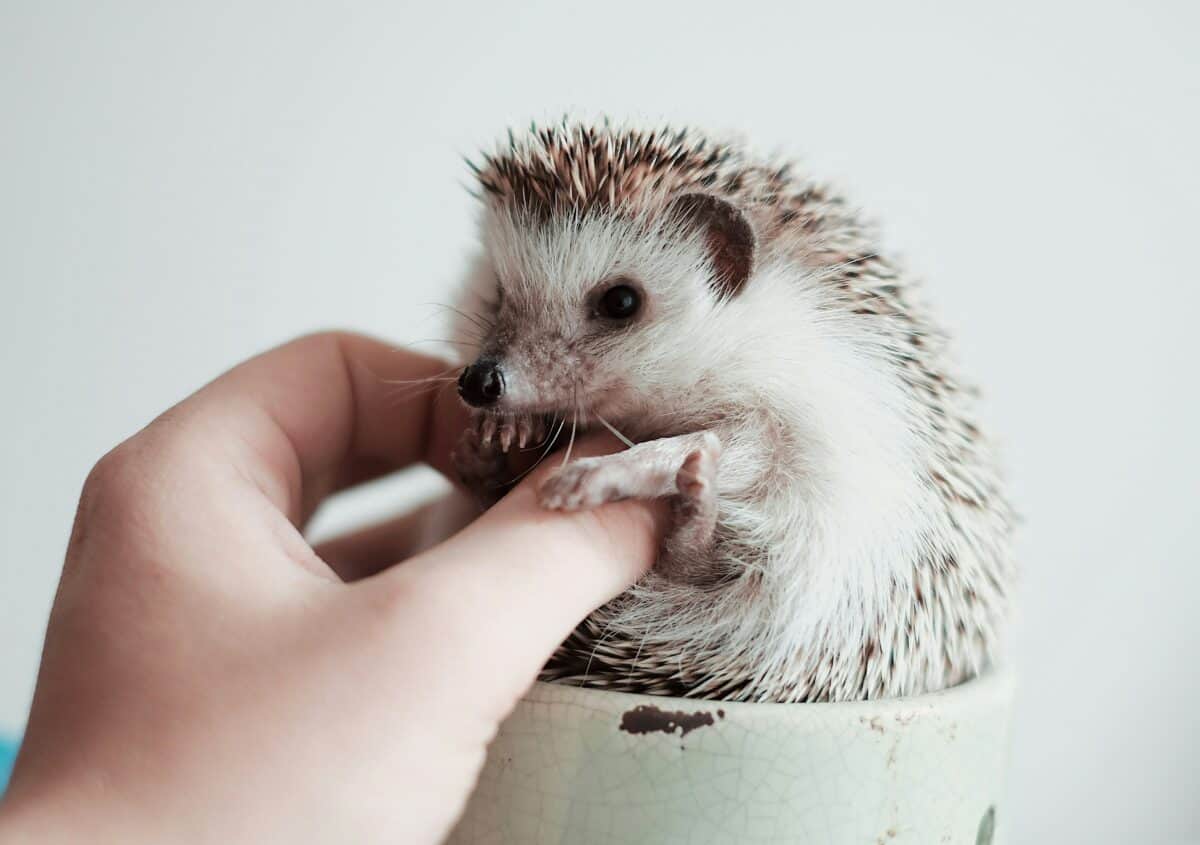
Hedgehogs are natural wanderers, travelling up to two kilometres in one night in search of food and mates. Secure and accessible passageways betweenneighbouringg gardens can be pivotal in promoting their movement and encouraging hedgehog populations. Consider creating small gaps, about 13 x 13 cm, in fences or walls to allow hedgehogs to roam freely.
Offer Shelter and Nesting Sites
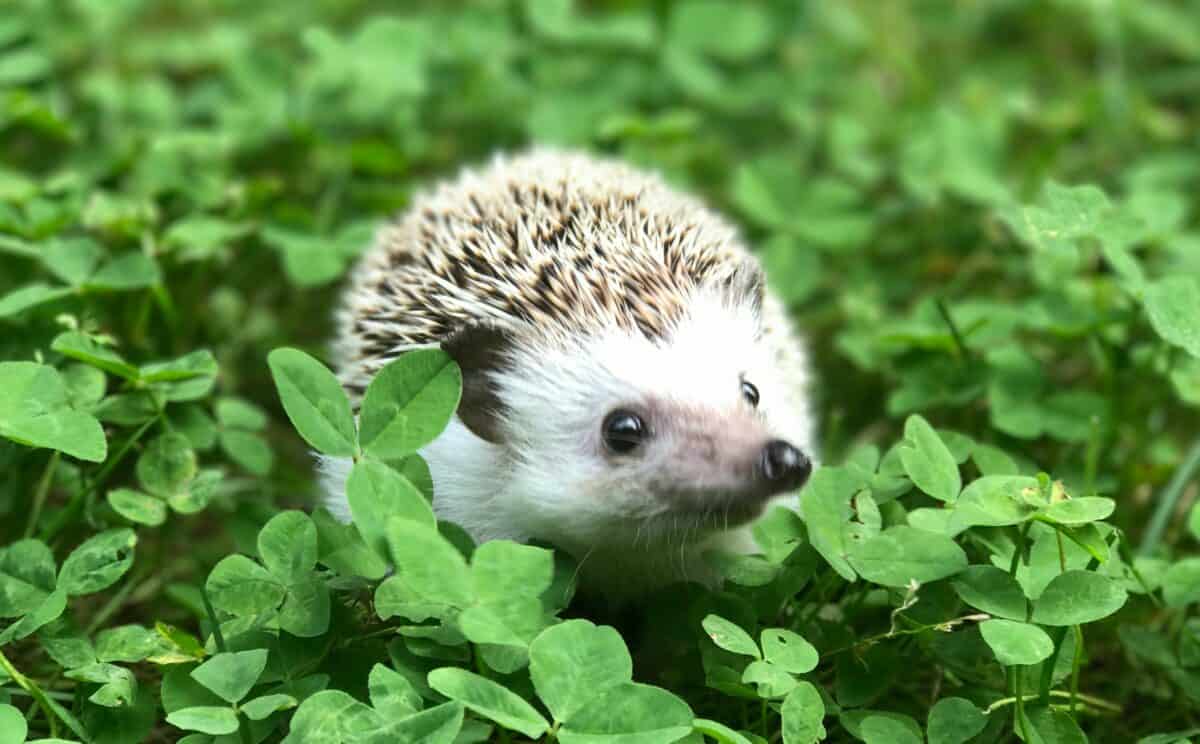
Hedgehogs require safe places for sleeping, hibernation, and raising their young. They appreciate leafy cover, so incorporating piles of leaves, logs, or specially designed hedgehog houses can furnish them with the refuge they need. Position these shelters in quieter corners of your garden, away from disturbances.
Provide Food and Water
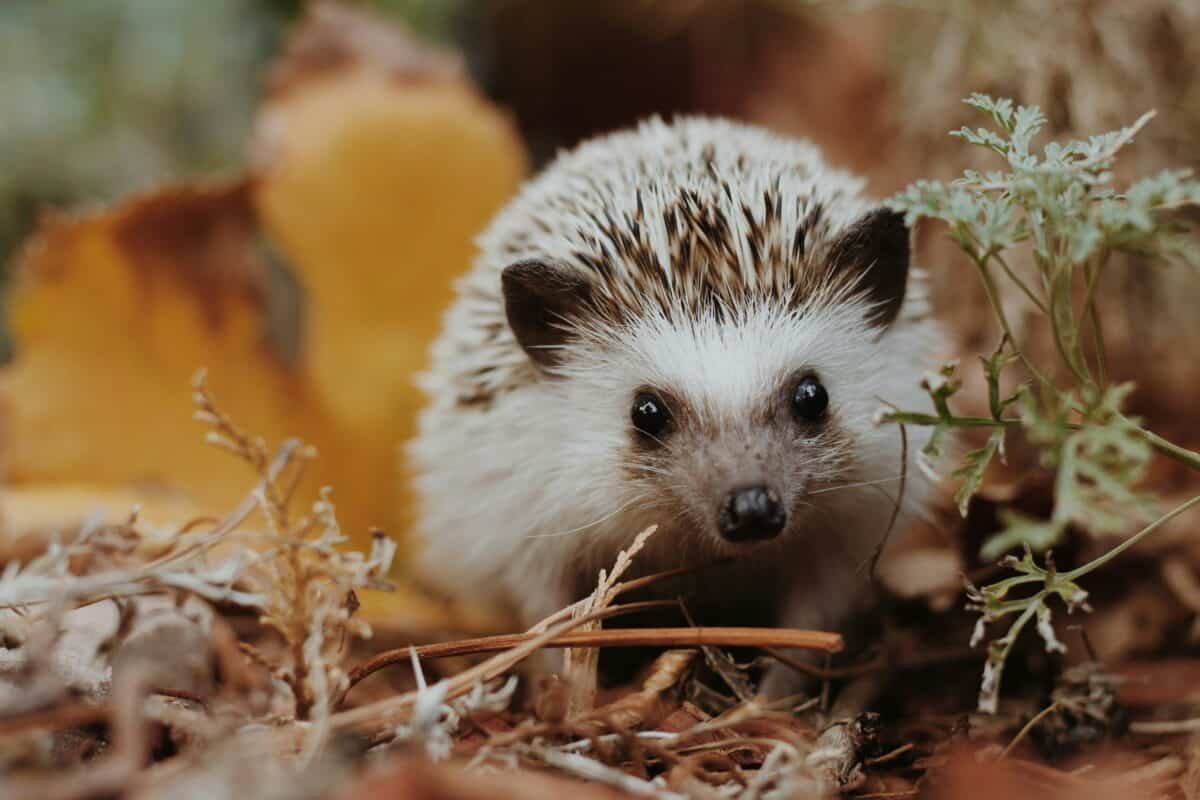
Hedgehogs are primarily insectivores, feasting on beetles, worms, slugs, and other invertebrates. Encouraging biodiversity by planting a mix of native plants and reducing pesticide use can increase the availability of natural prey. Additionally, supplement their diet with meaty, tinned cat or dog food and a constant supply of fresh water. Avoid feeding them milk or bread, as these can be harmful to their digestive systems.
Maintaining a Safe Environment
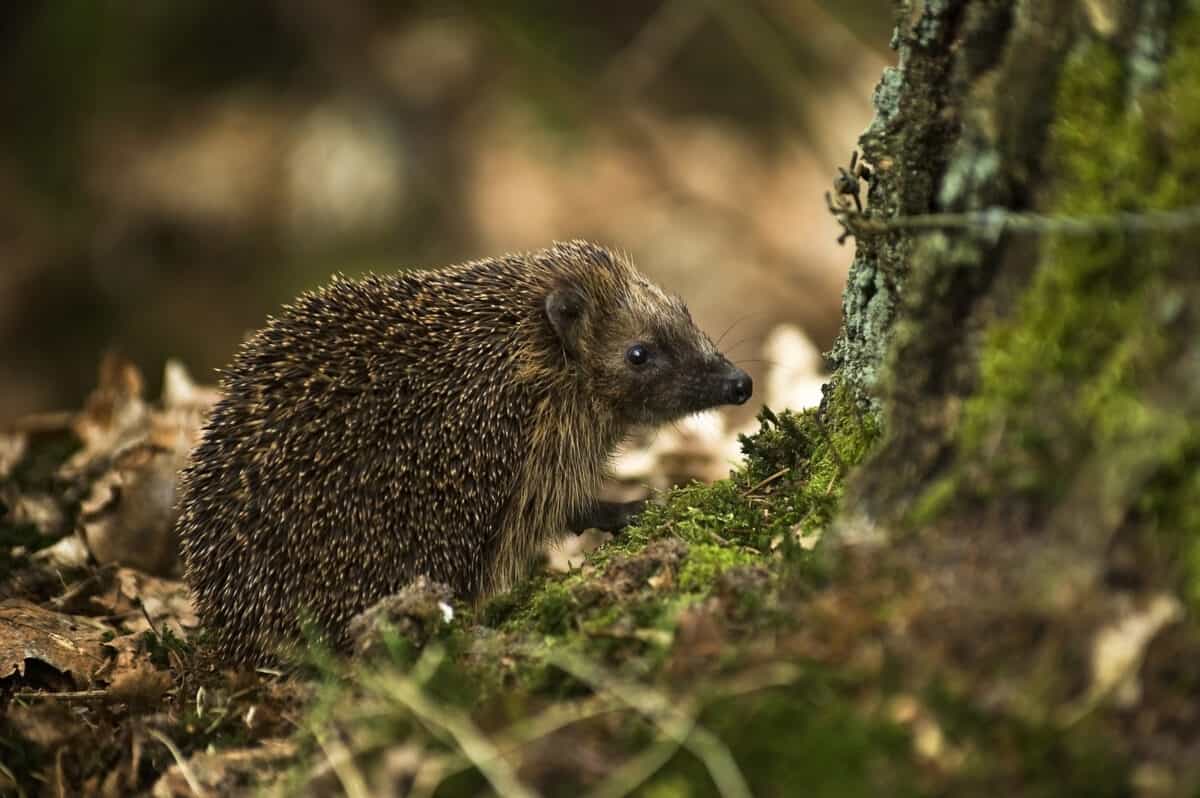
To safeguard hedgehogs in your garden, it’s vital to minimize potential hazards and provide an environment conducive to their well-being.
Avoid Chemicals
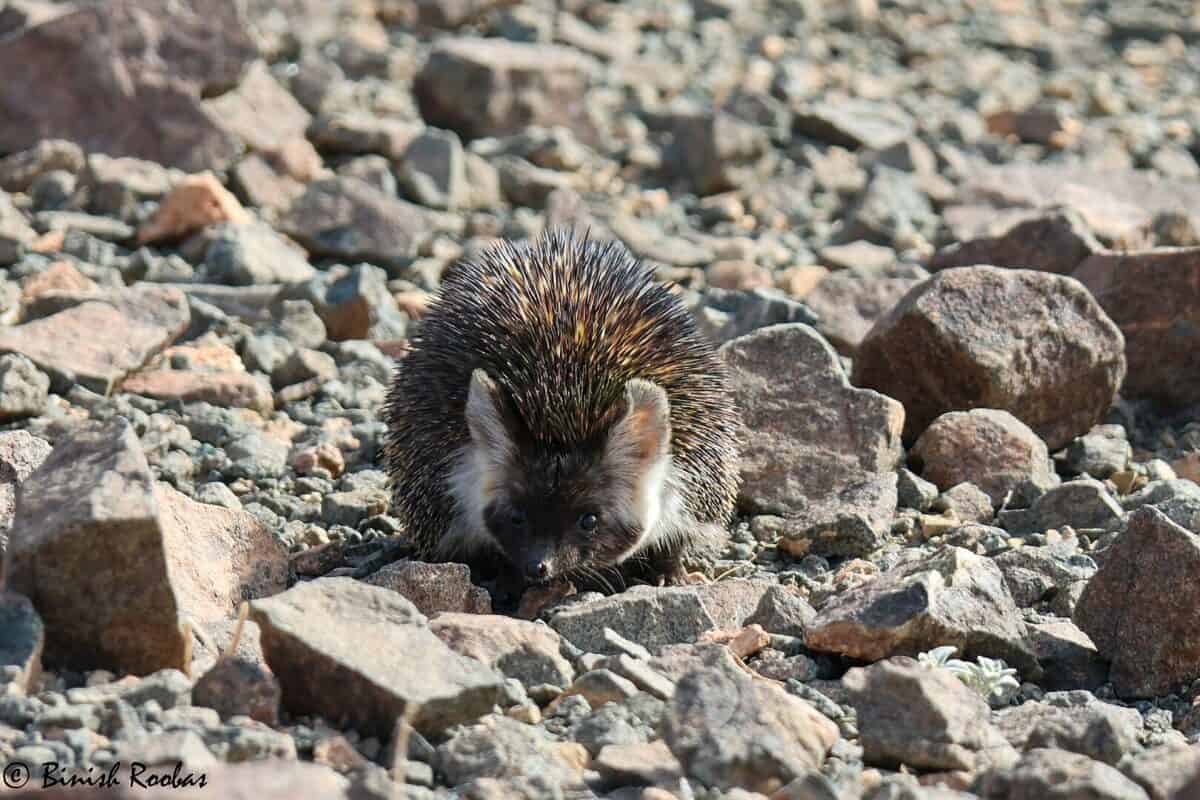
Pesticides and herbicides pose significant threats to hedgehogs by poisoning their food sources and directly exposing them to toxins. Opt for organic gardening solutions and natural pest control methods to maintain a chemical-free habitat.
Beware of Garden Hazards
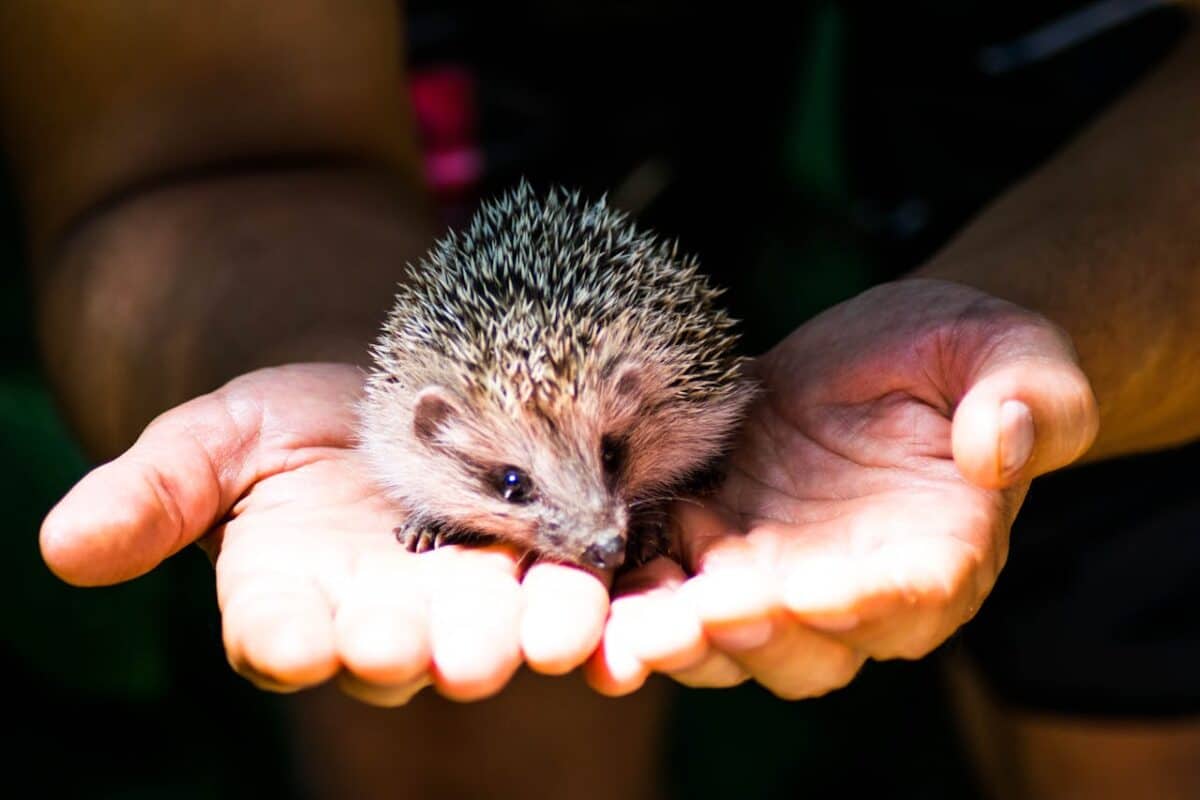
Everyday garden features, such as ponds, can become lethal traps for hedgehogs. Ensure that ponds have shallow edges or ramps to allow hedgehogs to climb out safely if they fall in. Secure nets or covers for drains and deep holes to prevent them from becoming ensnared or trapped.
Check Before Strimming
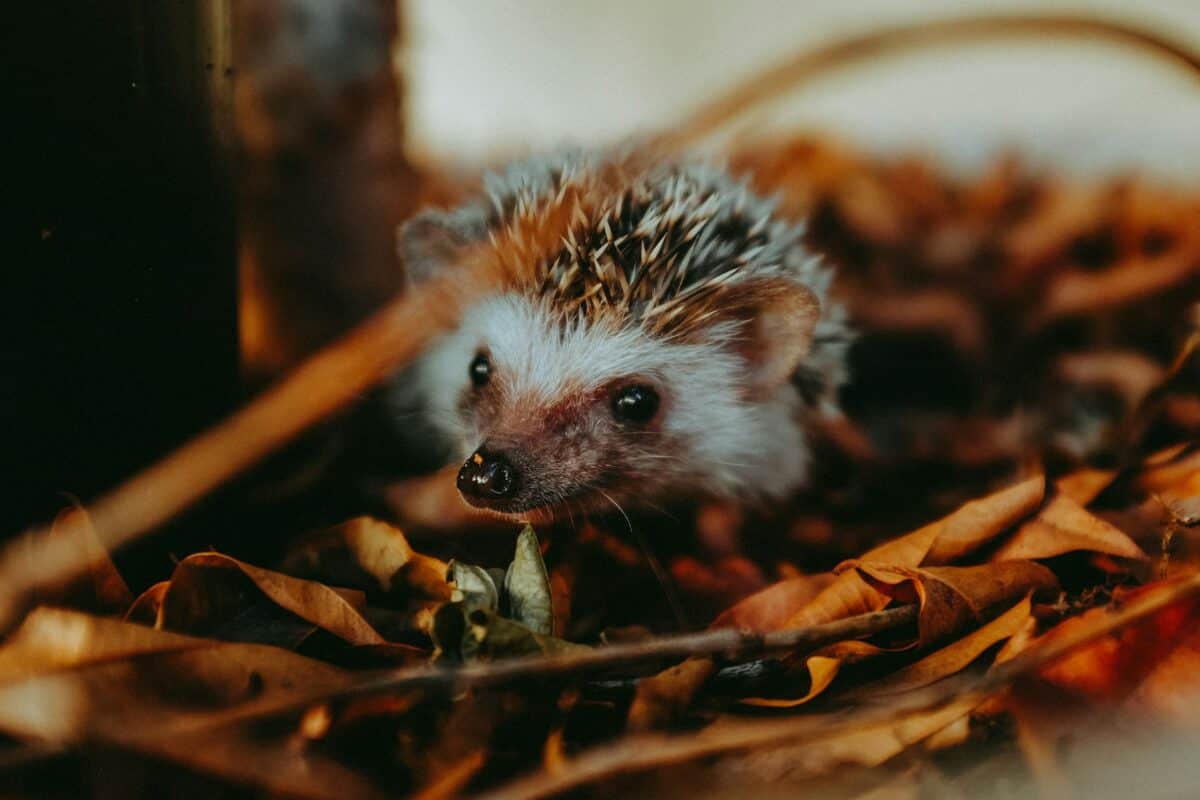
Before using garden strimmers or mowers, it’s essential to check for resting hedgehogs in overgrown areas or long grass. These devices pose a severe risk of injury or death to hedgehogs, who often hunker down when alarmed instead of fleeing the area.
Engaging with the Hedgehog Community
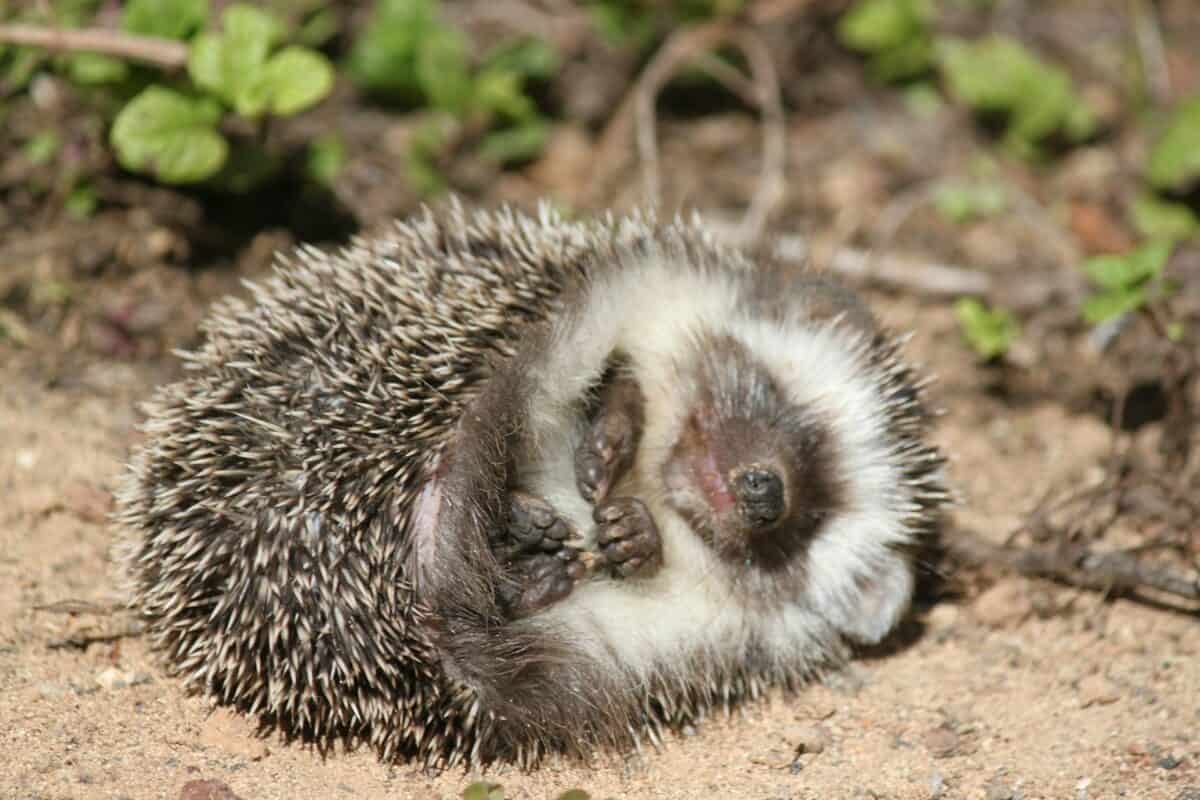
Supporting hedgehogs extends beyond our gardens. Engaging with local conservation groups and participating in wildlife surveys can boost conservation efforts and expand your understanding of hedgehogs. These initiatives often offer resources and help connect like-minded individuals passionate about creating supportive environments for hedgehogs.
Enjoying Your Hedgehog Haven
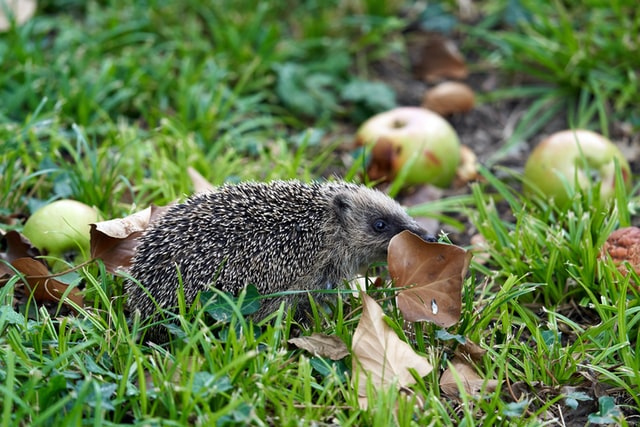
Creating a garden haven for hedgehogs is an enriching endeavour, both for the gardener and these endearing creatures. With mindful planning and sustainable gardening practices, you can enjoy the benefits of a biodiverse garden and contribute to the survival of this cherished species. Watching these delightful mammals scuttle through your greenery offers a joyful reminder of the natural world’s charm, enhancing our connection to nature and conservation. By inviting hedgehogs into our lives, we embrace a shared responsibility to nurture and protect our wild neighbours.

As a little kid, I fell in love with nature, wildlife, and animals. Living in the USA, South Africa, Italy, China and Germany gave me the opportunity to discover the world's Wildlife. My favorite animals are Mountain Gorillas, Siberian Tigers, and Great White Sharks.
I'm a certified PADI Open Water Diver, went to Everest Base Camp and Trekked Gorillas in Uganda. I hold a Master of Science in Economics and Finance.
Please send any feedback to feedback@animalsaroundtheglobe.com
- Creating a Garden Haven for Hedgehogs - August 8, 2026
- 13 Animals That Use the Earths Magnetic Field - August 7, 2026
- 10 Coldest Days in American History - August 7, 2026
Leave a comment
You must be logged in to post a comment.