
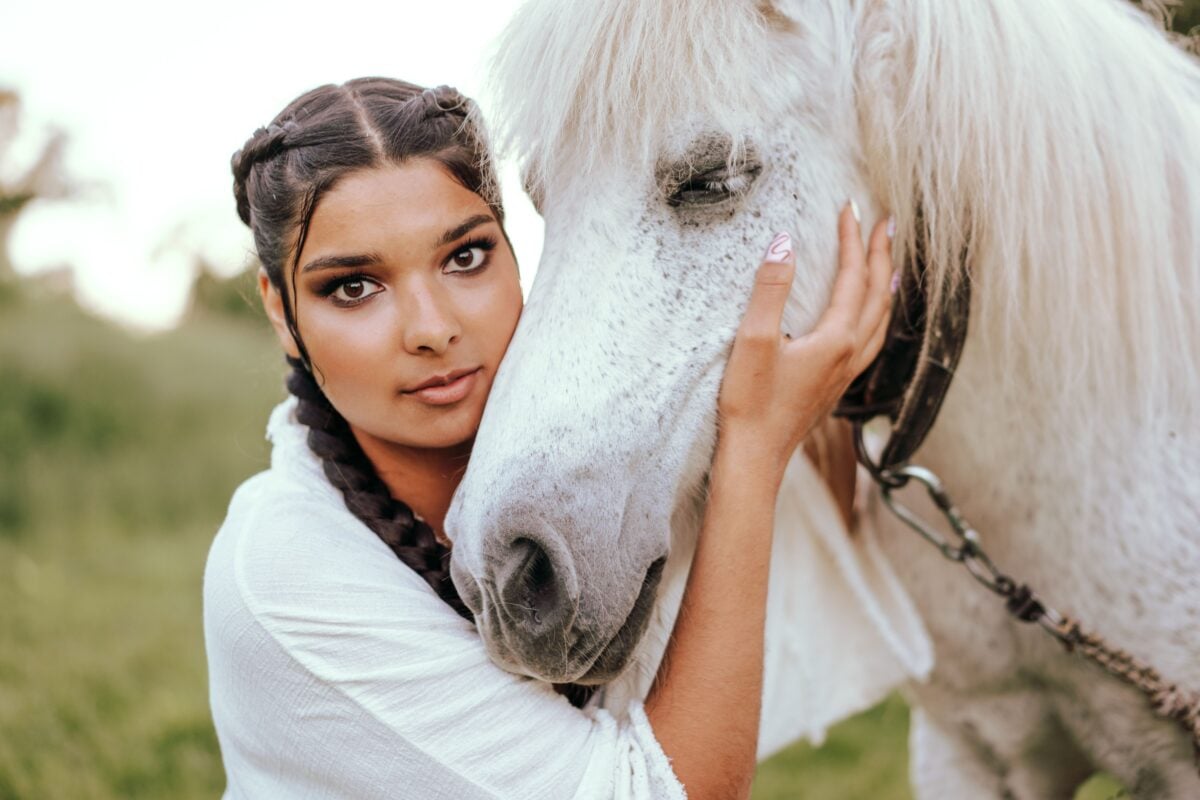
Most people think a horse shows love the loud way – bolting to the gate, nuzzling your pockets for treats, standing still so you can hop on bareback. Horse people know better, and they don’t talk about it much because it sounds almost too small to mention.
The real bond isn’t loud at all. It’s written in an ear flick, a breath, a shift of weight nobody else would ever catch – and once you know what to look for, you can’t unsee it. Here are the 18 quiet tells that mean a horse hasn’t just tolerated you. It’s chosen you.
#1 – It Parks Its Body Right in Your Space… and Then Relaxes
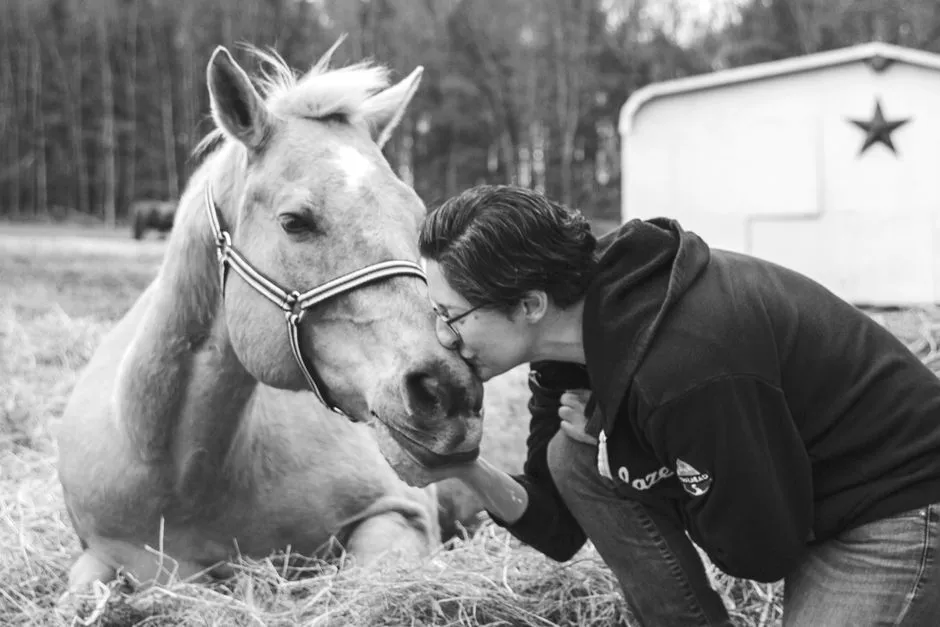
When a horse has truly claimed you, it doesn’t hover at the edge of your bubble. It walks right up and settles beside you – not pushy, not crowding, just “I’m here, and I’m staying.” To an outsider it looks like lazy loitering. Look closer and you’ll catch the soft eye, the loose lower lip, one hind leg cocked, maybe a slow tail swish.
That’s a horse choosing to rest in your shadow the same way it would pick a trusted herd mate out in the pasture. You’ll see it in the boring moments, not just the fun ones – mucking stalls, chatting at the arena fence, scrolling your phone in the paddock. Your horse drifts over and simply stands, no treats demanded, no fidgeting. Horses don’t rest this openly beside someone they’re unsure of, because letting your guard down is the most vulnerable thing a prey animal can do.
#2 – It Tracks You with Just One Ear, Even When “Ignoring” You
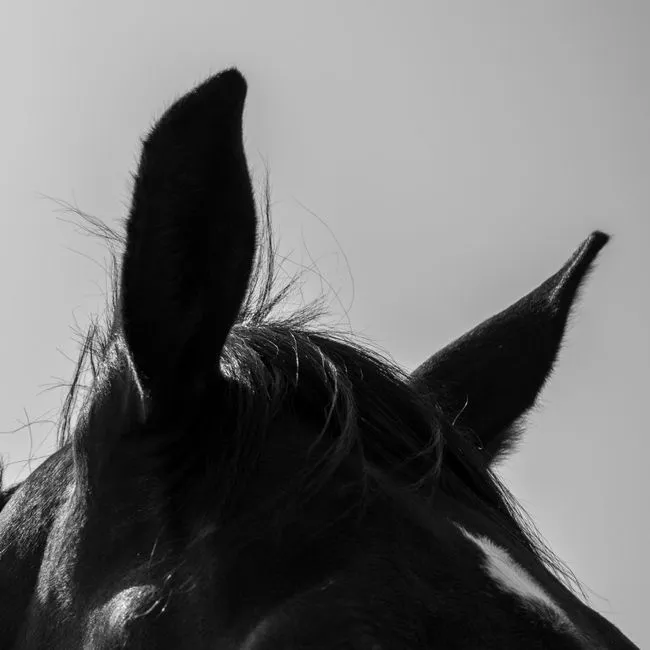
Watch a horse that has chosen its person and you’ll notice something small but constant: one ear stays quietly tuned to them. The horse might be grazing, dozing, or seemingly ignoring you mid-conversation with someone else – but that inside ear keeps tracking your voice and your footsteps. In herd life, that kind of half-attention is reserved for the ones who matter.
Your horse already knows your walk, your laugh, your cough, the rattle of your gate latch. It doesn’t need to stare to keep tabs on you. Change your direction or your mood, and that ear flicks faster than it does for almost anyone else on the property. It’s easy to miss because it’s not dramatic – but experienced handlers will tell you it’s one of the clearest signs you’ve become “herd.”
Fast Facts
- Each horse ear is controlled by roughly ten separate muscles, allowing it to rotate nearly independently of the other.
- Horses can swivel their ears close to 180 degrees to pinpoint the exact source of a sound.
- Because each ear moves on its own, a horse can literally listen to you while looking somewhere else entirely.
#3 – It Lets You into the “Vulnerable Zones” Without Bracing
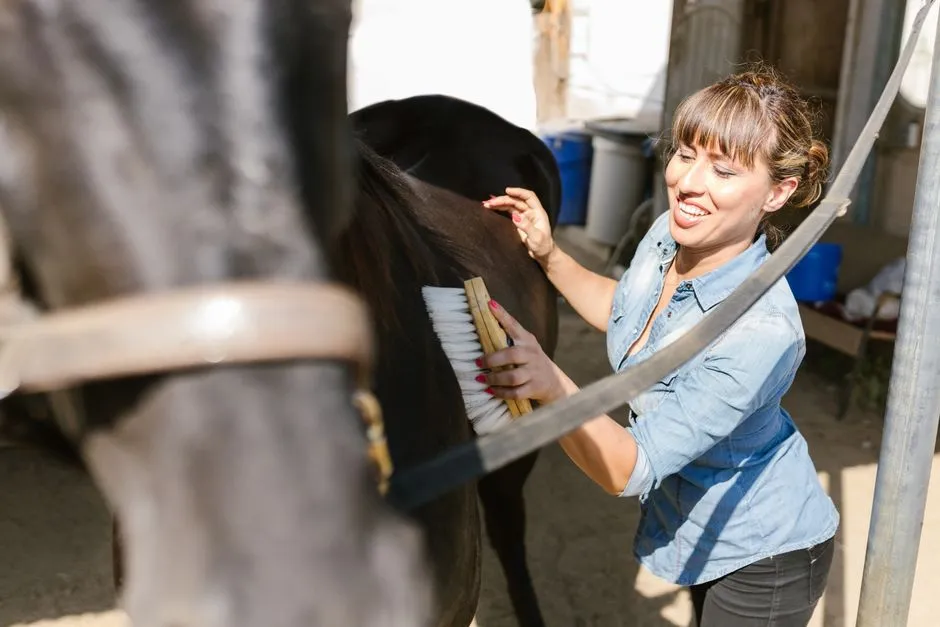
Anyone can pat a horse’s neck. That means almost nothing. The real test is what happens when your hands go where prey animals instinctively guard – under the belly, around the flank, near the hind legs, under the jaw, deep into the ears. A horse that has fully claimed you will soften into your touch there instead of tensing or stepping away.
You’ll notice it most during grooming. Scratch along the girth or under the mane, and instead of pinning its ears, your horse breathes out, blinks slowly, maybe leans gently into you. It might still be a little wary with the farrier or the vet – but with you, it drops the guard longer, deeper. That’s not tolerance. That’s a prey animal choosing to be unguarded because you’re the one standing there.
#4 – It Breaks Away from the Herd to “Check In” with You
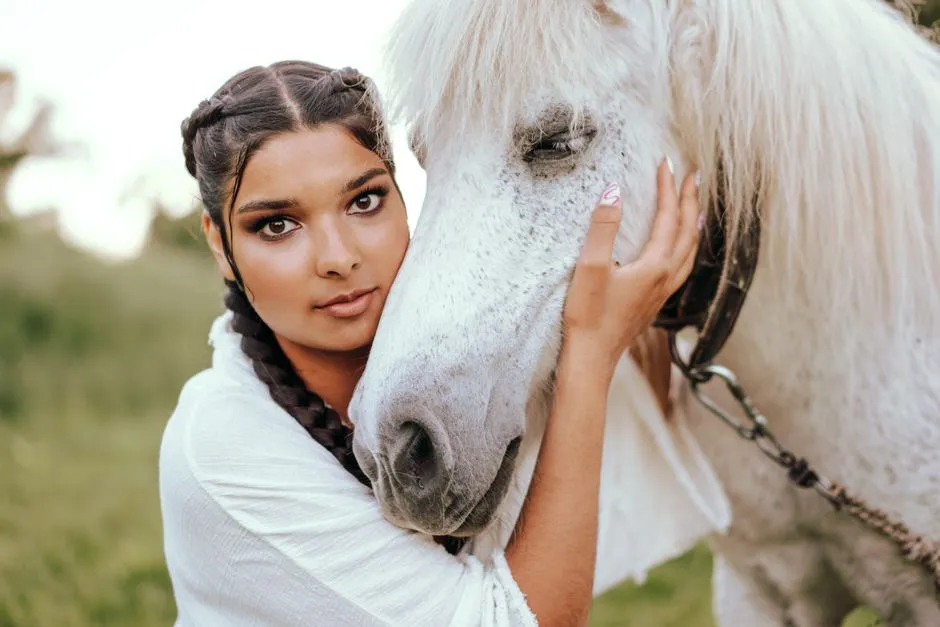
Everyone assumes a horse running to the gate is love. Sometimes it’s just the feed schedule. The real sign is quieter: your horse voluntarily peels away from hay, buddies, or a nap just to walk over, sniff you, and wander back. That tiny check-in is exactly how herd-bonded horses keep track of their favorites.
You’ll see it clearest in turnout. Walk into the field without a halter, without calling anyone, and your horse lifts its head, studies you, and strolls over on its own. Maybe there’s a nose touch, a breath on your sleeve, or just a beat of standing together. Then it goes back to grazing. That unnecessary little visit is a relationship status update: “I know you’re here, and you matter.”
#5 – It Mirrors Your Energy Faster Than It Mirrors Anyone Else’s
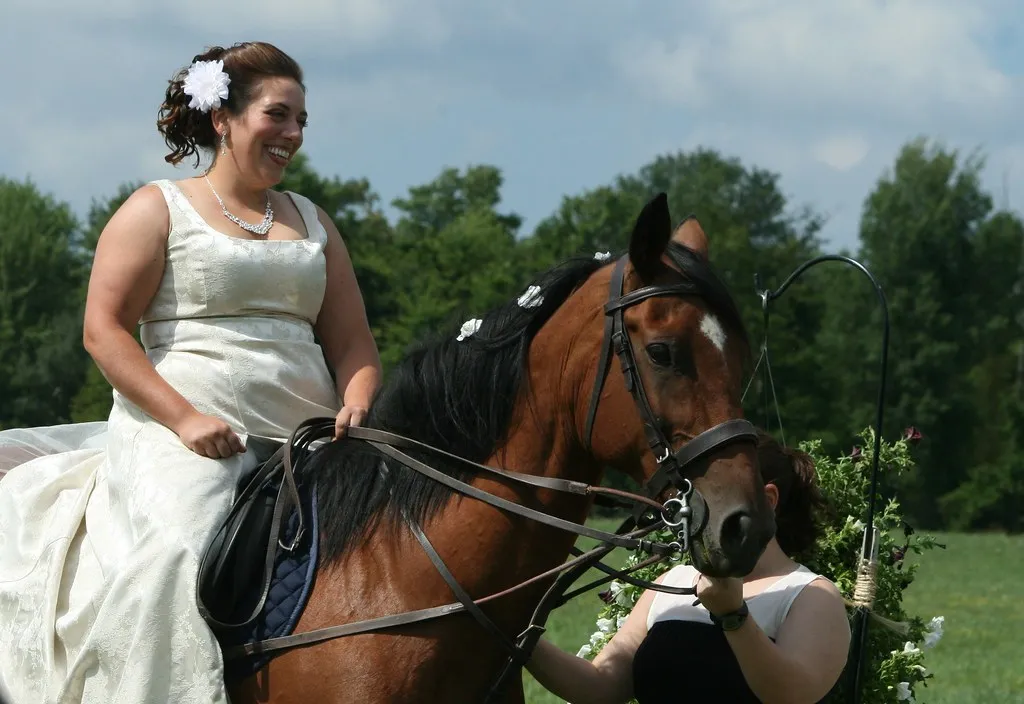
This is the one non-horse people almost never notice. A horse that has claimed you will sync its nervous system to yours faster than it does with anyone else. When you’re calm, it settles. When you’re tense, it buzzes. It’s not mystical – it’s hyper-attunement built from thousands of shared, ordinary moments.
Watch what happens when a storm rolls in or a tractor backfires. With someone else holding the lead, the horse might stay tight and snorty. Hand it to you, and the same horse often exhales, drops its head, and starts licking and chewing. The reverse is true too – if you’re anxious, it picks that up in seconds. If your horse reliably finds calm specifically when you’re the one at the other end of the rope, that’s not an accident.
#6 – It Reserves Its Softest Vocalizations Just for You
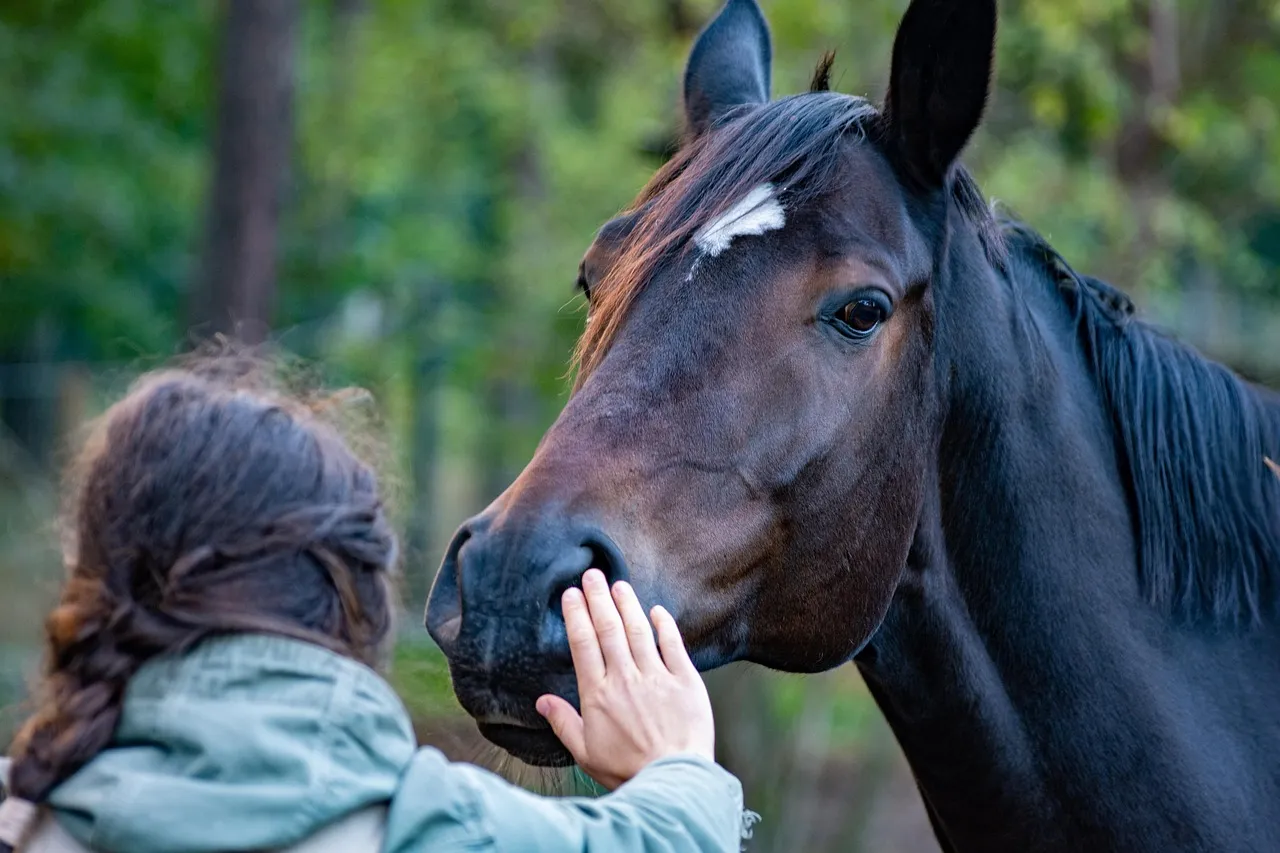
Loud whinnies get all the attention, but real intimacy lives in the quiet sounds – low rumbles, soft nickers, breathy exhalations through the nose. Many owners swear their horse has a “you’re here” sound reserved just for them. Trainers consistently report that horses use more subtle, low-volume vocal cues with the people they trust most.
Pay attention at feeding time or the moment you walk into the barn. Does your horse give everyone the same brash, demanding whinny, or does it save something quieter, almost under-the-breath, just for you? You might even catch a soft hum or rumble when you find a favorite scratching spot. Horses don’t waste that kind of soft language on people they’ve written off as irrelevant.
#7 – It “Blocks” Others with Its Body to Stay Closer to You
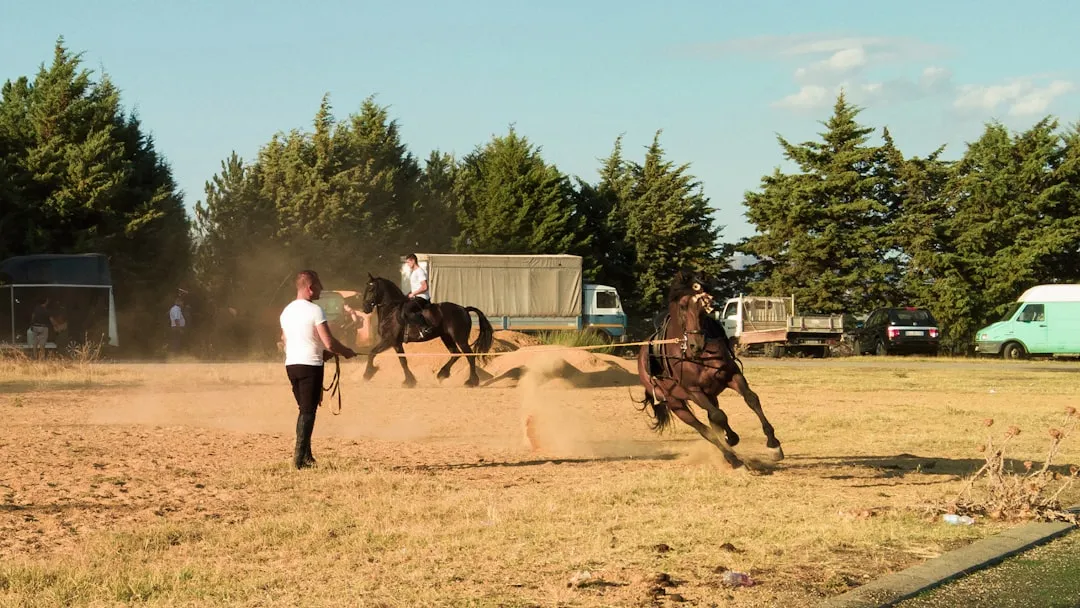
This one divides people – some find it endearing, others call it rude. When a horse feels you’re truly its person, it may quietly position its body between you and other horses, or even other people. Done well, it’s not aggression. It’s a slow, deliberate drift into the space closest to you.
You’ll catch it at the gate, in the cross-ties, in the arena. Another horse approaches, and yours steps over just enough to land between you and the newcomer. A stranger reaches to pet it, and your horse shifts its shoulder to keep the angle in its favor. In herd life, body placement like that is a big deal – it’s how horses control space and guard the relationships that matter to them. Good handlers keep it from turning into pushiness, but the message underneath is unmistakable: I choose to stand here, by you.
Quick Compare
- Bonded blocking: slow, deliberate movement, soft eye, settles once it’s beside you
- Pushy rudeness: fast, pinned ears, swinging hindquarters, repeats even after correction
- Protective positioning: steps between you and a perceived threat, then relaxes
- Dominant shoving: ignores your cues and invades space regardless of your response
#8 – It Waits for Your Cue, Even When Someone Else Is Asking
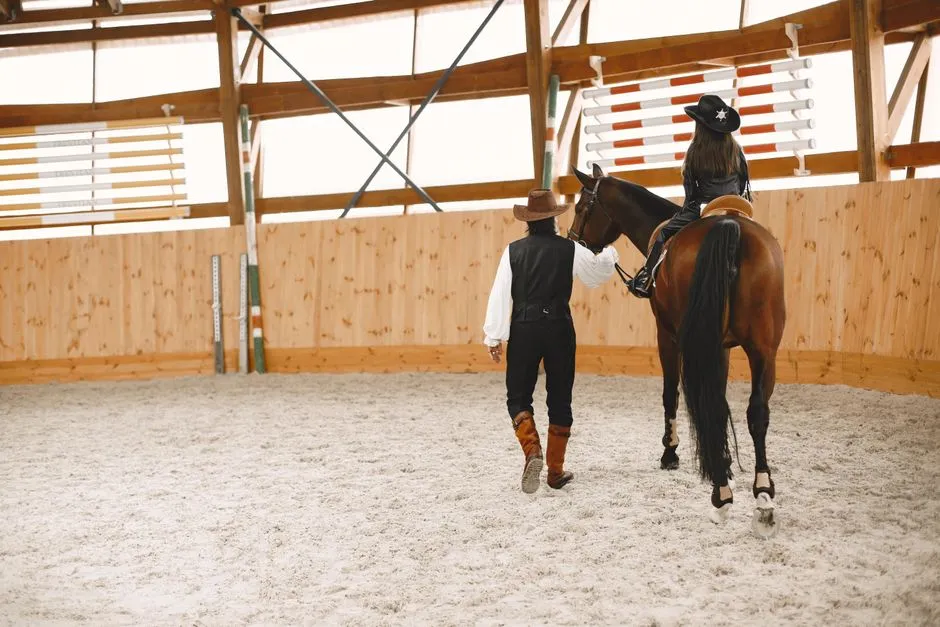
A horse that has claimed one person often reveals it in training. Someone else tugs the lead, clucks, waves the whip – the horse complies, eventually, half-heartedly. The second you step in, it sharpens up, almost over-attentive. It’s quietly saving its best effort for you.
You’ll see this at clinics, or when a friend rides your horse. The instructor asks for a transition and gets a dull response. You speak up, or your friend copies your exact cue, and suddenly the horse responds like it always does with you. Professionals roll their eyes at “owner bias,” but even they admit horses get handler-dependent – and when that dependence leans toward softness instead of anxiety, it’s a win. If your horse keeps checking your face even when someone else is technically in charge, that’s its attachment showing through.
#9 – It Shows You the “Ugly Stuff” Without Exploding
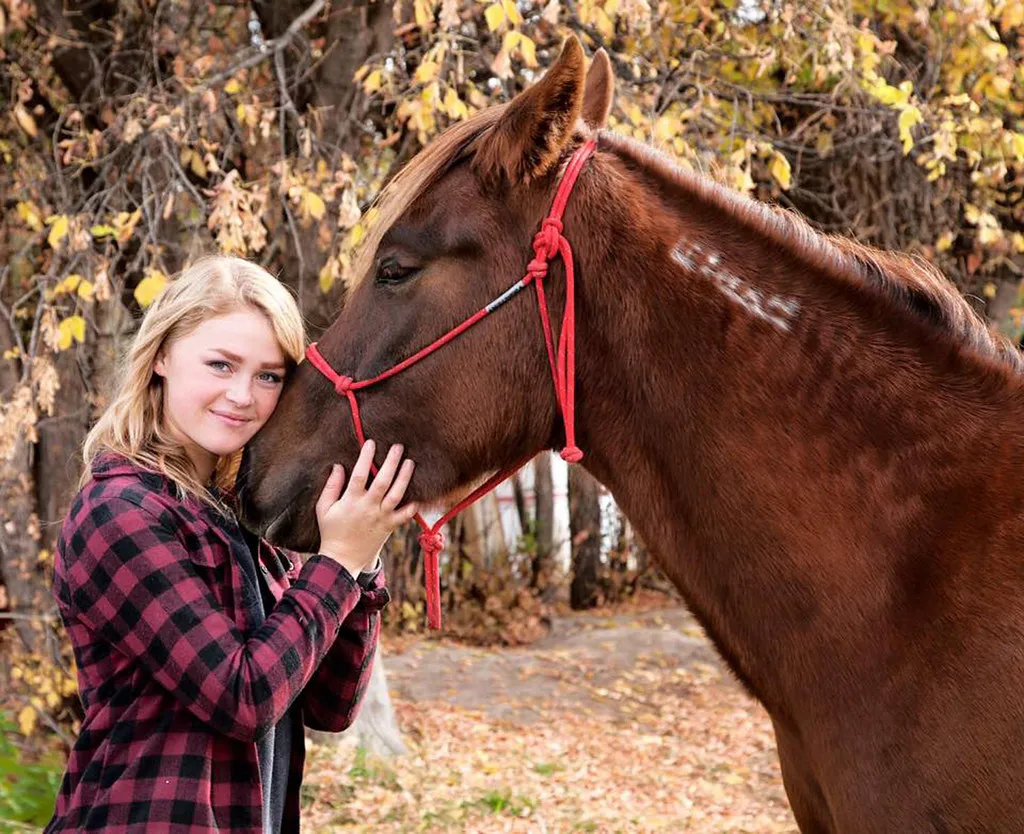
Here’s the uncomfortable truth: a horse that never shows you any resistance, fear, or opinion might not trust you – it might just be shut down. Real bonds often look messier at first. A horse that has fully claimed you may finally feel safe enough to show you its real stress or pain, and let you help it through instead of panicking.
- Finally revealing soreness when you curry a certain spot
- Getting fussy about a saddle that always kind of hurt
- Showing a more expressive “no” with you than with a stranger
People misread this and say, “He’s only naughty with me.” Sometimes, sure. But often he’s only honest with you because you’ve proven you listen and don’t punish him for saying something. The bond isn’t the absence of emotion – it’s the ability to move through it together without breaking trust.
#10 – It Echoes Your Walking Pace Without a Lead Rope
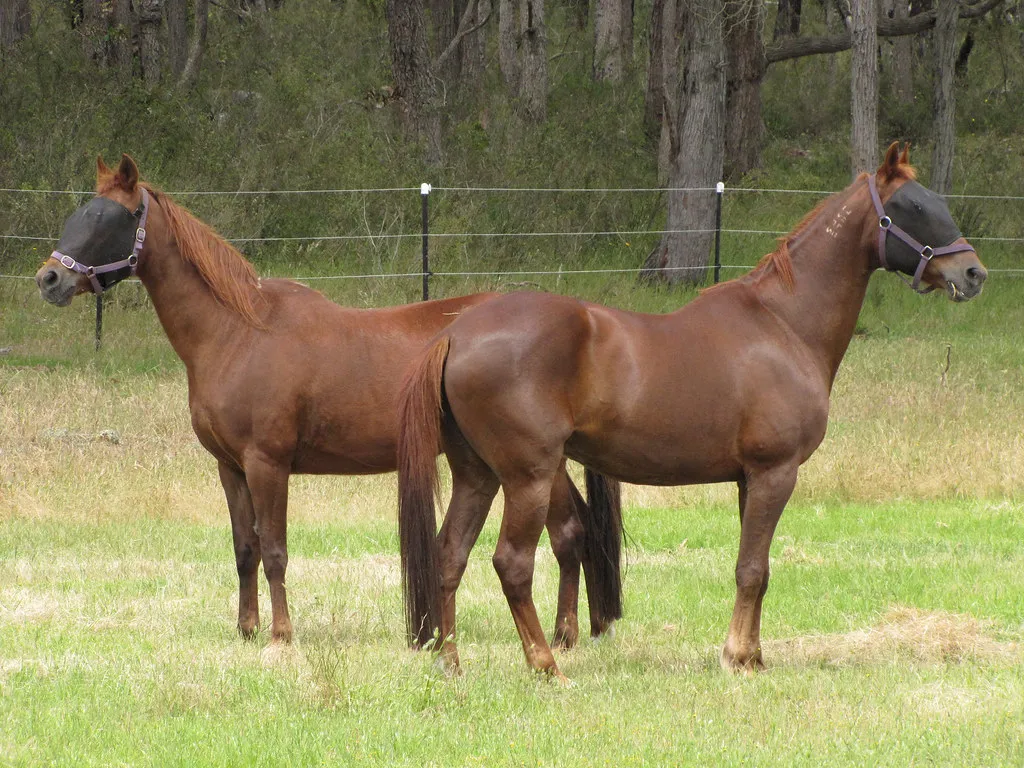
Liberty work is trendy, but you don’t need circus tricks to see real connection. Put your horse in a safe, enclosed space with no lead rope. If it has claimed you, it will often naturally sync to your walk – speeding up when you speed up, slowing when you slow, curving around corners with you like a shadow.
This isn’t magic. It’s pattern recognition built from time – your body language has become a reference point in its world. Start and stop a few times. Does your horse drift off, or pause and amble back to your side? When a prey animal chooses to “hook on” without any pressure, that’s herd-level attachment showing up in motion. Obedience under tack is one thing. Voluntary mirroring on the ground is something else entirely.
#11 – It Recovers from Fear Faster When It Can Touch You
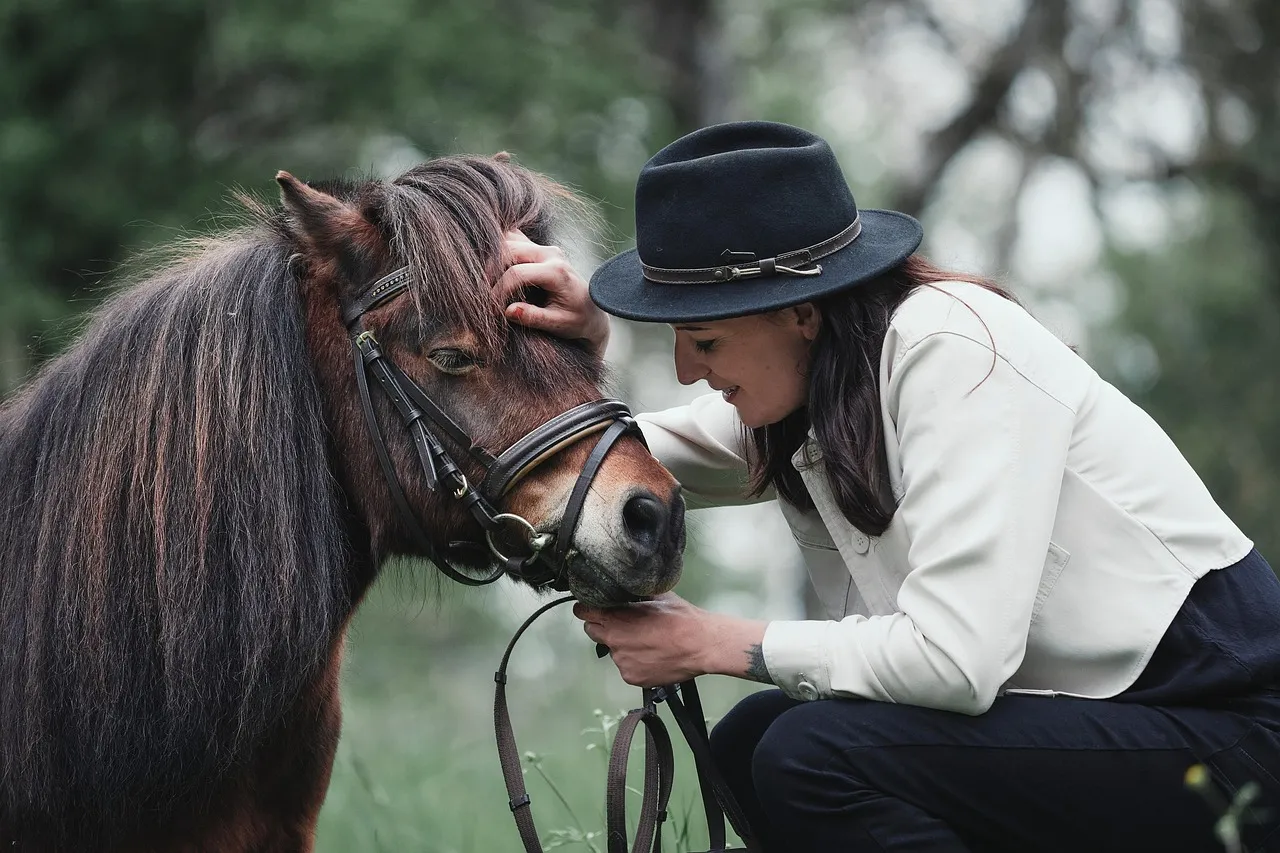
Every horse spooks. The tell is what happens three seconds later. A horse that has truly adopted you may startle at a tarp or a bird, then immediately seek physical contact – nostrils on your arm, shoulder against your side, a light lean – before its heart rate even drops back down. You’ve become part of how it copes.
Some riders mistake this for clinginess, but context matters. If the horse is only calm once it’s back at the barn, that’s location-based safety. If it calms the moment it can reach you, even somewhere new, that’s relationship-based safety. Horses in the wild touch or group tightly after a scare; if you’re the one it reaches toward, you’re effectively its herd. It’ll still spook again – but it’ll use you to come back down.
Worth Knowing
- A calm, healthy adult horse typically rests at 28 to 44 beats per minute.
- A single scare can send that heart rate soaring within seconds, long before the horse looks visibly upset.
- Bringing heart rate back down takes time, routine, and – for a bonded horse – often the reassurance of physical contact with its person.
#12 – It Drops Its Head When You Approach, Not When You Leave
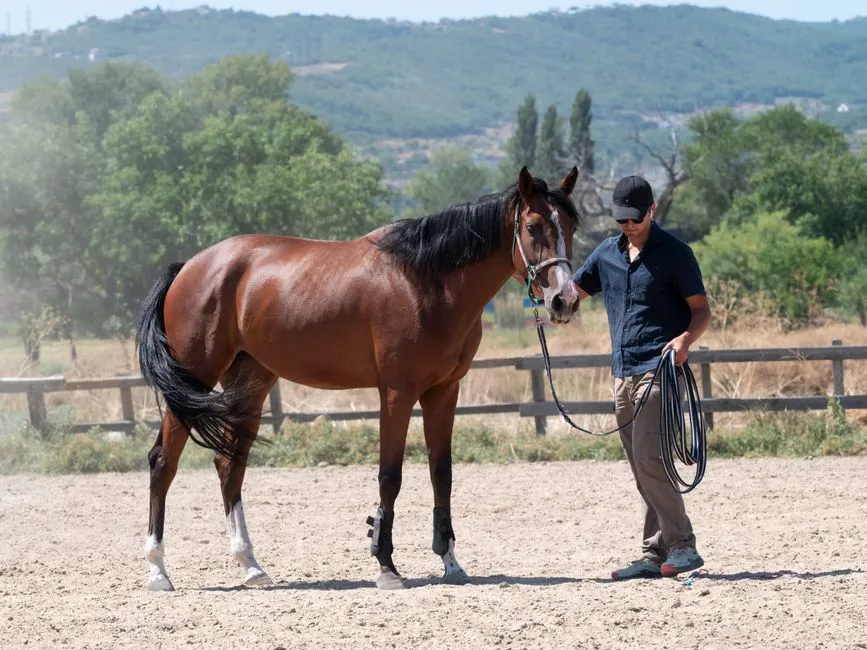
We assume leaving is the relief. Plenty of horses do sigh and relax once a human walks away. But when a horse has claimed you, something different happens: its relaxation starts as you approach, not after you’re gone.
Watch closely in a busy boarding barn. Another boarder walks into the aisle; your horse glances over and goes back to what it was doing. You round the corner, and its whole posture melts before you’ve even said its name – head lowering, eyelids softening, maybe a yawn or a lick and chew as your hand reaches the halter. If you’re honest, you’ve seen horses do the opposite with certain people, bracing the second they show up. Your horse voting with its nervous system in your favor is one of the most underrated “I’ve claimed you” signals there is.
#13 – It Offers Tiny “Follow-Up” Gestures After You Stop Touching It
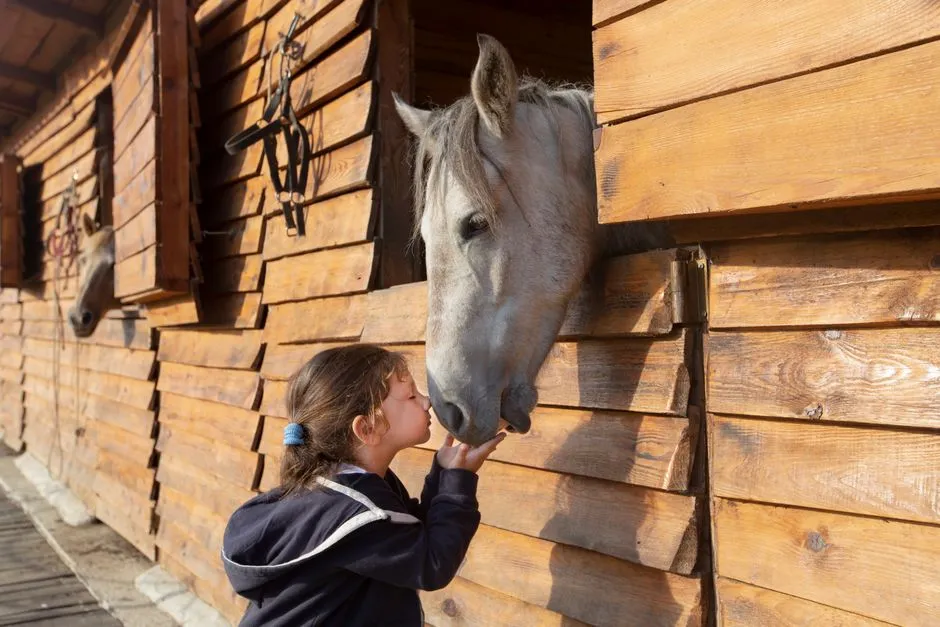
Affection with horses is usually one-sided – we pet, we stop, they walk off. But a horse that truly sees you as its person will sometimes extend the moment after you’re done: a light nose bump to your shoulder, a whisker-soft brush along your hand, a slow lean of the forehead into your chest.
This isn’t mugging you for treats. There’s no frantic searching, no pushy lips – it’s slower, almost questioning, like it’s asking, “Are we still connected?” You groom, you step back, and your horse takes one small step forward to line its body back up with yours. In herd terms, that’s exactly how bonded horses keep contact – hip-to-hip, neck over neck, nose to flank. When a horse translates that instinct toward a human, it isn’t random.
#14 – It Bends the Rules Just to Keep You in View
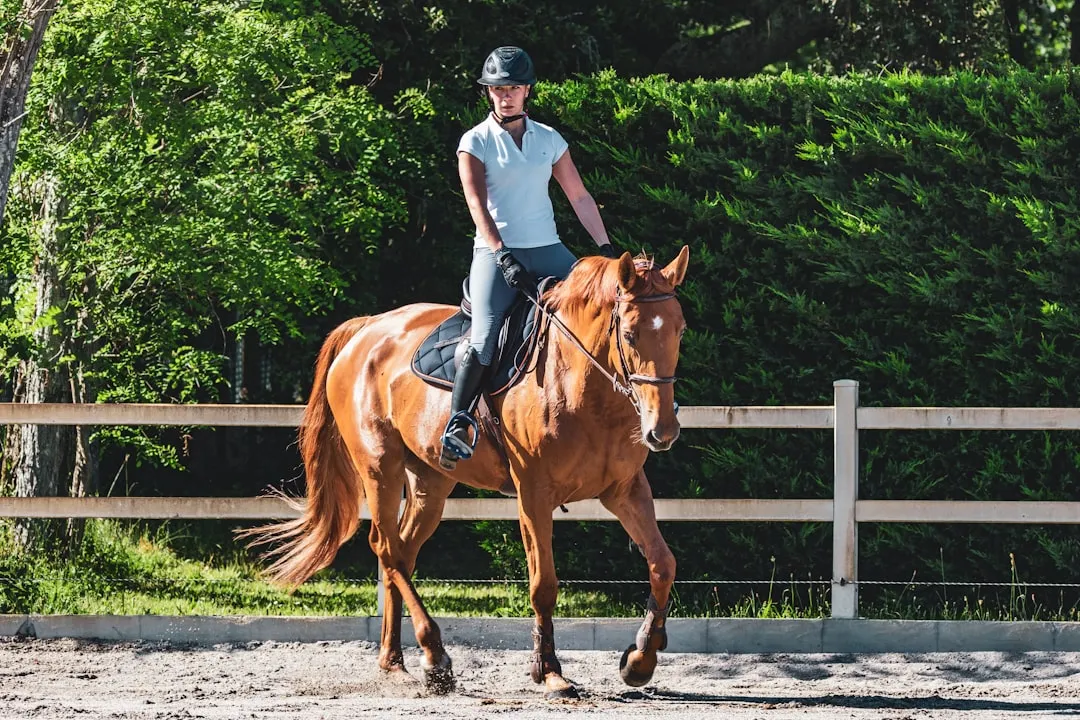
This one drives riding instructors a little crazy, but it’s telling. Some deeply bonded horses will quietly bend the rules of arena work just to keep you in their line of sight – drifting toward the gate where you’re standing, or noticeably softening their stride when you’re the one in the middle.
In theory, a horse should go the same for everyone. In reality, horses are social creatures, not machines. If it relaxes more with you watching, or calls once when it loses track of you on the rail, that’s data. The unpopular truth: plenty of “trainer’s horses” go best for whoever rides them daily, not the owner who shows up once a month. Consistency plus kindness builds this bias, whether we like admitting it or not. When you’re the one your horse quietly cheats in favor of, you’ve become its anchor.
#15 – It Explores New Places Bravely Only If You Lead the Way
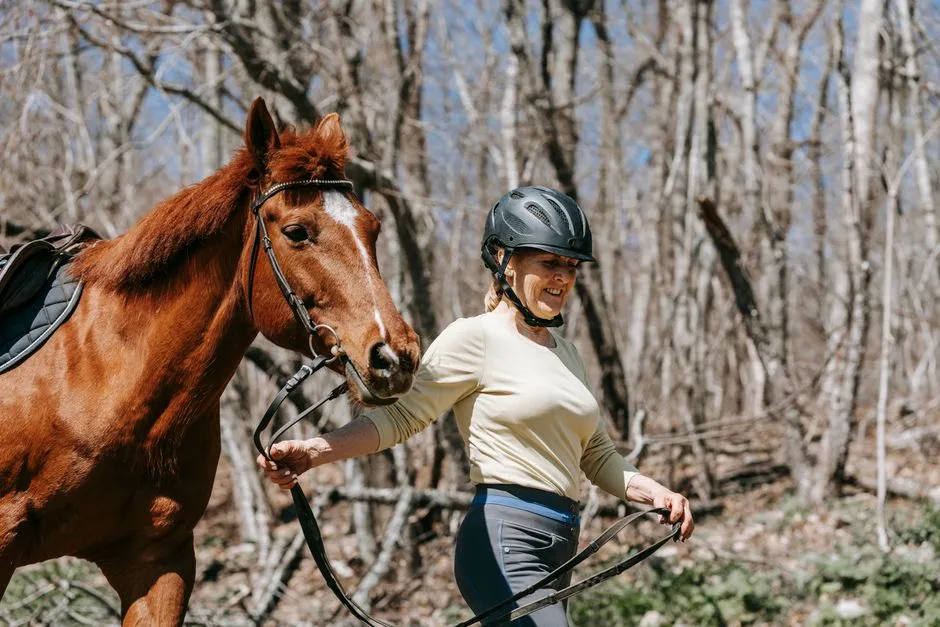
Trail riders see this most clearly. A horse that has claimed you may still eyeball a spooky corner or a new trail – but its willingness to step forward changes drastically depending on who’s holding the lead. With you up front, it hesitates, takes a breath, and walks on. With someone else, it plants its feet or spins in place.
This isn’t about dominance. It’s about being predictable. You’ve built a track record – when you say “we’re safe,” you don’t lie. When you say “we’ll stop if it’s too much,” you mean it, and your horse files that away. In the wild, herd members follow whoever’s decisions have kept them alive; domestic horses run the same math on humans. If your horse’s bravery is clearly person-dependent, and you’re the one it follows, that’s attachment – not coincidence.
#16 – It Shows Subtle Jealousy When Others Get Your Attention
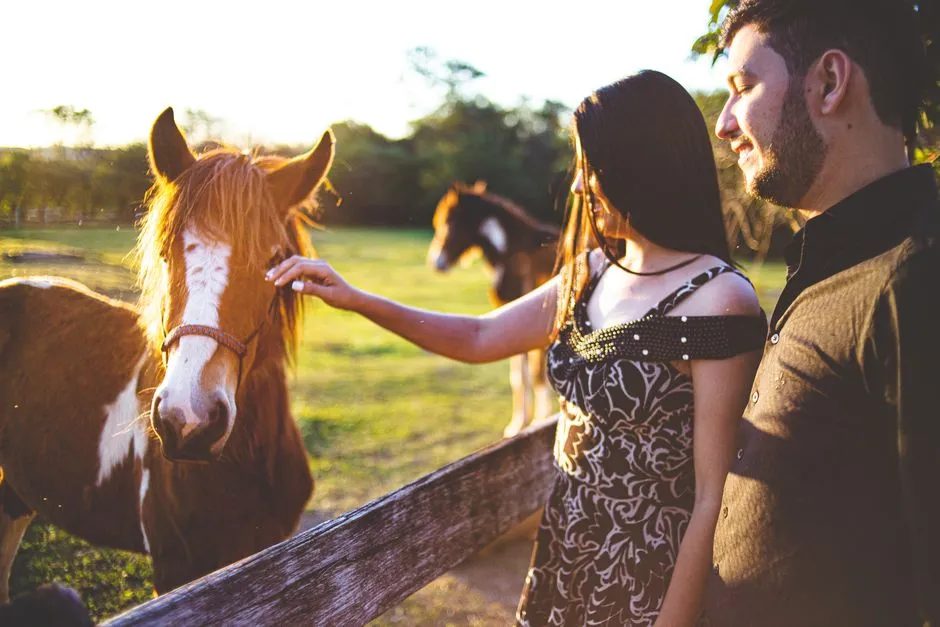
This one will spark arguments in the comments, but long-time owners see it constantly: a horse that has claimed its person will sometimes notice, and object, when that person lavishes attention on other horses. The objection is rarely dangerous – often it’s a loud whinny, pacing the fence, or parking itself at the gate until you’re done.
Behaviorists will correctly point out this can also be resource guarding or routine disruption. Still, context matters. If your horse is indifferent when staff handle other horses but suddenly animated the second you scratch someone else’s withers, that’s a hard pattern to wave off as coincidence. In herd dynamics, bonded pairs often disrupt others who get too close to their chosen partner. We shouldn’t reward rude behavior, but dismissing every flicker of possessiveness as “anthropomorphism” ignores just how socially complex horses actually are.
Why It Stands Out
- Wild and feral horses naturally form long-term bonded pairs within the larger herd.
- Bonded pairs groom each other, stand close, and often react when their chosen partner strays too far.
- A little possessiveness toward a favorite person mirrors real, documented herd behavior – it isn’t just wishful thinking.
#17 – It Chooses Rest Over Play Just to Stay Near You
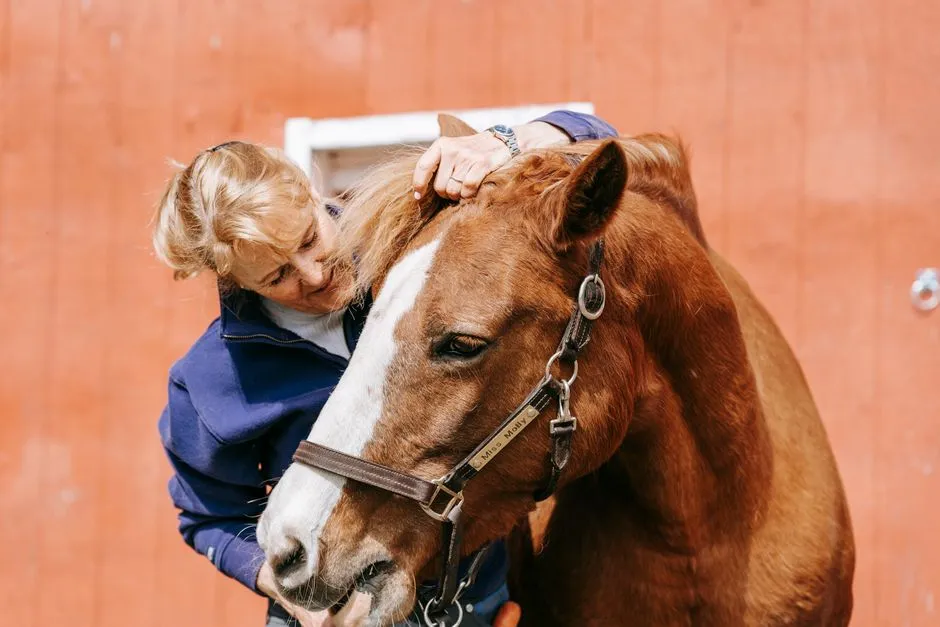
Turnout usually brings out zoomies and social games. When a horse has deeply bonded with you, there are days it will skip the fun entirely just to linger at the fence line or trail you along the perimeter. The rest of the herd is bucking, rolling, chasing each other – and yours is quietly shadowing your path like a big, silent dog.
You’ll see it when you arrive but aren’t there to catch your horse yet. Maybe you’re fixing a fence, cleaning a trough, talking to a friend. Your horse drifts away from the herd, walks your route, and pauses when you pause – no halter, no grain, no agenda, just elective company. For a prey animal wired to stay with its own kind, giving up prime social time to hang around a human is a massive statement.
#18 – It Looks to You First When Something Changes
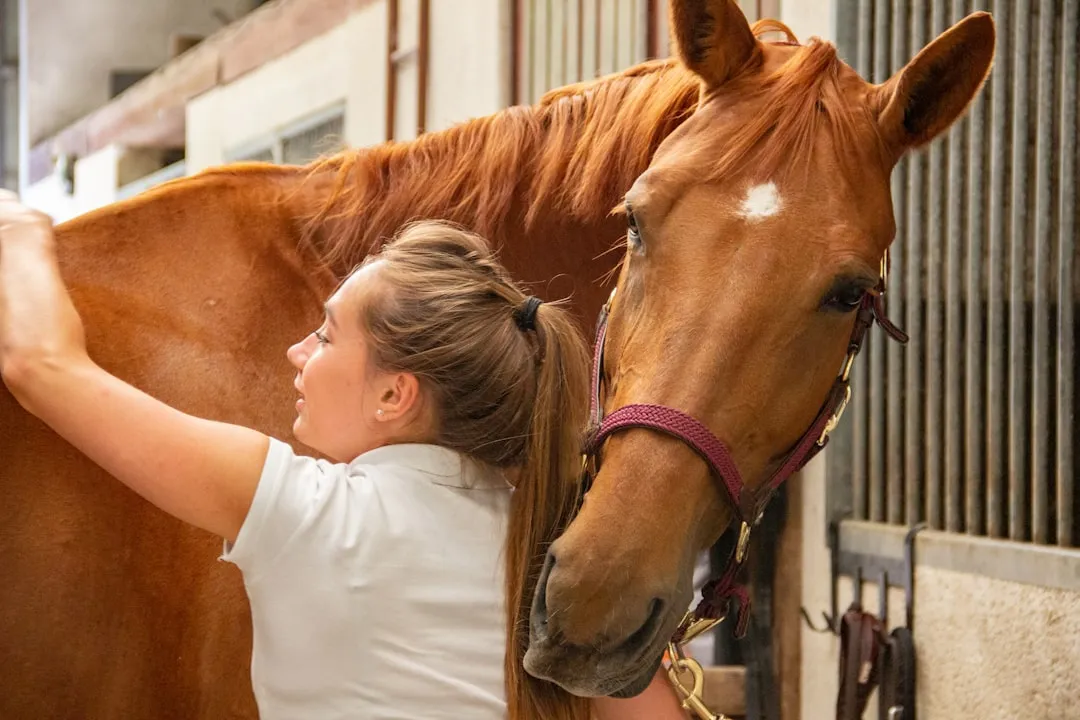
This is the ultimate quiet signal, and seasoned horse people spot it instantly. A truly bonded horse will, in any moment of uncertainty, flick its eyes or its whole head toward you first. New object in the arena. A sudden shout. A plastic bag skittering by. Before it fully reacts, it checks you: are we worried about this?
That lightning-fast glance is pure herd behavior – in a group, less confident horses look to the one they trust most for the answer. If you’ve been consistent, if you haven’t overreacted or lied about danger or punished fear, your horse learns to use your body language as its safety barometer. When your horse’s first instinct under stress is to consult you instead of flee, that’s about as close to “you’re mine” as a prey animal can say.
Horses don’t claim people with grand, Instagram-ready gestures. They do it in micro-choices scattered through boring, unfilmed moments – standing a little closer, dropping their guard when your hand reaches the danger zones, checking your face before deciding whether to spook.
The real love story is written in ear flicks, exhaled breaths, and the way their feet follow yours when nobody’s watching. Not every horse will show all 18 signals, and some will never bond deeply with any human, and that’s fine – that’s just who they are.
But if you’re seeing these patterns, stop second-guessing yourself. Your horse has quietly slotted you into its inner circle, where herd and home blur into the same thing. Which of these do you see in your own horse, and which ones do you flat-out disagree with? Say so in the comments – horse people never back down from that argument.
