


In the rich, lush rainforests of Australia lives a bird known for its extraordinary vocal prowess. The Lyrebird, a native of Australia, captivates not just bird enthusiasts but anyone who encounters its remarkable ability to mimic sounds from its surroundings. While beautifully plumed, it’s the lyrebird’s auditory skills that set it apart as one of nature’s most intriguing creatures.
The Lyrebird’s Natural Habitat
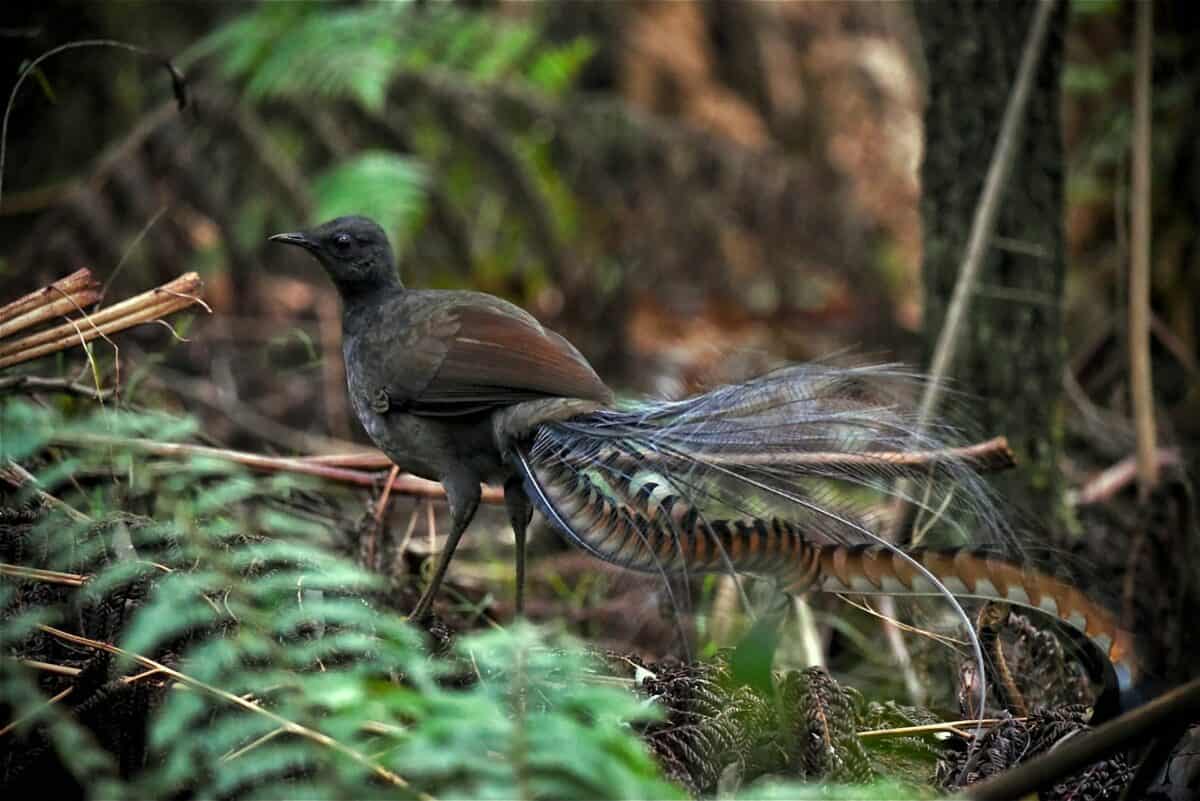
The lyrebird is predominantly found in the forests of southeastern Australia, including Victoria and New South Wales. There are two species: the Superb Lyrebird and Albert’s Lyrebird. The Superb Lyrebird, known for its elaborate tail feathers, is more widespread, while Albert’s Lyrebird resides mainly in a small area in Southern Queensland. These birds thrive in dense forests, which provide ample leaf litter for foraging and a symphony of natural sounds to imitate.
Physical Characteristics and Behavior
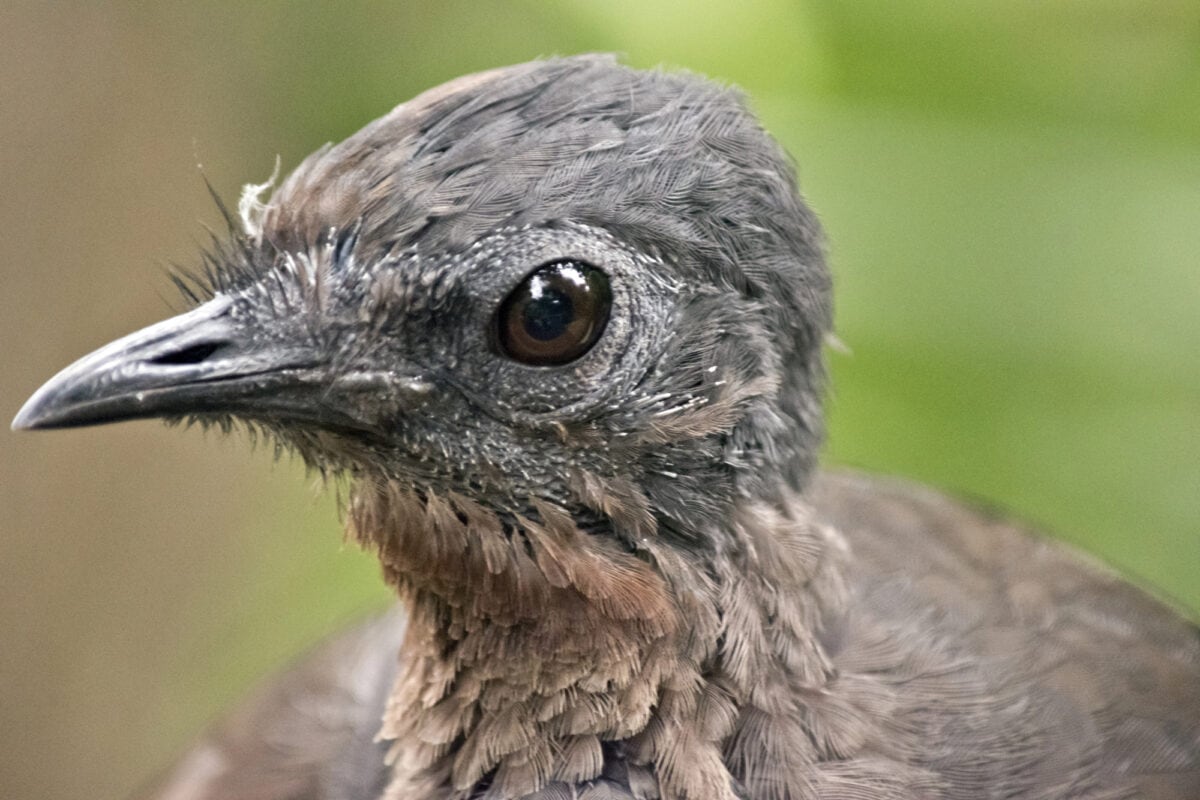
The Superb Lyrebird is a large, ground-dwelling bird with a striking resemblance to a pheasant. It is equipped with strong legs apt for scratching through leaf debris in search of invertebrates. The males showcase a spectacular tail during courtship displays—a tail that resembles the shape of a lyre, from which the bird gets its name. Albert’s Lyrebird, on the other hand, is slightly smaller and less flamboyant, yet it shares the mimetic abilities with its more famous cousin.
The Lyrebird’s Unique Mimicry

What truly distinguishes the lyrebird is its unparalleled talent for mimicry. These birds are capable of accurately replicating a staggering array of sounds. This includes other bird species’ calls, mechanical noises like chainsaws, and even human sounds such as camera shutters. The lyrebird’s syrinx, the bird equivalent of a vocal organ, is incredibly versatile, allowing it to produce such a wide variety of sounds.
The Purpose of Mimicry
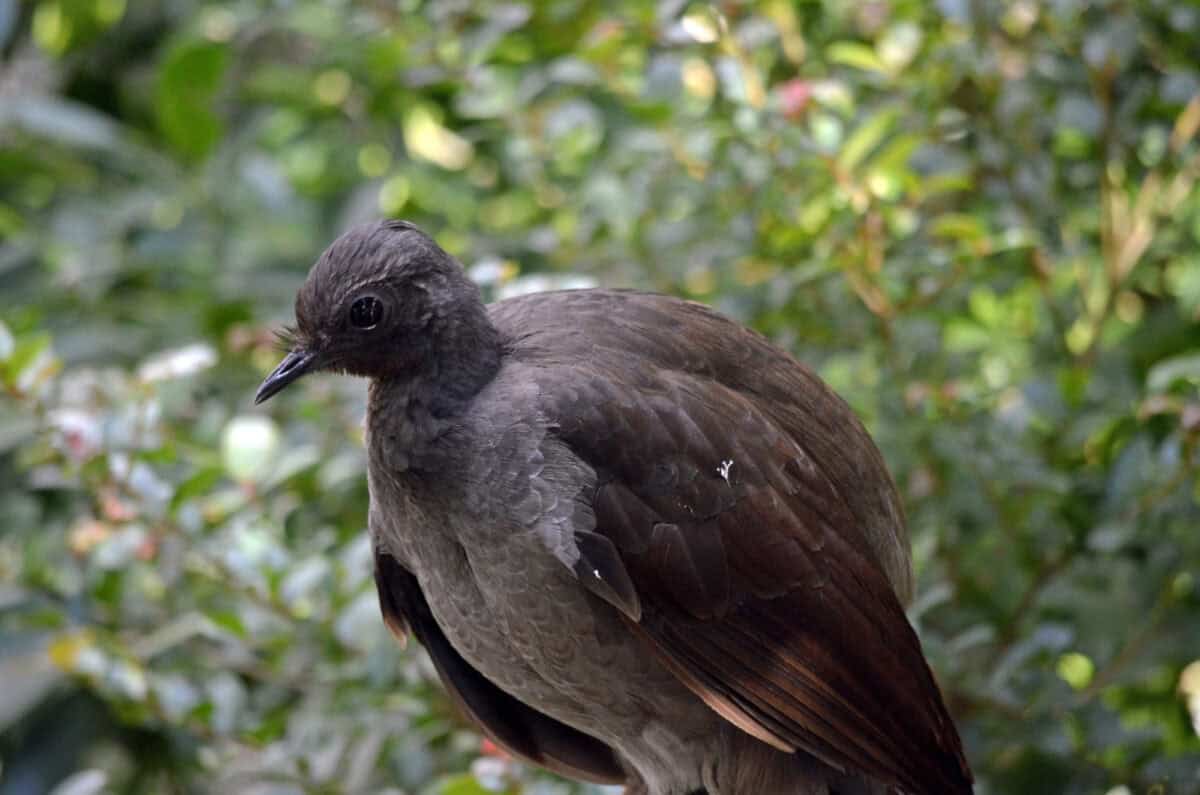
While the lyrebird’s mimicry is often celebrated for its entertainment value, it serves significant ecological purposes. One reason is to attract mates. Male lyrebirds use their vocal repertoire during courtship displays, as a diversified song may indicate vitality and genetic fitness. Additionally, mimicry can serve to deter predators by imitating the calls of more dangerous animals or by creating an illusion of an active environment.
Challenges Facing the Lyrebird
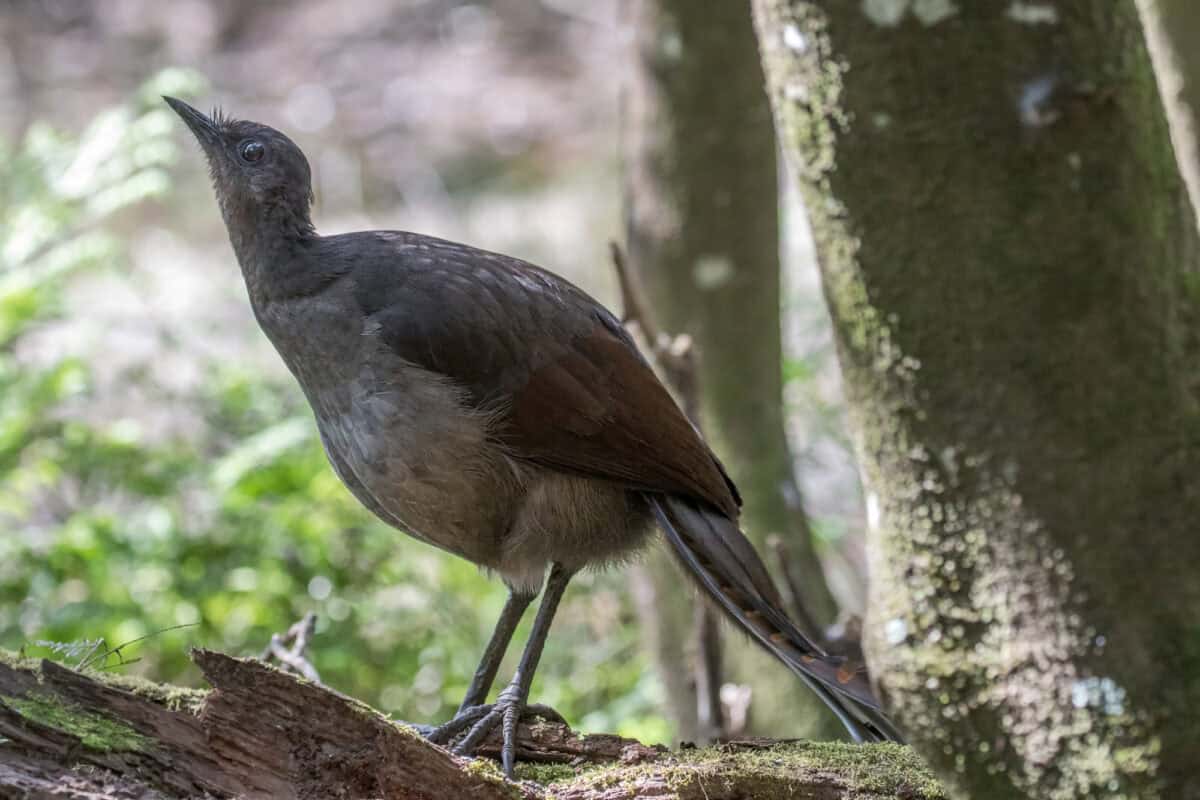
Despite its prowess, the lyrebird faces several threats, primarily due to habitat destruction and fragmentation. Urbanization and logging diminish their living spaces, posing a threat to their survival. Conservation efforts are crucial in preserving their natural habitats and ensuring that these avian virtuosos continue to thrive.
Conclusion
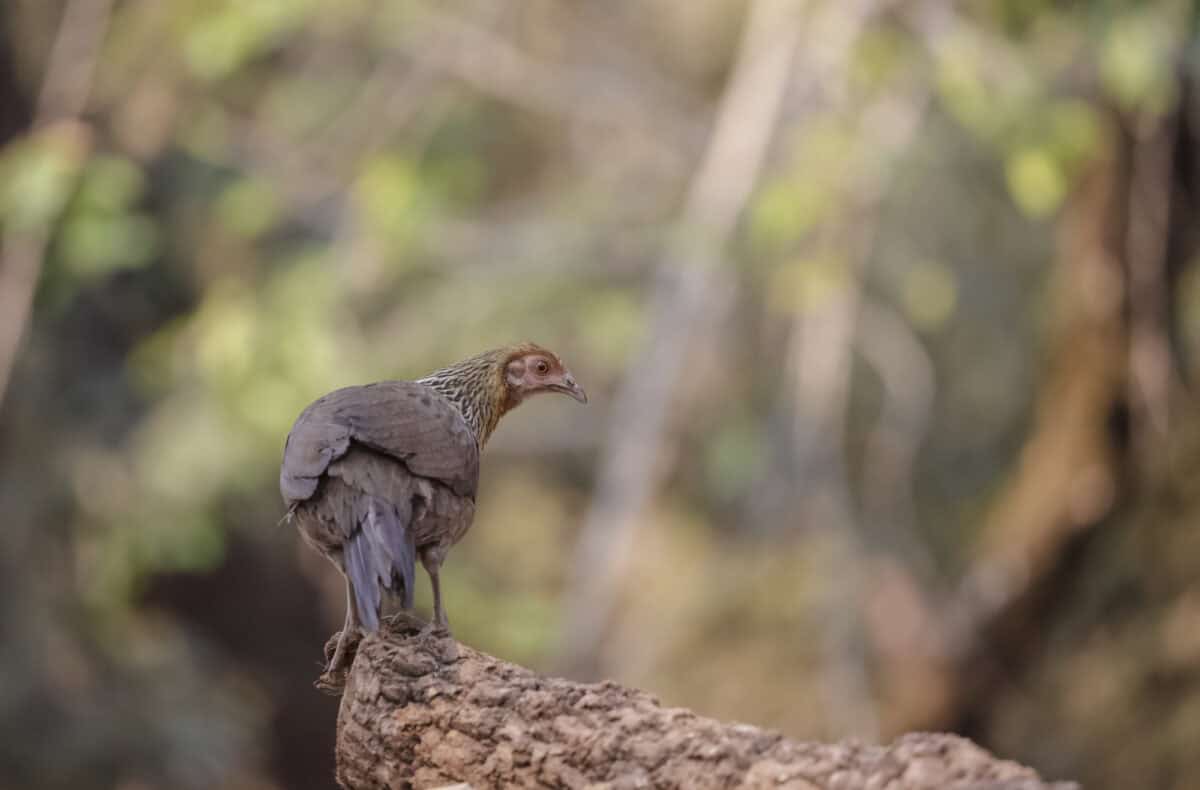
The lyrebird stands as a testament to the awe-inspiring capabilities of nature’s creatures. Its combination of physical beauty and impressive vocal mimicry makes it a subject of fascination and admiration. As we continue to explore and understand the complexities of such creatures, it becomes increasingly vital to protect and conserve their natural habitats. The lyrebird, with its symphonic echoes of the forest, offers a melodious reminder of the wonders found in the natural world.

As a little kid, I fell in love with nature, wildlife, and animals. Living in the USA, South Africa, Italy, China and Germany gave me the opportunity to discover the world's Wildlife. My favorite animals are Mountain Gorillas, Siberian Tigers, and Great White Sharks.
I'm a certified PADI Open Water Diver, went to Everest Base Camp and Trekked Gorillas in Uganda. I hold a Master of Science in Economics and Finance.
Please send any feedback to feedback@animalsaroundtheglobe.com
- 14 Stunning Animals You Can See in India - July 18, 2026
- The Most Enormous Lobster Ever Pulled From Maine Waters - July 18, 2026
- The Most Dangerous Waters for Sharks in North America - July 18, 2026