


Big cats, with their grace, strength, and mesmerizing appearance, have long captured the human imagination. From dense tropical rainforests to vast savannahs, these majestic creatures inhabit various ecosystems worldwide. Understanding these enigmatic predators involves delving into their distinctive species, habitats, behaviours, and conservation statuses. Let’s explore eight fascinating big cats that roam our planet, each a marvel of evolution and adaptation.
The Awe-Inspiring Lion

The lion, often dubbed the “king of the jungle,” is one of the most iconic members of the big cat family. Native to Africa and some parts of India, lions are social animals known for living in pride, which can consist of up to 30 individuals. Male lions are recognizable by their majestic manes, which vary in colour and size depending on genetics and environmental factors. Though classified as vulnerable, conservation efforts aim to stabilize and increase their populations. However, lions continue to face threats from habitat loss and human-wildlife conflict.
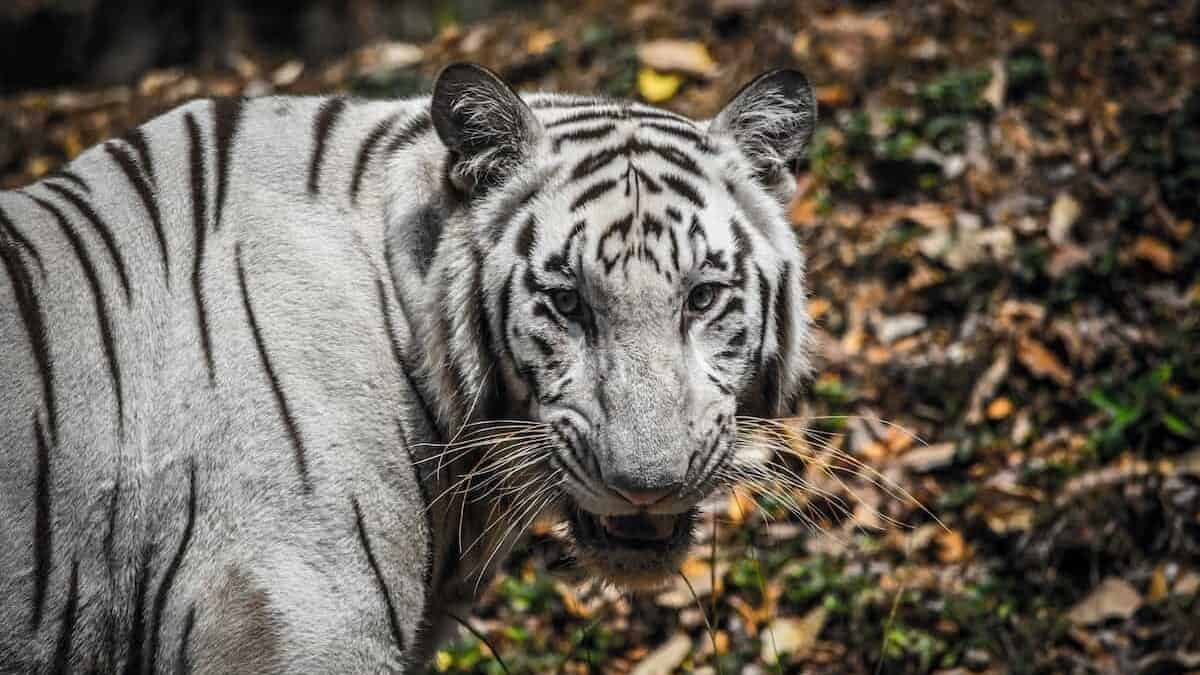
The Elusive Tiger
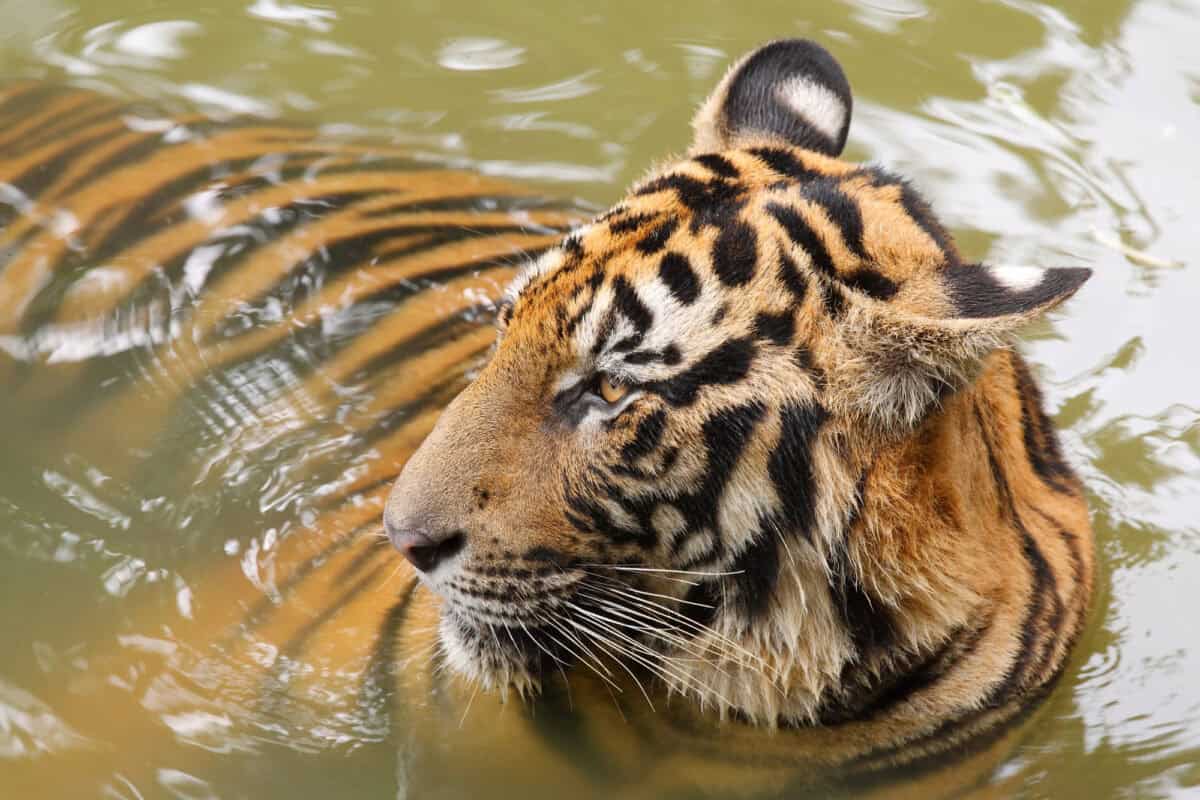
Tigers are the largest of the big cats and are identified by their characteristic black stripes on orange fur. Native to Asia, they inhabit a range of environments, from rainforests to grasslands. With fewer than 4,000 left in the wild, tigers are an endangered species primarily due to poaching and habitat destruction. There are several subspecies of tiger, including the Bengal, Siberian, Sumatran, and Indochinese tigers. Efforts to save them include anti-poaching initiatives and habitat preservation.
The Stealthy Leopard

Leopards are versatile and adaptable big cats found across sub-Saharan Africa and parts of Asia. Known for their rosette-patterned coats and incredible agility, leopards are solitary hunters who can adapt to a wide variety of habitats, from forests to urban outskirts. Despite their adaptability, leopards face threats from habitat fragmentation and persecution in retaliation to livestock predation. Conservationists are working on strategies to reduce human-leopard conflict and protect their natural habitats.
The Enigmatic Jaguar

Jaguars are the only big cats native to the Americas. They are known for their powerful build and stunning coats, which feature rosettes with central spots. These cats thrive in the dense rainforests of the Amazon but can also be found in different terrains, such as wetlands and grasslands. Jaguars are near-threatened, mainly due to deforestation and illegal hunting. However, they play a critical role in maintaining the ecological balance by controlling prey populations.
The Swift Cheetah

Cheetahs are renowned for their unmatched speed. They can reach 60–70 mph in short bursts and cover distances up to 500 meters, making them the fastest land animals. Unlike other big cats, cheetahs have slender, lightweight bodies tailored for speed rather than power. They primarily inhabit sub-Saharan Africa, and some small populations are found in Iran. As a vulnerable species, cheetahs face threats from habitat loss, human interference, and reduced genetic diversity. Conservation strategies focus on habitat conservation and creating sustainable environments where they can thrive.
The Mysterious Snow Leopard

Snow leopards are elusive cats adapted to live in high-altitude, rugged mountain ranges across Central and South Asia. They have thick fur and long tails to keep warm in harsh climates. Snow leopards are listed as vulnerable, with estimates suggesting 4,000 to 6,500 individuals left in the wild. Threats include poaching for their beautiful fur and bones and loss of prey. Conservationists encourage community programs that mitigate human-wildlife conflict and enhance local understanding of these magnificent creatures’ ecological importance.
The Secretive Cougar

Cougars, also known as mountain lions or pumas, are adaptable big cats found from the Canadian Yukon through the United States and down to the Andes mountains in South America. Their vast range includes diverse habitats such as deserts, forests, and mountains. Cougars are apex predators with a varied diet and are generally solitary, except during mating or while females are raising their cubs. Human expansion poses challenges, and while not endangered, cougars are subject to regional population management to balance ecosystems and reduce conflicts with humans.
The Unique Clouded Leopard

Clouded leopards inhabiting the dense forests of Southeast Asia are named for their striking, cloud-like spotted coats. These medium-sized cats are adept climbers, using their strong limbs and tails to navigate the forest canopy. They are secretive and elusive, making them less studied than other big cats. Their habitats are rapidly disappearing due to deforestation and human activity, pushing them towards vulnerability. Conservation programs aim to protect both the clouded leopard and its habitat through sustainable practices and increased research.
Conservation: A Shared Responsibility
Big cats are integral to the health of their ecosystems. They are top-tier predators that regulate prey populations, thus maintaining the ecological balance. Protecting these magnificent animals requires a comprehensive approach that includes stringent anti-poaching laws, habitat conservation, community education, and global cooperation. By understanding the beauty and importance of these eight big cats, we can promote a future where they continue to roam the wild landscapes of our world.

As a little kid, I fell in love with nature, wildlife, and animals. Living in the USA, South Africa, Italy, China and Germany gave me the opportunity to discover the world's Wildlife. My favorite animals are Mountain Gorillas, Siberian Tigers, and Great White Sharks.
I'm a certified PADI Open Water Diver, went to Everest Base Camp and Trekked Gorillas in Uganda. I hold a Master of Science in Economics and Finance.
Please send any feedback to feedback@animalsaroundtheglobe.com
- 13 Cat Breeds That Get Along with Dogs - July 20, 2026
- The 12 Largest Dog Breeds That Still Love to Cuddle - July 20, 2026
- 12 Pet Habits That Secretly Mean They Love You - July 20, 2026