

White-Tailed Deer
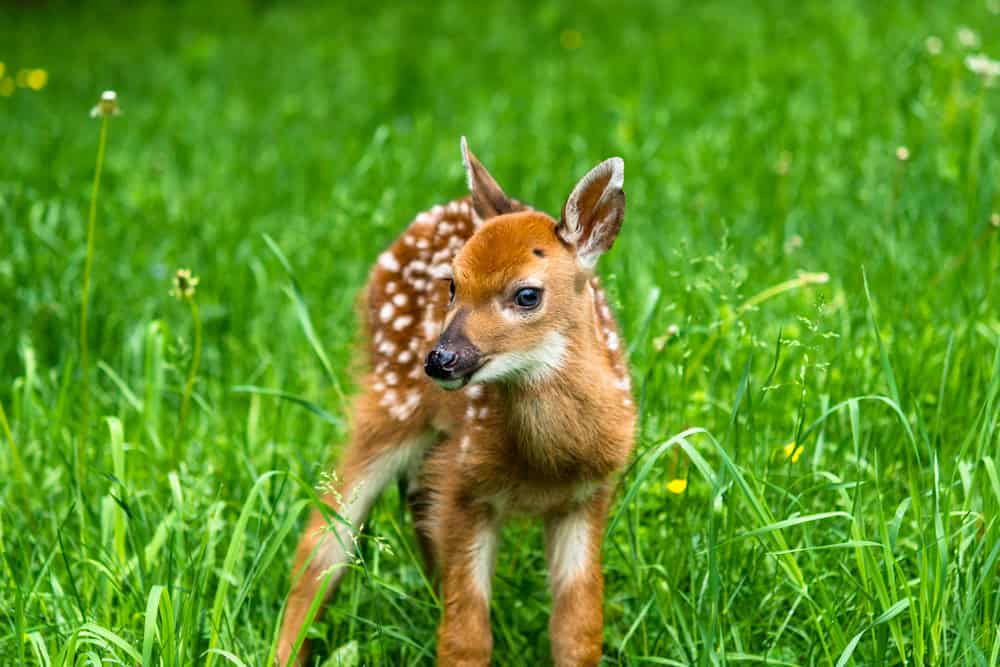
The white-tailed deer is perhaps the most iconic wildlife species in Illinois. Recognizable by the white fur on the underside of their tails, these mammals are seen throughout the state in forests, fields, and even urban areas. White-tailed deer populations are healthy and thriving due to effective wildlife management practices. They play a crucial role in Illinois’ ecosystems by browsing on understory vegetation, which influences plant diversity and habitat structure.
Red Fox
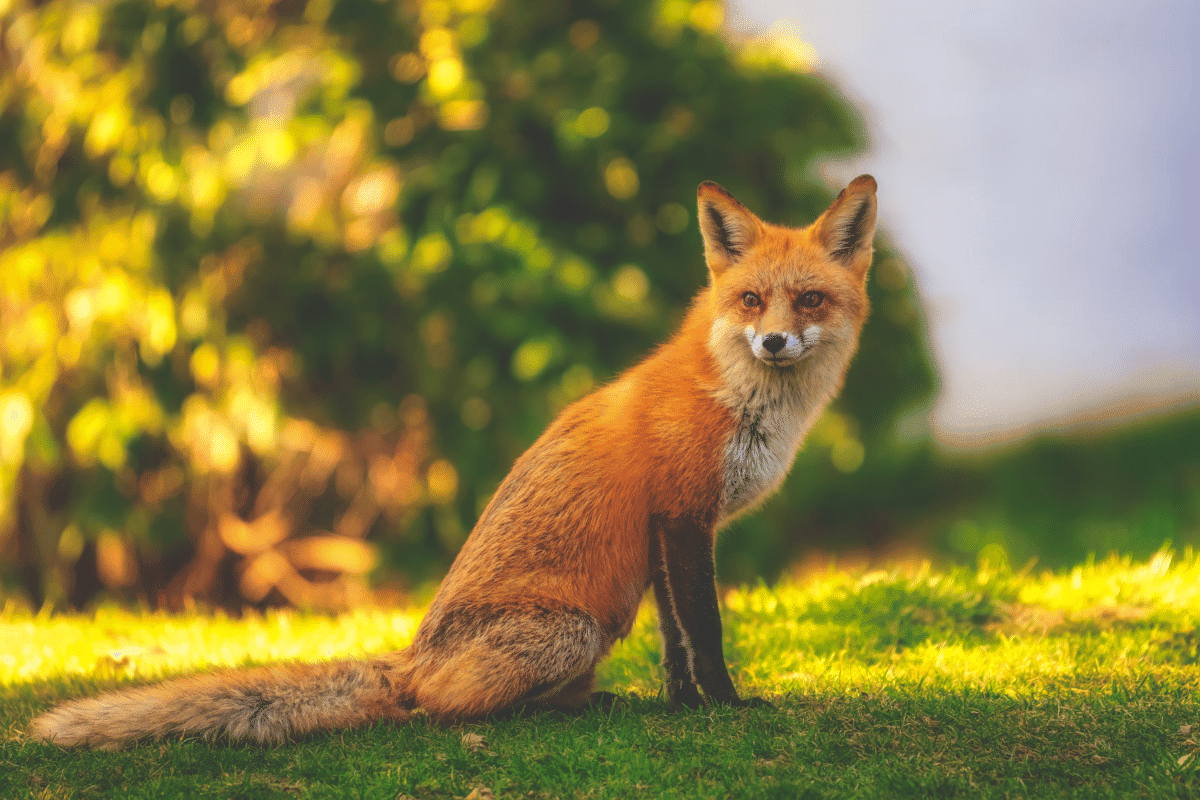
With its striking red fur and bushy tail, the red fox is a common sight in Illinois. They are highly adaptable animals, inhabiting rural, urban, and suburban areas. Despite their ubiquitous presence, red foxes are elusive and primarily nocturnal. They play an essential role in controlling small mammal populations, including rodents and rabbits, making them vital for maintaining ecosystem balance.
American Bald Eagle
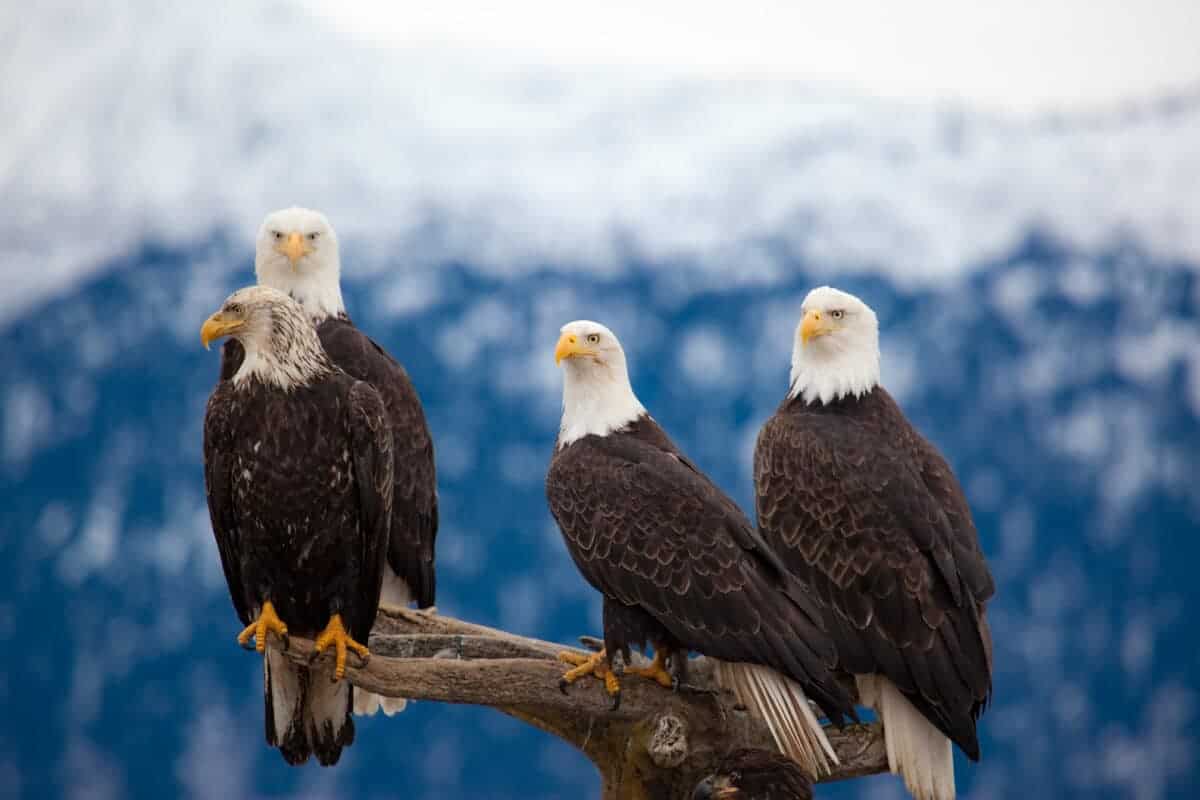
The American bald eagle, the national bird of the United States, can be spotted soaring above Illinois’ large rivers and lakes. During the winter months, especially along the Mississippi and Illinois Rivers, these majestic birds congregate in large numbers to fish the open waters. Conservation efforts have led to a remarkable recovery of the bald eagle population, which was once endangered due to habitat destruction and pesticide use.
Eastern Cottontail Rabbit
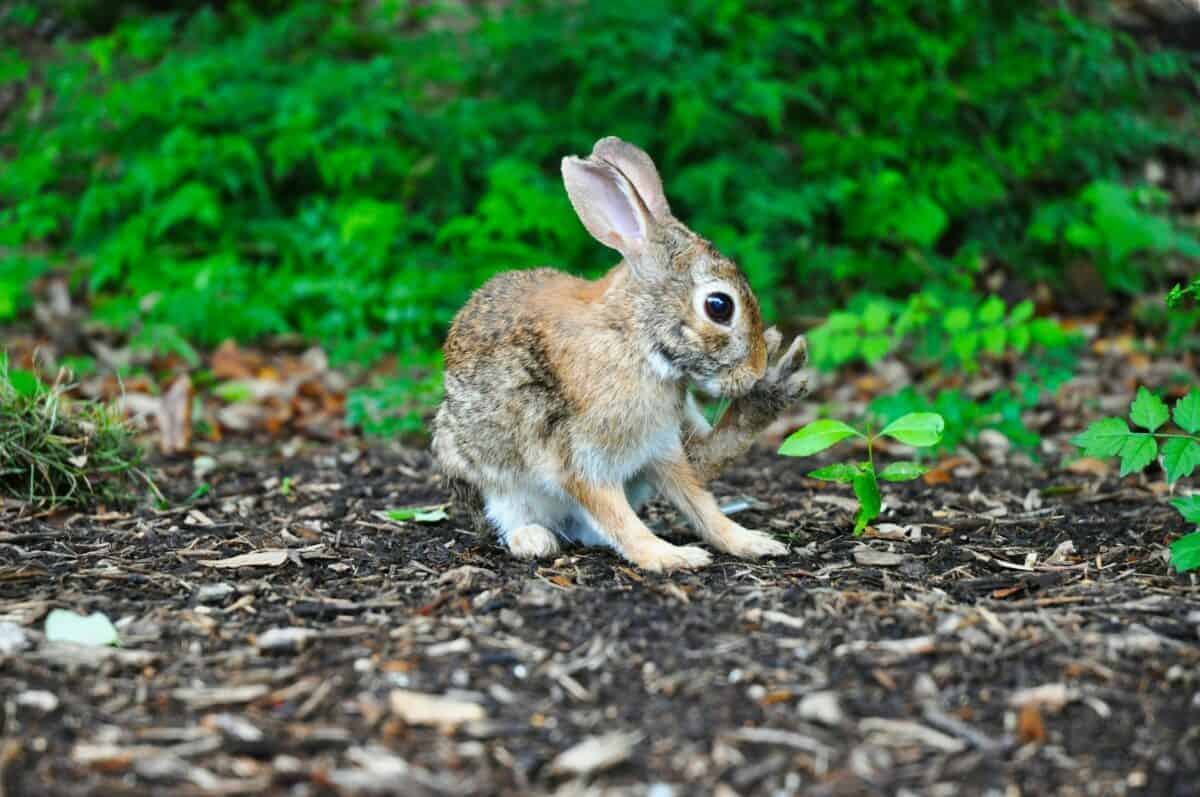
The eastern cottontail rabbit is abundant throughout Illinois. Known for their characteristic fluffy white tails, these rabbits are primarily active during dawn and dusk. They prefer habitats with plenty of cover such as grassy fields and dense brush areas. Eastern cottontails play a critical role in the food web, serving as a primary food source for a variety of predators, including hawks, foxes, and coyotes.
Great Blue Heron
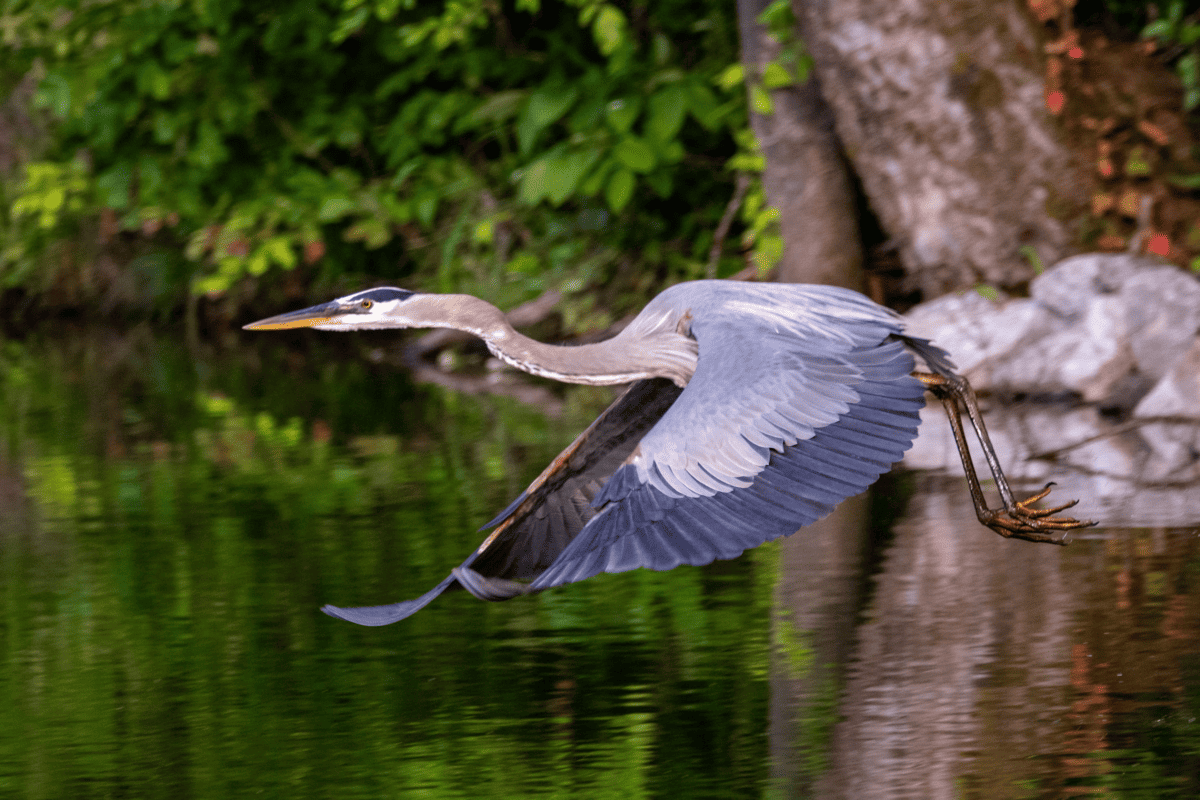
Standing tall on long legs with an impressive wingspan, the great blue heron is commonly found near Illinois’ water bodies. These birds are skilled hunters, feeding on fish, frogs, and insects. Great blue herons build large stick nests high in trees near water, often forming small colonies. Their presence is a good indicator of a healthy aquatic ecosystem.
Blanding’s Turtle

Blanding’s turtle is a semi-aquatic species known for its distinctive yellow throat and chin. This turtle is considered threatened in Illinois due to habitat loss and fragmentation. They inhabit wetlands and marshes, where they feed on crustaceans, insects, and plants. Conservation programs are in place to protect and restore Blanding’s turtle populations through habitat preservation and management efforts.
River Otter
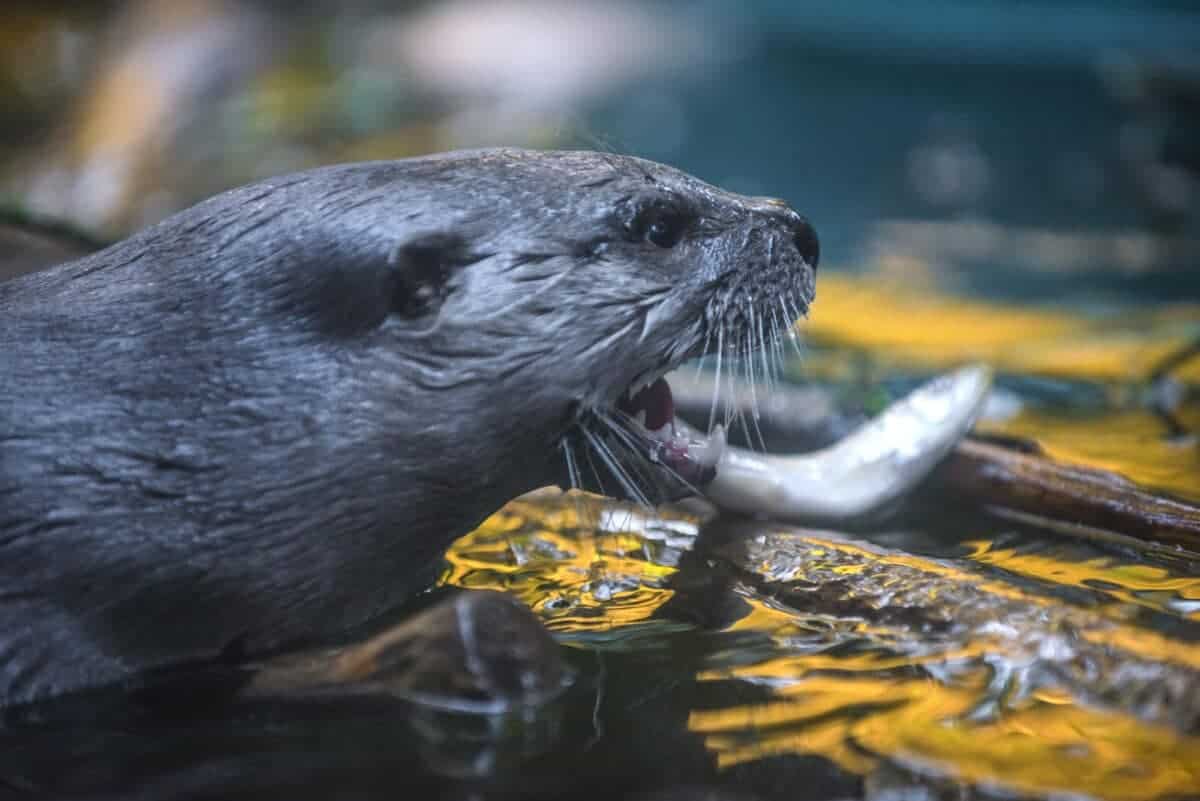
River otters have made a successful comeback in Illinois due to reintroduction efforts and habitat improvements. These playful mammals are excellent swimmers, adapted to aquatic life with streamlined bodies and webbed feet. Found in rivers, lakes, and marshes, river otters help maintain healthy fish populations and contribute to the overall biodiversity of aquatic ecosystems.
Sandhill Crane
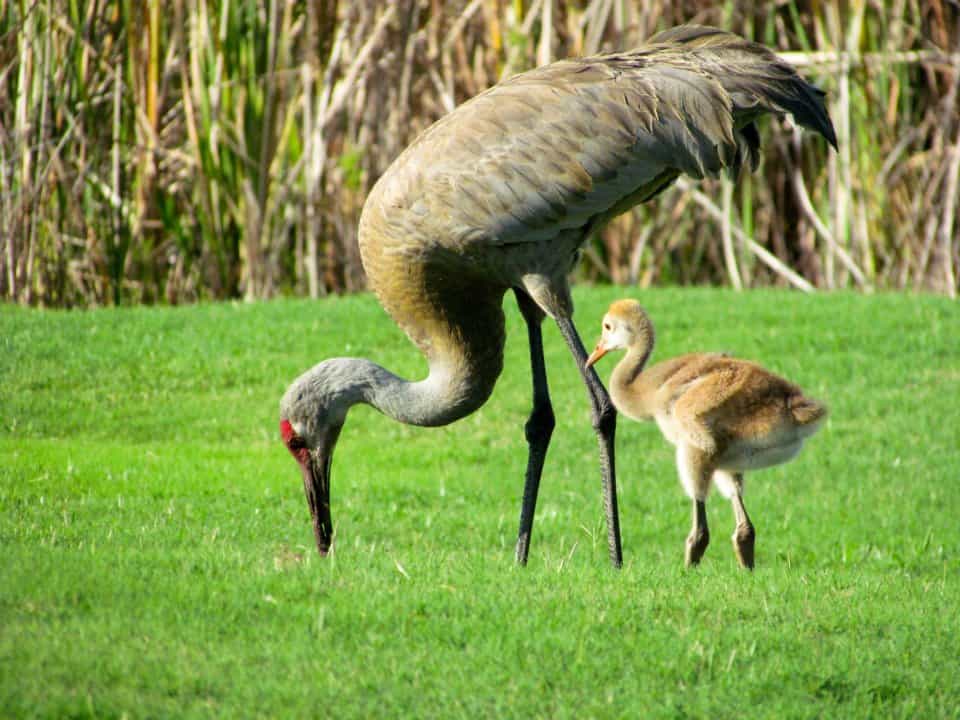
Known for their elaborate courtship dances and long migrations, sandhill cranes are a spectacular sight in Illinois. These tall, gray birds gather in wetlands and open fields during migration seasons. Sandhill cranes feed on a varied diet of seeds, grains, small vertebrates, and invertebrates. Conservation efforts focus on preserving wetland habitats crucial for their breeding and stopover sites during migration.
Eastern Massasauga Rattlesnake

The eastern massasauga rattlesnake is a shy and elusive species found in parts of northeastern Illinois. They inhabit wetlands, grasslands, and prairies. This rattlesnake is currently listed as threatened due to habitat destruction and human encroachment. It plays a significant role in controlling rodent populations and is a critical component of its ecosystem.
Common Loon

During migration, Illinois’ lakes and reservoirs host the common loon. These birds are known for their eerie calls and strong diving abilities. Common loons spend most of their time on water, where they catch fish with remarkable speed and agility. The presence of loons during migration reflects the quality of the aquatic habitats in Illinois.

- The Tallest Waterspout Ever Seen Off the Florida Keys - July 18, 2026
- The Deadliest Floods That Wiped Out Entire Cities - July 17, 2026
- How a Fisherman’s Shocking Discovery Led to a Scientific Breakthrough - July 16, 2026