
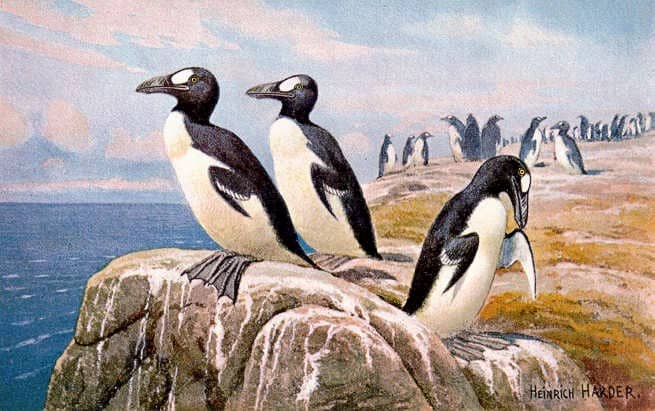
The Great Auk, known scientifically as *Pinguinus impennis*, once roamed the North Atlantic Ocean. These flightless birds were notable for their striking appearance and adaptability to the harsh marine environment. The Great Auk stood approximately 30 inches tall (about 75 centimeters) and weighed around 11 pounds (approximately 5 kilograms). Its distinct black and white plumage and robust, hooked beak made it a unique sight along the rocky shores and islands it called home. Unfortunately, this remarkable bird is now extinct, and its disappearance serves as a poignant reminder of the impact humans can have on the natural world.
Life at Sea: The Great Auk’s Habitat and Behavior

The Great Auk spent the majority of its life at sea, only coming ashore to breed. Its range extended from the coasts of Canada and Greenland to Iceland, Great Britain, and even as far south as France and Spain. The bird’s aquatic lifestyle was supported by its excellent swimming capabilities; it used its wings like flippers to propel itself in the water in pursuit of fish and crustaceans, its primary food sources.
Breeding colonies were established on remote, rocky islands with easy access to the sea. The Great Auk laid a single, large egg on bare rock, which both parents incubated and cared for. These breeding sites were critical to their life cycle, but their limited number made the species particularly vulnerable to environmental shifts and human interference.
The Decline: Factors Leading to Extinction

Despite its adaptability and widespread historical range, the Great Auk faced a multitude of challenges that ultimately led to its demise. The most significant factor was human exploitation. From the 8th century onward, the Great Auk was hunted extensively for its meat, eggs, and feathers. Its down was highly prized for use in mattresses and pillows, leading to a rise in hunting during the 16th and 17th centuries to satisfy European markets.
Additionally, the Great Auk’s breeding colonies faced destruction from human activity. Their eggs were collected in large numbers, and the birds themselves were often killed for food by sailors and local populations facing food shortages. As maritime travel increased during the age of exploration and commerce, the Great Auk’s range overlapped with expanding human territories, further accelerating its decline.
The Last of Their Kind: The Extinction Event
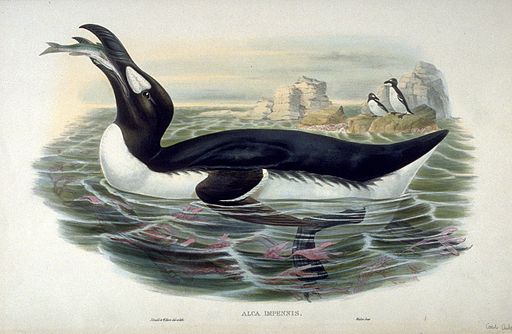
By the 19th century, the Great Auk’s numbers had dwindled to critical levels. The last known breeding pair was killed on Eldey Island, Iceland, in 1844 by sailors who sought to collect the birds for a museum. This tragic event marked the final chapter in the species’ history, as no confirmed sightings have occurred since.
The extinction of the Great Auk was not just a loss of a species but also a significant moment in human history, exemplifying the profound effects of overexploitation and habitat disturbance. It served as an early warning of the potential impacts humans can have on the environment and is often cited in discussions about conservation and biodiversity.
Legacy and Lessons: The Impact of the Great Auk’s Extinction
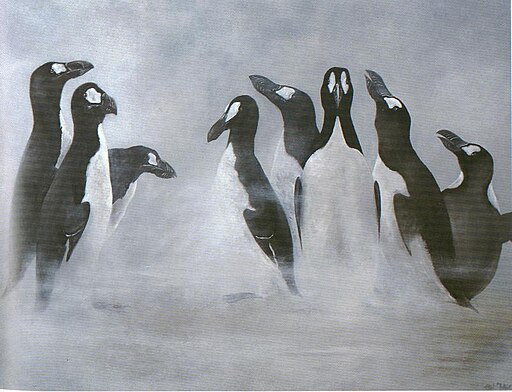
The story of the Great Auk continues to resonate in contemporary discussions about wildlife conservation. It underscores the importance of sustainable practices and the need for rigorous protection of critical species and their habitats. In many ways, the loss of the Great Auk helped spur the development of conservation movements and initiatives aimed at preventing similar extinctions.
Today, museums around the world preserve Great Auk specimens, serving as a reminder of what once was and what can happen if humans are not careful stewards of the planet. Their legacy lives on in these collections, as well as in the minds of people dedicated to protecting the rich tapestry of life on Earth.
Conclusion: Remembering the Great Auk

As we reflect on the history of the Great Auk, we are reminded of the fragile interconnectedness of our world. While the Great Auk’s extinction is a sobering tale, it also imparts valuable lessons on the importance of conservation and the impact humans can have on the environment. By understanding and appreciating the history of such species, we can work towards ensuring a more balanced and sustainable future for all living creatures.

- The Most Powerful Earthquake Ever Felt in the U.S. - July 19, 2026
- How Rhinoceros Males Compete for Mating Rights in the Wild - July 18, 2026
- 13 Spider Species Thriving in Changing Environments - July 18, 2026