
Adaptation Marvel: The Insulating Fur

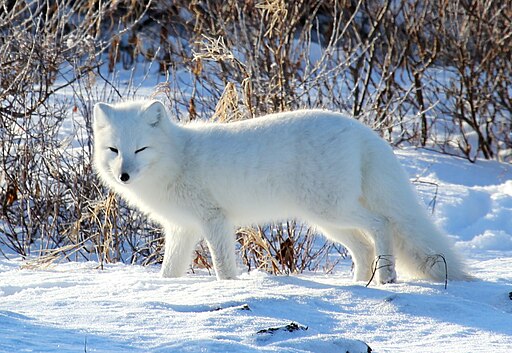
The Arctic fox (Vulpes lagopus) is a master of survival in one of the planet’s harshest environments. One of its most striking adaptations is its thick fur, which provides exceptional insulation against the freezing temperatures of the Arctic. This dense fur has two layers: a soft undercoat and a longer top layer, both of which play critical roles in maintaining body heat. Coupled with a highly adaptive metabolism, this coat allows the Arctic fox to endure temperatures as low as -50 degrees Celsius (-58 degrees Fahrenheit).
Chameleon of the Tundra: Seasonal Color Change

The Arctic fox is not only equipped to handle the cold but is also a chameleon of sorts, changing its fur color with the seasons. In the winter, its fur turns white, providing perfect camouflage against the snow and ice. As the seasons shift to summer, the fur changes to shades of brown and grey, helping the fox blend with the tundra’s bare rocks and vegetation. This seasonal color transformation is crucial for both predator evasion and effective hunting.
An Ingenious Diet: Varied and Opportunistic
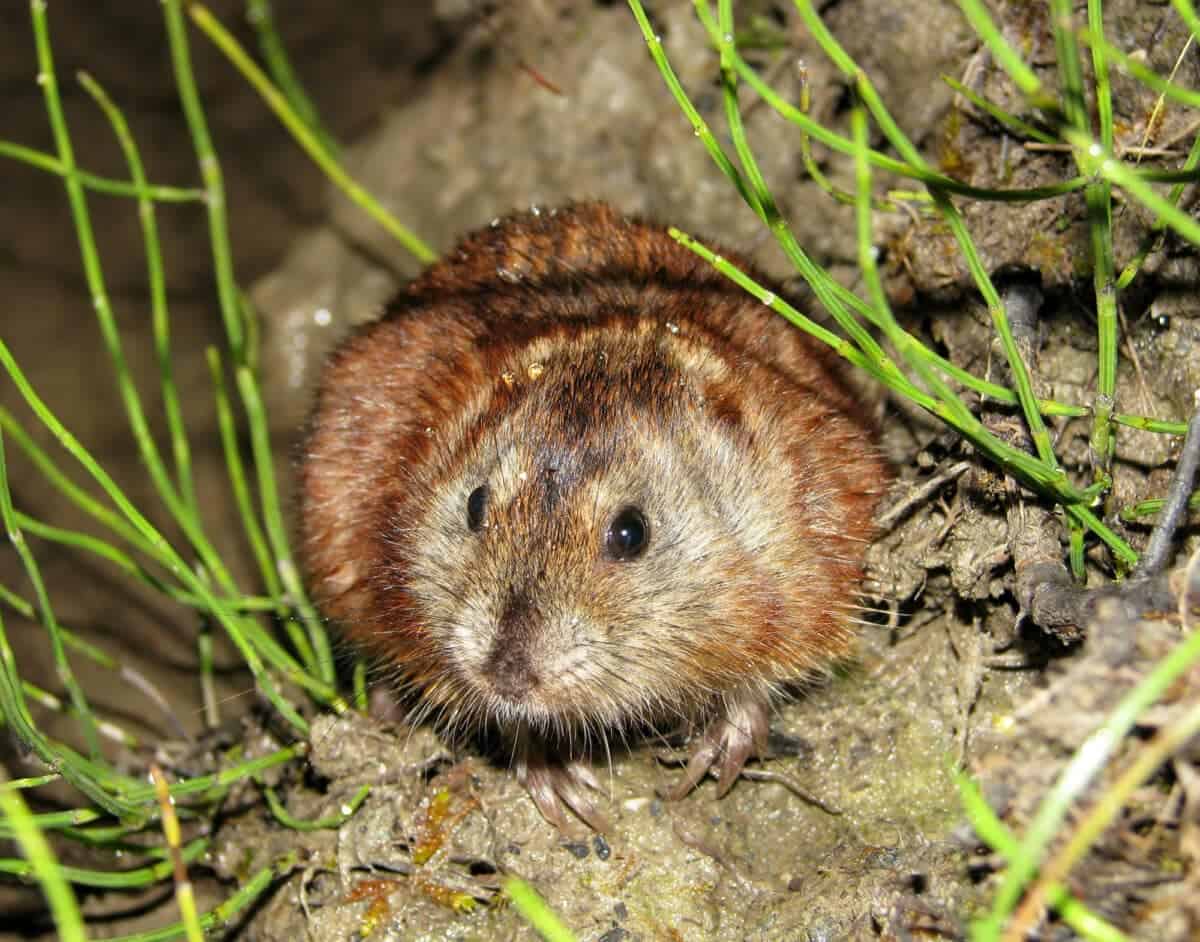
Despite its harsh habitat, the Arctic fox has an expansive and opportunistic diet. Lemmings are a staple, and an adult Arctic fox can consume dozens in a single day. However, they are not picky eaters. When lemmings are scarce, Arctic foxes resort to a variety of food sources including birds, fish, and even carrion left by larger predators like polar bears. During scarce times, they’ve been known to store food in their dens, showcasing a crafty survival instinct.
Architects of the Snow: Complex Den Structures
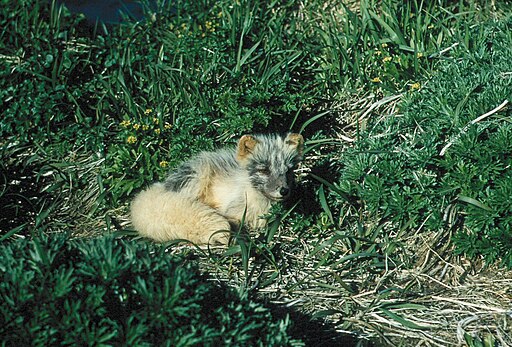
Arctic foxes are renowned for their intricate earthen dens, which can be extensive and complex, featuring multiple entrances and tunnels. These dens serve as safe havens from predators and harsh weather. Found in both coastal and inland regions, some dens have been used by generations of foxes, with some being over 300 years old. These dens are pivotal for rearing young, keeping the pups safe and secure as they grow.
Silent Communicators: Vocal and Scent Communication
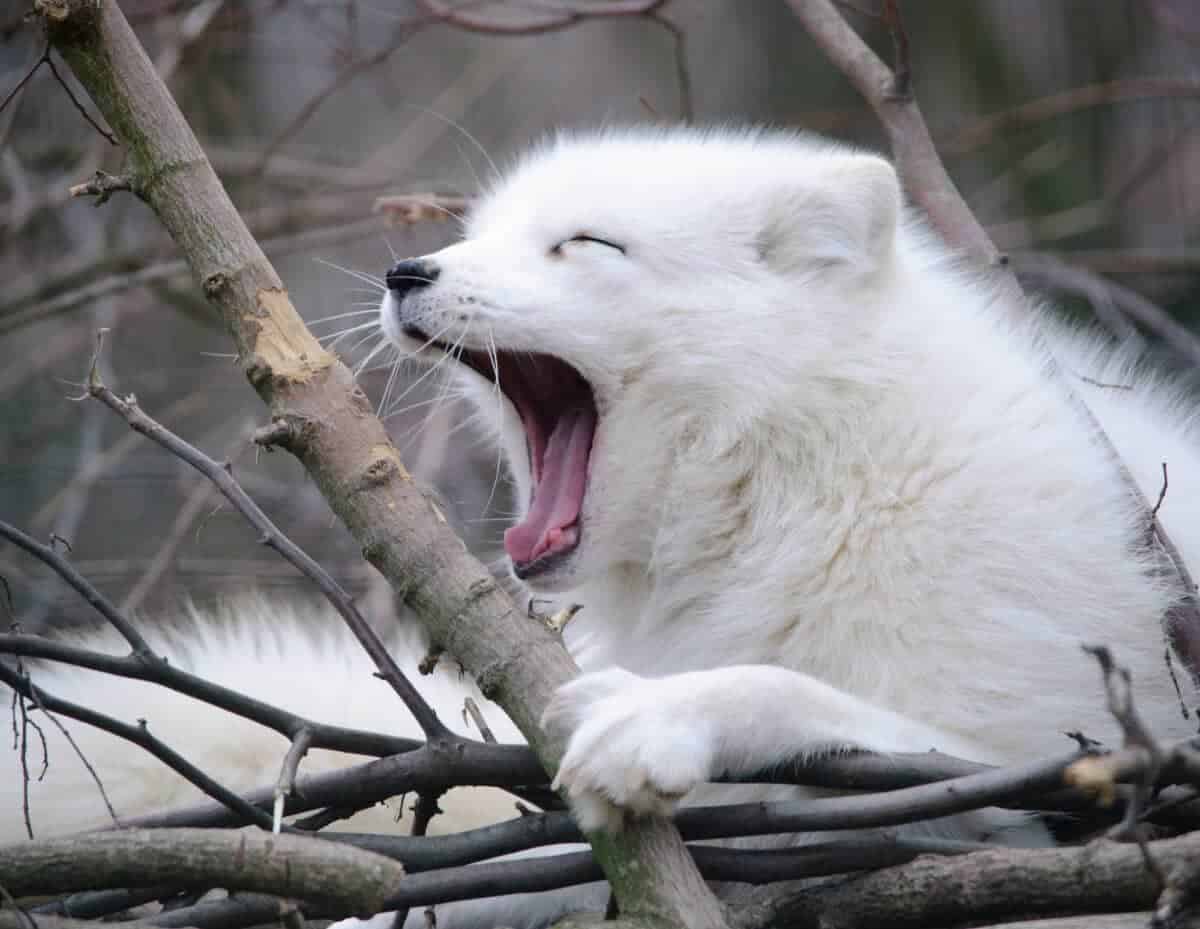
While not as vocal as some other fox species, the Arctic fox still has a repertoire of sounds for communication. They use yips, howls, and various sounds to convey different messages to their mates and pups. Beyond vocal communication, scent marking is also significant, serving as a non-vocal method to establish territory and express reproductive readiness. This dual communication strategy is vital for the social dynamics within their habitat.
Global Wanderers: Incredible Journeys

The adventuring nature of the Arctic fox is nothing short of impressive. Some have been recorded traveling over 4,500 kilometers (about 2,800 miles) across the frozen Arctic Ocean. These journeys are part of their natural dispersal behavior and essential for finding new territory and food sources. This incredible endurance is a testament to their robust physical and behavioral adaptations to the unforgiving Arctic landscape.
Fragility in Change: Climate Challenges

Despite their adaptive prowess, Arctic foxes are currently facing new threats from the changing climate. Warmer temperatures are reducing their snowy habitat, affecting their camouflage abilities and altering prey availability. Additionally, red foxes, which are typically absent from the extreme cold of the Arctic, are moving northward and competing for resources. Conservation efforts are becoming increasingly important to ensure the survival of this remarkable species as they navigate an ever-changing world.

- How Rhinoceros Males Compete for Mating Rights in the Wild - July 18, 2026
- 13 Spider Species Thriving in Changing Environments - July 18, 2026
- The World’s Deadliest Plants and What Makes Them So Lethal - July 18, 2026