

When we think of the cheetah, our first thought often races to its unparalleled speed. Known as the fastest land animal, the cheetah can sprint at speeds of up to 60 to 70 miles per hour, making it an extraordinary predator on the African savanna. However, what many don’t realize is that the cheetah’s prowess extends beyond its remarkable speed. This graceful predator is also among the quietest hunters, employing stealth and silence to become the ingenious hunter that it is today.
The Anatomy of Silence

The cheetah’s ability to hunt quietly is a result of several anatomical adaptations. One of the most crucial adaptations is their soft-padded feet. These pads cushion their steps, significantly reducing the sound of their movements. In contrast to other large predators like lions or leopards, which rely on strength and roar to communicate and intimidate, the cheetah relies on subtlety and discretion, attributes mirrored by the soft pads on its feet.
Moreover, unlike other big cats, cheetahs have semi-retractable claws that provide them with exceptional grip yet make less noise than fully extended claws. This is particularly advantageous when they need to maintain traction at high speeds or make swift turns during a chase without alerting their prey.
The Art of the Ambush

Cheetahs employ a unique hunting strategy that relies heavily on their ability to remain undetected until the very last moment. They use their exceptional eyesight to spot prey from a distance and then silently stalk it through the tall grasses of their natural habitat. The cheetah’s spotted coat provides perfect camouflage amidst the sun-dappled grasslands, enhancing their ability to approach prey undetected.
When the moment is right, they accelerate with a burst of speed, closing the distance rapidly. The success of this hunting method depends on their ability to remain quiet and calm up to the critical point of the attack. This stealth ensures the element of surprise, giving them the best chance of a successful hunt.
The Role of Communication

Despite being solitary hunters, cheetahs communicate using a range of vocalizations that are less commonly associated with big cats. These sounds include chirps, purrs, and a low-grade growl, all of which are generally quieter than the roars and snarls of other species. Importantly, these sounds are used effectively for communication between mother cheetahs and their cubs and during mating interactions, rather than disturbing their hunting stealth.
This repertoire of relatively quiet sounds not only ensures family bonds but also keeps the cheetah’s presence less noticeable to rival predators and prey. Such vocal economy facilitates the cheetah’s overall approach to a life of minimal noise and maximum stealth.
Avoiding Competition and Conflict
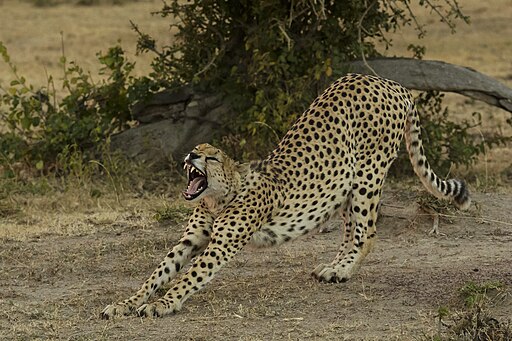
In the predator-rich landscapes of Africa, the cheetah’s quiet demeanor also helps it avoid unnecessary confrontations with larger carnivores like lions and hyenas, which could steal their kills or pose a threat to their cubs. By maintaining silence, cheetahs reduce the likelihood of attracting these dangerous competitors, thereby preserving their energy for hunting and caring for their young.
This choice of low-profile living is part of a broader strategy to balance their survival needs against the harsh realities of living alongside more dominant predators.
Conclusion: More Than Just Speed
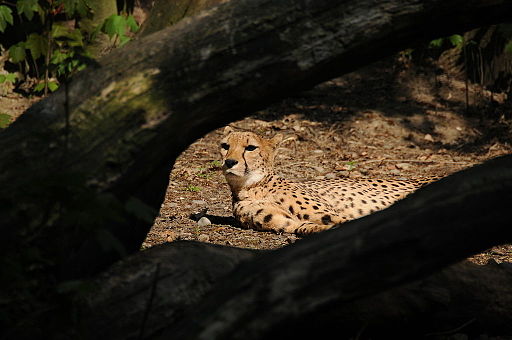
While the cheetah’s speed undoubtedly holds a place in the annals of wildlife wonder, their subtlety is equally significant. The cheetah’s success as a hunter is a testament to the fusion of remarkable speed and strategic silence. By exploring the often-overlooked facets of the cheetah’s life, we come to appreciate not only their brilliance as sprinters but also their mastery as the quietest cats in the wild. Their quiet, efficient way of life serves as a reminder of the intricate balance of nature and the marvels of evolution that allow such unique adaptations.

- Why African Wild Dogs Are Considered Dangerous Hunters - July 13, 2026
- Wolves Are Making a Comeback in Yellowstone, and It’s Changing the Entire Ecosystem - July 13, 2026
- The Most Devastating Flood in U.S. History Unearthed - July 12, 2026