

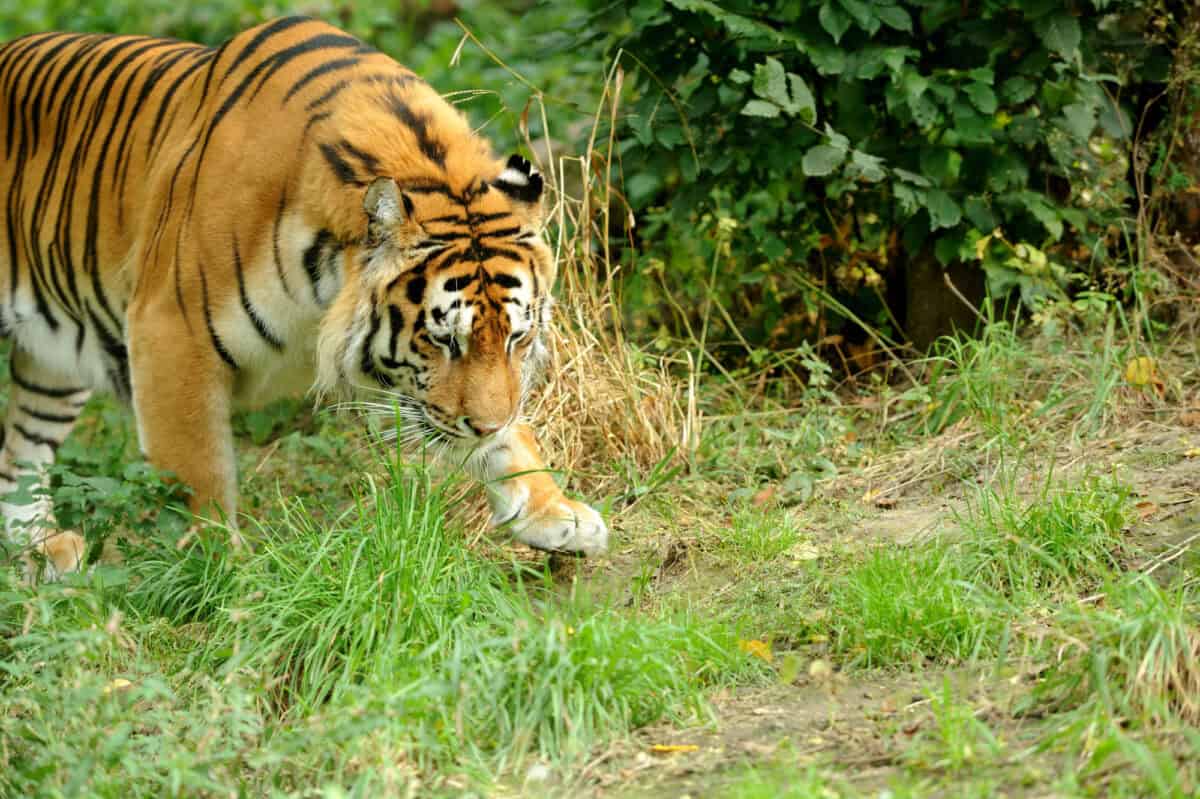
The Sunda Tiger, a subspecies of the tiger family found exclusively on the Indonesian island of Sumatra, is a majestic animal teetering on the edge of survival. Known scientifically as Panthera tigris sondaica, this elusive big cat is smaller than its mainland counterparts but holds an enormous ecological significance in its habitat. However, due to a combination of human-induced factors, these tigers are critically endangered. Efforts to preserve them are ongoing, but their survival hangs in the balance.
Unique Characteristics of the Sunda Tiger
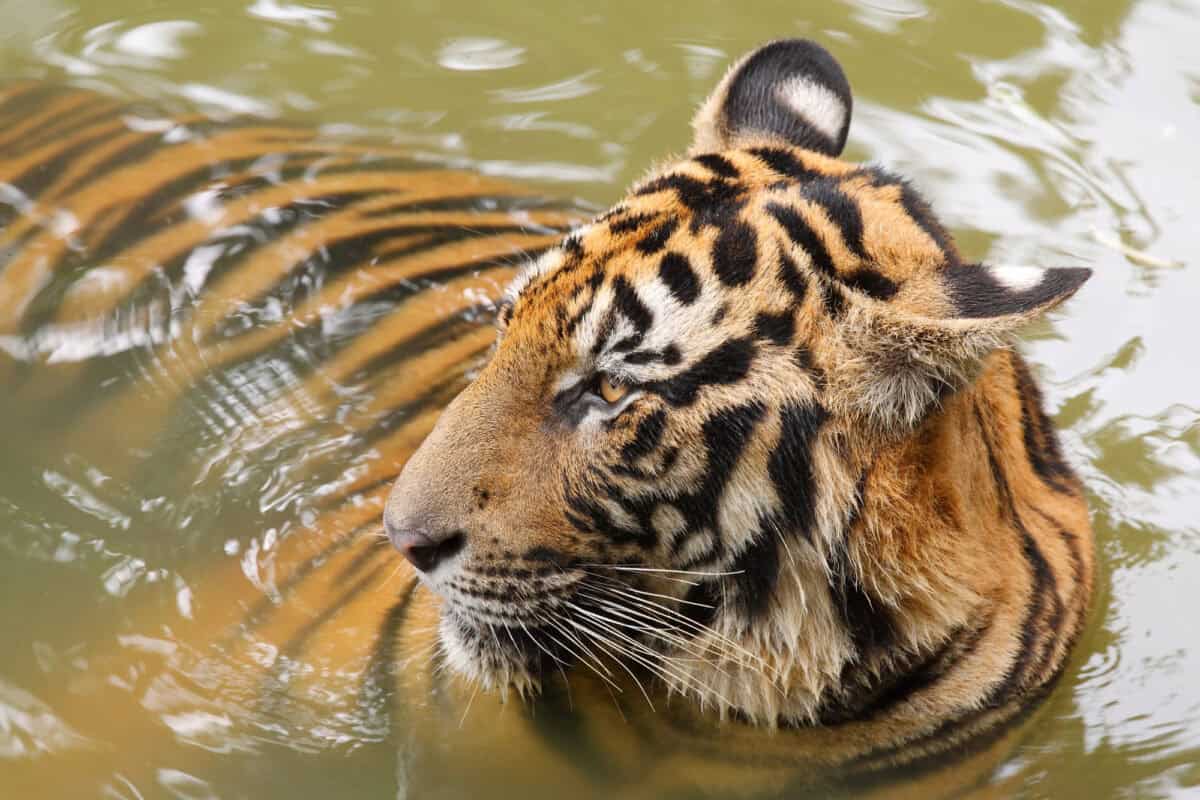
Compared to other tiger subspecies, the Sunda Tiger exhibits several distinct characteristics. They have darker and more closely spaced black stripes, which help in camouflaging amidst the dense rainforest undergrowth. Sunda Tigers are generally more agile, an adaptation to their densely forested environments. Males weigh between 100 and 140 kg (220 to 310 lbs), while females are slightly smaller. These tigers are solitary animals with strategic habits for marking and defending their territory.
Habitat and Range

The Sunda Tiger inhabits the lowland and montane forests of Sumatra, spanning national parks, protected areas, and even unprotected lands. The island’s diverse ecosystem, ranging from peat swamps to rugged mountains, provides an ideal hunting ground for this skilled predator. Unfortunately, the rapid expansion of agricultural activities, particularly oil palm plantations and logging, has curtailed their habitat dramatically, confining these tigers to smaller, more isolated territories.
Threats to Survival

Habitat destruction isn’t the only hurdle; poaching remains a severe threat to the Sunda Tiger. Despite anti-poaching efforts, including ranger patrols and stricter penalties, illegal hunting continues. The demand for tiger parts in traditional medicine and as status symbols has fueled their illegal trade. Human-tiger conflict is another issue; as humans encroach upon their territory, tigers occasionally prey on livestock, prompting retaliatory killings by farmers. Furthermore, climate change poses an emergent threat by altering habitats and prey availability.
Conservation Efforts
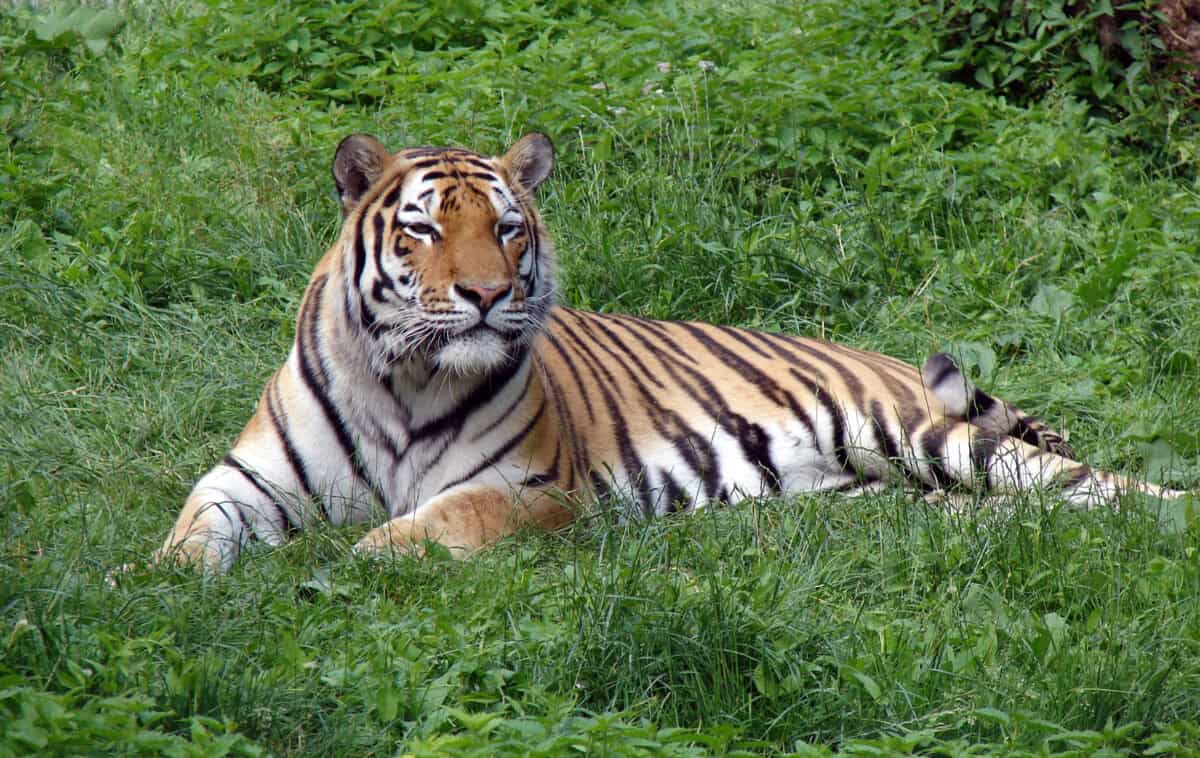
Confronted with these challenges, conservationists are working tirelessly to save the Sunda Tiger. The World Wildlife Fund (WWF) and other organizations collaborate with Indonesian authorities to implement anti-poaching measures, strengthen legal frameworks, and promote wildlife corridors. By connecting fragmented forests, wildlife corridors can facilitate genetic diversity and enable tigers to roam freely across larger areas. Additionally, initiatives aimed at educating local communities about coexistence and non-lethal deterrent methods are being rolled out. Such efforts are vital for fostering coexistence between humans and tigers.
Hope for the Future
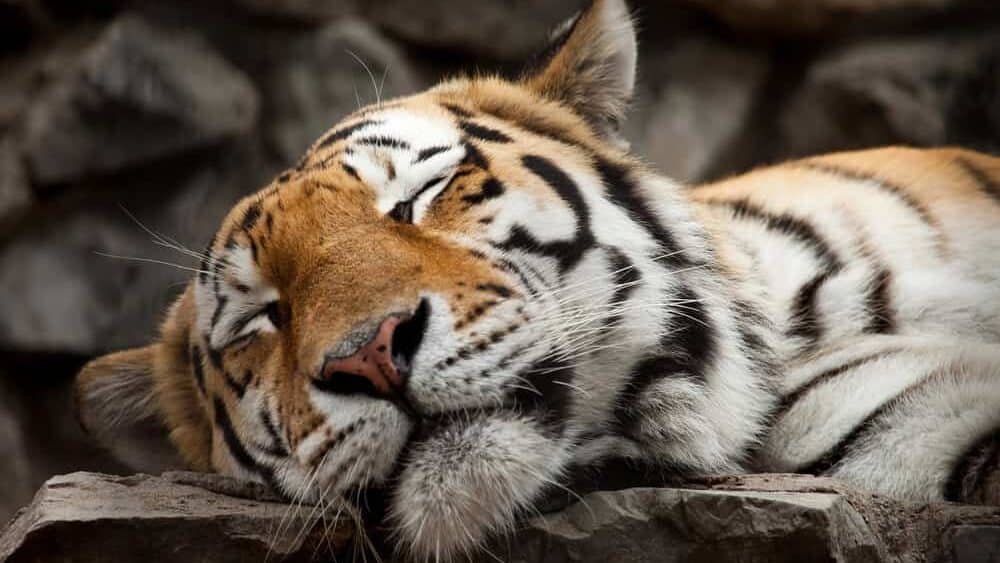
There is still hope for the Sunda Tiger if immediate action continues and expands. Strict enforcement of anti-poaching laws, together with habitat restoration and community-based conservation programs, can turn the tide for this magnificent species. Public awareness campaigns are vital in reducing the demand for illegal wildlife products. Furthermore, technological advances, such as the use of drones and camera traps, are providing new tools for monitoring and protecting tiger populations. Conservational success for the Sunda Tiger would not only save this iconic species but also protect the biodiversity of the Sumatran island.
Conclusion

The plight of the Sunda Tiger exemplifies the broader struggle of wildlife worldwide against human-driven challenges. While the situation is dire, ongoing conservation efforts provide a beacon of hope. By addressing the core threats that jeopardize their survival, there’s potential to pull the Sunda Tiger back from the brink of extinction, securing their place in the wild for future generations to marvel at their splendor and ecological importance.

As a little kid, I fell in love with nature, wildlife, and animals. Living in the USA, South Africa, Italy, China and Germany gave me the opportunity to discover the world's Wildlife. My favorite animals are Mountain Gorillas, Siberian Tigers, and Great White Sharks.
I'm a certified PADI Open Water Diver, went to Everest Base Camp and Trekked Gorillas in Uganda. I hold a Master of Science in Economics and Finance.
Please send any feedback to feedback@animalsaroundtheglobe.com
- 13 Cat Breeds That Get Along with Dogs - July 20, 2026
- The 12 Largest Dog Breeds That Still Love to Cuddle - July 20, 2026
- 12 Pet Habits That Secretly Mean They Love You - July 20, 2026