

Temperature changes have always played a crucial role in the natural world, impacting various aspects of animal life. Among the most sensitive processes affected by temperature fluctuations is reproduction. As global temperatures continue to rise, understanding how these changes affect animal reproduction is becoming increasingly important. This article delves into the intricate relationship between temperature and animal reproductive health, shedding light on how these changes can have profound implications for species survival.
The Role of Temperature in Animal Reproduction
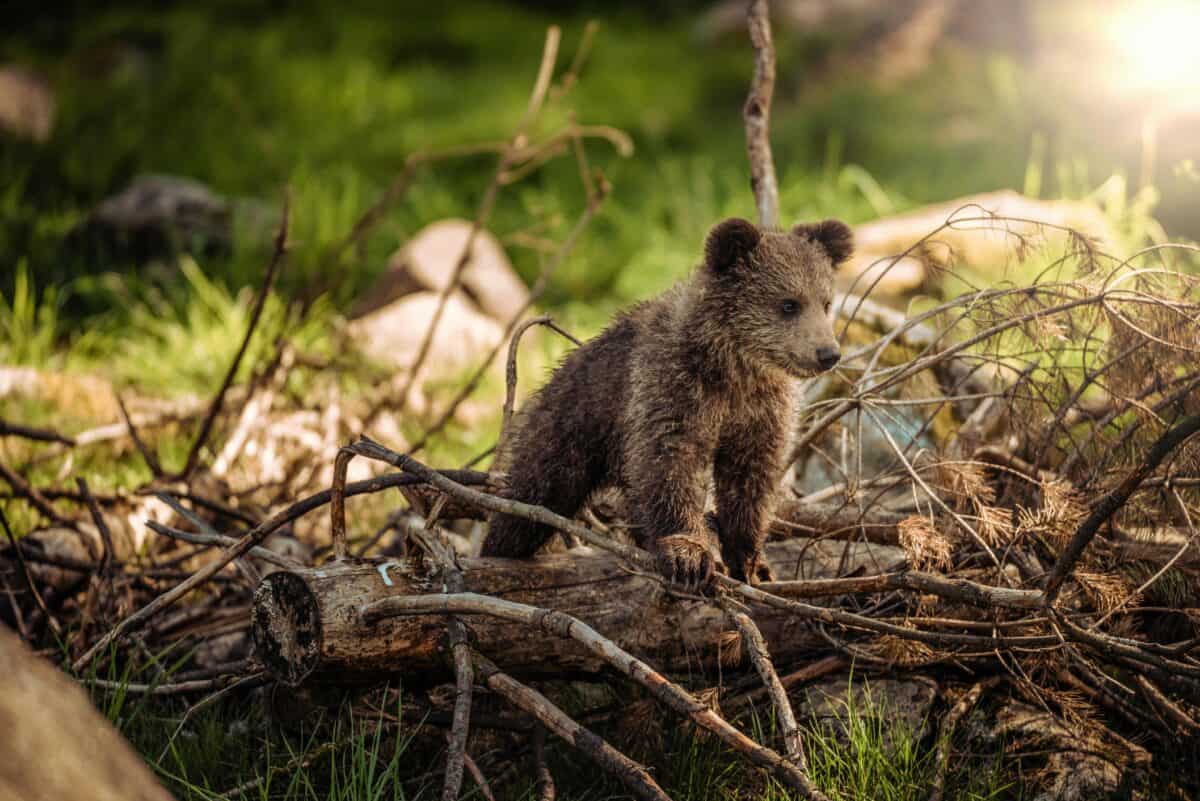
For many species, temperature serves as a vital environmental cue that dictates the timing and success of reproductive processes. Some animals, such as reptiles, rely on temperature-dependent sex determination (TSD) where the incubation temperature of eggs determines the sex of the offspring. Similarly, temperature can influence hormonal cycles, maturation, and gamete production in a wide range of species, including birds, fish, and mammals.
Temperature and Timing: A Delicate Balance

In many ecosystems, the timing of reproductive events is synchronized with environmental temperature. Cyclical changes in temperature often signal the onset of breeding seasons, ensuring that offspring are born at the most advantageous time of the year for their survival. However, climate change is disrupting these delicate balances. Warmer temperatures may lead to earlier onset of breeding seasons, as seen in numerous bird species. This can affect food availability and the survival rates of the young, potentially leading to population declines.
Effects on Aquatic Life

Aquatic animals are particularly vulnerable to temperature fluctuations. For fish and amphibians, water temperature directly influences metabolic rates, growth, and reproductive cycles. Increased water temperatures can lead to the earlier onset of breeding but may also result in mismatches between the hatching of young and the availability of food resources. Additionally, higher temperatures can induce stress, leading to reduced fertility and compromised immune functions.
Impact on Terrestrial Animals
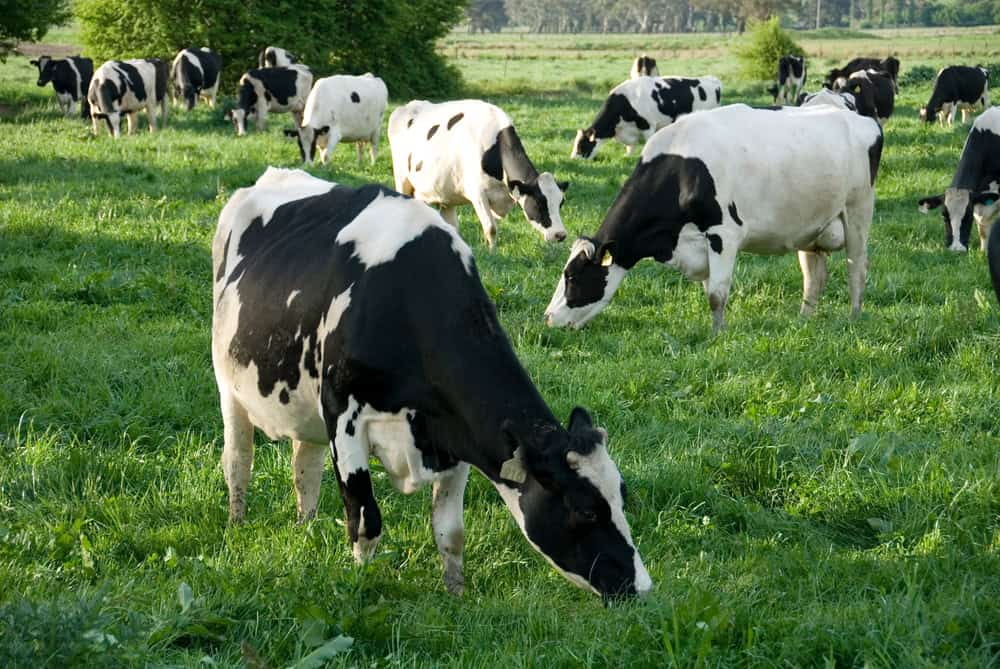
Terrestrial animals are not immune to the impacts of rising temperatures. Mammals, for example, may experience altered reproductive cycles. Studies have shown that heat stress can impact the quality of sperm in livestock and other mammals, leading to reduced fertility rates. Additionally, temperature changes can affect the distribution of species, as animals migrate to more favorable climates, potentially impacting genetic diversity and breeding success.
Invertebrate Reproduction and Temperature

Invertebrates, like insects, also exhibit temperature-dependent reproductive changes. Warmer temperatures might accelerate lifecycles but could also lead to a boom-and-bust pattern in population dynamics. For pollinators such as bees, whose reproductive success is tied to temperature, this could have cascading effects on ecosystems and agriculture due to their essential role in pollination.
Adaptive Responses and Evolutionary Impacts
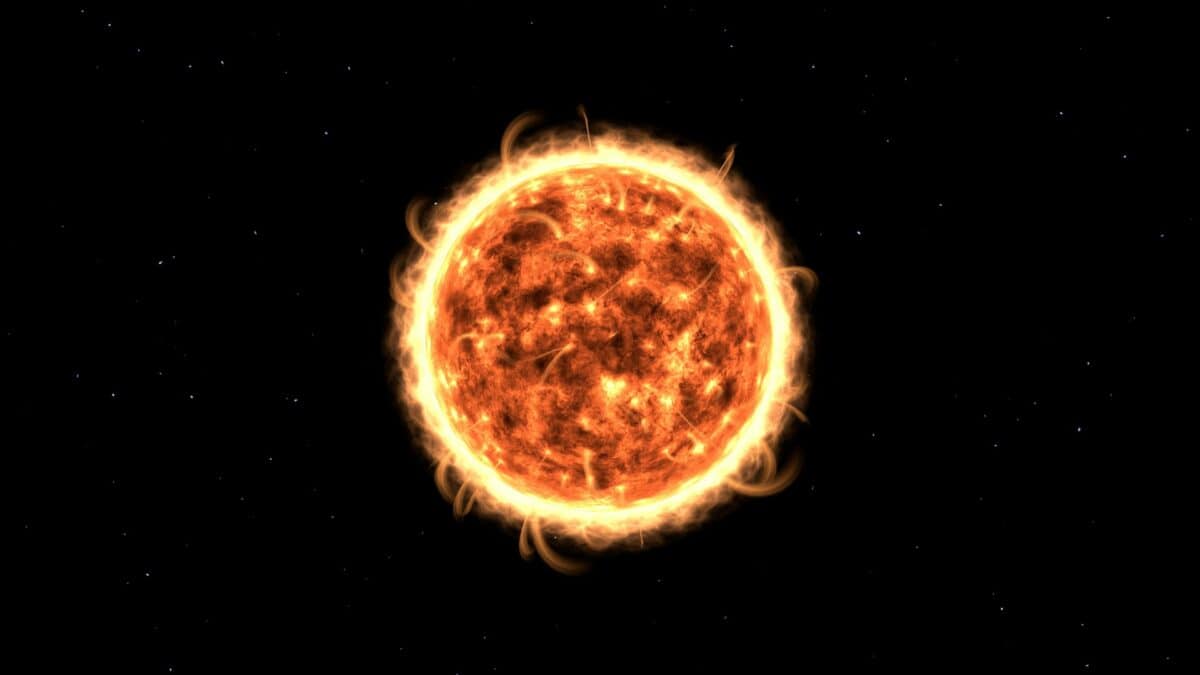
Over time, some species may adapt to changing temperatures, evolving new reproductive strategies or shifting their ranges. However, the rate of current climate change poses a challenge, as evolutionary adaptations may not keep pace with rapid environmental shifts. This lag can lead to decreased reproductive success and increased vulnerability to extinction for some species.
Conclusion
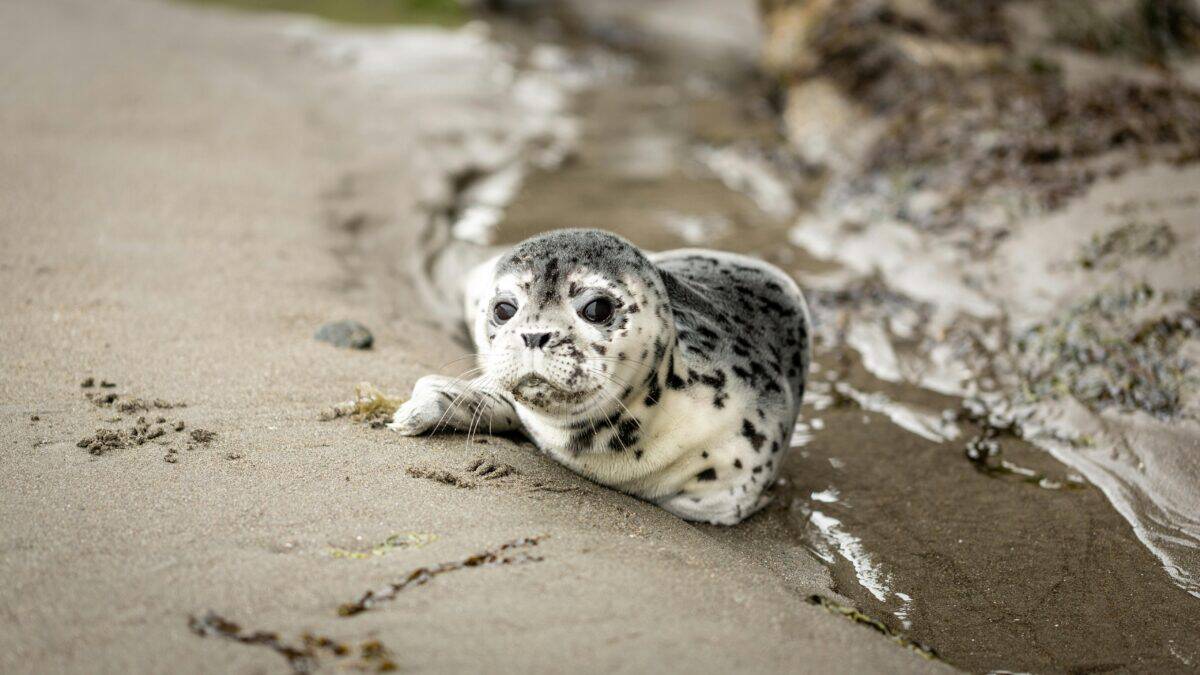
The effects of temperature changes on animal reproduction are complex and multifaceted, impacting everything from sex determination and mating cycles to offspring survival and species distribution. Understanding these effects is crucial for predicting how wildlife populations may fare in a warming world. As research continues, it is imperative that conservation efforts consider these dynamics to mitigate potential negative outcomes on biodiversity and ecosystem health.
Further Reading and Exploration

For those interested in exploring this topic further, academic journals and books focusing on climate science, animal biology, and ecology can provide deeper insights. Engaging with local conservation groups and attending talks or seminars on wildlife and climate change are also excellent ways to stay informed and involved in the ongoing conversation about our planet’s changing environment.

- The Most Powerful Earthquake Ever Felt in the U.S. - July 19, 2026
- How Rhinoceros Males Compete for Mating Rights in the Wild - July 18, 2026
- 13 Spider Species Thriving in Changing Environments - July 18, 2026