
In the quiet darkness of night, a remarkable behavioral shift is occurring across the animal kingdom. As human activities increasingly dominate daylight hours, many species are adapting by becoming more active after sunset. This phenomenon, known as “human-induced nocturnality,” represents one of the most striking examples of how wildlife responds to our expanding footprint on the planet. From deer cautiously emerging from forests after dusk to coyotes prowling suburban neighborhoods under moonlight, animals are increasingly turning night into their new day—not by evolutionary design, but as an adaptive response to human presence. This dramatic behavioral change raises important questions about wildlife conservation, ecosystem balance, and our responsibility to coexist with the natural world. Let’s explore why more and more animals are choosing darkness to escape our pervasive influence.
The Human Footprint and Wildlife Behavioral Changes
Humans occupy or influence approximately 75% of Earth’s land surface, creating an unprecedented challenge for wildlife. This extensive footprint manifests through urbanization, agriculture, recreation, and transportation networks that fragment habitats and introduce constant disturbances. Research published in the journal Science found that human presence typically reduces animal movement by up to 35-40% during daylight hours in areas with high human activity. As a result, many species face a critical choice: adapt to human presence, retreat to increasingly limited undisturbed areas, or modify their activity patterns to avoid direct human contact. This third option—shifting activity to nighttime—has emerged as a surprisingly common adaptation across diverse taxa and ecosystems. Unlike evolutionary changes that occur over many generations, these behavioral shifts can happen relatively quickly, representing real-time adaptation to anthropogenic pressures. This temporal partitioning allows animals to utilize the same physical spaces as humans but at different times, creating an invisible boundary between our worlds.
The Science of Temporal Partitioning

Temporal partitioning—the practice of different species using the same habitat at different times—is not new in ecological systems. However, what researchers are now documenting is unprecedented: human-induced temporal partitioning on a global scale. A groundbreaking 2018 meta-analysis in the journal Science examined 76 studies of 62 mammal species across six continents and found that animals increased their nighttime activity by an average of 36% in areas with high human presence compared to areas with low human disturbance. This shift occurred regardless of whether humans posed direct threats (hunting) or indirect disturbances (hiking, agriculture). Even in protected areas where humans are ostensibly benign visitors, animals displayed significant nocturnal shifts. This research confirmed that temporal partitioning with humans has become a widespread wildlife adaptation strategy, affecting species from rodents to large carnivores. The consistency of this pattern across diverse taxonomic groups and geographic regions suggests that nocturnality may be one of the most common behavioral adaptations to human activity worldwide.
Diurnal Species Making the Night Shift
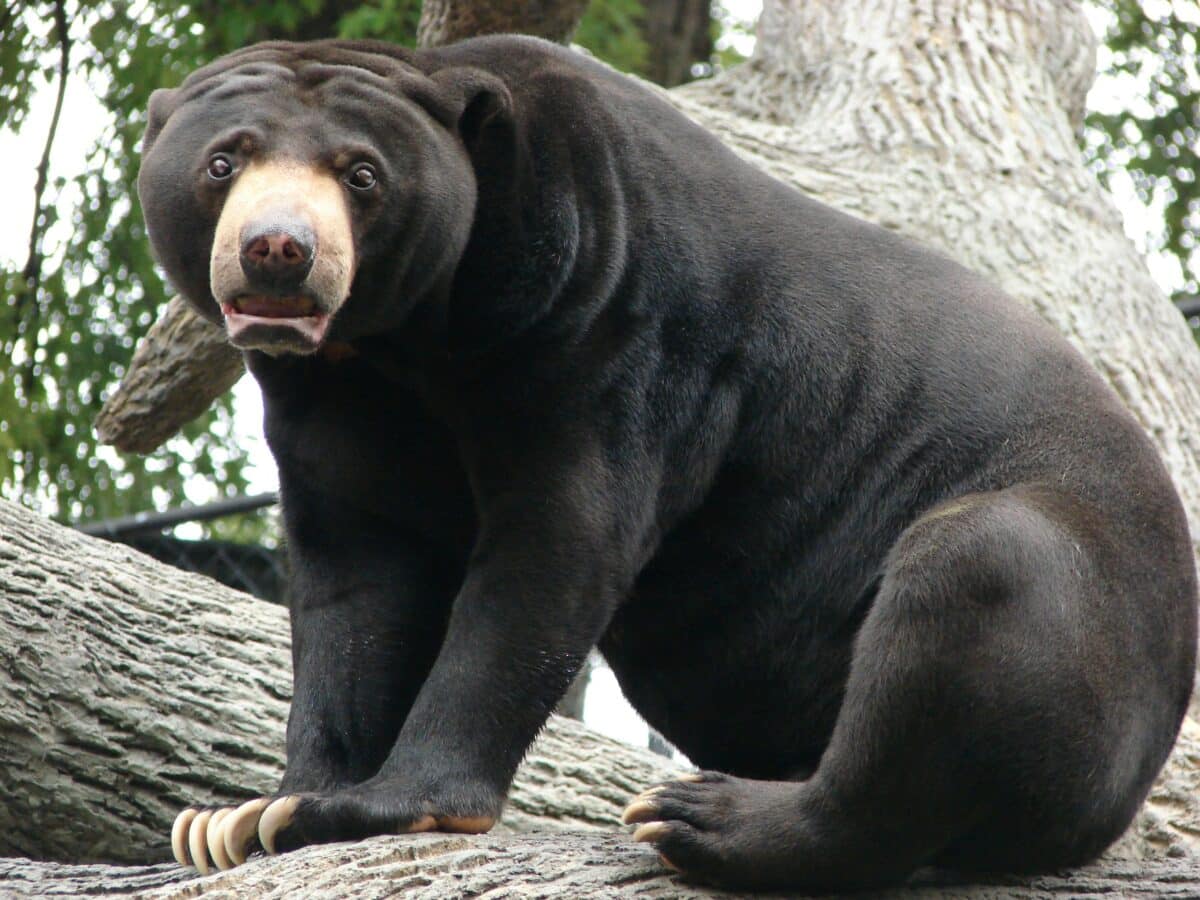
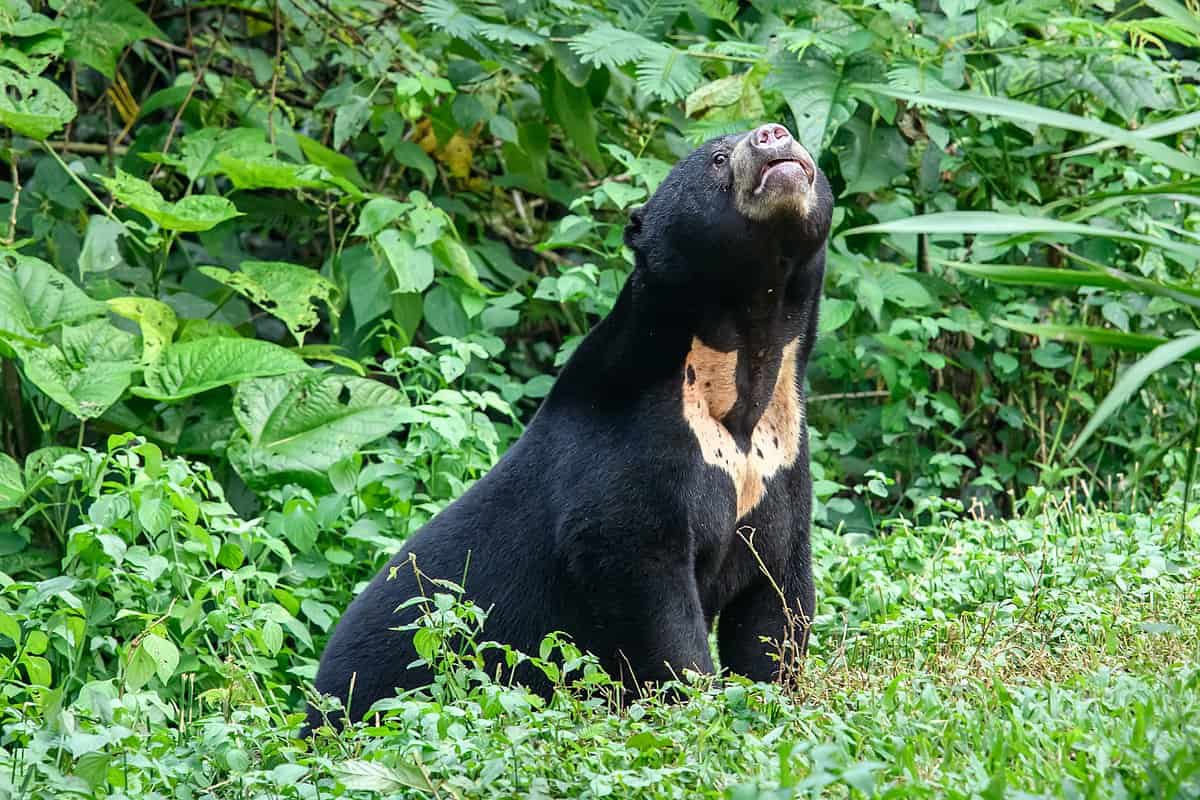
Some of the most dramatic examples of human-induced nocturnality come from naturally diurnal species—those evolutionarily adapted for daytime activity—that are now substantially shifting their behavior. African elephants, historically most active during daylight hours, have increased their nighttime movements by up to 80% in regions with high poaching pressure. Similarly, plains zebras in Tanzania’s human-disturbed areas have shifted 10-15% more of their feeding activities to nighttime compared to populations in protected regions. Even sun bears, named for their daytime habits, now conduct up to 70% of their foraging at night in forests near human settlements in Southeast Asia. These shifts are particularly significant because diurnal species typically have physiology optimized for daylight conditions, including visual systems designed for color discrimination and high acuity in bright light. When forced into nighttime activity, these animals must operate with sensory disadvantages, potentially affecting their foraging efficiency, predator detection, and social interactions. The willingness of these species to accept such disadvantages highlights the powerful selective pressure that human presence exerts.
Urban Wildlife Adaptation to Human Schedules

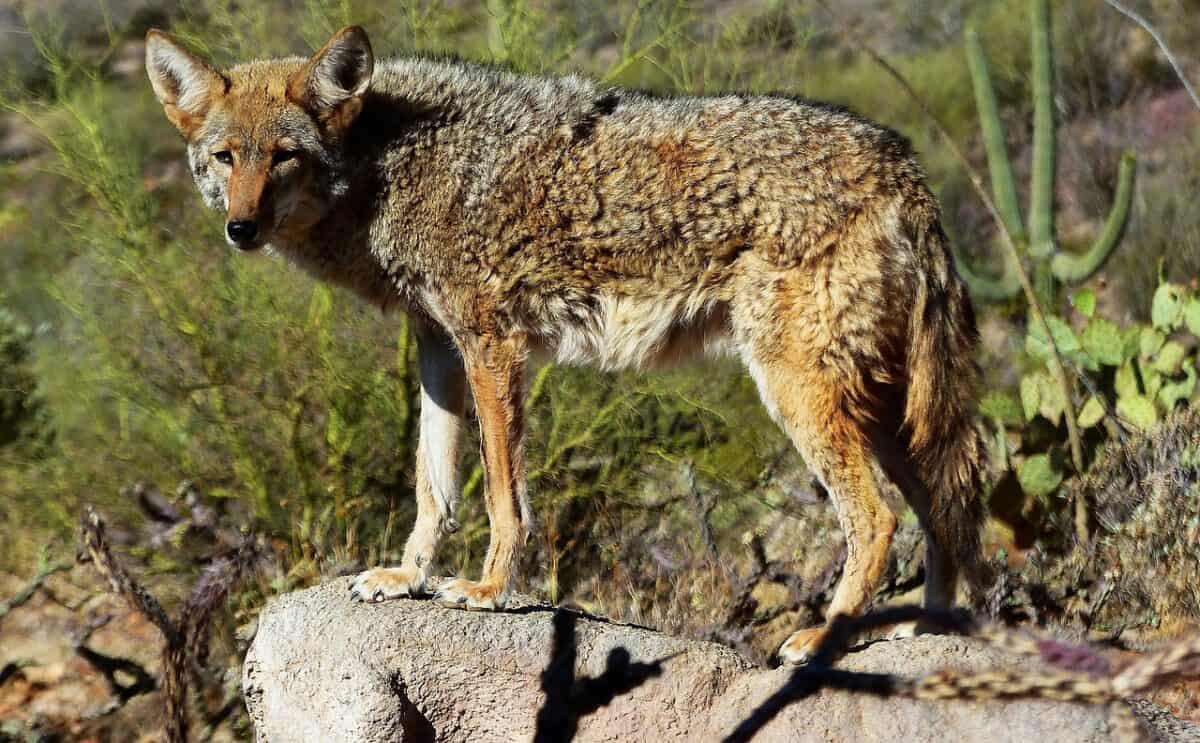
Urban and suburban environments present perhaps the most extreme examples of wildlife temporal shifts. Studies of urban coyotes show they have reduced daytime activity by nearly 70% compared to their rural counterparts, becoming almost exclusively nocturnal in cities like Chicago and Los Angeles. Urban raccoons have developed such strict nocturnal patterns that daytime sightings often indicate illness or injury. Even birds, which typically rely heavily on vision and are predominantly diurnal, show shifts in urban settings—American robins in cities sing earlier before dawn and later after sunset than forest-dwelling populations. These urban adaptations demonstrate not just avoidance of humans generally, but fine-tuned responses to specific human activity patterns. Research in Phoenix, Arizona documented that urban bobcats and coyotes adjust their activity patterns seasonally based on human recreational patterns, becoming more strictly nocturnal during high tourist seasons. This suggests sophisticated monitoring of human schedules and the ability to make dynamic behavioral adjustments—cognitive abilities that were previously underappreciated in many species.
Recreational Activities Driving Wildlife Underground

Even seemingly low-impact human recreational activities can trigger nocturnal shifts in wildlife. A 2021 study in California’s Santa Cruz Mountains found that hiking trails experienced 80-93% fewer daytime wildlife crossings compared to nighttime, despite no hunting or development in the area. Mountain biking appears to create even stronger avoidance responses, with research in Colorado showing a 60% reduction in mule deer activity within 400 meters of mountain biking trails during daylight hours. Similarly, a study in Utah’s Wasatch Mountains documented that elk avoid popular hiking areas during weekends but return to these same areas midweek when human activity decreases. These findings challenge the common perception that non-consumptive recreation has minimal wildlife impacts. In fact, the mere presence of humans—even when engaged in quiet observation like bird watching—appears sufficient to trigger avoidance behaviors in many species. This research has prompted land managers in some areas to implement temporal restrictions on human access, creating “wildlife time zones” when certain trails or areas are closed to visitors to allow animals undisturbed access to critical resources during daylight hours.
Hunting Pressure as a Nocturnal Driver

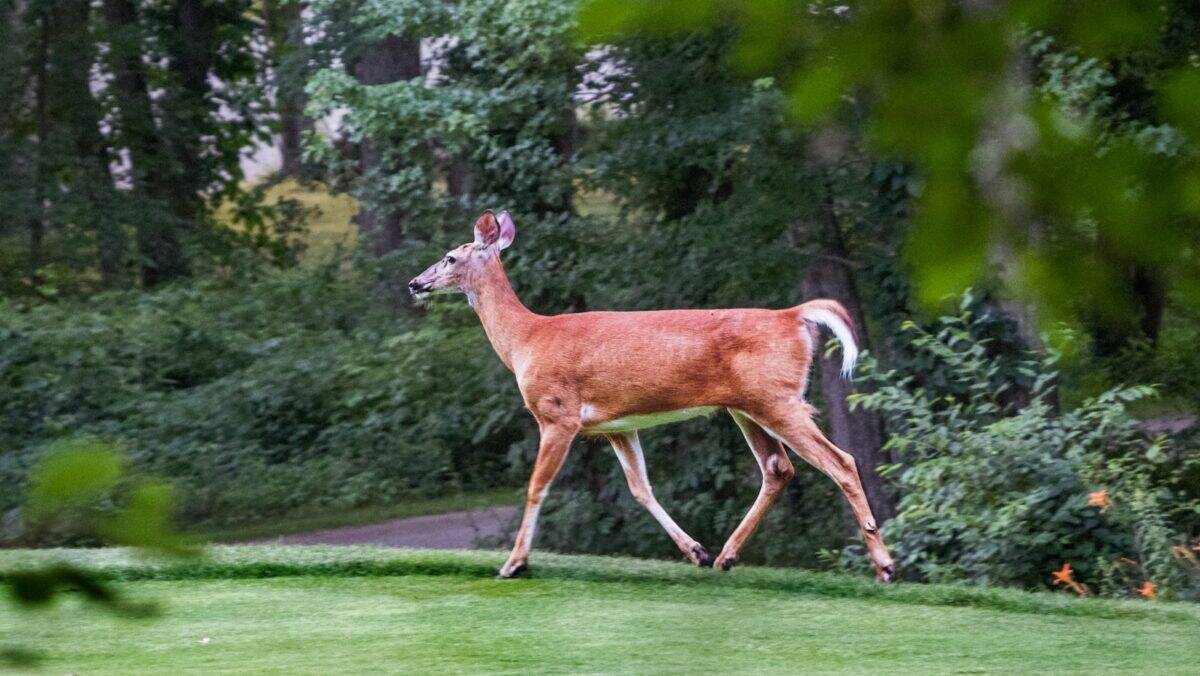
Hunting creates some of the strongest selective pressures for nocturnal behavior in wildlife. In regions with active hunting seasons, studies show dramatic shifts in activity patterns. Research in Poland’s forests documented that red deer shift from approximately 40% nighttime activity during the non-hunting season to over 90% during hunting season. Similarly, wild boar in hunted areas of Spain conduct 90% of their movements at night compared to 50% in protected areas. This behavioral adaptation appears to be both learned and culturally transmitted—in areas where hunting has been banned after long periods of hunting pressure, it can take multiple generations for animals to return to more natural activity patterns. Some research suggests that hunting may create stronger nocturnal shifts than any other human activity because it presents an immediate mortality risk rather than just disturbance. This heightened response to hunting may explain why many game species like white-tailed deer and wild turkey have become predominantly nocturnal across much of their range, even in areas where hunting pressure is relatively moderate or seasonally restricted.
Predator-Prey Dynamics in the Dark
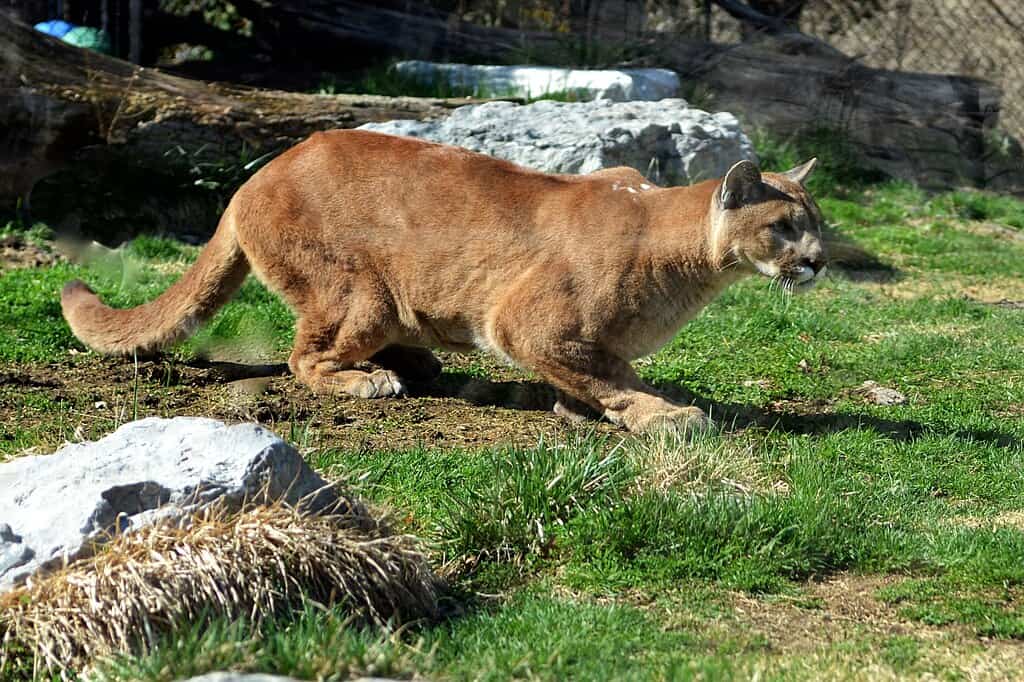
When prey species shift to nocturnal activity to avoid humans, their predators often follow suit, creating cascading effects through ecosystems. Research in the Greater Yellowstone Ecosystem found that when elk became more nocturnal near areas of human recreation, wolves similarly shifted their hunting patterns to match their prey’s new schedule. However, this synchronization isn’t always perfect. In California’s Santa Cruz Mountains, studies show that pumas (mountain lions) have increased their nocturnal activity by 30% in human-dominated landscapes, but deer in the same areas showed a 60% nocturnal shift—creating a temporal mismatch that potentially reduces predation risk for deer. These altered predator-prey dynamics can have significant ecological consequences. When predators successfully shift to match prey nocturnal patterns, prey populations may experience similar predation pressure despite their behavioral adaptation. Conversely, when predators cannot effectively adapt to nighttime hunting, prey populations may experience reduced predation, potentially leading to overabundance and associated vegetation impacts. These complex interactions highlight how human influence can reshape ecological relationships in subtle but important ways, even without directly removing or adding species to a system.
Physiological Costs of Going Nocturnal

Shifting to nighttime activity isn’t without costs for animals evolutionarily adapted to daytime living. Research shows that diurnal species forced into nocturnal patterns often experience physiological stress and disruption to circadian rhythms. A study on European red deer found that individuals in high-human-disturbance areas showed cortisol levels 25-30% higher than those in low-disturbance areas, indicating chronic stress. Similarly, research on urban-dwelling birds revealed that species adopting more nocturnal patterns showed elevated stress hormones and altered immune function. Beyond stress, nighttime activity requires operating with sensory systems that may be suboptimal in darkness. Diurnal mammals typically have color vision and high visual acuity that becomes compromised in low light, potentially reducing foraging efficiency by 15-40% according to experimental studies. Thermoregulation presents another challenge, particularly in temperate regions where nighttime temperatures can be significantly lower than daytime. This forces animals to expend more energy maintaining body temperature—studies on small mammals suggest a 10-20% increase in metabolic costs when active during colder nighttime hours versus warmer daytime periods. These combined physiological costs may explain why some species resist complete nocturnal shifts despite human pressure.
Success Stories: Species Thriving in the Night

Despite the challenges, some species have not merely survived but thrived by adopting more nocturnal habits around humans. Coyotes represent perhaps the most successful example, having expanded their range across North America while becoming increasingly nocturnal in human-dominated landscapes. Their populations have grown by an estimated 40% in the last five decades, even as human development has expanded. Raccoons show similar success, with urban populations often reaching densities 10-20 times higher than in rural areas despite their shift to almost exclusively nocturnal patterns in cities. Among ungulates, white-tailed deer have masterfully adapted to suburban environments by becoming primarily crepuscular (active at dawn and dusk) and nocturnal, allowing their populations to reach unprecedented densities in some suburban areas. These success stories share common elements: behavioral plasticity (the ability to quickly modify behavior), omnivorous diets that can be adapted to new food sources, and relatively good nocturnal sensory capabilities even if not evolutionarily optimized for darkness. These adaptable species demonstrate that nocturnal shifts can be a successful strategy for coexisting with humans, potentially offering conservation insights for helping less adaptable species persist in an increasingly human-dominated world.
Ecosystem Consequences of Temporal Shifts
When animals change their activity patterns, ripple effects spread throughout ecosystems. Plant-animal interactions are particularly vulnerable to disruption. Research in California oak woodlands found that acorn dispersal by scrub jays decreased by 30% in areas where the birds shifted to more crepuscular activity patterns due to human recreation. Similarly, studies of nocturnal shifts in fruit-eating mammals documented reduced seed dispersal distances and more concentrated seed deposition patterns compared to daytime foraging. Pollination networks can also be affected—flowers that evolved to be pollinated by diurnal animals may receive fewer visits when their pollinators shift activity times. Beyond these direct interactions, temporal shifts can alter competitive dynamics between species. When some herbivores become more nocturnal while others retain diurnal habits, vegetation impact patterns change, potentially favoring certain plant species over others. Over time, these altered interaction patterns can reshape community composition and ecosystem function. Some ecologists suggest we may be witnessing the early stages of “temporal rewiring” of ecosystems globally as species adjust their activity patterns in response to human presence—creating novel ecological communities that function differently from their historical counterparts.
Technological Monitoring of Nocturnal Shifts

Documenting wildlife’s nocturnal shift has been revolutionized by technological advances. GPS collars with accelerometers now allow researchers to monitor animal activity patterns with 24-hour precision, revealing behavioral changes that were previously invisible. Camera trap networks have become particularly valuable for studying nocturnal behavior, with some research networks deploying thousands of motion-activated cameras across landscapes to create comprehensive activity profiles for multiple species simultaneously. The latest generation of camera traps can record not just presence but detailed behaviors through video, infrared capabilities, and even AI-powered behavior recognition. Acoustic monitoring using automated recording units adds another dimension, tracking vocal species through their calls without physical presence. These technologies have transformed understanding of nocturnal wildlife activity from anecdotal to quantitative. For example, a camera trap study spanning 32 protected areas worldwide found that mammal nocturnality increased by an average of 1.36 times in areas with high human activity compared to low-disturbance areas within the same protected region. This precision in measuring behavioral changes provides powerful evidence for conservation decisions, helping land managers determine when and where human activities should be limited to protect wildlife access to resources during their preferred activity periods.
Conservation Implications and Management Strategies
Understanding wildlife’s nocturnal shift has prompted innovative conservation approaches. Some protected areas have implemented “temporal zoning”—restricting human activities during specific hours rather than just in specific places. Banff National Park in Canada, for example, has established seasonal evening closures on some trails to provide undisturbed foraging time for diurnal wildlife. Similarly, several European nature reserves have created “dark sky corridors” where artificial lighting is minimized and human access is limited after sunset to preserve natural nocturnal conditions. Wildlife crossing structures are increasingly designed with temporal use patterns in mind—some newer highway overpasses incorporate visual barriers specifically to encourage daytime use by animals that might otherwise wait for nightfall to cross. In urban areas, “dark sky” initiatives reduce light pollution that can disrupt nocturnal wildlife, with cities like Tucson, Arizona implementing comprehensive outdoor lighting codes that have measurably improved conditions for urban wildlife. Perhaps most importantly, conservation planning is beginning to incorporate temporal habitat needs alongside spatial requirements. The recognition that animals need not just space but time without human disturbance represents an important evolution in conservation thinking—acknowledging that preserving land alone is insufficient if animals cannot access resources during their preferred activity periods.
Conclusion: Finding Balance in a Shared World

The widespread shift toward nocturnality among wildlife represents both a warning and an opportunity. It warns us that human presence creates impacts far beyond visible habitat destruction, affecting animal behavior in subtle but profound ways. Species that go nocturnal may persist alongside us, but often with physiological costs and disrupted ecological relationships. Yet this behavioral plasticity also offers hope, demonstrating wildlife’s remarkable capacity to adapt to our presence. The challenge for conservation in the Anthropocene is finding balance—allowing humans and wildlife to share landscapes across both space and time. This may require reconsidering our own patterns, perhaps by establishing temporal refuges where wildlife can access critical resources without human disturbance. It certainly demands greater awareness of our sensory footprint—how our lights, sounds, and mere presence echo through ecosystems long after we’ve left an area. By understanding and respecting wildlife’s need for temporal space, we can work toward a more harmonious coexistence where animals don’t need to hide in darkness to survive the human age.

- The Story of the Arctic Fox’s Incredible Seasonal Transformation - July 18, 2026
- 10 Most Venomous Snakes in US National Parks - July 18, 2026
- The Moth That Drinks Blood - July 18, 2026