
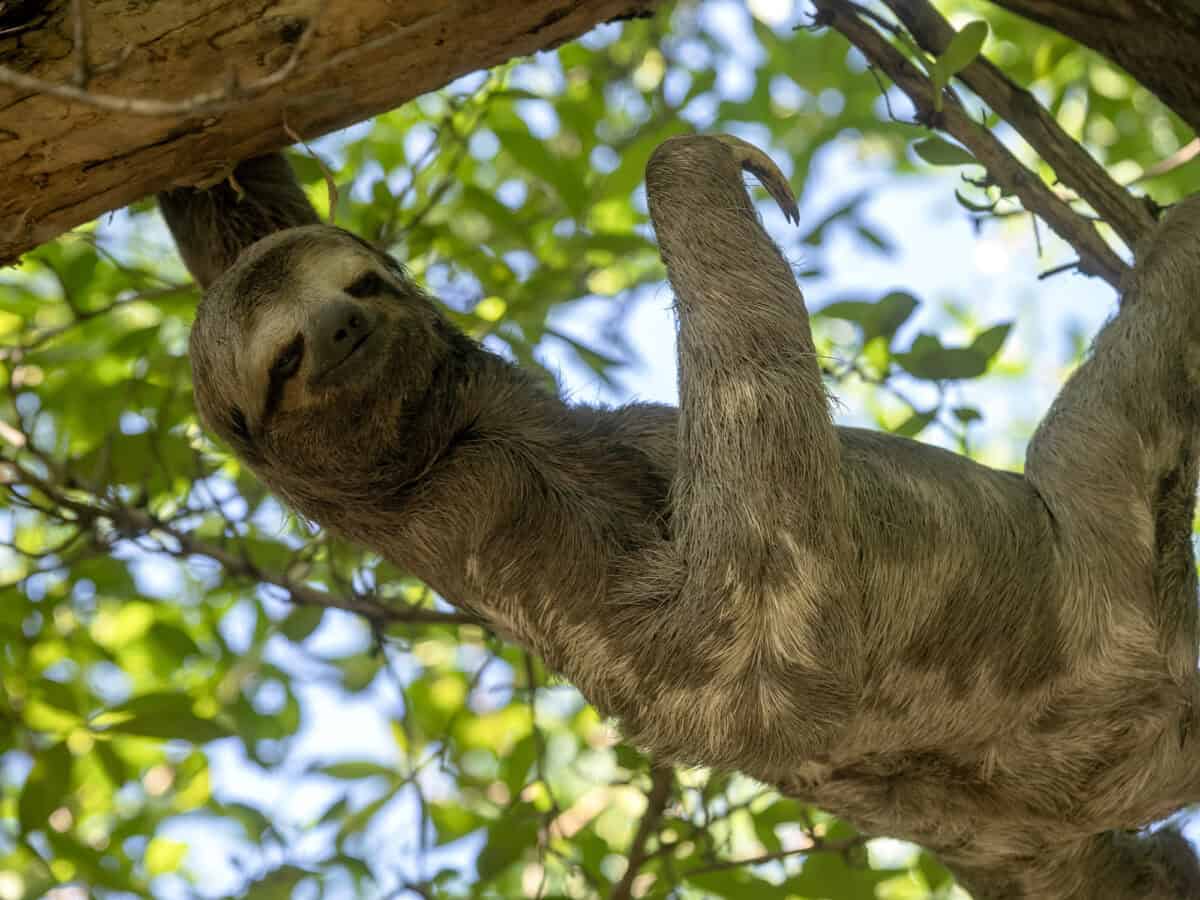
When considering the swiftness that nature often requires for survival, one might wonder how a creature as slow as the sloth fits into this grand tapestry. Sloths, known for their deliberate movements and laid-back lifestyle, offer a unique perspective on adaptation and survival. In this article, we explore the fascinating world of the sloth, examining its biology, habitat, and the evolutionary advantages of its slow-paced existence.
The Biology of Sloths

Sloths are arboreal mammals belonging to the families Megalonychidae (two-toed sloths) and Bradypodidae (three-toed sloths). Despite their names, both types actually have three toes on their hind limbs; the distinction arises from the number of fingers on their front limbs. These placid creatures are native to the Central and South American rainforests, where they spend most of their time hanging upside down in trees.
The anatomy of sloths is uniquely suited to their lifestyle. Their long limbs and curved claws enable them to effortlessly navigate treetops. Interestingly, their internal organs are positioned differently from most mammals, allowing them to hang upside down comfortably. This adaptation is supported by a low metabolic rate, which contributes to their notoriously slow movements. Their slow metabolism results in reduced caloric needs, an advantage in environments where food can be sparse.
Diet and Digestive System
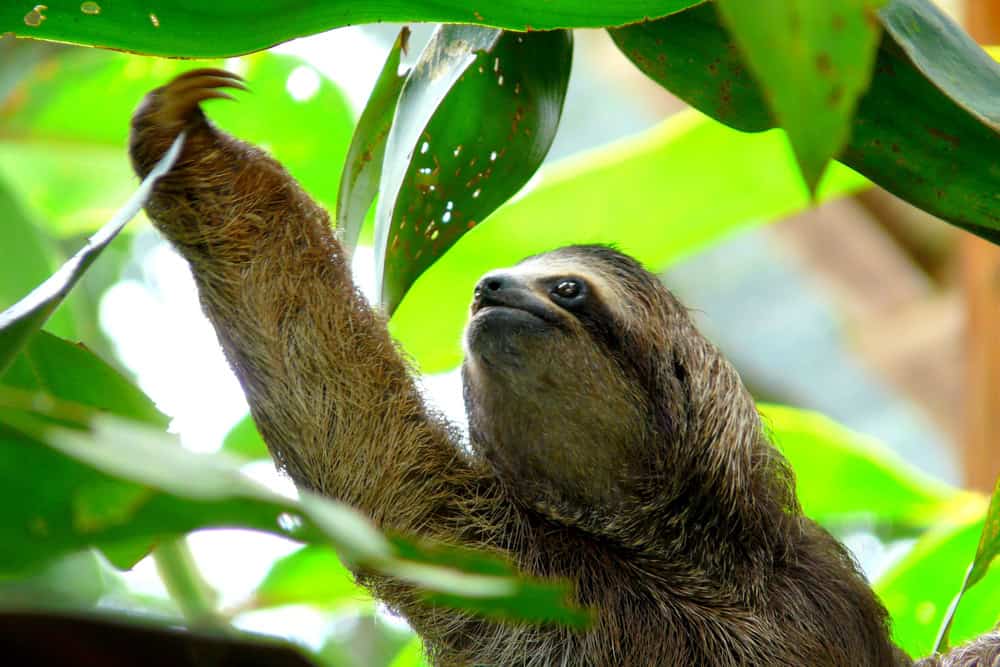
Sloths are primarily folivorous, meaning their diet consists mainly of leaves. This low-energy diet complements their metabolic rate, but it also presents challenges. Leaves are difficult to digest and provide minimal nutrition. Consequently, sloths have evolved a highly specialized digestive system with multi-chambered stomachs, similar to those of ruminants, which allows them to ferment and break down tough plant material efficiently.
Digesting their food can take up to a month, an extraordinary duration for a mammal. This slow digestion process underlines the importance of their low-energy lifestyle and reinforces the relationship between their diet and their sluggishness.
Adaptations and Advantages of Slowness

At first glance, sloths’ sluggish behavior seems to be a disadvantage, especially in predator-rich environments. However, their slow movement is a strategic adaptation. By moving slowly and quietly, sloths avoid detection by predators such as harpy eagles and jaguars. Their fur often hosts algae, which provides a natural camouflage to blend into the green foliage of the rainforest canopy.
Additionally, sloths’ infrequent trips to the ground—mainly for defecation once a week—reduce opportunities for predators to attack. Sleeping approximately 15 to 20 hours a day, sloths conserve the energy gained from their minimalistic diet, ensuring their survival in challenging ecological conditions.
Sloths and Their Role in the Ecosystem
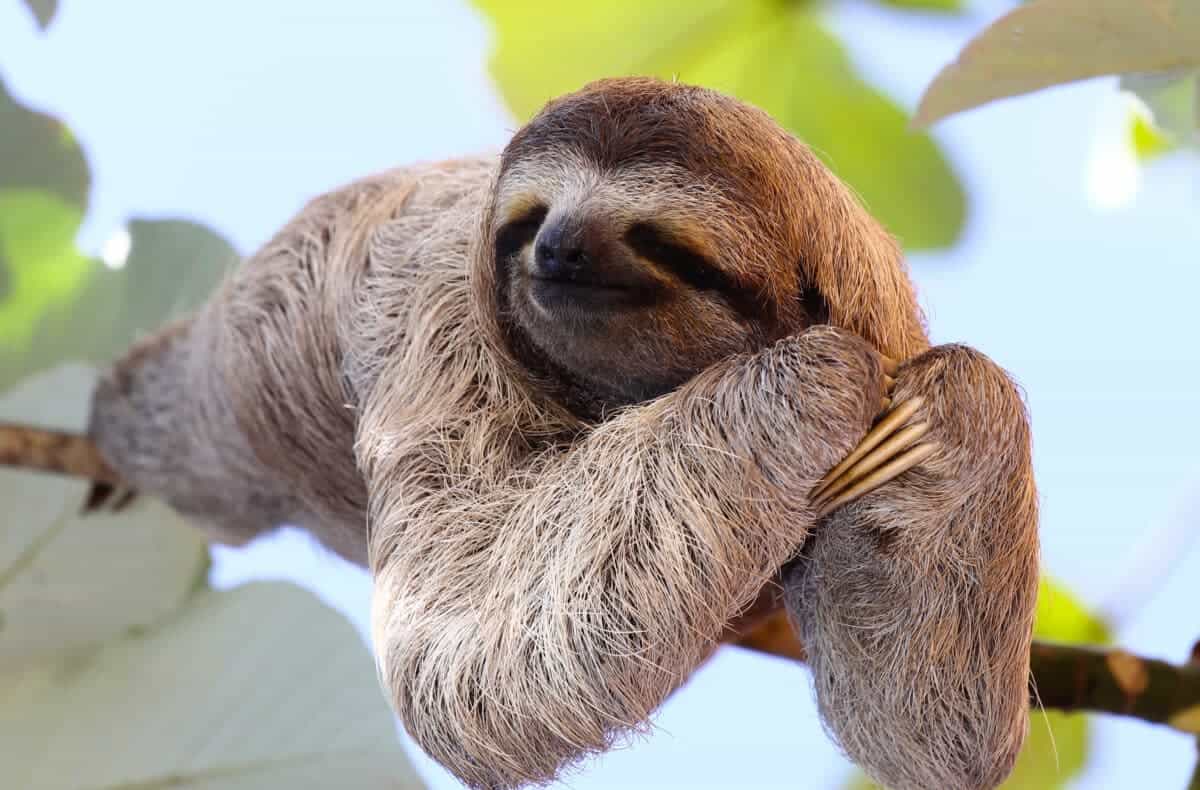
Despite their slow pace, sloths play a significant role in their ecosystems. By consuming leaves, they help maintain plant diversity and contribute to the balance of their habitat. Sloths are also important for the rainforest nutrient cycle. Their nutrient-rich waste supports plant growth and allows for a symbiotic relationship with the trees that provide their sustenance.
Moreover, the unique ecosystem that develops in sloth fur supports biodiversity. Moths, fungi, and algae reside in this microhabitat, contributing to the intricate web of life within the rainforest.
Conservation Status
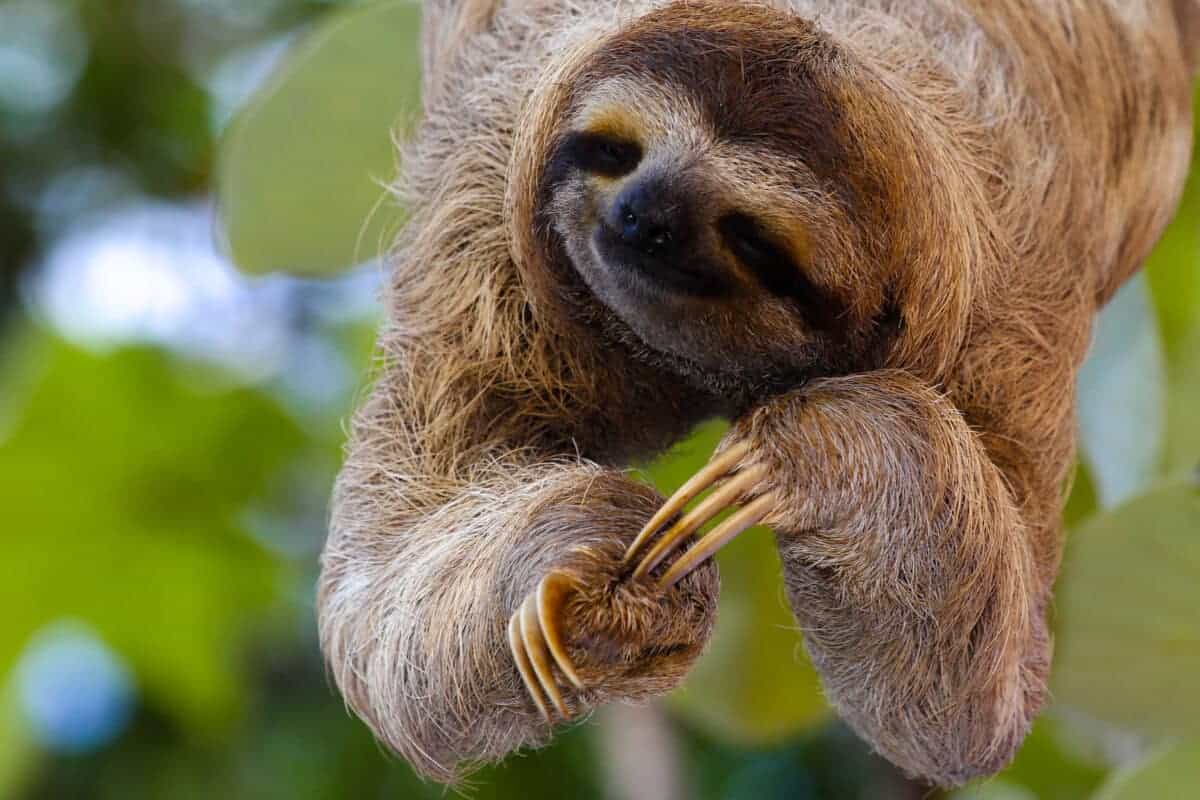
Sloths are currently facing threats from habitat destruction, primarily due to deforestation and human encroachment. As rainforests are cleared for agriculture and urban development, sloths lose their homes and, subsequently, their food sources. Efforts are underway by various conservation organizations to protect and preserve sloth habitats, emphasizing the importance of these unique mammals in maintaining ecological balance.
Conservation strategies include creating protected forest areas, fostering sustainable land-use practices, and raising public awareness about the significance of sloths and their vulnerable status. Some sloth species, such as the pygmy three-toed sloth, are classified as critically endangered, exemplifying the urgent need for conservation action.
Conclusion

Sloths are remarkable examples of evolutionary success through extreme specialization. Their slow movements and unique adaptations allow them to thrive in their rainforest homes, offering valuable lessons about survival and ecological contribution. As stewards of the planet, the responsibility falls upon us to ensure that these fascinating creatures continue to inhabit our world, providing inspiration and understanding of nature’s intricate balance.

- The Deadliest Floods That Wiped Out Entire Cities - July 17, 2026
- How a Fisherman’s Shocking Discovery Led to a Scientific Breakthrough - July 16, 2026
- The Largest Bobcat Ever Spotted in U.S. Woods - July 15, 2026