

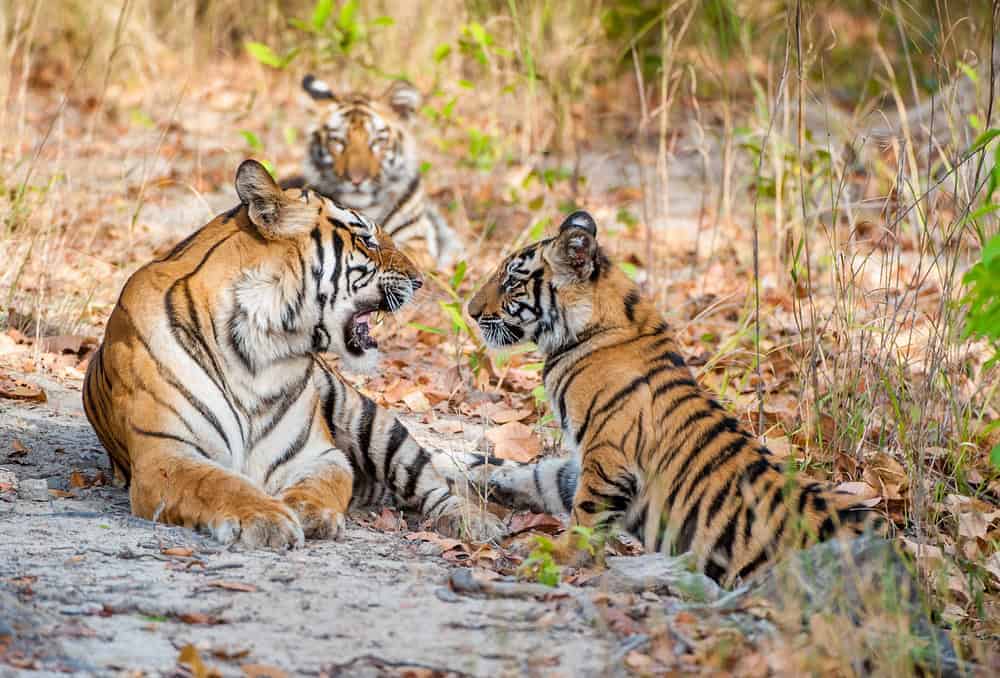
India is often celebrated for its vibrant culture, rich history, and diverse ecosystems. Among its many natural wonders, the majestic Bengal tiger stands out as a national icon and a symbol of wildlife conservation efforts. Known scientifically as Panthera tigris tigris, the Bengal tiger is a subspecies of tiger native to the Indian subcontinent. India offers the most conducive environment to witness these magnificent creatures in action, thanks to its numerous protected areas, dedicated conservation initiatives, and thriving biodiversity. This article delves into the reasons why India is the premier destination for experiencing Bengal tigers in their natural habitat.
Protected Areas and National Parks

India boasts a vast network of national parks and wildlife sanctuaries that provide a safe haven for the Bengal tiger. One of the most famous reserves is the Sundarbans National Park, a UNESCO World Heritage site that is home to the largest population of Bengal tigers in the world. Another notable location is Ranthambore National Park in Rajasthan, favored for its picturesque landscapes and frequent tiger sightings.
Other key reserves include Bandhavgarh, Kanha, and Jim Corbett National Parks, each offering unique opportunities to encounter tigers. These protected areas are equipped with experienced guides and organized safari tours, enhancing the chances for visitors to observe tigers hunting, playing, or resting in their natural settings.
Conservation Efforts
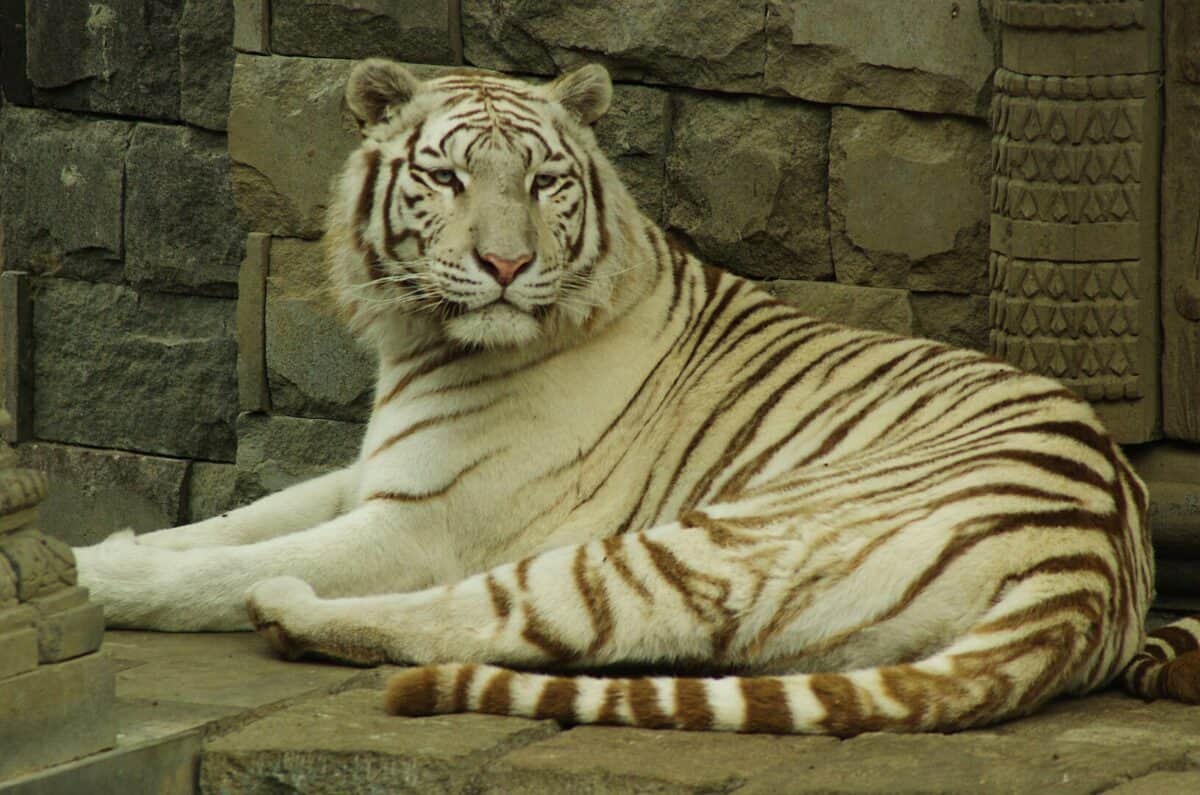
India has been at the forefront of efforts to conserve the Bengal tiger, with the government implementing various initiatives like Project Tiger. Launched in 1973, Project Tiger aimed to curb the dwindling population of tigers through stringent protection measures and the creation of special tiger reserves. Over the decades, the project has shown remarkable success in stabilizing and even increasing tiger populations in certain regions.
Additionally, India has enacted strict anti-poaching laws and employs sophisticated technology, such as camera traps and GPS collaring, to monitor tiger movements and protect them from illegal hunting. These efforts ensure that Bengal tigers continue to thrive in India, making it an ideal destination for those eager to witness these magnificent animals.
Biodiversity and Ecosystem
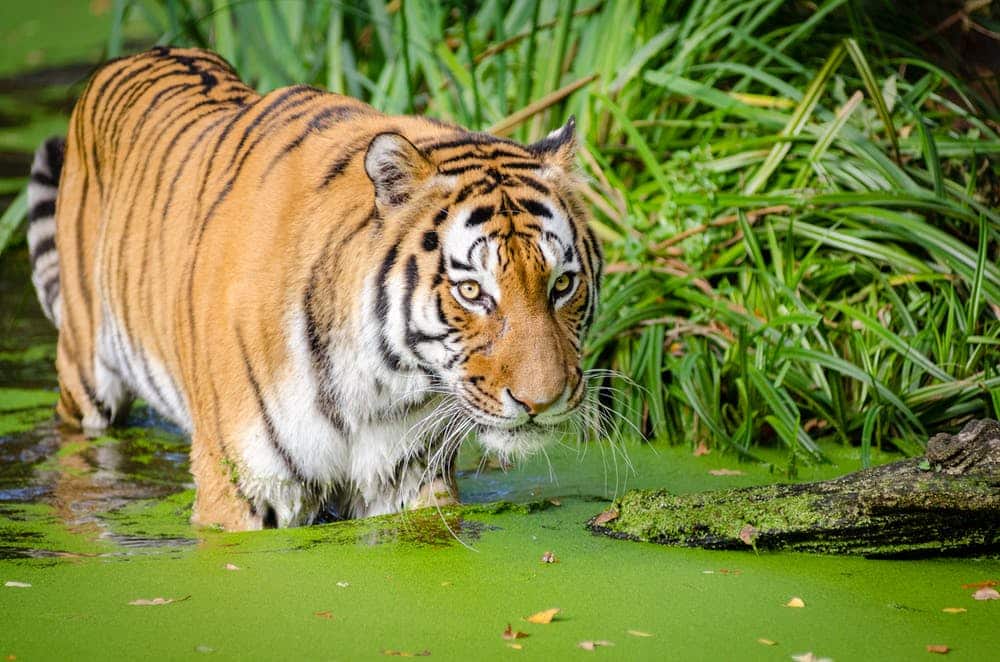
The Bengal tiger’s habitat is supported by India’s rich biodiversity, providing ample prey and a balanced ecosystem. From the dense mangroves of the Sundarbans to the deciduous forests of central India, the variety in landscapes supports a wide range of species that coexist with tigers. This abundance of biomass sustains a healthy tiger population and ensures a dynamic and thrilling experience for nature lovers.
In these ecosystems, one can witness the intricate web of life, where tigers play a crucial role as apex predators. Their presence indicates the health of the environment, and observing them in action reveals the delicate balance that exists in these ecosystems.
Cultural Significance and Ecotourism
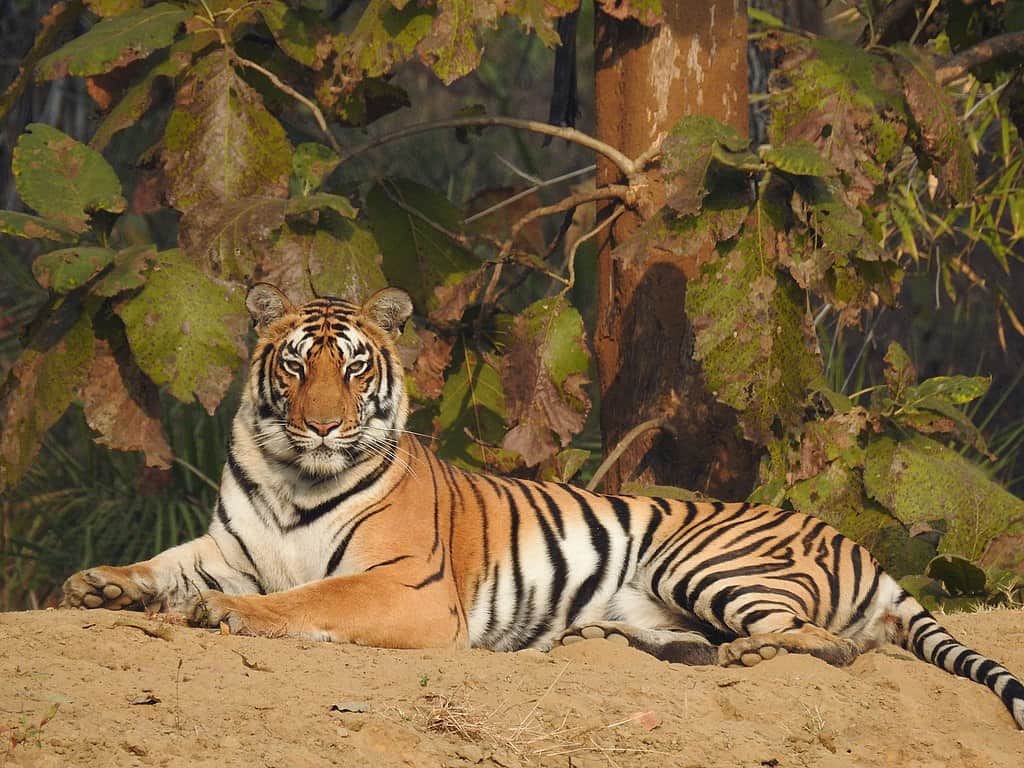
Beyond the thrill of spotting a tiger, India offers a rich cultural experience tied to its wildlife. Tigers have long been woven into Indian mythology, art, and folklore, embodying power, valor, and grace. Experiencing these narratives firsthand adds depth and context to a wildlife excursion.
The growth of ecotourism in India fosters an appreciation for conservation efforts and supports local economies. Tourists visiting tiger reserves contribute to sustainable development and help fund ongoing conservation projects, ensuring the Bengal tiger continues to roam freely in India’s wilderness.
Conclusion
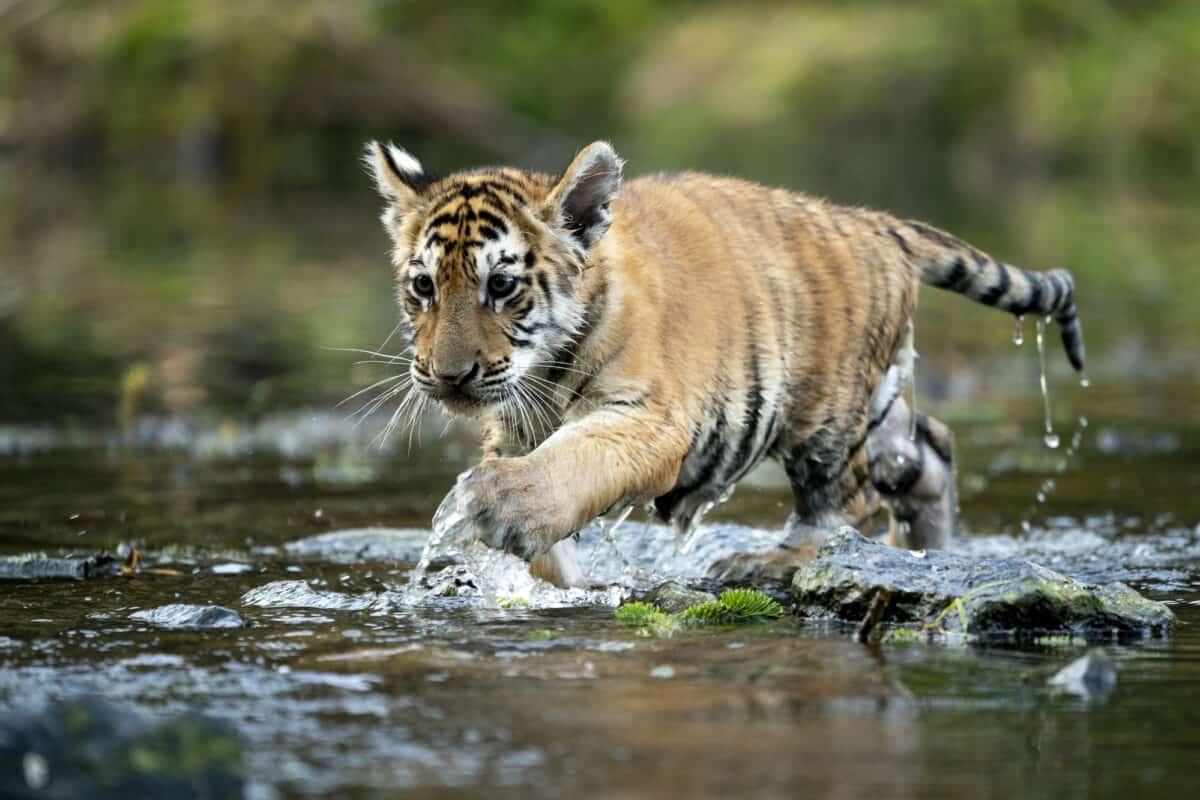
India’s unique combination of protected areas, effective conservation strategies, diverse ecosystems, and cultural richness makes it the best place to witness Bengal tigers in action. Whether you are a wildlife enthusiast, a photographer, or simply someone who appreciates the wonders of nature, India offers an unparalleled experience of seeing these iconic creatures up close. By visiting and supporting India’s national parks and reserves, you contribute to the vital conservation efforts that help preserve the Bengal tiger for future generations to admire and cherish.

As a little kid, I fell in love with nature, wildlife, and animals. Living in the USA, South Africa, Italy, China and Germany gave me the opportunity to discover the world's Wildlife. My favorite animals are Mountain Gorillas, Siberian Tigers, and Great White Sharks.
I'm a certified PADI Open Water Diver, went to Everest Base Camp and Trekked Gorillas in Uganda. I hold a Master of Science in Economics and Finance.
Please send any feedback to feedback@animalsaroundtheglobe.com
- 10 Most Unique Reptiles You will See in the US - July 21, 2026
- 3 Dangerous Invasive Species the USA Must Eradicate - July 21, 2026
- 10 Things That Calm Cats And 4 That Make Them Nervous - July 21, 2026