

When the sun sets and darkness envelops the natural world, a hidden side of animal life emerges. While most humans retreat to the comfort of their homes, countless creatures come alive in the night. From intricate communication systems to surprising hunting tactics, the nocturnal behavior of animals is a fascinating realm. In this article, we delve into the secret lives of seven remarkable animals that thrive after dark, showcasing their unique adaptations and behaviors.
The Hunting Techniques of Owls

Owls are the quintessential nocturnal hunters. With their silent flight enabled by serrated feather edges, they swoop down on unsuspecting prey without making a sound. Their extraordinary night vision, thanks to a high number of rod cells in their retinas, allows them to spot small movements even in dim light. Owls also possess an acute sense of hearing, capable of detecting tiny rustles and movements from considerable distances. This combination of stealth and sensory acuity makes them formidable predators of the night.
Echoes in the Dark: Bats’ Echolocation

Bats are often associated with darkness, primarily because of their reliance on echolocation to navigate and hunt. These flying mammals emit high-frequency sound waves that bounce off objects, enabling them to create a sound map of their environment. This innate sonar capability allows bats to detect and catch insects with remarkable precision. As nocturnal insectivores, bats play a crucial role in controlling pest populations, aiding in agricultural productivity.
The Nightly Serenades of Frogs

Frogs come alive in the night with their melodic croaks and calls, engaging in an ancient courting ritual. Male frogs often call out to attract females, using distinct species-specific sounds. The properties of these calls—frequency, duration, and volume—can vary based on environmental conditions and competition. By performing these nightly serenades, frogs ensure the survival and continuation of their species, highlighting the dynamic nature of their nocturnal lives.
Firefly Illuminations: A Dance of Light
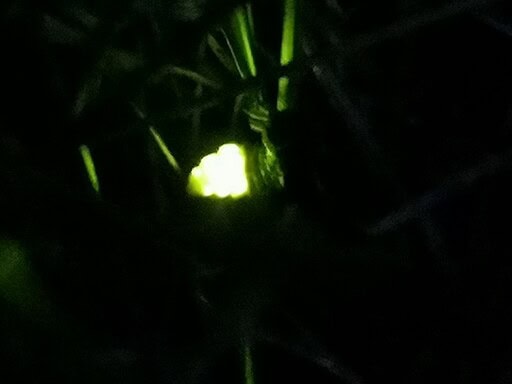
The magical glow of fireflies is a spectacle that captivates many during the twilight hours. These bioluminescent creatures use light as a form of communication, primarily for courtship. The patterns and rhythms of their flashes are unique to each species, acting as a precise signal during mating rituals. Fireflies produce this light through a chemical reaction known as bioluminescence, involving the enzyme luciferase and a light-emitting compound called luciferin. This enchanting light show not only attracts mates but also wards off predators.
Nocturnal Navigators: The Secrets of the Nightjar
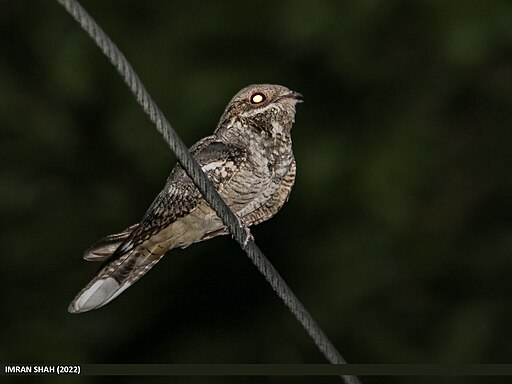
The nightjar is a nocturnal bird known for its exceptional camouflaging ability and unique foraging behaviors. During the day, these birds remain motionless, blending seamlessly into their surroundings with their cryptic plumage. As the night falls, nightjars become active, using their wide mouths to catch flying insects on the wing. Their distinctive calls, which fill the night air, play a role in territory establishment and mate attraction. Adaptations like large eyes and acute hearing aid them in their nighttime exploits.
Raccoons: The Urban Night Explorers

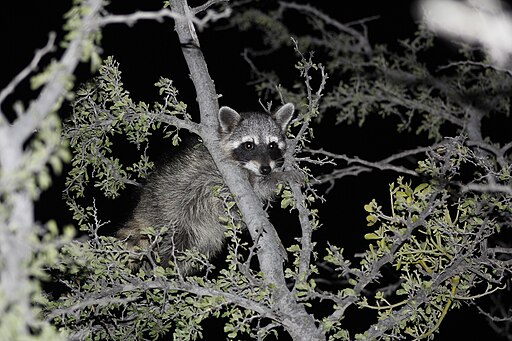
Raccoons are synonymous with nighttime foraging, often venturing into urban areas under the cover of darkness in search of food. These intelligent creatures have dexterous front paws, allowing them to open containers and manipulate objects to access food. Their omnivorous diet and adaptability have made them highly successful urban dwellers. Despite their nocturnal habits, raccoons have a complex social structure, communicating through a variety of vocalizations and body language.
The Secretive World of Nocturnal Fish
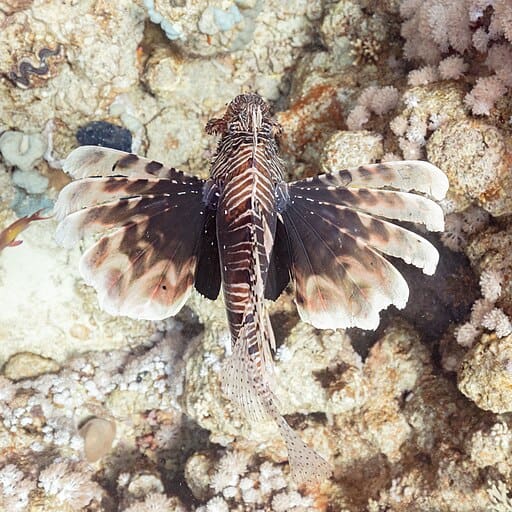
While many envision fish as diurnal creatures, some species thrive in the darkness of aquatic environments. Nocturnal fish, such as the flashlight fish, have developed unique adaptations like bioluminescent organs that help them navigate and communicate in the dark waters. These fish often form symbiotic relationships with bioluminescent bacteria, lighting up their surroundings to ward off predators and coordinate schooling. The secretive lives of these nighttime swimmers add another layer of intrigue to the world under the water’s surface.
Conclusion
The world after dark is a vibrant, bustling domain for countless animals, each adapted uniquely to thrive when the sun is down. From the keen senses of the owl to the enchanting glow of fireflies, the nocturnal behaviors and lifestyles of these creatures reveal the remarkable adaptability and diversity of life on Earth. As we explore these secret lives of animals after dark, we gain a deeper appreciation for the intricacies and wonders of the natural world that unfold beyond our typical waking hours.

- The Most Powerful Earthquake Ever Felt in the U.S. - July 19, 2026
- How Rhinoceros Males Compete for Mating Rights in the Wild - July 18, 2026
- 13 Spider Species Thriving in Changing Environments - July 18, 2026