

The animal kingdom is full of surprises, especially when it comes to how different species are related. Most people can easily connect cats and lions, but numerous relationships in the wild aren’t as evident. These connections are often hidden beneath the surface, reflecting millions of years of evolution. Let’s explore eight surprisingly related animals and unravel the evolutionary threads that link them.
1. Elephants and Hyraxes

At first glance, elephants and hyraxes appear worlds apart. Elephants are massive creatures with trunks, whereas hyraxes are small, rodent-like animals. However, these seemingly disparate creatures belong to a superorder called Afrotheria. This group of African-origin mammals includes both elephants and hyraxes. They share anatomical and genetic features tracing back to a common ancestor, proving that looks can be quite deceiving in the animal world.
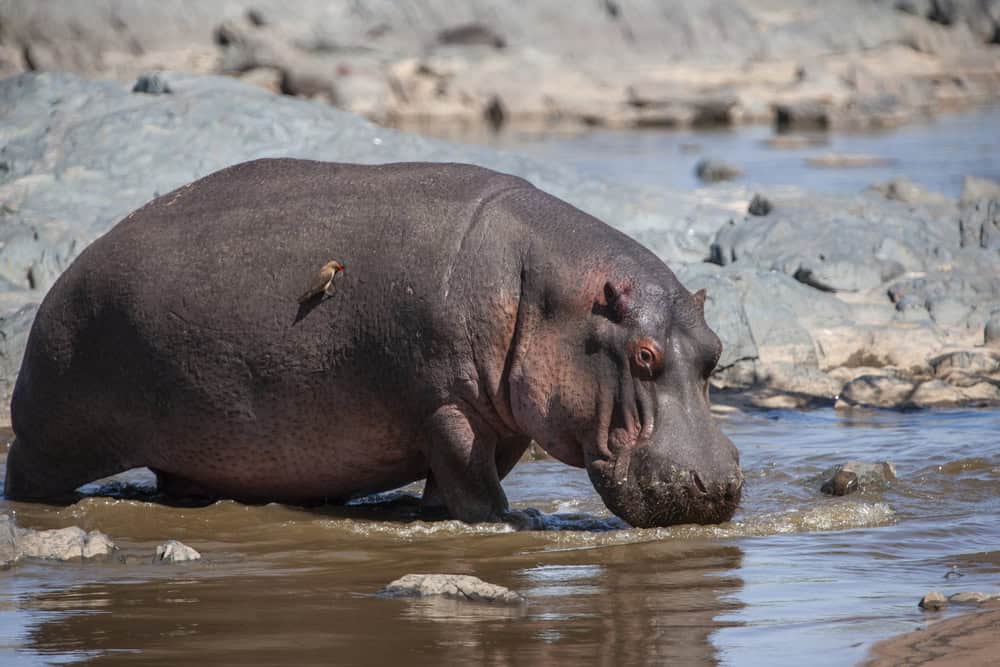
2. Dolphins and Hippos

When you think of dolphins, you imagine them gliding through the ocean’s waves, while hippos are often associated with African rivers and lakes. Surprisingly, both dolphins and hippos share a close evolutionary ancestry with the order Artiodactyla, which also includes animals such as pigs and deer. The common ancestor of dolphins and hippos lived about 55 million years ago before they took dramatically different evolutionary paths—one to the sea and the other remaining on land.
3. Aardvarks and Elephants

Aardvarks are peculiar creatures primarily found in sub-Saharan Africa. They are known for their burrowing habits and termite feasts. As we mentioned earlier, elephants belong to the same group, Afrotheria. The link between these animals lies in various molecular and genetic studies that highlight their shared ancestry. Despite their size and habitat differences, aardvarks and elephants reveal how adaptive evolution can lead to a wide variety of life forms from a common lineage.
4. Seals and Bears
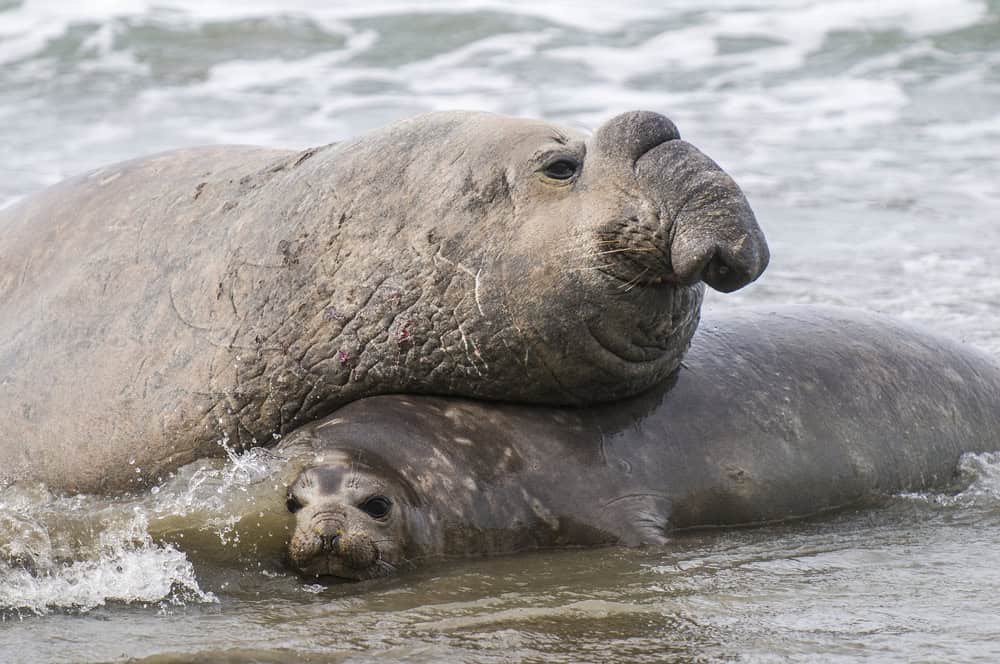
Seals, with their streamlined bodies, adapted to aquatic life, and bears, known for their terrestrial prowess, are surprisingly related. Both belong to the suborder Caniformia within the order Carnivora. The earliest known ancestors of this group were small, tree-dwelling mammals that lived over 50 million years ago. Over time, some evolved into ocean-dwelling creatures like seals, while others adapted to life on land, leading to the magnificent bears we know today.
5. Rhinos and Horses

Rhinos may look like armoured tanks, whereas horses are often seen as symbols of grace and agility. Yet, both are part of the order Perissodactyla, also known as “odd-toed ungulates,” which means they have an uneven number of toes. This order also includes tapirs. Together, these species hint at a shared ancestry that once roamed the Earth in greater variety than today, showcasing unique evolutionary paths within hoofed mammals.
6. Pangolins and Carnivores

Pangolins, often mistaken for reptiles due to their scaly armor, are more closely related to carnivores like dogs and cats than many would suspect. They belong to the order Pholidota and share a common ancestor with the superorder Carnivoramorpha. Despite being specialized insectivores, pangolins exhibit genetic links that highlight a fascinating evolutionary journey diverging from more traditionally predatory relatives.
7. Camels and Llamas
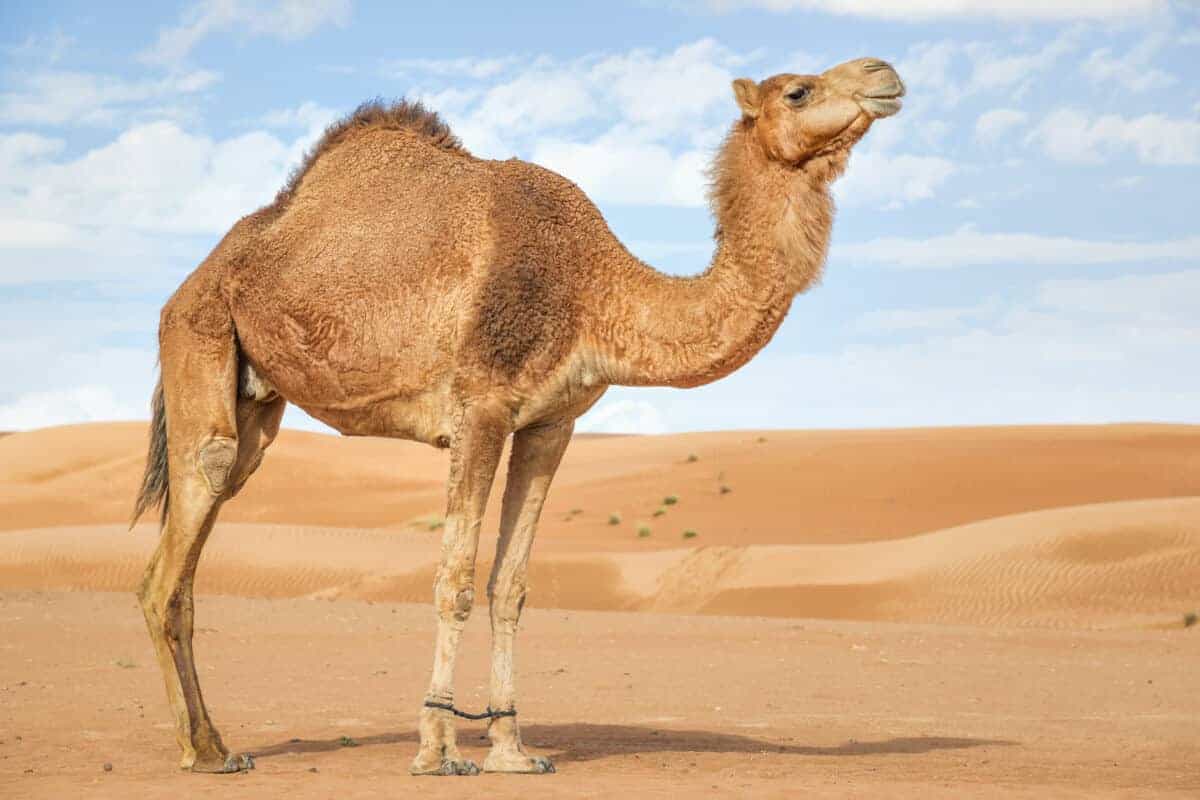
Though they live in contrasting environments—deserts and mountainous regions, respectively—camels and llamas are indeed close relatives. Both are members of the Camelidae family, which also includes alpacas and vicuñas. Their evolutionary lineage traces back to North America millions of years ago before spreading to other continents. They adapt uniquely to their surroundings yet retain familial similarities.
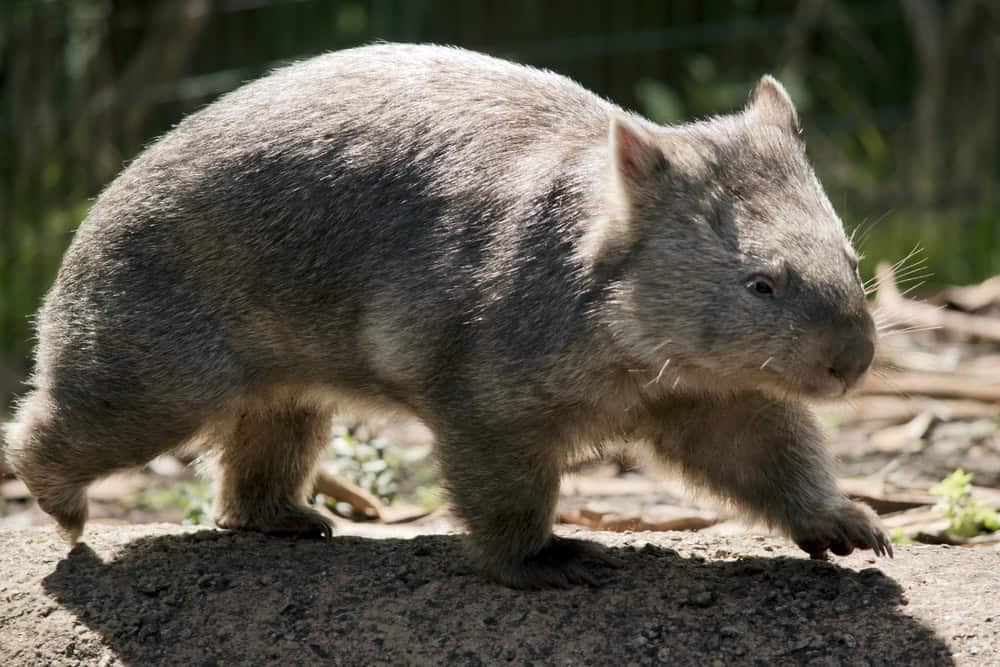
8. Kangaroos and Wombats

Kangaroos, known for their bouncing hop, and wombats, ground-dwelling diggers, may seem unrelated. However, both are marsupials within the family Diprotodontia, sharing a common ancestor. This family also includes koalas and possums, representing diverse adaptations to different ecological niches in Australia. Despite their varied lifestyles, these species share reproductive traits like the marsupial pouch, underscoring their familial ties.
Conclusion: The Wonders of Evolutionary Biology
The relationships explored here illustrate the incredible complexity and diversity of life on Earth. Evolutionary processes have allowed these animals to adapt to their environments in extraordinary ways while still retaining genetic markers of common ancestry. Understanding these connections not only enlightens us about the past but can also inform conservation efforts for these fascinating species. Whether majestic or humble, each creature plays an integral role in the intricate tapestry of nature.

As a little kid, I fell in love with nature, wildlife, and animals. Living in the USA, South Africa, Italy, China and Germany gave me the opportunity to discover the world's Wildlife. My favorite animals are Mountain Gorillas, Siberian Tigers, and Great White Sharks.
I'm a certified PADI Open Water Diver, went to Everest Base Camp and Trekked Gorillas in Uganda. I hold a Master of Science in Economics and Finance.
Please send any feedback to feedback@animalsaroundtheglobe.com
- 13 Cat Breeds That Get Along with Dogs - July 20, 2026
- The 12 Largest Dog Breeds That Still Love to Cuddle - July 20, 2026
- 12 Pet Habits That Secretly Mean They Love You - July 20, 2026