


Snakes often evoke fear or apprehension when spotted slithering through our gardens. However, their presence can be a beneficial indicator of a healthy and balanced ecosystem. To embrace these fascinating reptiles, it’s essential to understand their role as predators and contributors to the ecological equilibrium right in your backyard.
Natural Pest Control

One of the significant advantages of having snakes in your garden is their ability to control pest populations naturally. Many garden snakes, such as garter snakes and rat snakes, primarily feed on common garden pests, including rodents, slugs, and insects that can ravage plants. By helping keep these populations in check, snakes can reduce or even eliminate the need for chemical pesticides, promoting a healthier environment for both plants and people.
Promoting Biodiversity

A garden that can support a snake population indicates a thriving habitat with enough resources to maintain these reptiles. Snakes, being both predator and prey, are integral components of the food web. Their presence signifies a balanced ecosystem where diverse species coexist, ensuring a dynamic and resilient garden environment.
Enhancing Soil Health

Snakes influence soil health indirectly by regulating prey populations that might otherwise overrun and deplete vegetation. A balanced number of herbivorous pests means that plants are not overgrazed, allowing them to maintain robust root systems and soil structure. Moreover, snakes help maintain the balance of the microhabitats they inhabit, supporting overall soil health and fertility.
Minimizing Rodent Infestations
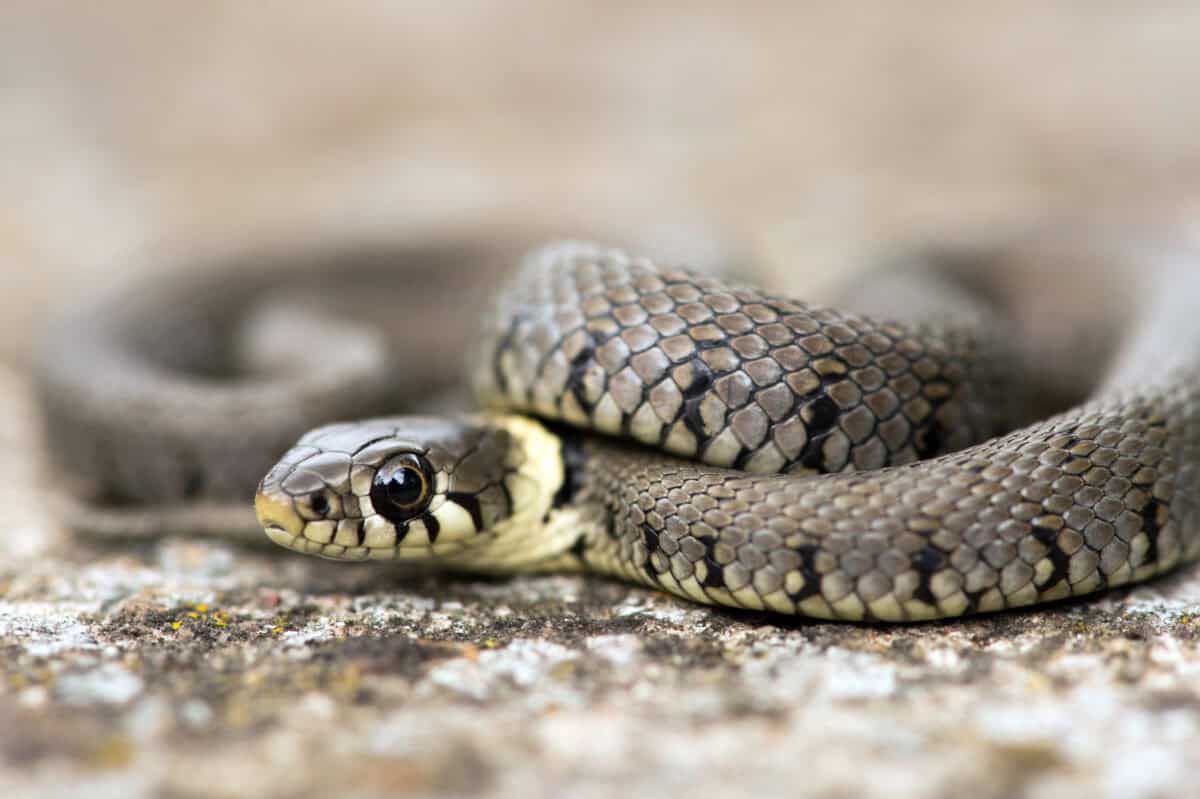
Rodents such as mice and rats are not only annoying pests but can also carry diseases and cause significant damage to properties. Snakes are efficient natural predators of these rodents, limiting their numbers and consequently reducing the risk they pose to human habitations. A snake’s appetite for rodents makes it a valuable ally in defending your home and garden from these pesky invaders.
Respecting and Coexisting with Snakes

Most snakes encountered in gardens are non-venomous and pose little threat to humans. Educating oneself and others about the types of snakes commonly found in the area can foster a peaceful coexistence. Simple measures like avoiding unnecessary contact, not leaving food scraps accessible, and ensuring pets are supervised can prevent unwanted encounters.
Encouraging Beneficial Snakes to Your Garden
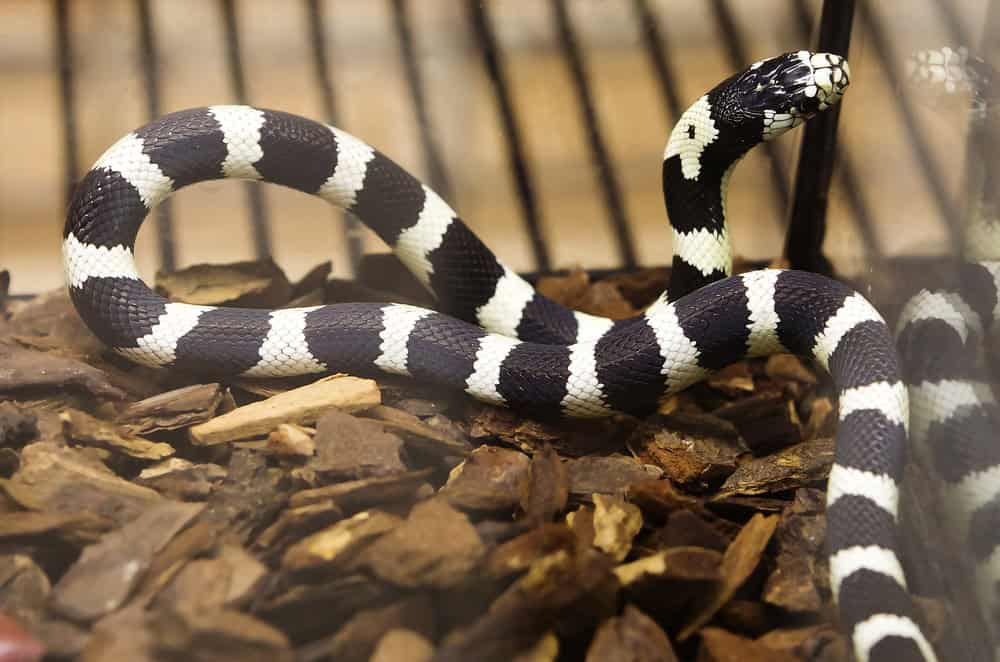
To attract and support snakes in your garden, consider creating a snake-friendly habitat. This can be achieved by providing shelter options such as rock piles, dense shrubs, and unmanicured areas where they can hide and hunt. Additionally, gardens with a variety of plants will attract a range of prey species, ensuring a sustainable food source for snakes.
Conclusion

The presence of a snake in your garden is not just a matter of chance; it denotes ecological health and balance. By appreciating their role as natural pest controllers, biodiversity promoters, and essential components of your garden’s ecosystem, you can welcome snakes as beneficial allies. With understanding and respect, you can create an environment where both gardens and snakes thrive in harmony.

From exploring the marine wonders in the Azores and witnessing the vast savannas of Kenya, to delving deep into the rich biodiversity of South Africa and traversing iconic landscapes in Australia and the US like Yellowstone, Chris's experiences are vast.
With a penchant for diving alongside sharks, the ocean holds a special place in his heart.
Through his academic insights, he champions wildlife conservation, striving with 'Animals Around The Globe' to cultivate a profound connection between humans and animals, enhancing our mutual appreciation.
Connect with him at Feedback@animalsaroundtheglobe.com.
- Why Spiders Don’t Get Stuck in Their Own Webs - July 20, 2026
- What Scientists Found in a 10,000-Year-Old Beehive - July 20, 2026
- This Spider Builds Fake Decoys of Itself - July 20, 2026