


Animals often enchant us with their innocuous and charming appearances, leading many to forget the fundamental laws of nature—surface appearances can be deceiving. While some creatures may seem irresistibly cute, they can pose significant dangers to humans and other animals. Here, we explore 24 such animals whose endearing looks belie their perilous nature, reminding us that it is essential to appreciate wildlife from a safe and respectful distance.
24. Pufferfish
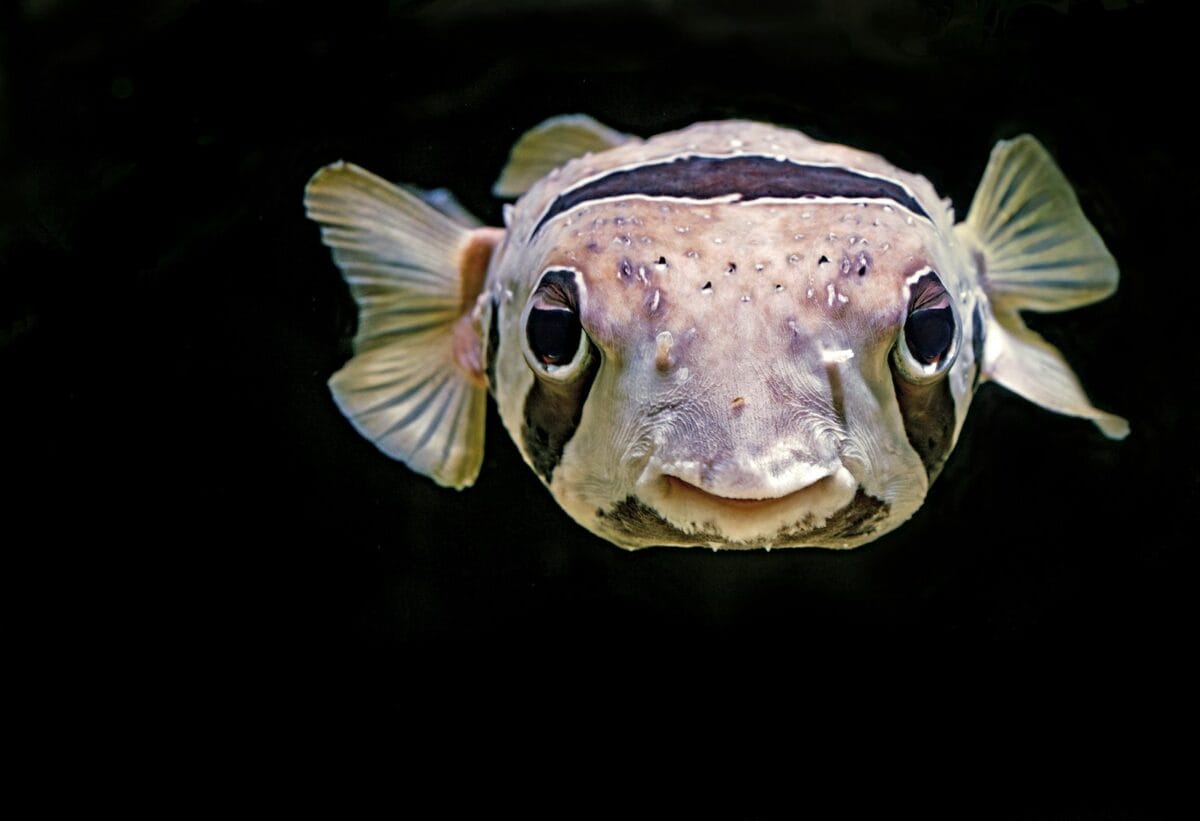
The pufferfish, often admired for its peculiar and balloon-like appearance when inflated, is one of the most toxic animals in the world. The fish contains tetrodotoxin, a potent poison that is lethal to humans even in minuscule amounts. Despite its danger, some cultures consider pufferfish meat a delicacy, albeit one that must be prepared with extreme caution by licensed chefs.
23. Dingo
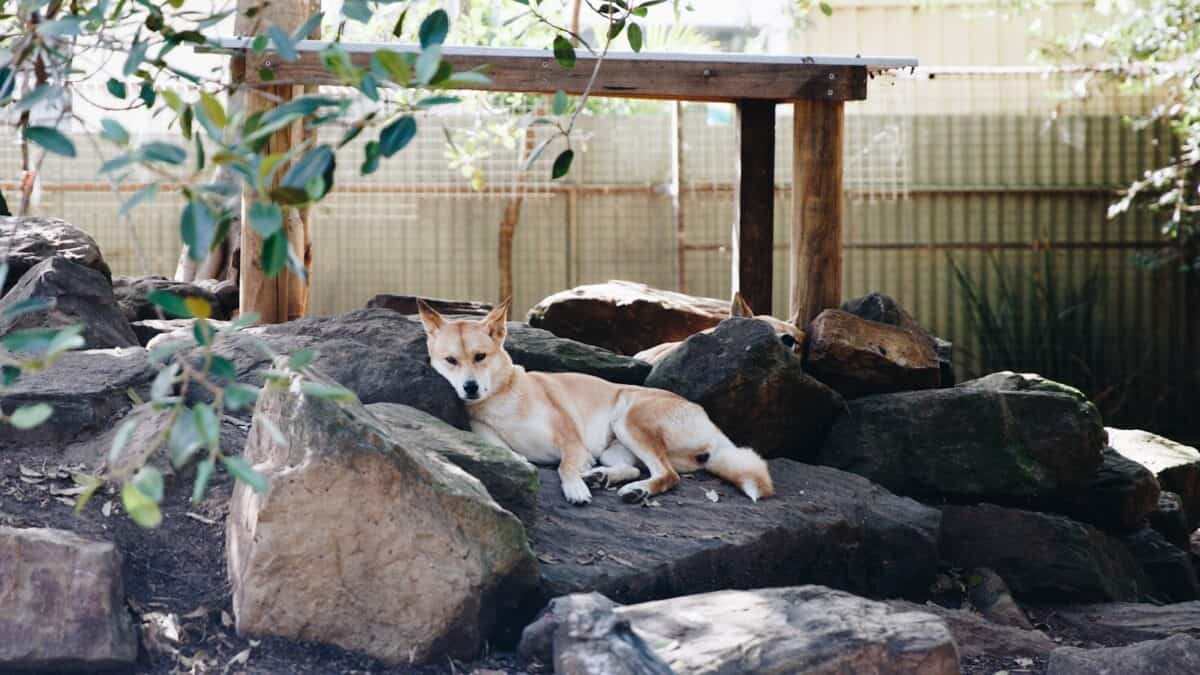
Australia’s iconic wild dog, the dingo, may appear similar to domestic dogs but is innately wild and unpredictable. Dangerous due to their natural hunting instincts, dingoes have been known to attack humans, especially when provoked or if they associate people with food. It’s crucial to admire these animals from a distance, respecting their role in the Australian ecosystem.
22. Slow Loris

The slow loris captivates many with its big eyes and gentle demeanor. However, this nocturnal primate carries venomous glands in its elbows, making it one of the few venomous mammals. When threatened, the slow loris can deliver a potentially harmful bite by licking its elbow toxin and then using its teeth. Its cuteness often leads to illegal pet trade, which exacerbates its decline in the wild.
21. Platypus
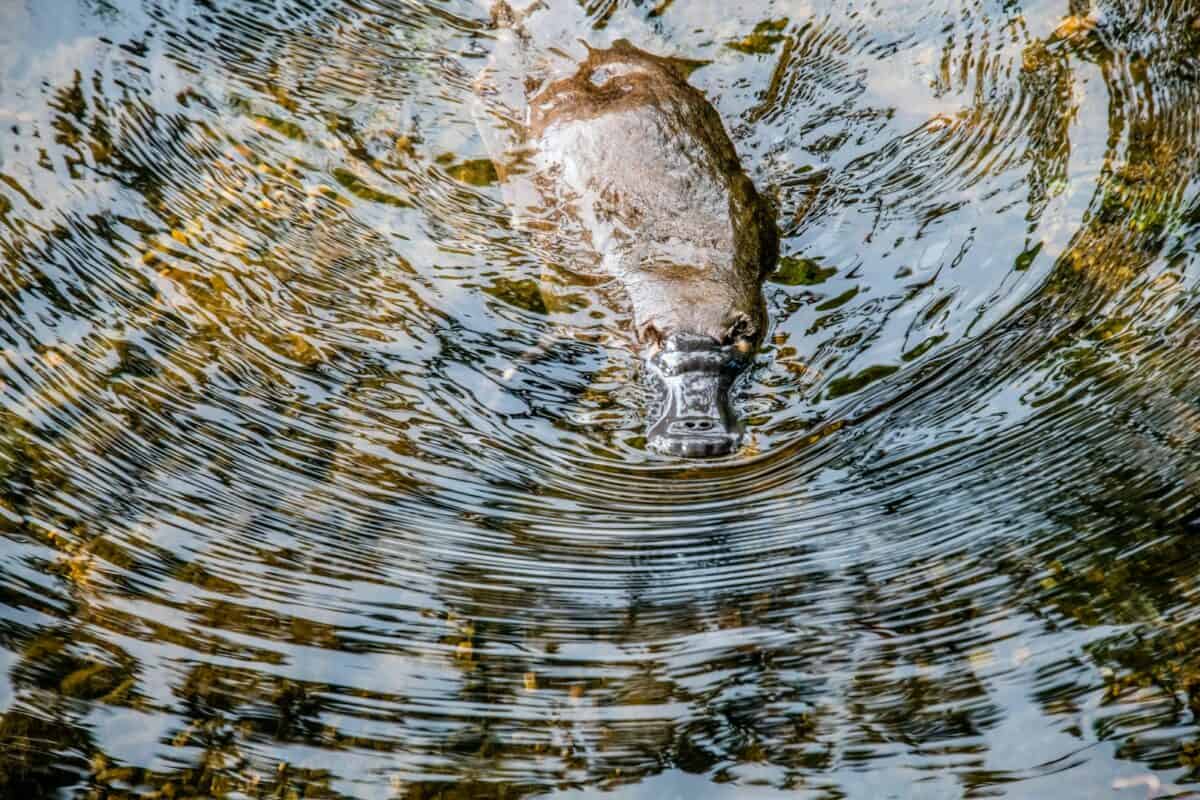
The platypus is a unique and endearing creature known for its duck-bill and beaver tail. While they appear harmless, the males carry venomous spurs on their hind legs. Though not lethal, the pain caused by a platypus sting can be excruciating and long-lasting. Known for their peculiar appearance and behavior, a safe distance should be maintained with these intriguing animals.
20. Leopard Seal

The leopard seal’s sleek body and spotted coat may seem adorable, but it is a proficient predator of the Antarctic waters. Renowned for its aggressive nature, these seals have been known to hunt larger prey, including, at times, humans. Researchers and divers are cautioned against close encounters with these powerful predators, despite their charismatic looks.
19. Blue-Ringed Octopus

This small octopus, with its beautifully vivid blue rings, is mesmerizing but lethal. Its venom contains tetrodotoxin, capable of causing respiratory failure and paralysis in humans. Found in tide pools and coral reefs of the Pacific and Indian Oceans, the blue-ringed octopus’s alluring appearance serves as a stark warning of its deadly nature.
18. Bottlenose Dolphin

Bottlenose dolphins are beloved worldwide for their playful and intelligent nature. However, they are wild animals first and foremost, capable of great aggression. There have been instances of dolphins displaying aggressive behaviors toward humans and other marine animals, reflecting their complex social structures and natural instincts.
17. Honey Badger

The honey badger may look charming with its stout build and fluffy fur, yet it is notorious for its ferocity and fearlessness. Known for attacking larger predators and raiding beehives, honey badgers are tireless and can withstand numerous bee stings, demonstrating resilience and aggression that is not to be underestimated.
16. Wolverine
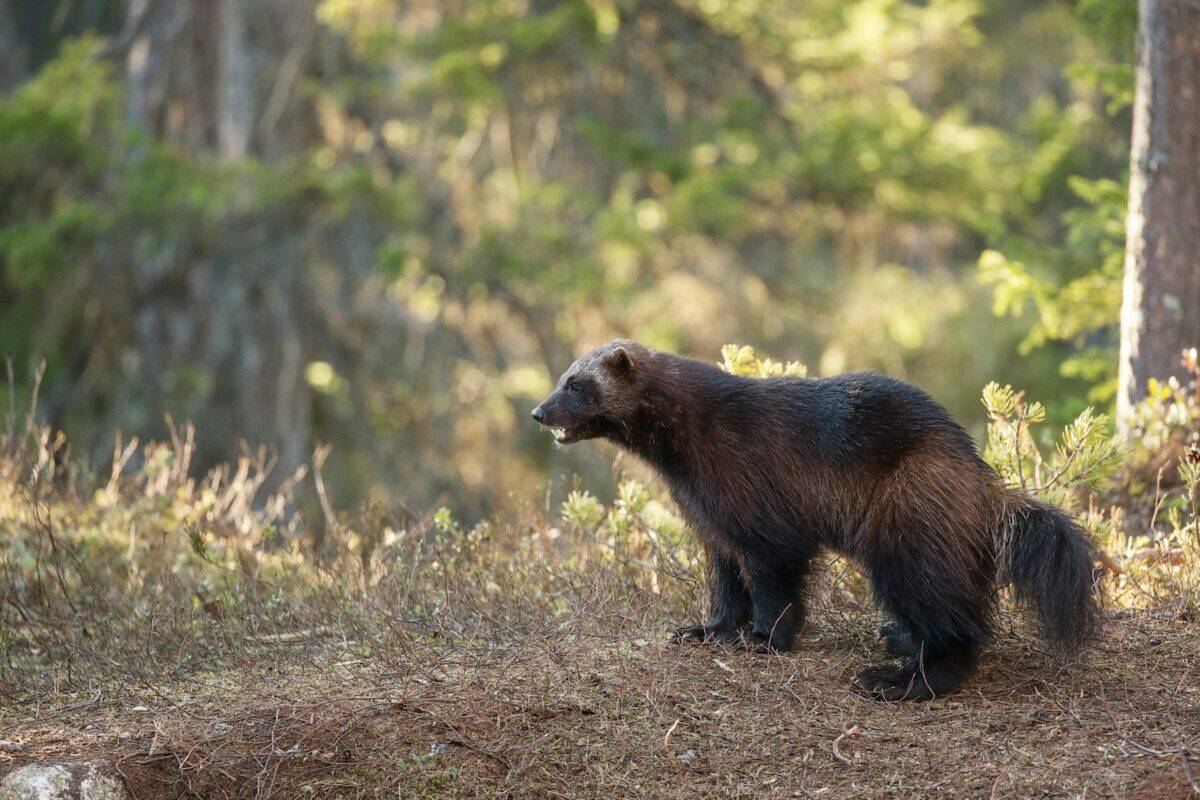
Despite looking like a small bear, the wolverine possesses a combination of strength, speed, and ferociousness. These creatures are highly territorial and can be exceptionally aggressive when threatened or hungry, capable of taking down prey much larger than themselves. Their charming appearance in cartoons is misleading, as their rugged lifestyle is formidable.
15. Cassowary
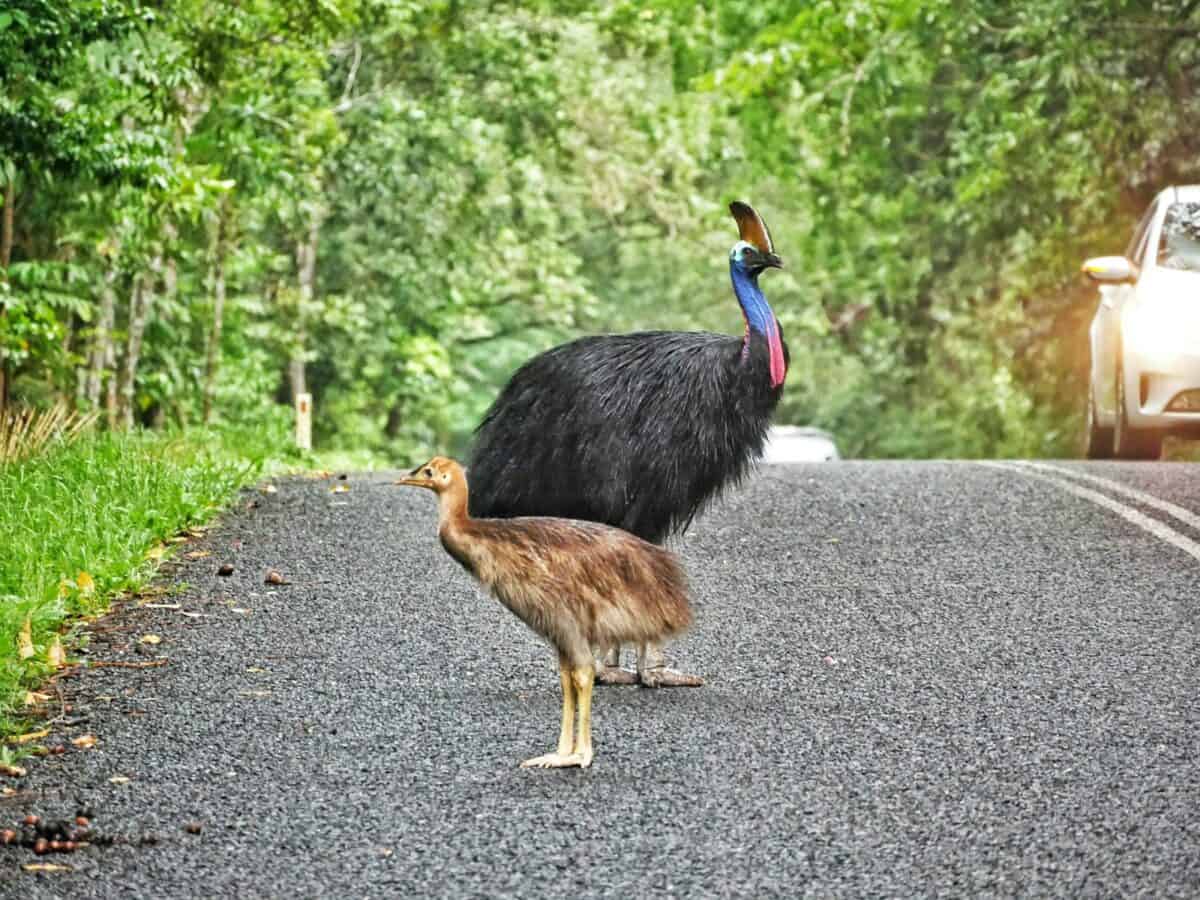
Resembling a colorful, giant bird, the cassowary may appear like a larger-than-life version of a turkey. Yet, it is known as the most dangerous bird on Earth. Native to the tropical forests of New Guinea, nearby islands, and Australia, cassowaries can deliver lethal kicks with their powerful legs equipped with razor-sharp claws.
14. Koala
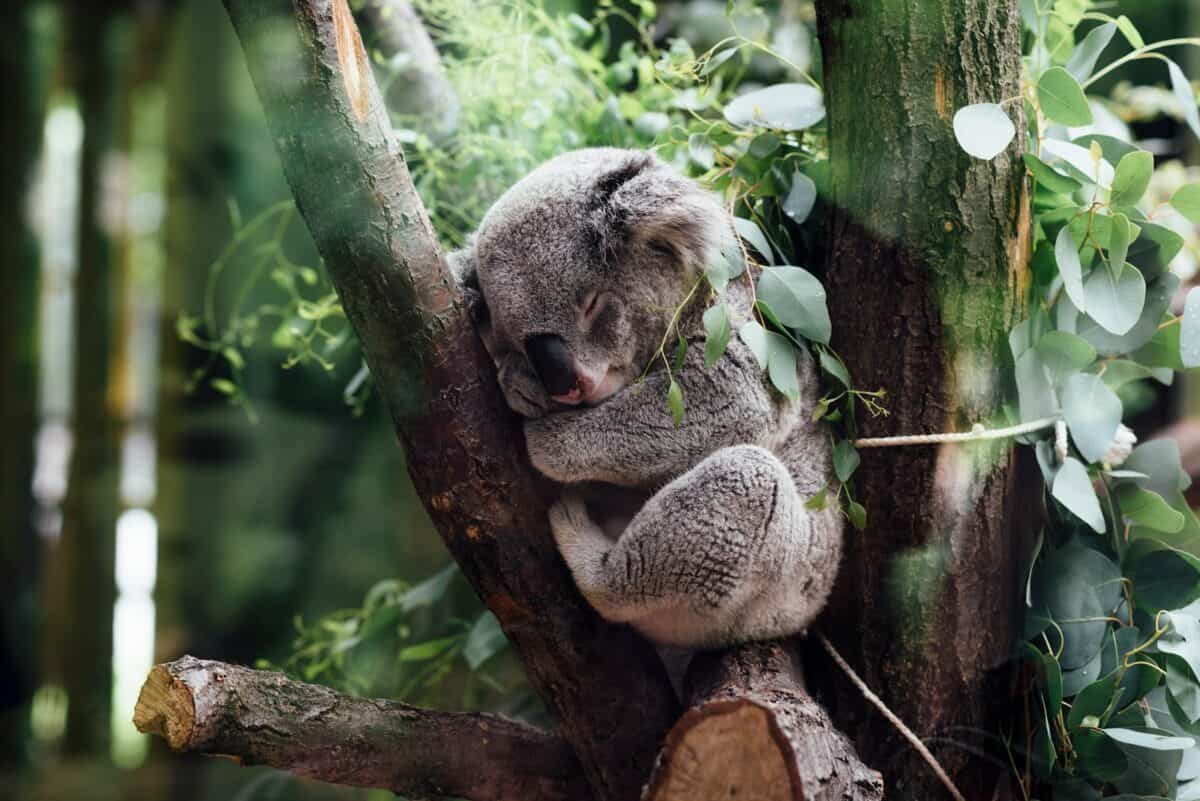
While often associated with cuddly and gentle qualities, koalas are wild animals with sharp claws and teeth. When threatened or stressed, they can become aggressive. Beyond their defensive traits, the greatest danger posed by koalas is the transmission of chlamydia, a serious concern for handlers and veterinarians.
13. Fire Salamander
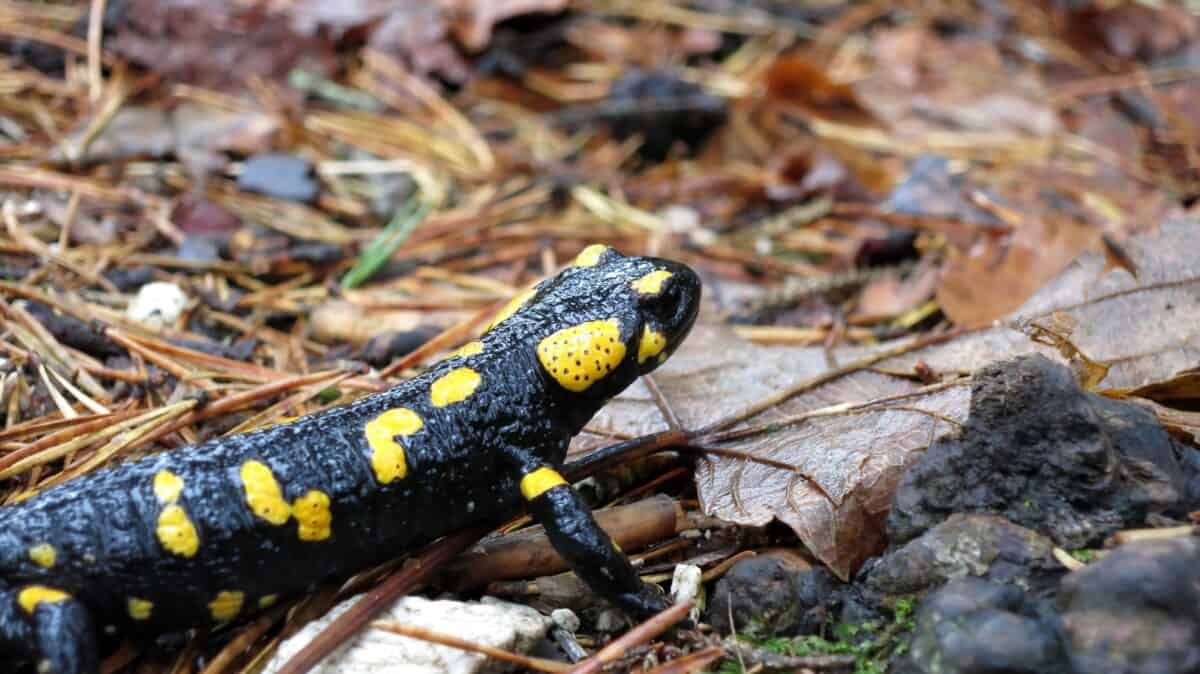
The fire salamander is admired for its striking yellow and black markings but produces a potent toxin from its skin. This poison can irritate human skin and is lethal to smaller animals, making it a hazardous species despite its delicate and colorful appearance.
12. Polar Bear

Polar bears are often depicted as gentle giants of the ice but are one of the most powerful predators in the Arctic. Their impressive size and strength make them capable hunters, and their habitat loss is driving them closer to human settlements, where interactions could become more common and dangerous.
11. Box Jellyfish
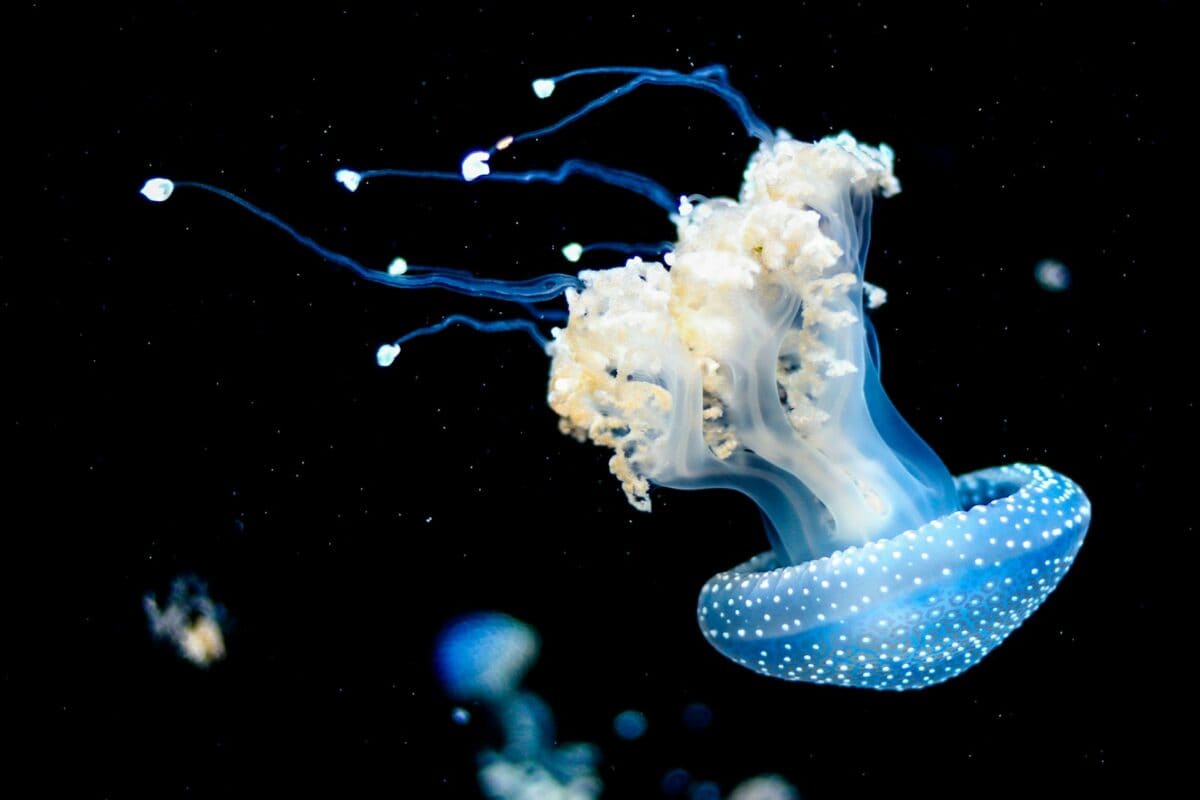
The seemingly delicate and transparent box jellyfish is notorious for its venomous sting, considered one of the deadliest in the marine world. Found primarily in the Indo-Pacific region, the toxins can cause cardiac arrest and death in humans if untreated, making it more perilous than it appears.
10. Raccoon

Raccoons, with their bandit-mask markings and inquisitive nature, appear cute and curious. Yet, they can carry rabies and other diseases transmittable to humans and pets. They are also known to become aggressive if cornered, making them wild animals that should not be approached despite their endearing looks.
9. Elephant Seal

Often seen lounging on beaches, the massive elephant seal is a sight to behold. But during mating season, the males, known as bulls, become exceedingly aggressive, fighting each other with intense violence. Those venturing too close risk serious injury from these colossal marine mammals.
8. Cone Snail

The beautifully patterned shells of cone snails make them tempting to collectors, yet they house a lethal surprise. These snails produce a toxin capable of paralyzing and killing fish, other small mammals, and humans. Found in tropical and subtropical oceans, they are a stark reminder of nature’s capacity for danger.
7. Chimpanzee

With expressive faces and social behaviors reminiscent of humans, chimpanzees capture hearts but are powerful primates that can be aggressive. Stronger than humans, a chimpanzee’s bite is dangerous, and they can become violent if they feel threatened, endangered, or challenged.
6. Kangaroo
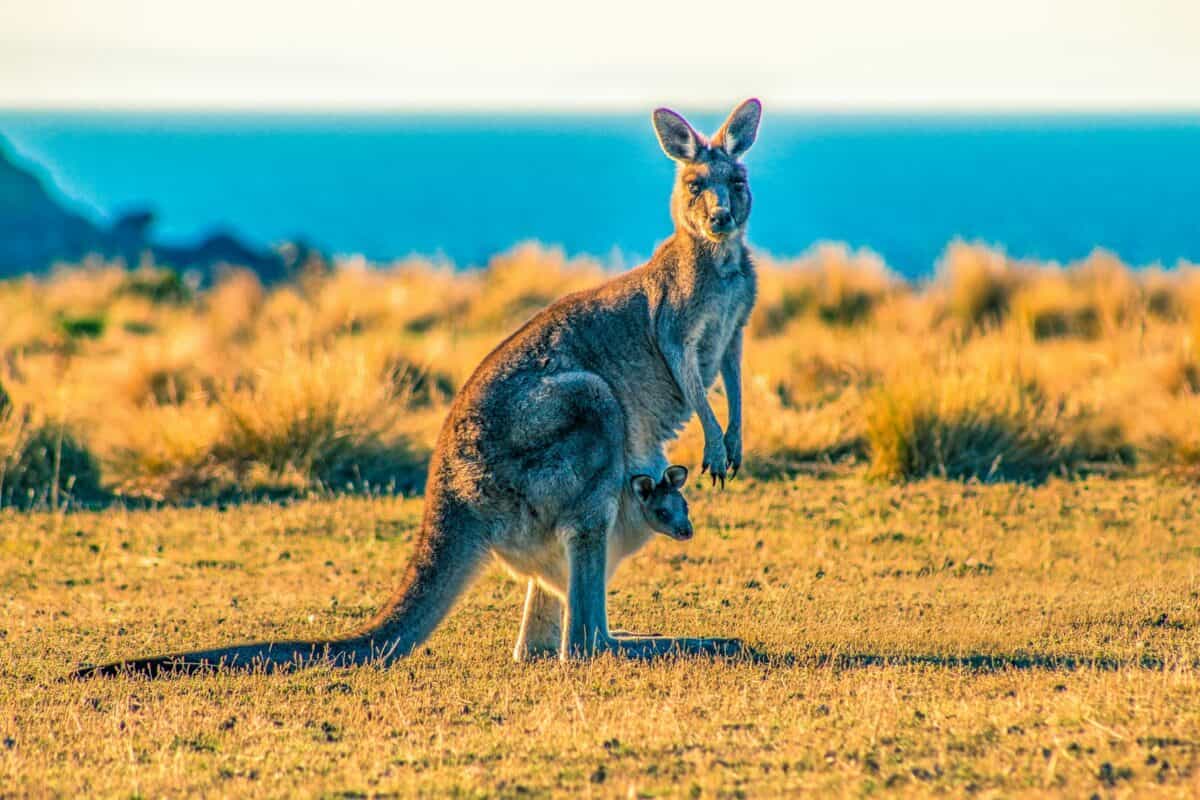
Kangaroos are synonymous with Australia, and their unique hopping gait and playful pouch have an undeniable charm. However, they can be dangerous if provoked or cornered, delivering powerful kicks with force strong enough to cause serious harm. Caution is needed around these iconic animals.
5. Hippo

Often cartooned as friendly giants in the water, hippopotamuses are deceptively dangerous. They are one of Africa’s deadliest animals, highly territorial and surprisingly agile despite their size. Hippos can attack boats and humans with little provocation, showcasing aggression at odds with their playful appearance.
4. Red Panda

The red panda’s adorable, raccoon-like features and playful antics have made it a beloved species worldwide. Yet, they are wild animals with sharp claws and teeth that can cause injury when they feel threatened. As with many wild animals, observing from a distance ensures safety for both humans and these magnificent creatures.
3. Wolf

Wolves might remind us of domestic dogs, yet they are skilled predators and can be aggressive if they feel their territory is encroached upon. In packs, wolves are formidable hunters, able to down prey much larger than themselves, and should be respected for their role in the ecosystem rather than approached.
2. Great White Shark

The great white shark captivates with its powerful silhouette and reputation as the ocean’s most feared predator. While attacks on humans are rare, their might and bite are not to be underestimated. Surfers and swimmers should remain vigilant, respecting these magnificent animals’ presence in their natural habitat.
1. Skunk

The skunk, famous for its striking black-and-white fur pattern, is a small mammal with a formidable defense mechanism. When threatened, it can spray a foul-smelling liquid that irritates the eyes and nose. The smell can linger for days, serving as a smelly reminder of why these animals should be given space.
While these 24 animals may charm and fascinate us with their looks, they serve as reminders of the duality of nature—beauty often coexists with danger. Understanding that external appearances can be deceptive encourages appreciation, respect, and caution when interacting with or observing wildlife. Nature is inherently unpredictable, making it all the more essential to cherish and protect it while maintaining necessary boundaries.

- Animals That Use Camouflage Like Magic - June 19, 2026
- The Coldest Town in America—And How People Survive There - June 19, 2026
- 13 Pets Who Hilariously Think They Are Wild Animals - June 19, 2026