


The ocean, vast and mysterious, holds many secrets beneath its shimmering surface. Among its myriad wonders are creatures of breathtaking beauty and daunting danger. Some of these beings are equipped with lethal defence mechanisms, evolved over millennia to survive in a world where only the fittest make it. From venomous fish to colossal predators, let’s dive into the enigmatic realm of the 23 deadliest sea creatures that lurk beneath the waves.
23. Box Jellyfish
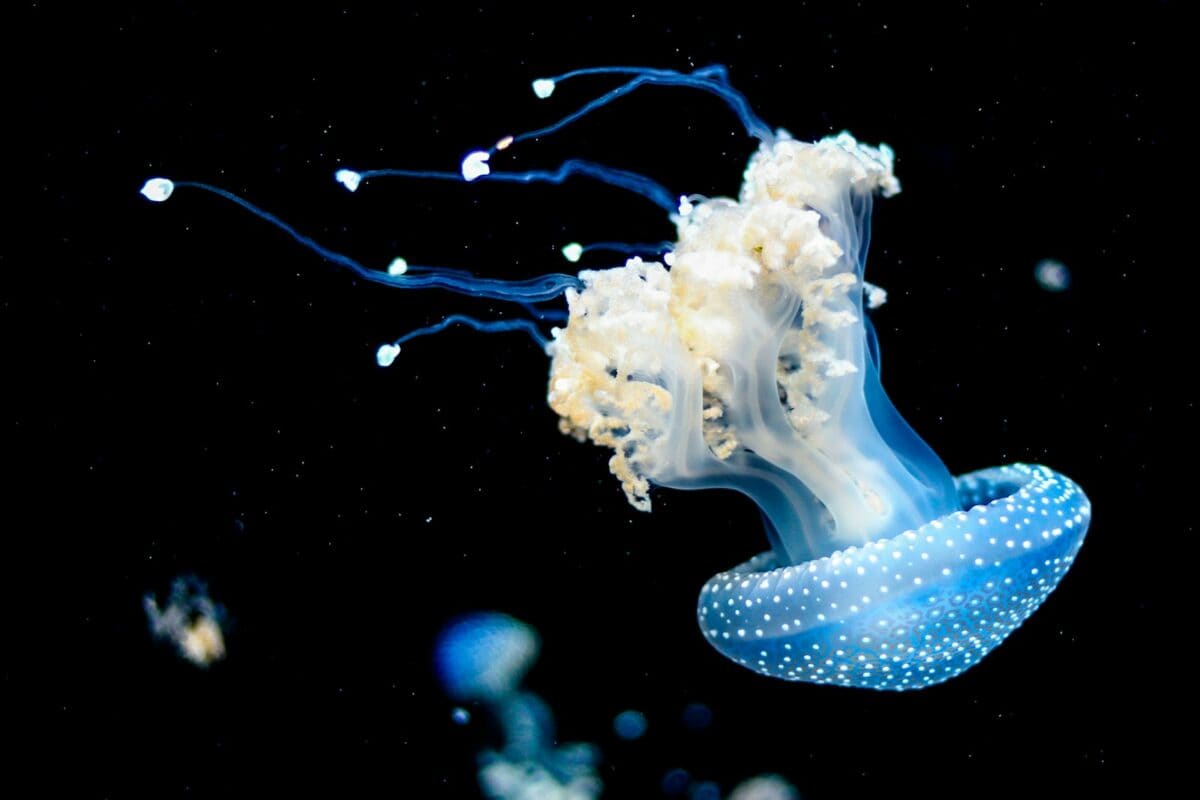
The box jellyfish, found in the warm coastal waters of the Indo-Pacific, is infamous for its potent venom. Its tentacles contain nematocysts, which can cause heart failure, paralysis, and even death in humans within minutes. Despite its transparent appearance, swimmers can easily come into contact with it, making it a formidable threat.
22. Stonefish
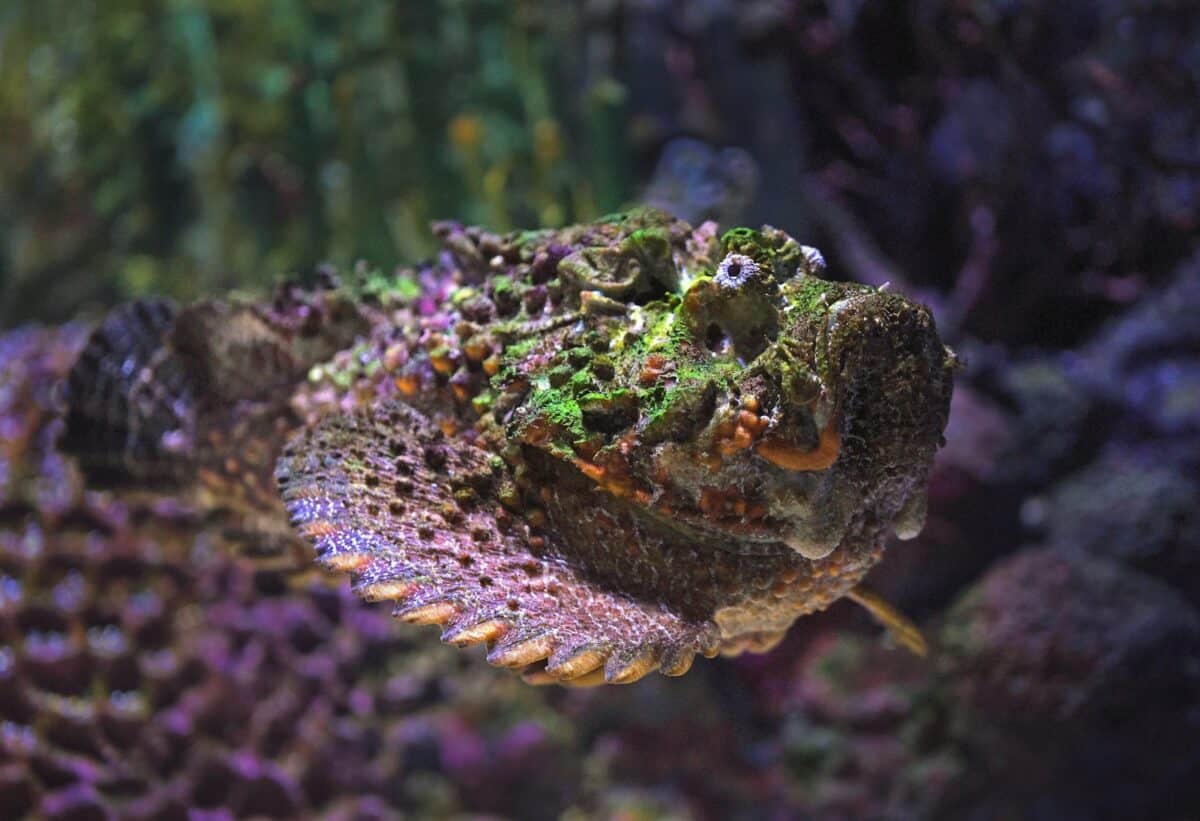
Camouflaged among the rocks and sand of the ocean floor, the stonefish is a master of disguise with a venomous sting. Its spines are laced with toxins that cause extreme pain, swelling, and potential fatality if left untreated. Found primarily in the Indo-Pacific region, it is considered one of the world’s most venomous fish.
21. Blue-Ringed Octopus

Despite its small size, the blue-ringed octopus carries enough venom to kill several humans. Found in tide pools and coral reefs in the Pacific and Indian Oceans, its vibrant blue rings serve as a warning signal. Its bite can deliver tetrodotoxin, a neurotoxin that can cause respiratory failure.
20. Great White Shark

No list of deadly sea creatures would be complete without the great white shark. Known for its size and predatory prowess, this apex predator can be found in oceans around the world. Its powerful bite and hunting skills make it a feared yet fascinating creature of the deep.
19. Lionfish

Native to the Indo-Pacific, the lionfish’s striking appearance is matched by its venomous spines. An invasive species in the Atlantic Ocean, its venom causes extreme pain and can lead to complications such as nausea and breathing difficulties.
18. Saltwater Crocodile

The saltwater crocodile is the largest living reptile and an opportunistic apex predator. Found in coastal regions and rivers across Southeast Asia and Australia, it can strike with incredible speed and pound-force. Its sheer power and territorial nature make it a considerable danger to humans who venture too close.
17. Cone Snail
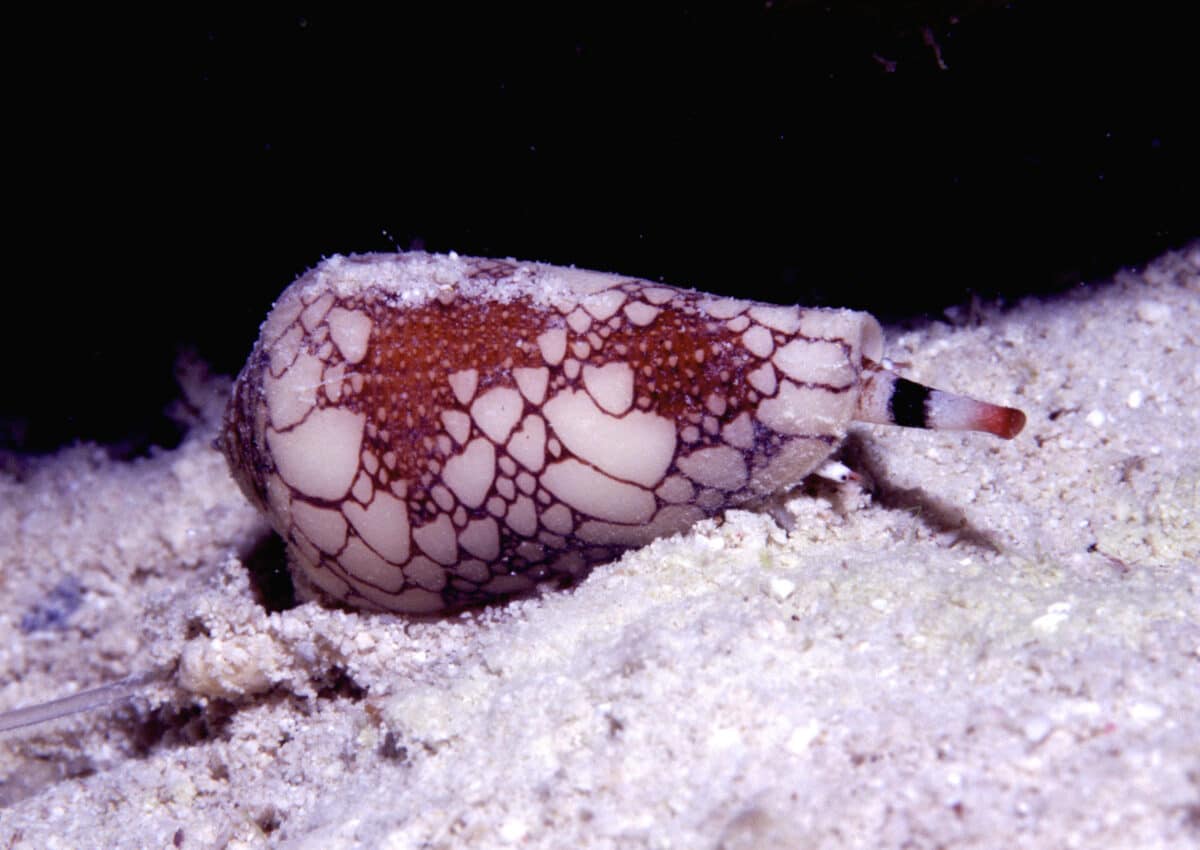
These seemingly innocuous snails are equipped with a harpoon-like tooth to deliver venom potent enough to cause paralysis and death in humans. Found in the warm waters of the Indo-Pacific, their beautifully patterned shells often lure unsuspecting collectors.
16. Tiger Shark

The tiger shark, known for its aggressive nature and striped pattern, is a formidable hunter. It occupies warm ocean waters worldwide and is part of the ‘big three’ shark species most often cited in attacks on humans, alongside great whites and bull sharks.
15. Irukandji Jellyfish

Though small and often overlooked, the Irukandji jellyfish is highly venomous. Found predominantly in the waters of northern Australia, its sting can induce Irukandji syndrome, characterized by severe pain, vomiting, and, in extreme cases, fatal consequences.
14. Moray Eel

Moray eels, with their elongated bodies and sharp teeth, are not typically credited with venom. However, some species possess toxins in their mouths that can cause significant wounds and secondary infections.
13. Portuguese Man o’ War
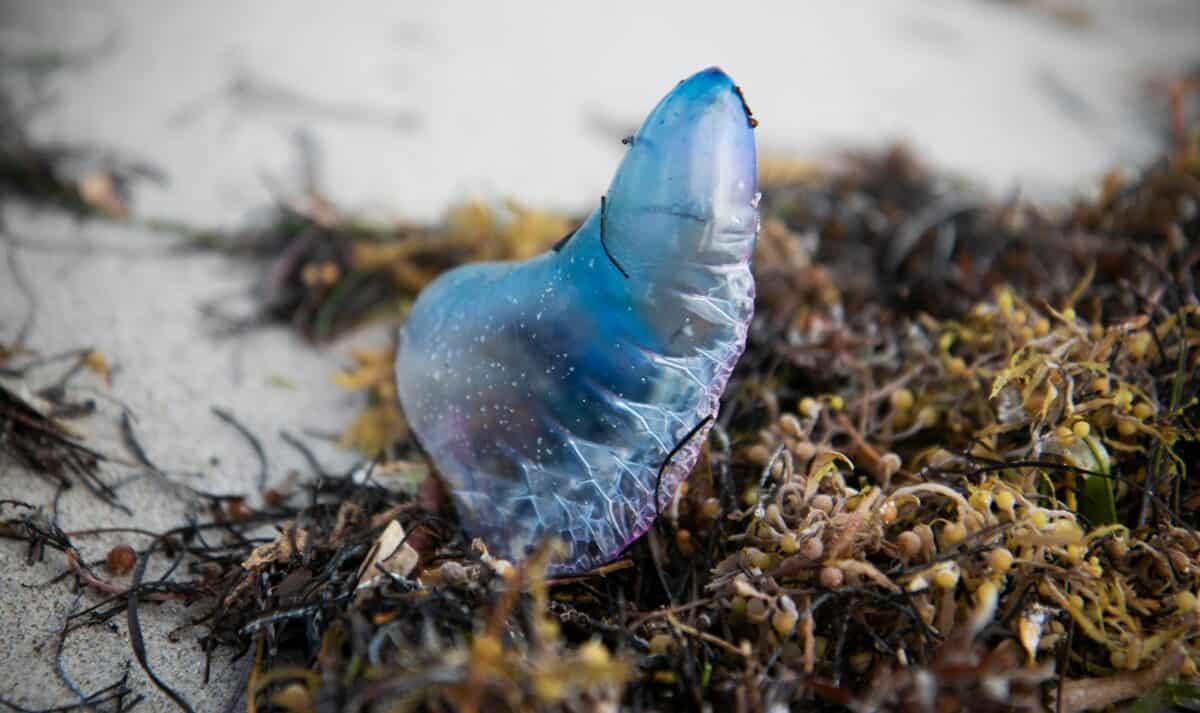
Easily mistaken for a jellyfish, the Portuguese man o’ war is a siphonophore—a colonial organism made up of specialized polyps. Its long tentacles can deliver a painful sting with potent venom, sometimes resulting in systemic illness or allergic reactions in humans.
12. Sea Snake
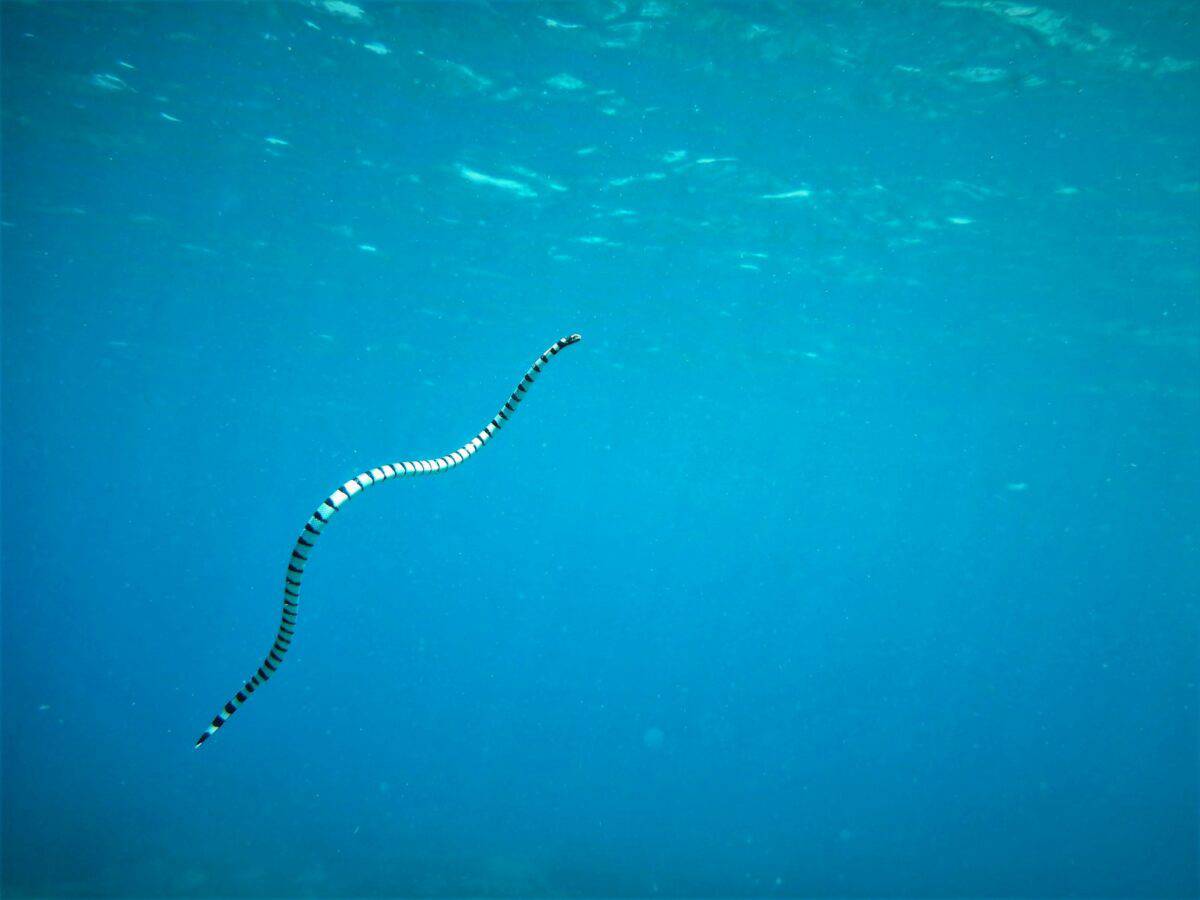
Sea snakes, primarily found in the warm coastal waters of the Indian and Pacific Oceans, possess extremely potent venom. Although bites are rare due to their shy nature, the venom is many times more toxic than that of a terrestrial cobra.
11. Bull Shark

Bull sharks are known for their aggressive nature and ability to survive in both salt and fresh water. This adaptability allows them to come in contact with humans more frequently, and they are considered one of the most dangerous shark species to humans.
10. Pufferfish

While not aggressive, pufferfish, or fugu, are among the most poisonous vertebrates in the world. Its organs contain tetrodotoxin, a potent neurotoxin that can be lethal. In some cultures, consuming carefully prepared fugu is considered a delicacy.
9. Stingray

Although their defensive behavior is usually non-aggressive, stingrays’ barbed tails can inflict painful injuries if stepped on or threatened. The sting can result in venomous wounds, sometimes leading to serious medical issues.
8. Electric Eel

Despite its name, the electric eel is more closely related to catfish. It inhabits the fresh waters of the Amazon and Orinoco river basins. Capable of emitting up to 600 volts of electric shock, this creature uses its abilities both defensively and during hunting.
7. Surgeonfish

The aptly named surgeonfish features scalpel-sharp spines on either side of its tail. Found in tropical seas, it can inflict deep, painful cuts when threatened, though it is not venomous.
6. Red Lionfish

An invasive species causing ecological concerns in the Atlantic, the red lionfish possesses venomous spines capable of inflicting venomous stings that, while painful, are rarely deadly to humans.
5. Crown-of-Thorns Starfish
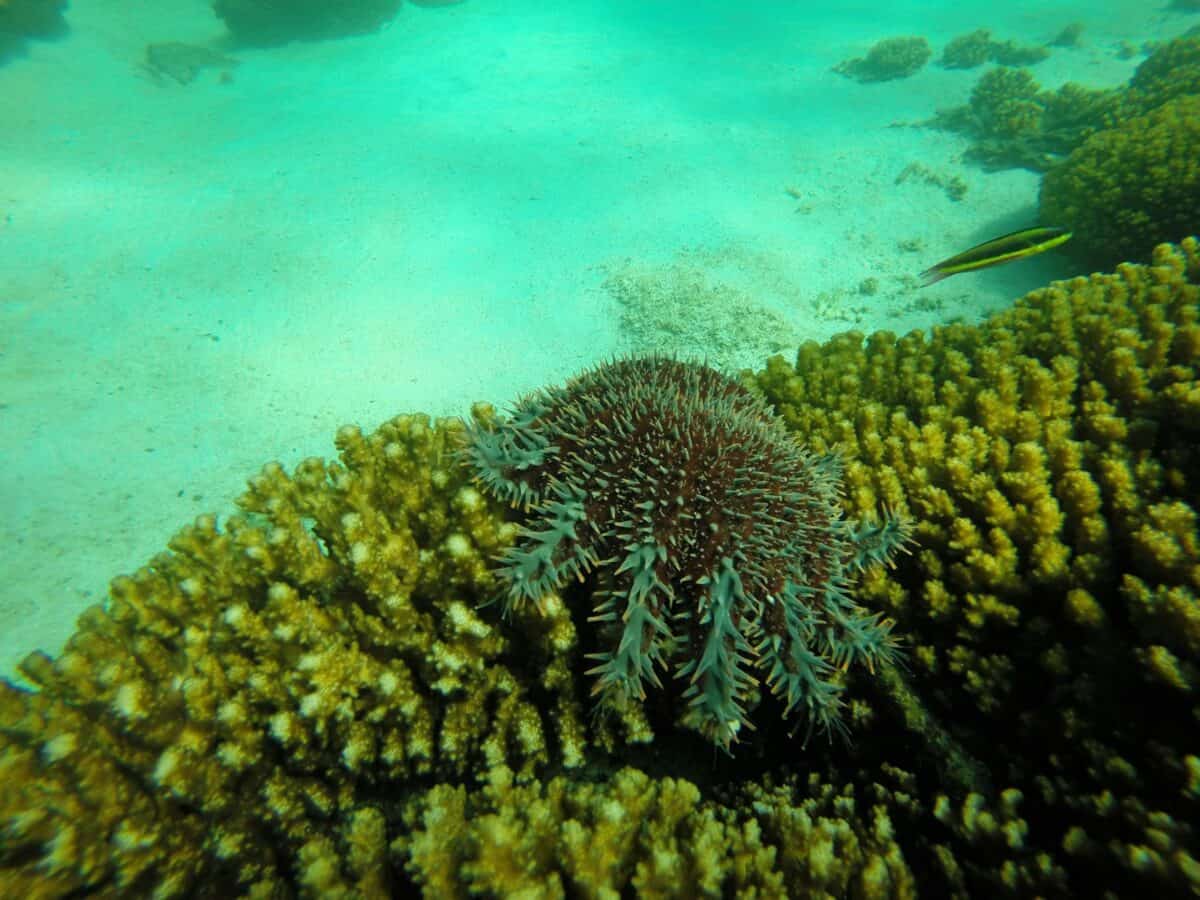
These starfish are covered in venomous spines and pose a threat not just to humans but also to coral reefs. Found in the Indo-Pacific, their spikes can cause serious tissue damage and pain if touched.
4. Leopard Seal
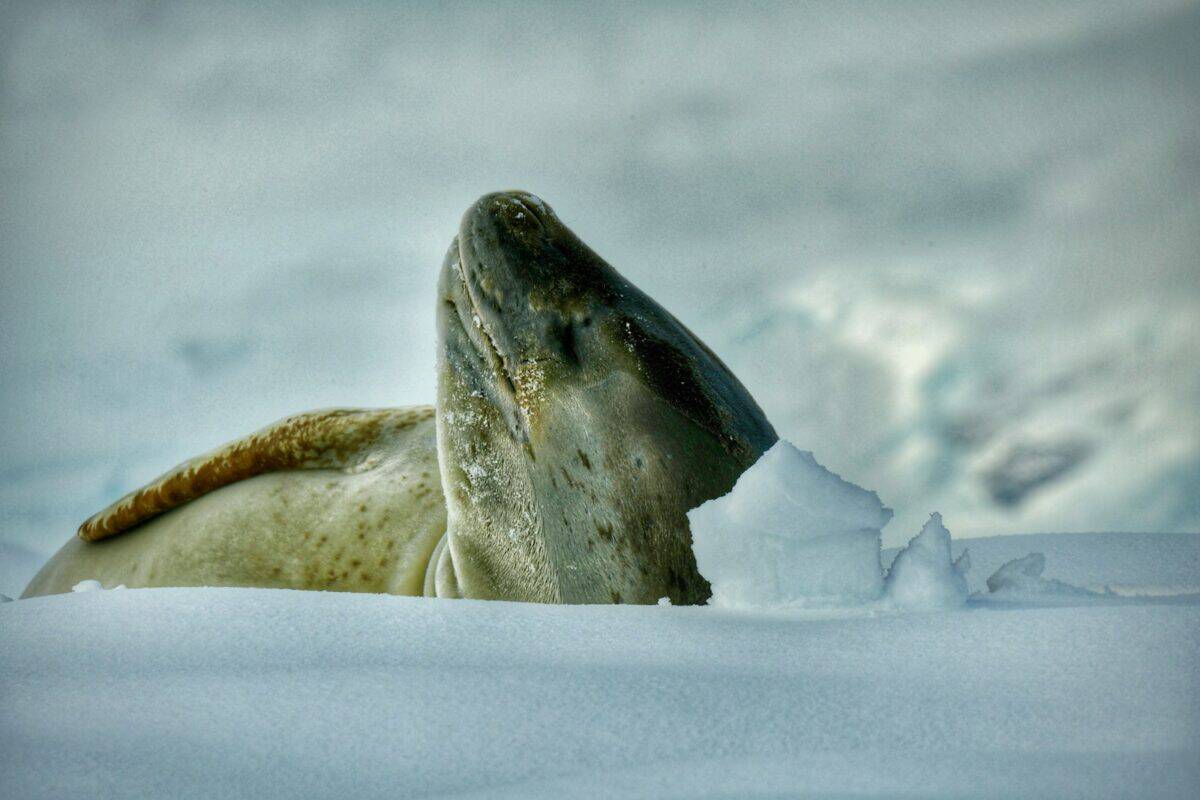
Native to the Antarctic, the leopard seal is a top predator known for its powerful jaws and aggressive hunting techniques. While attacks on humans are rare, they are capable hunters of other marine species.
3. Atlantic Wolffish
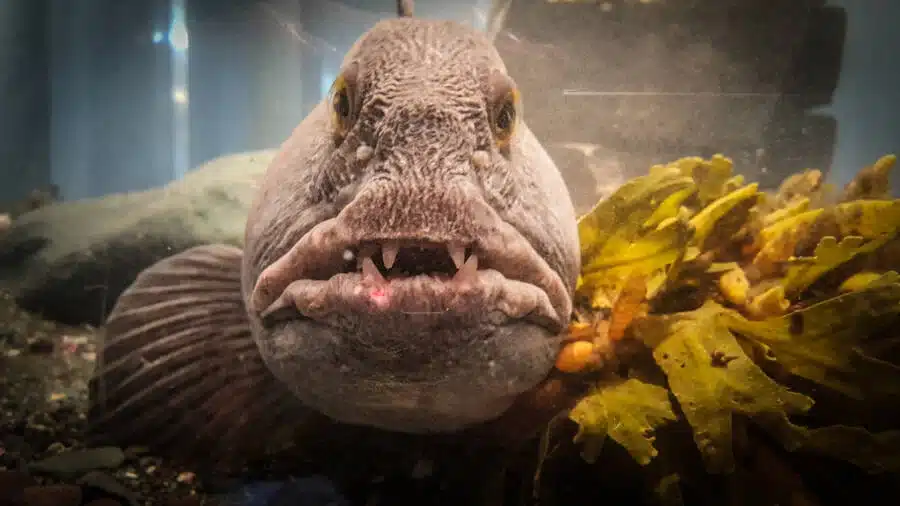
The wolffish sports a formidable set of teeth, with a predilection for hard-shelled prey like sea urchins and crabs. Although not aggressive to humans, its appearance and power serve as a warning against provocation.
2. Black Triggerfish

This species, while usually not aggressive, may exhibit territorial behavior when divers approach its nest. Known for their strong, bite-capable jaws, their defensive stance includes a potential aggressive encounter.
1. Scorpionfish
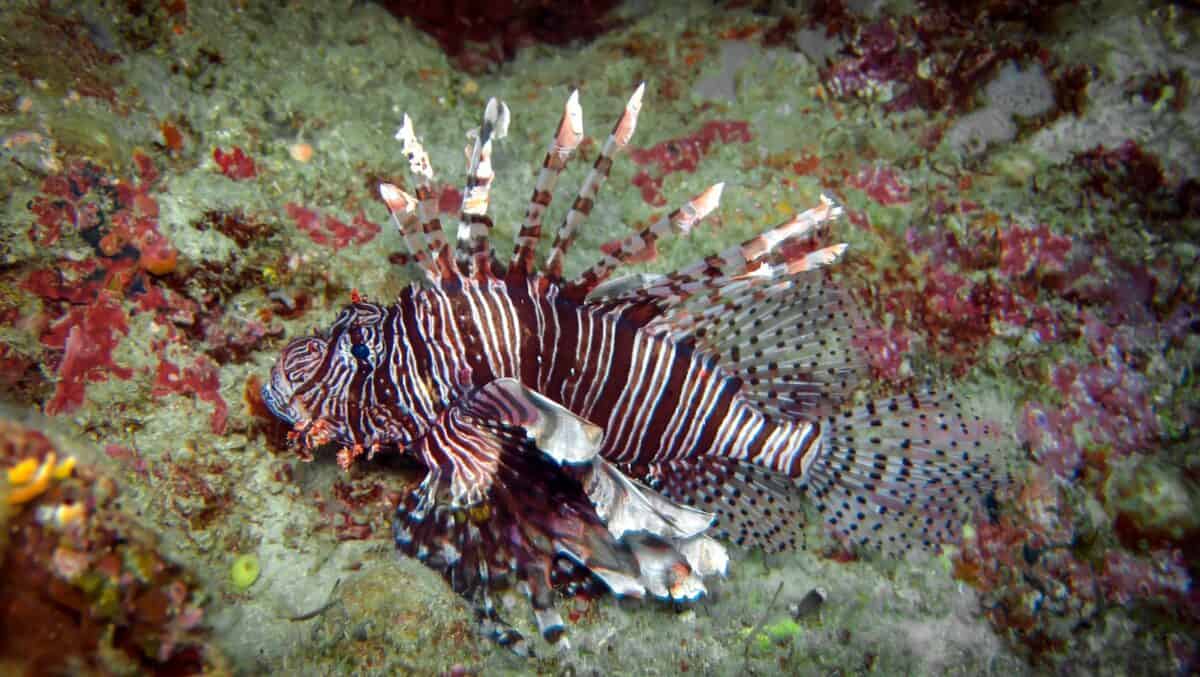
Well-camouflaged among rocky seafloors, the scorpionfish is armed with venomous spines that can deliver painful stings, sometimes resulting in tissue necrosis. They reside primarily in the Indian and Pacific Oceans.
The ocean holds an incredible array of life, each species playing its unique role in the marine ecosystem. While some creatures possess deadly attributes, it’s vital to remember these are often defense mechanisms essential for survival. Education and awareness can help us appreciate these remarkable animals while also safeguarding us against potential dangers when exploring their watery world.

- Wildlife Mysteries That Took Decades to Solve - July 21, 2026
- The Largest Python Ever Captured in Florida’s Everglades - July 21, 2026
- How Crickets Chirp Using Their Wings - July 20, 2026