

Wind power is one of the fastest-growing renewable energy sources, but it has sparked debate. Some see wind farms as a solution to climate change, while others worry they disrupt local weather patterns. So, are wind farms a clean energy dream or a force of nature with unintended consequences? Let’s take a closer look.
How Wind Farms Work

Wind farms generate electricity by using turbines to harness the wind’s power. The wind turns the blades, which spin a generator to produce energy. This process is clean, producing no greenhouse gases or pollution.
Wind Power’s Role in Renewable Energy
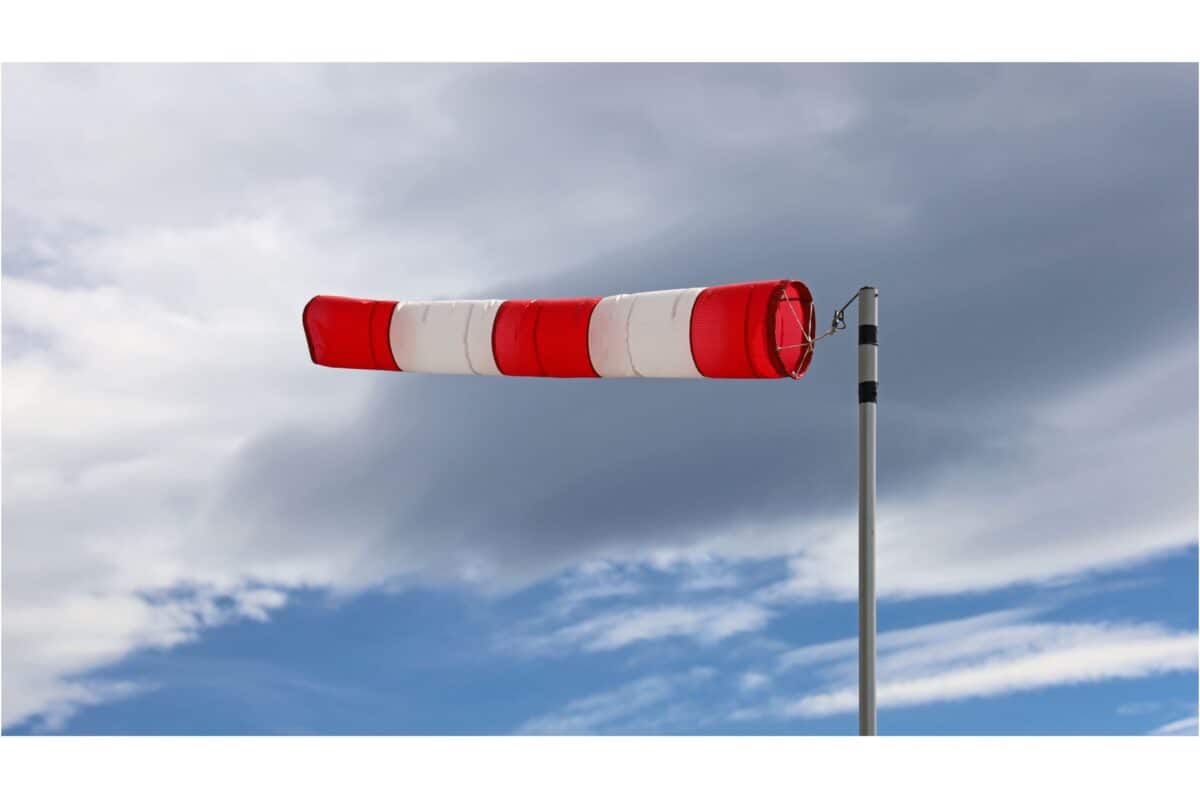
Wind energy is a major player in the transition away from fossil fuels. It helps reduce reliance on coal and gas, lowering carbon emissions. Many countries are investing heavily in wind power as they move toward greener energy grids.
Do Wind Farms Change Local Weather?

Some researchers suggest wind farms can impact local weather by redistributing air. Large wind farms pull air downward, which can mix warmer and cooler layers of the atmosphere. This might slightly change temperatures and humidity in surrounding areas.
The Temperature Debate

Studies show that wind farms can cause a slight increase in nighttime temperatures. This happens because turbines mix warm air from above with cooler air near the surface. However, these changes are minor and localized, not affecting global climate patterns.
Wind Farms and Rainfall

There are concerns that wind farms might reduce rainfall by altering air movement. Some studies suggest wind turbines could slightly change cloud formation, but there is no strong evidence that they significantly impact overall rainfall.
Do Wind Farms Affect Wildlife?

Bird and bat collisions with turbines are a real concern. However, improved turbine designs and better site planning are reducing these risks. Compared to other human activities, wind farms have a much lower impact on wildlife.
The Land Use Question

Wind farms require large areas of land, but they can coexist with farming and grazing. Unlike fossil fuel operations, they do not permanently damage the land, and many farmers benefit financially from leasing land to wind energy companies.
Noise and Aesthetic Concerns

Some people dislike the look of wind turbines, and others find their noise annoying. While modern turbines are quieter than older models, this remains a factor in community acceptance of wind energy projects.
Economic and Job Benefits

Wind energy creates jobs in manufacturing, installation, and maintenance. It also provides steady income for landowners and boosts local economies. Many rural communities benefit from wind farm developments.
Conclusion
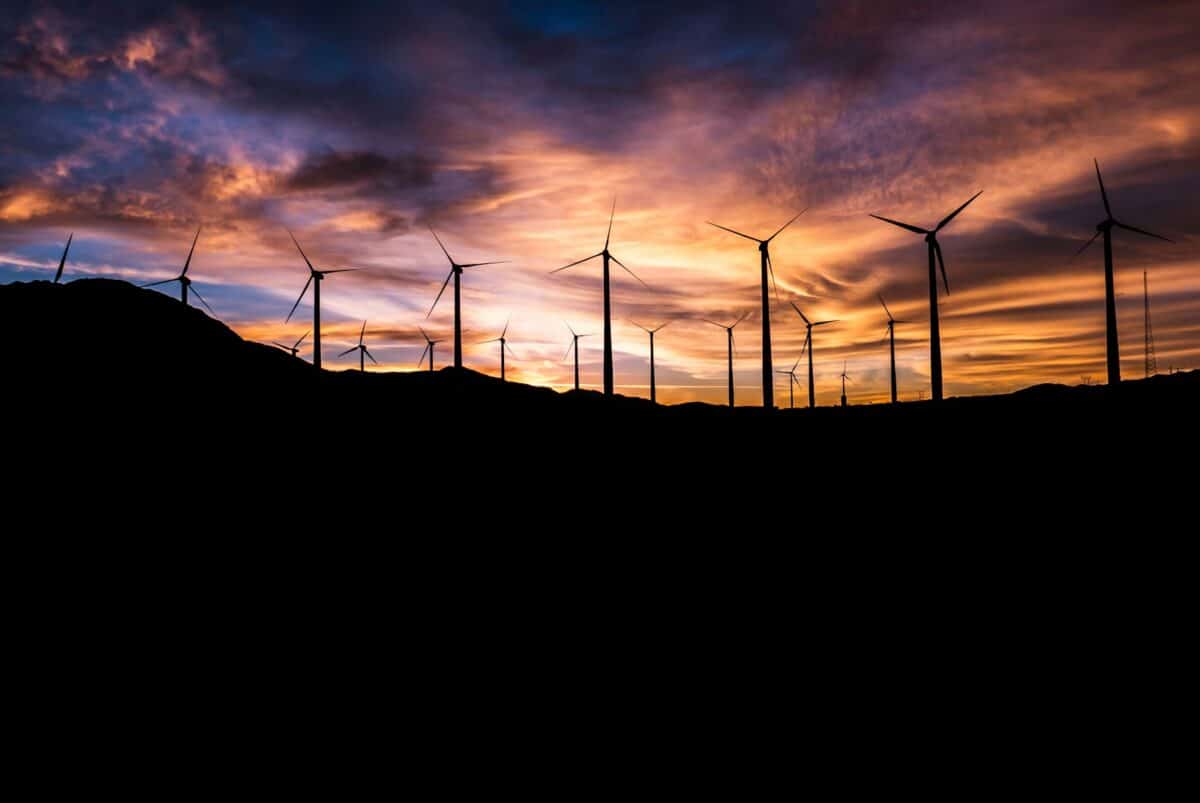
Wind farms are a key part of the renewable energy movement, reducing reliance on fossil fuels and creating jobs. While they may cause minor local weather changes and other small-scale impacts, their benefits outweigh the drawbacks. As technology improves, wind energy will continue to grow, playing a crucial role in the world’s clean energy future.

- The Perfect Pet for Each Zodiac Sign - July 7, 2026
- The Wild Animal That Embodies Your Zodiac Sign’s Spirit - July 6, 2026
- 7 Steps to Planting Admirably Beautiful Bluebonnets - July 6, 2026