


The animal kingdom is full of surprises! From creatures that see the world in infrared to those that can reproduce without a mate, nature has some truly mind-blowing abilities hidden in plain sight.
Did you know that hippos can’t swim, or that some frogs can glide through the air like tiny superheroes? What about animals that can regenerate body parts or even survive in the vacuum of space?
Whether you’re an animal lover or just looking for some wild trivia to impress your friends, these 20 fun and unbelievable animal facts will change the way you see the natural world. Let’s jump in!
1. Dolphins and Pufferfish – Nature’s Strangest Interaction?
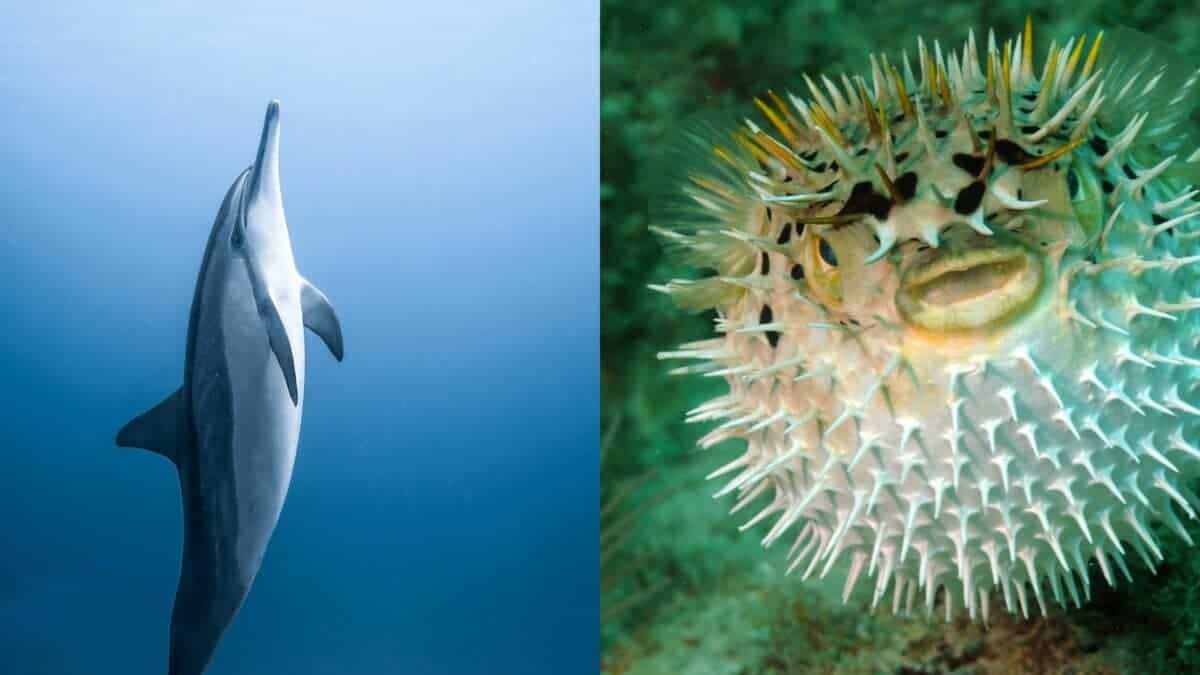
Dolphins are known for their intelligence, playfulness, and curiosity, but some researchers believe they may also have a wild side—using pufferfish toxins to get high.
How Does This Work?
- Pufferfish release tetrodotoxin, a potent neurotoxin that can be lethal in high doses.
- In controlled amounts, this toxin appears to induce a trance-like state in dolphins.
- Dolphins have been observed gently mouthing pufferfish, causing them to release small amounts of toxin, and then floating calmly just beneath the surface, seemingly affected by the exposure.
Are Dolphins Really Using Pufferfish for a High?
While some researchers believe this behavior is intentional, others argue that dolphins may simply be curious or playing rather than deliberately seeking a narcotic effect. However, given their high intelligence and complex social behaviors, it wouldn’t be surprising if dolphins had found a way to experience altered states of consciousness in the wild.
Regardless of intent, this fascinating behavior adds yet another layer to what we know about dolphins’ playful and highly intelligent nature.
2. Armadillo Armor – Nature’s Bulletproof Vests

Armadillos are one of the few mammals with built-in body armor, thanks to bony plates called osteoderms that cover their backs, heads, legs, and tails. This natural shield helps protect them from predators, making them one of the toughest small animals in the wild.
How Tough Is an Armadillo’s Armor?
- The osteoderm plates are rigid and layered, creating a tough shell that acts like biological armor.
- While it won’t stop a determined predator like a jaguar or coyote, it does provide extra protection against bites and claws.
- Some species, like the three-banded armadillo, can completely curl into a ball, sealing themselves inside their armor.
Can an Armadillo’s Armor Deflect Bullets?
There have been reports of bullets ricocheting off armadillos, causing unintended injuries to people attempting to shoot them. However, these cases are rare and depend on factors like:
- Bullet caliber – Small-caliber bullets may deflect, while higher-caliber rounds will penetrate.
- Angle of impact – A direct hit at the right angle is more likely to bounce off than one striking at an angle.
While an armadillo isn’t completely bulletproof, its armor is one of the most unique natural defenses in the animal kingdom, offering protection that few other mammals can claim.
3. Walking Fish – The Cave Angel Fish That Climbs Waterfalls

Most fish swim, but the cave angel fish (Cryptotora thamicola) does something truly remarkable—it walks. Found in the dark caves of Thailand, this rare species moves like a four-legged animal, using its fins to climb waterfalls in search of new habitats.
How Can a Fish Walk?
Unlike other fish, the cave angel fish has a robust pelvic girdle—a skeletal structure that connects its spine to its pelvic fins, much like the legs of land animals. This adaptation allows it to:
- Push itself forward on solid surfaces, using a synchronized, trotting motion.
- Climb up wet rock surfaces, defying what most fish are capable of.
- Navigate fast-moving streams and caves, avoiding predators and extreme conditions.
A Fish With Evolutionary Clues
Scientists believe the cave angel fish’s skeletal structure is similar to early vertebrates that made the transition from water to land millions of years ago. Studying its movements could provide insights into how the first land-dwelling animals evolved.
This waterfall-climbing, rock-crawling fish may not be walking out of the water anytime soon, but it’s an incredible example of how evolution can push the limits of what’s possible in the animal kingdom.
4. Electric Eels’ Shocking Abilities – Nature’s High-Voltage Predators
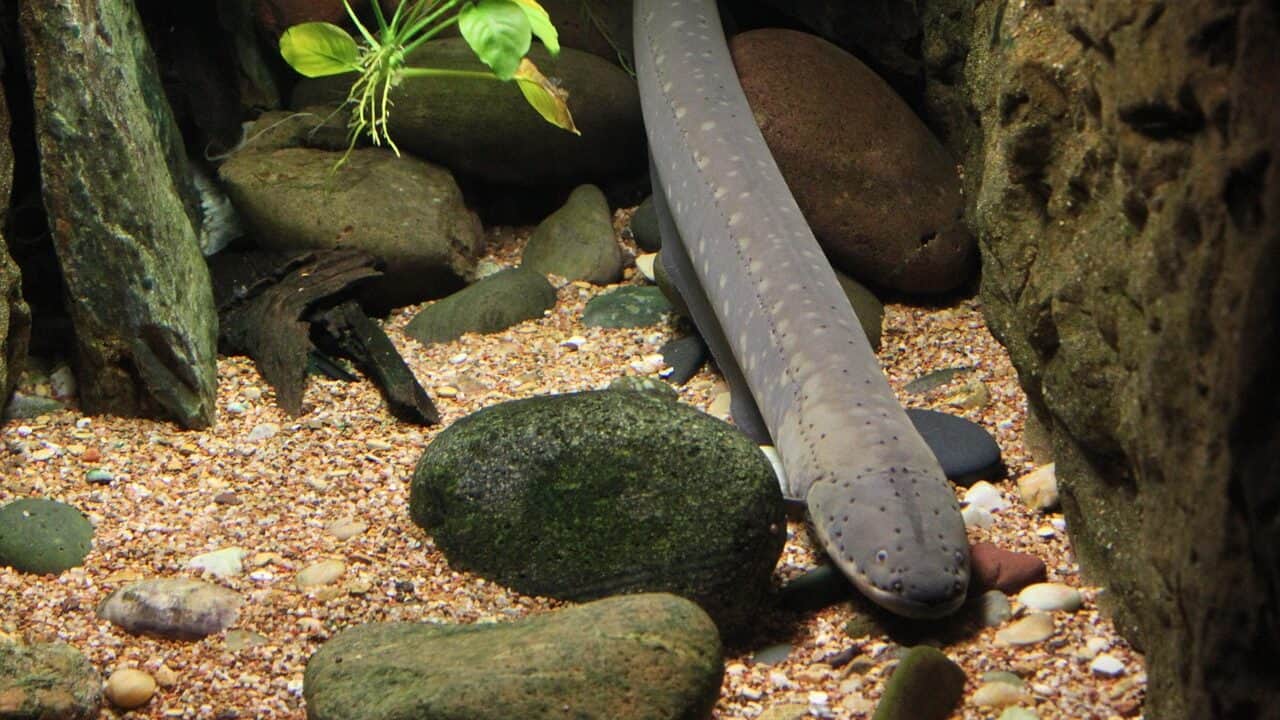
Electric eels (Electrophorus electricus) are one of nature’s most electrifying hunters, capable of generating powerful electrical discharges to stun prey and deter predators. These shocking creatures can produce bursts of up to 600 volts, which is strong enough to:
- Paralyze fish and small animals for easy capture.
- Defend against larger predators, delivering repeated shocks to drive them away.
- Navigate murky waters, using low-voltage pulses like a biological radar (electrolocation).
How Do They Generate Electricity?
Electric eels have three electric organs filled with specialized cells called electrocytes, which function similarly to a series of tiny batteries. When activated, these cells release an electrical charge in a rapid, coordinated burst, creating their signature shocking attack.
Are They Dangerous to Humans?
While electric eels can deliver a painful shock, fatalities are extremely rare. However, multiple shocks can cause temporary paralysis or even lead to drowning if someone is caught in the water with one.
As one of the most unique predators in the animal kingdom, electric eels prove that sometimes, the best way to hunt isn’t with claws or teeth—but with pure electricity.
5. Snakes and Infrared Vision – Nature’s Heat Sensors

Some snakes have an incredible sixth sense—the ability to “see” heat. Pit vipers, like rattlesnakes, possess specialized pit organs located between their eyes and nostrils. These tiny, heat-sensitive pits allow them to detect infrared radiation, essentially giving them thermal vision in total darkness.
How precise is it? Their pit organs can sense temperature differences as small as 0.003°C, enabling them to:
- Track warm-blooded prey, even in complete darkness.
- Strike with pinpoint accuracy, even if they can’t physically see their target.
- Detect predators or threats, giving them an edge in survival.
This ability makes pit vipers some of the most efficient nocturnal hunters in the animal kingdom. Their heat vision works independently of their regular eyesight, creating a dual-layered perception of their surroundings—one based on visible light and the other on thermal imaging.
For a rattlesnake, every warm body leaves a glowing signature, making escape nearly impossible.
6. Rats See in ‘Double’ – A Unique Split-Screen View of the World
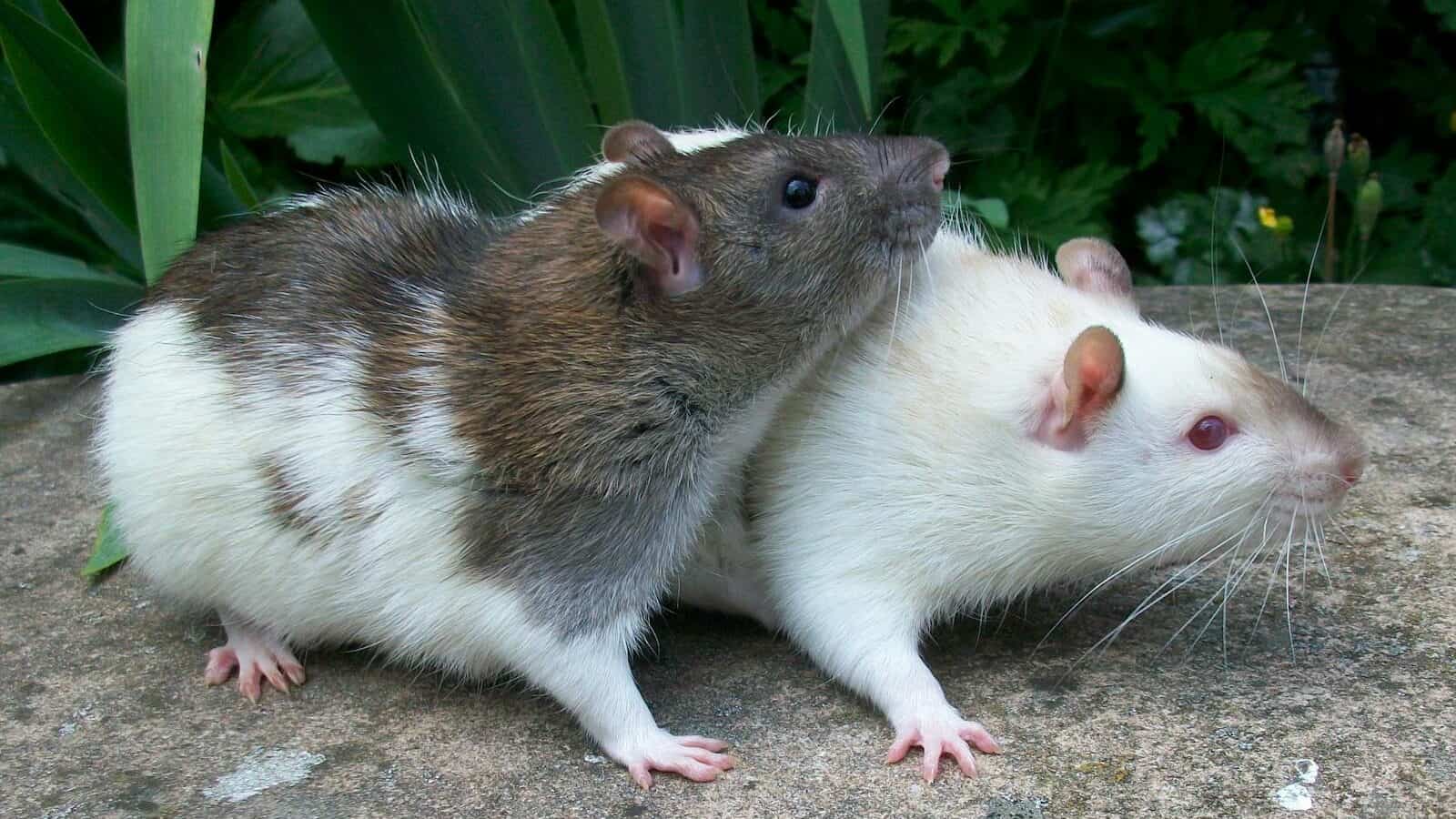
Rats have a wildly different way of seeing the world compared to humans. With their eyes positioned high on the sides of their heads, they have an almost 320-degree field of vision, allowing them to spot threats from nearly all angles without turning their heads.
What makes their vision even more unusual? Each eye moves independently. This gives them a form of “double” vision, meaning:
- They process two separate images at once, rather than merging them into a single view like humans do.
- Their upper and lower fields of vision don’t overlap, so they perceive the world in two distinct halves.
- They struggle with depth perception but compensate with highly sensitive whiskers and keen senses of smell and hearing.
This split vision helps rats detect predators from multiple angles, whether from above (owls and hawks) or at ground level (cats and snakes). It’s a survival mechanism that keeps them constantly aware of their surroundings—even if it means their world looks a little chaotic.
For a rat, the world isn’t seen as one big picture—it’s more like watching two different screens at the same time
7. Ligers – The Biggest Cats on the Planet
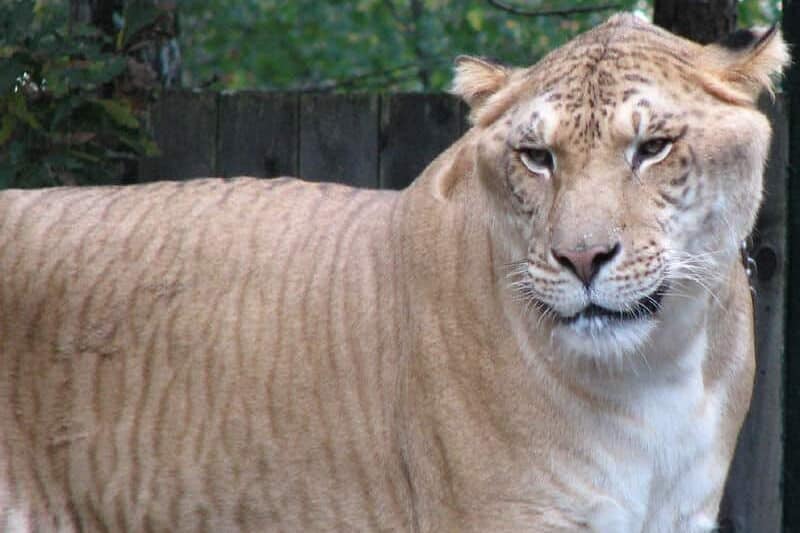
A liger isn’t just a fascinating hybrid—it’s an absolute giant. Born from a male lion and a female tiger, ligers grow far larger than either parent species, making them the biggest cats in the world.
How big do they get?
- Weight: Ligers can weigh over 900 pounds, nearly twice as much as a full-grown lion or tiger.
- Length: Some ligers reach up to 11 feet from head to tail, making them as long as a small car.
- Height: When standing on their hind legs, they can tower at over 12 feet tall!
Why do they get so big? Unlike lions and tigers, ligers lack the growth-inhibiting genes that regulate size in purebred big cats. This genetic mix-up causes them to continue growing for most of their lives.
Despite their size, ligers don’t exist in the wild. They are exclusively bred in captivity, often in zoos and wildlife sanctuaries. Because lions are social and tigers are solitary, ligers exhibit a mix of behaviors, sometimes leaning toward one parent’s temperament more than the other.
With their massive size, unique genetics, and rare status, ligers remain one of the most fascinating hybrid animals ever bred.
8. Wolphins – The Rare Hybrid of Dolphins and False Killer Whales
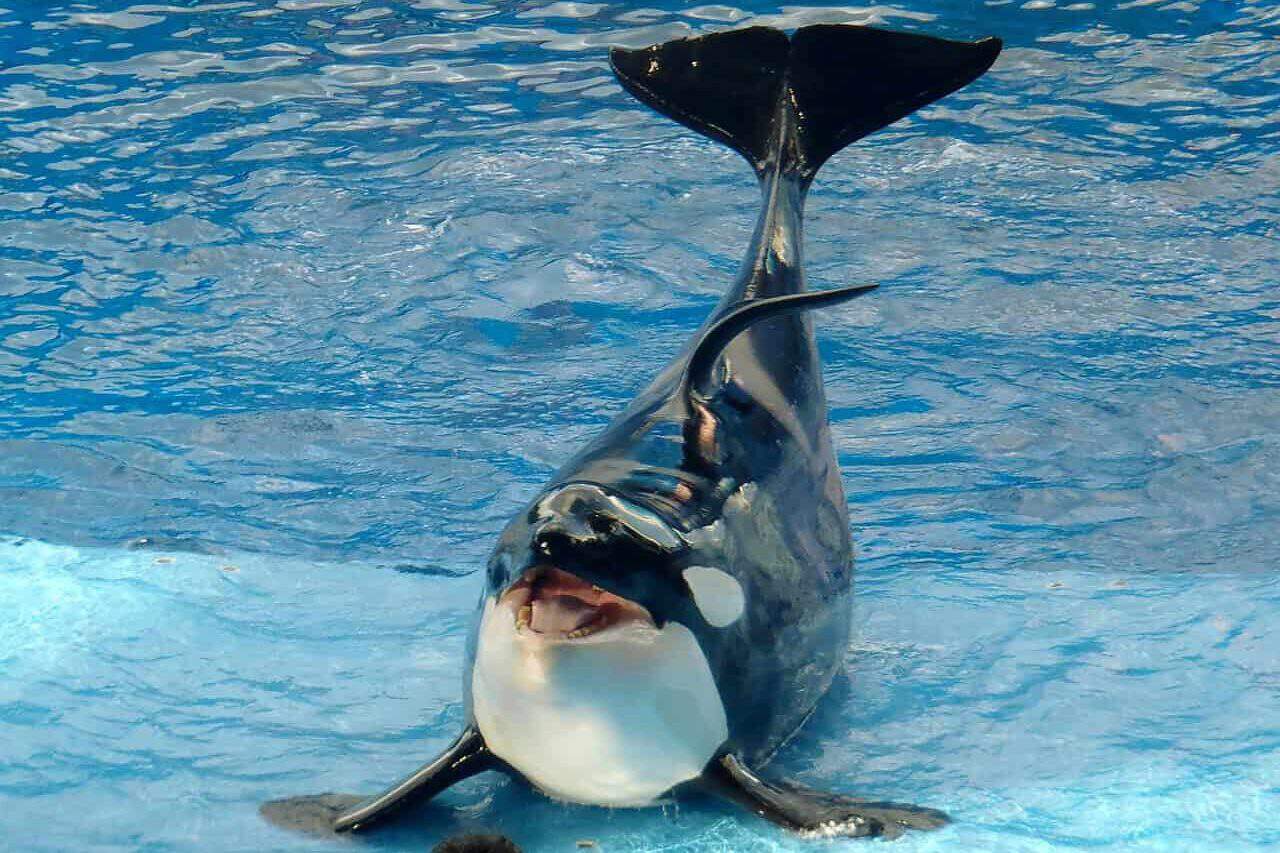
A wolphin (a combination of whale and dolphin) is an extremely rare marine hybrid resulting from the crossbreeding of a bottlenose dolphin and a false killer whale. Though false killer whales belong to the dolphin family, they are much larger and more powerful than bottlenose dolphins.
What makes wolphins unique?
- Their teeth count is right in between their parent species—they have 66 teeth, compared to the 88 teeth of a dolphin and the 44 of a false killer whale.
- They exhibit a mix of both species’ traits, with a stockier build than a dolphin but smaller than a false killer whale.
- Their skin color is a blend of both parents, often darker than a bottlenose dolphin but lighter than a false killer whale.
Wolphins are incredibly rare in captivity and almost nonexistent in the wild due to the differing behaviors and social structures of their parent species. The most famous wolphin, Kekaimalu, was born at Sea Life Park in Hawaii and displayed a perfect combination of dolphin and false killer whale characteristics.
These hybrids inherit intelligence, social skills, and strong swimming abilities, making them just as fascinating as their purebred counterparts.
Though rare, wolphins prove that the ocean still holds plenty of surprises.
9. Green Sea Slugs – The Solar-Powered Animals
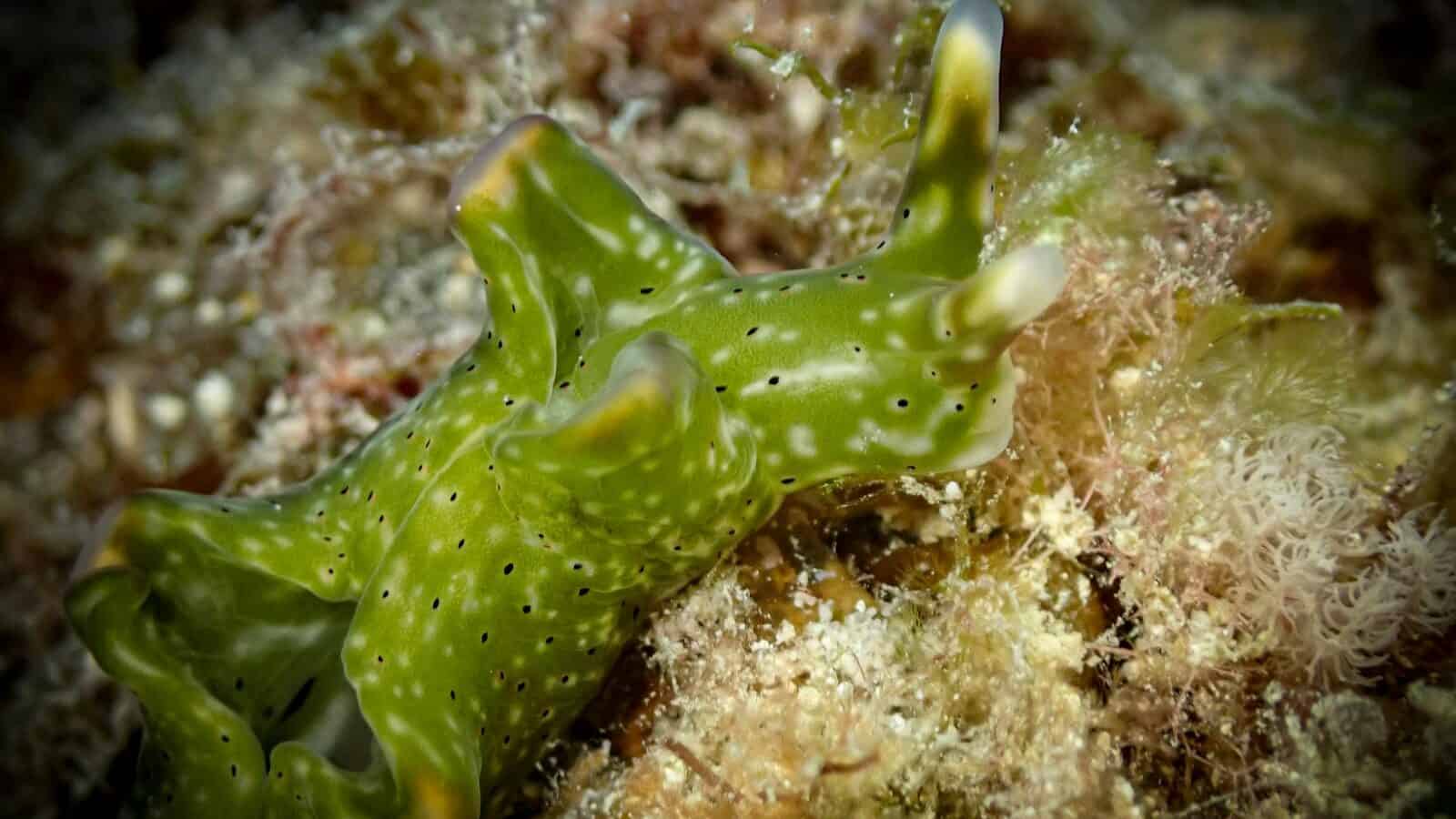
Imagine an animal that can photosynthesize like a plant—that’s exactly what the green sea slug (Elysia chlorotica) can do. This remarkable creature has found a way to harness solar energy, making it one of the few known examples of an animal capable of producing its own food from sunlight.
How does it work?
- Green sea slugs feed on algae and extract chloroplasts (the structures plants use for photosynthesis).
- Instead of digesting them, the slugs incorporate these chloroplasts into their own cells, effectively becoming part animal, part plant.
- Once absorbed, the chloroplasts continue producing energy from sunlight, allowing the slug to survive for months without eating.
This process, known as kleptoplasty, is extremely rare in the animal kingdom and gives these slugs a huge survival advantage. Even in food-scarce environments, they can rely on solar energy to stay alive.
While they may look like ordinary sea slugs, these creatures are living proof that nature is full of surprises—blurring the line between animals and plants.
10. Tardigrades – The Indestructible Micro-Animals

Tardigrades, often called water bears, are some of the toughest creatures on Earth—and possibly beyond. These microscopic animals can survive conditions that would be instantly fatal to nearly every other living thing.
What makes them extreme survivors?
- Temperature Resistance: They can survive in conditions ranging from -328°F (-200°C) to 304°F (151°C), enduring both the freezing vacuum of space and boiling heat.
- Extreme Pressure: Tardigrades can withstand 6,000 atmospheres of pressure, which is nearly six times the pressure found in the deepest parts of the ocean.
- Radiation Resistance: They can tolerate radiation levels 1,000 times higher than what would kill a human.
- Survival Without Water: When faced with dehydration, tardigrades enter a cryptobiotic state, shriveling up into a dried-out form called a tun. In this state, they can survive for decades without water and come back to life when rehydrated.
Scientists have even sent tardigrades into space, and they survived exposure to cosmic radiation and the vacuum of space, proving they might be able to endure interplanetary travel.
These tiny, eight-legged creatures may not look like much, but they are some of the most resilient life forms ever discovered—and they continue to fascinate researchers with their seemingly unstoppable survival skills.
11. Future Animal Visions – Bald Birds and Super-Sized Rats

As the world changes, so do its creatures. Climate change and urbanization are already influencing animal evolution, and scientists predict that in the future, we could see some surprising adaptations.
Bald Birds – Evolving for Heat Resistance
In warmer climates, birds may begin evolving to lose feathers or develop thinner plumage to better regulate their body temperature. Similar to how elephants evolved larger ears to dissipate heat, birds in hot environments could:
- Develop bald or sparsely feathered heads to release excess heat.
- Evolve lighter, more reflective feathers to reduce heat absorption.
- Change body size and shape, with longer legs or beaks to improve heat dissipation.
This shift would allow them to survive rising global temperatures, much like how vultures already have bald heads to keep cool and stay clean while scavenging.
Giant Rats – Thriving in Urban Jungles
As cities expand, rats are poised to become even bigger and more dominant. With abundant food sources, fewer predators, and the ability to adapt quickly, rats in urban environments could:
- Increase in size, much like how island-dwelling rodents tend to evolve larger than their rural counterparts.
- Develop even higher intelligence, improving their ability to navigate human-made environments.
- Expand their diets further, becoming even more omnivorous and opportunistic.
With enough time, urban rats could become the dominant scavengers of the future, growing into cat-sized rodents capable of thriving in megacities.
While these evolutionary changes are still hypothetical, nature has proven time and time again that animals will adapt to survive—no matter how much the world changes.
12. Octopuses: A Short Life, Three Hearts, and One Final Mission
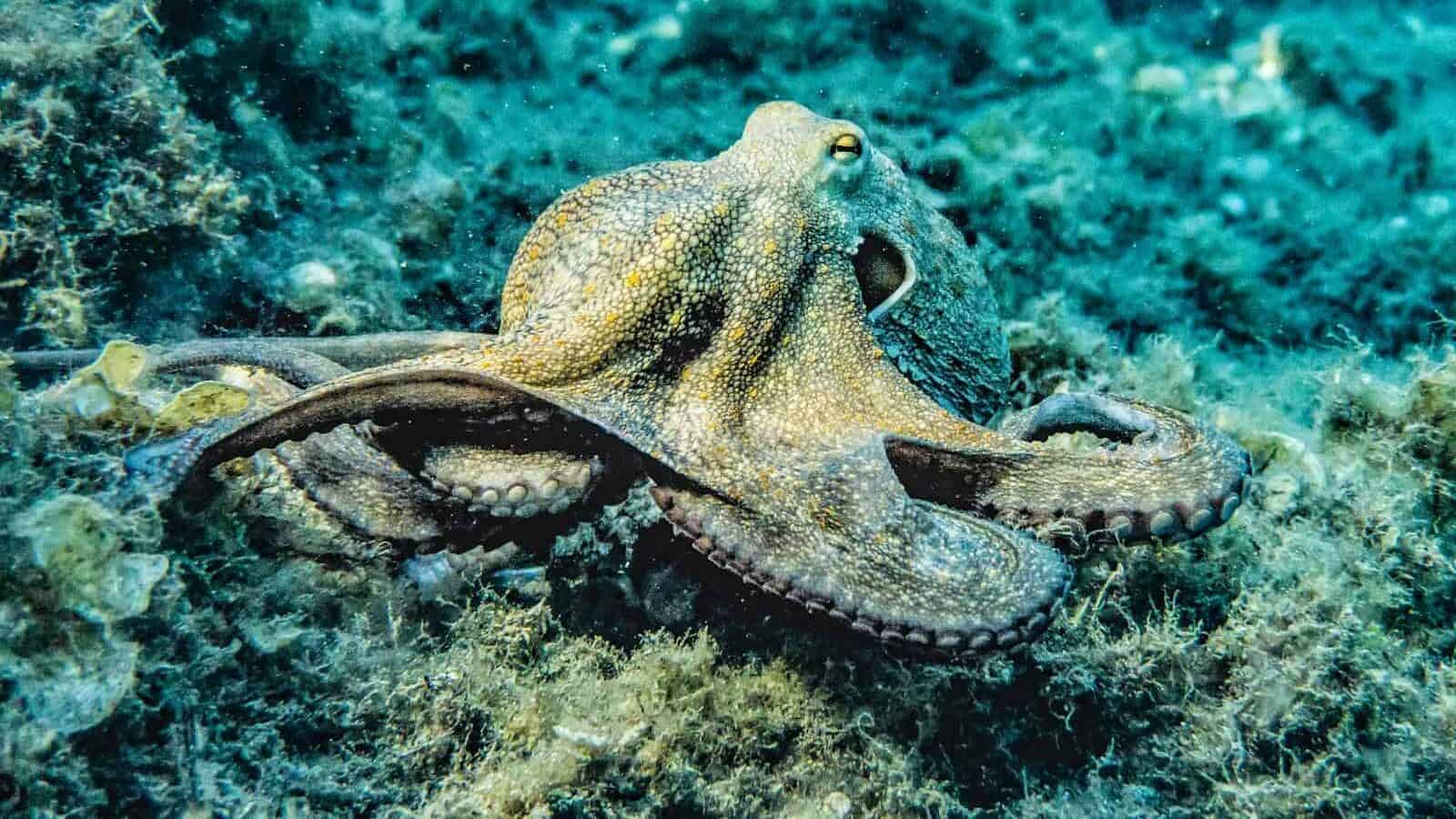
For an octopus, reproduction is both a miracle and a tragedy. These intelligent, short-lived creatures dedicate their final days to protecting their offspring, making the ultimate sacrifice for the next generation.
The Final Mission: Guarding Their Eggs
- Female octopuses lay thousands of eggs and spend weeks—sometimes months—watching over them without leaving to eat.
- They continuously fan the eggs with water, keeping them oxygenated and free from debris.
- Once the eggs hatch, the female typically dies shortly after, having exhausted herself in the process.
This phenomenon, called semelparity, is common in cephalopods, meaning they reproduce only once in their lifetime before dying.
Three Hearts, But One Fate
Octopuses have three hearts, each serving a different function:
- Two branchial hearts pump blood through the gills for oxygenation.
- One systemic heart then circulates oxygenated blood throughout the body.
Surprisingly, when an octopus swims, its systemic heart stops beating, which is why they prefer crawling over swimming—it conserves energy.
While their lives may be short, octopuses leave behind a legacy—a new generation of one of the ocean’s most intelligent and mysterious creatures.
13. Wild Animals Fear Humans More Than Their Natural Predators

Despite being surrounded by lions, leopards, and hyenas for millennia, many wild animals fear humans the most—even more than their traditional predators. Research has shown that just the sound of human voices can trigger a heightened fear response in wildlife.
The Kruger National Park Study
A study conducted in South Africa’s Kruger National Park revealed some surprising insights:
- Animals were twice as likely to flee when they heard human voices compared to lion roars.
- They left waterholes 40% faster when exposed to human sounds, showing extreme caution.
This suggests that animals have learned to associate humans with danger, possibly due to centuries of hunting, habitat destruction, and other human-related threats.
Why Do Animals Fear Humans So Much?
Unlike natural predators, humans:
- Use advanced hunting strategies and tools, making them more lethal than any single predator.
- Kill for reasons beyond survival, such as poaching or habitat destruction.
- Alter ecosystems on a massive scale, disrupting natural food chains.
Even apex predators, like big cats and bears, have been observed avoiding areas with heavy human activity, suggesting that this fear is widespread across different species.
While some animals have adapted to living near humans, most instinctively treat us as the ultimate threat, a fear that has likely been reinforced over generations.
14. Regeneration in Animals – Nature’s Built-In Repair System
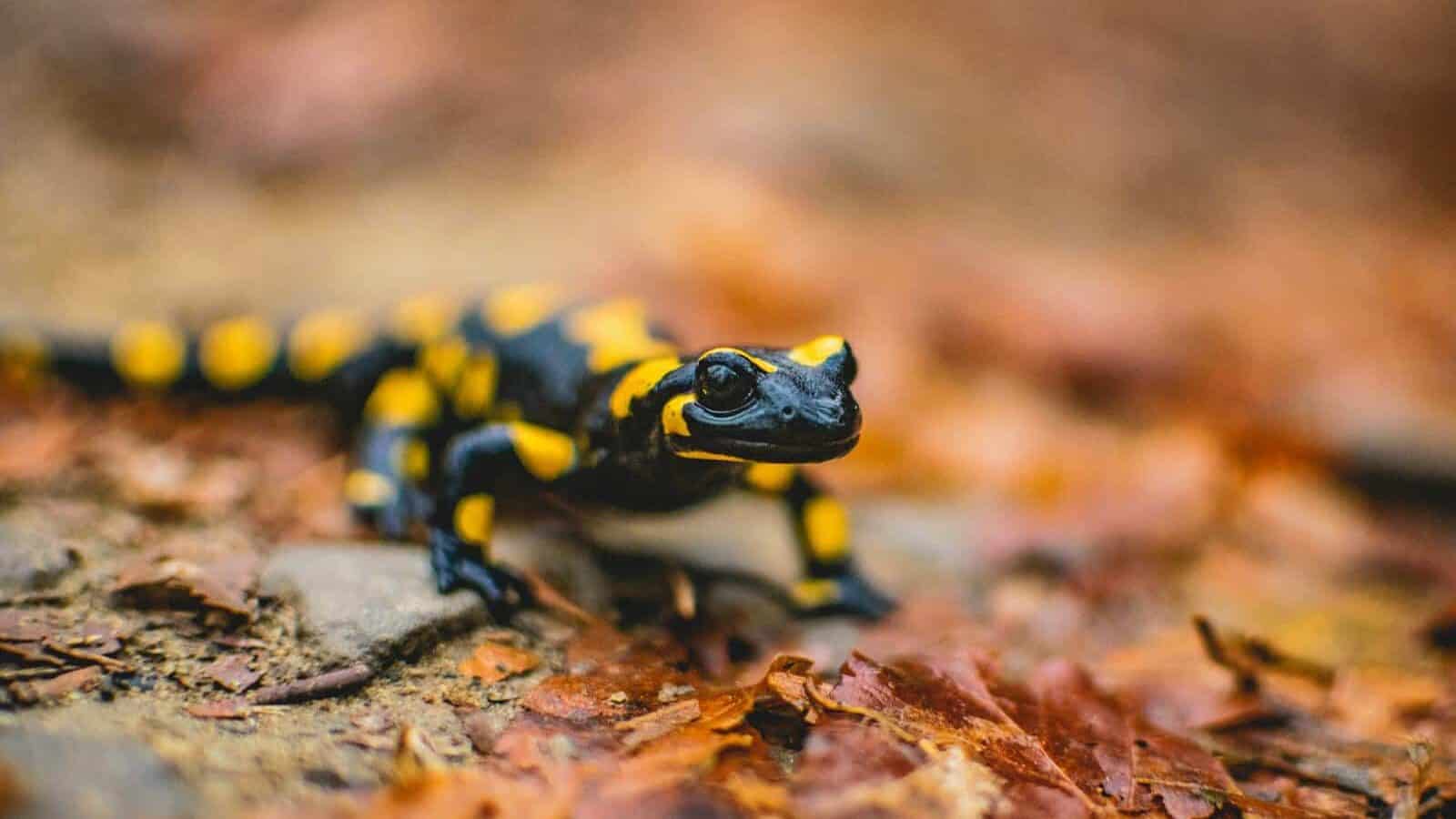
Some animals possess remarkable regenerative abilities, allowing them to regrow lost body parts—and in some cases, even portions of their internal organs. Unlike humans, whose healing is limited to wound repair, creatures like salamanders and axolotls can completely regenerate limbs, tails, and even parts of their hearts and brains.
Salamanders – Masters of Limb Regeneration
- Salamanders can regrow entire legs, tails, and even parts of their hearts and brains.
- When a limb is lost, their body forms a special cluster of cells called a blastema, which acts like a biological blueprint to rebuild the missing part.
- The newly regenerated limb is identical to the original, complete with muscles, nerves, and even bones.
Axolotls – The Ultimate Regenerators
- Axolotls take regeneration to another level—they can regrow not just limbs, but also their spinal cords, portions of their hearts, and even parts of their brains.
- Unlike most animals, axolotls do not form scar tissue, which allows for seamless tissue regrowth instead of incomplete healing.
- Scientists study axolotls in hopes of unlocking the secrets of regeneration for human medicine, particularly for nerve and organ repair.
The Future of Regeneration Science
Understanding how these animals regenerate could revolutionize medicine. Researchers are exploring whether human cells could be stimulated to regrow tissue in a similar way, potentially leading to breakthroughs in healing spinal cord injuries, regrowing lost limbs, or even repairing damaged organs.
For now, salamanders and axolotls remain nature’s best example of self-repair, proving that some creatures have evolved incredible ways to bounce back from injury.
15. Hippos Can’t Swim – But That Doesn’t Stop Them
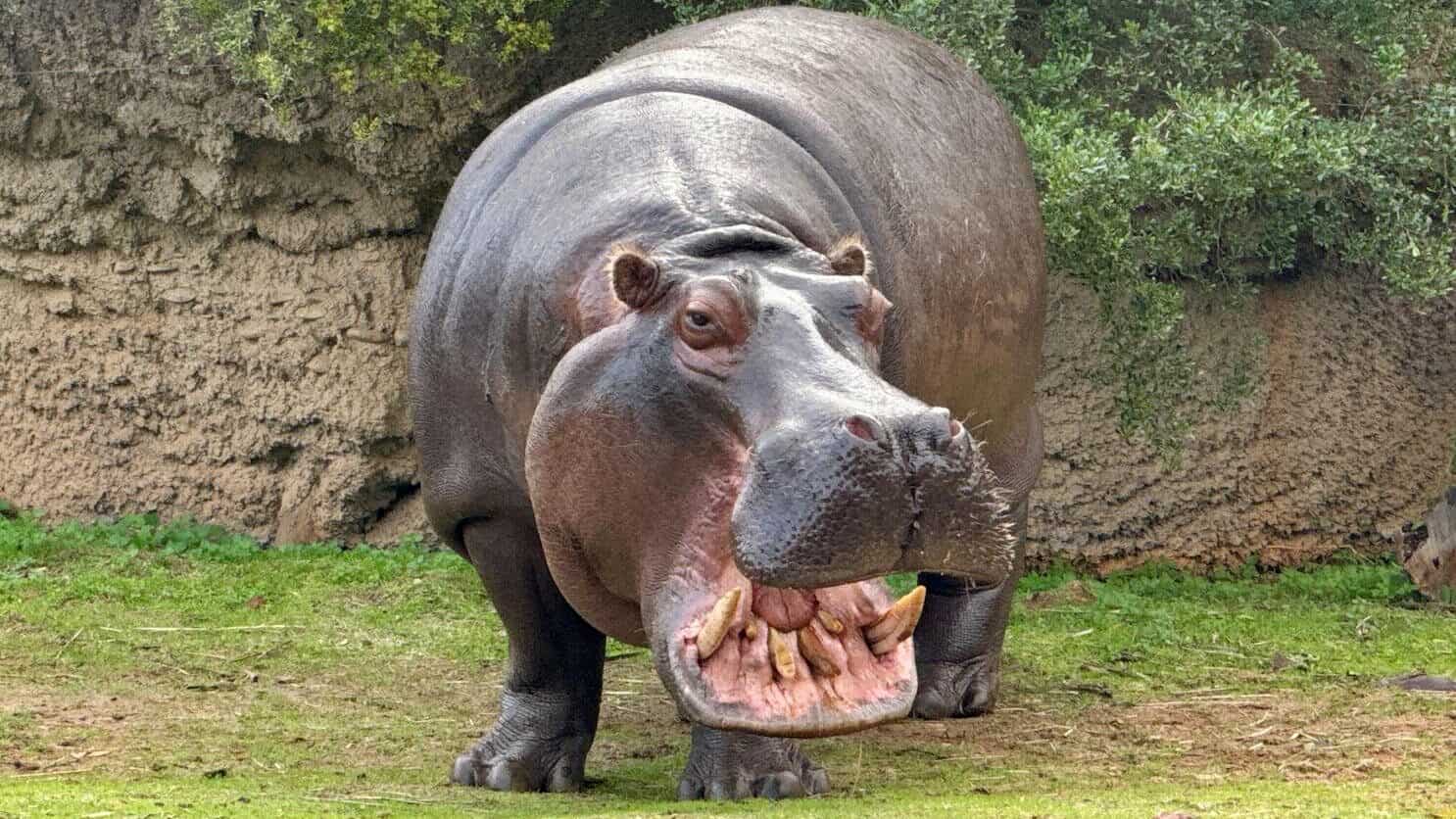
Despite spending most of their lives in the water, hippos are physically incapable of swimming. Unlike fish or other aquatic mammals, they lack the body structure needed to propel themselves through water.
So how do they move? Instead of swimming, hippos:
- Push off the riverbed using their powerful legs, almost like an underwater gallop.
- Glide forward by bouncing off the bottom in deep water.
- Use their natural buoyancy to stay afloat when needed.
Their dense bodies make true swimming impossible, but their incredible agility underwater allows them to move quickly and efficiently, even in deep rivers.
While they may not technically “swim,” hippos remain one of the most dangerous animals in Africa, thanks to their ability to charge at surprising speeds—both on land and in water.
16. Komodo Dragons and Parthenogenesis – Reproducing Without Mates

Komodo dragons have an incredible reproductive ability—females can produce offspring without a male. This process, called parthenogenesis, allows them to lay viable eggs without fertilization, ensuring their species can continue even in isolated environments.
- Unlike most vertebrates, female Komodo dragons carry both Z and W sex chromosomes (males are ZZ).
- When parthenogenesis occurs, the offspring always inherit only Z chromosomes, meaning all babies born this way are male.
- This helps in situations where there are no males around, allowing a lone female to restart a population.
While Komodo dragons typically reproduce sexually, this backup reproductive strategy makes them even more formidable survivors in the wild.
17. Wallace’s Flying Frog – A Master of Aerial Escapes
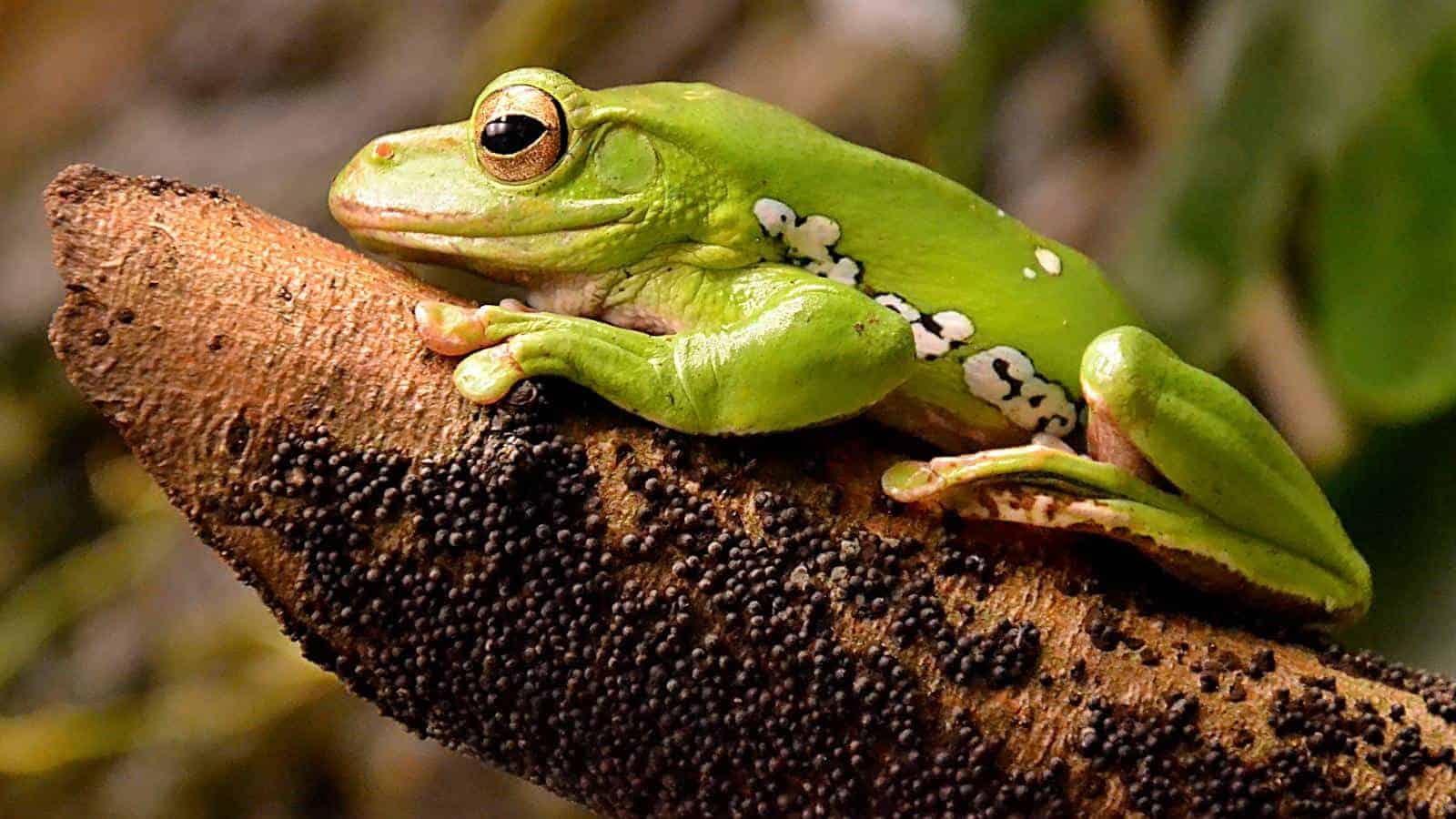
Found in the rainforests of Southeast Asia, Wallace’s flying frog (Rhacophorus nigropalmatus) is one of nature’s best gliders. Unlike regular frogs, it has large, webbed feet and skin flaps, allowing it to soar between trees instead of jumping to the ground.
How far can it glide?
- Wallace’s flying frog can cover distances of up to 50 feet (over 15 meters) in a single leap.
- Its fully webbed feet act like parachutes, slowing its descent and giving it precise control.
- It uses skin flaps along its limbs to further stabilize and guide its movement.
This impressive gliding ability helps it:
- Escape predators without having to descend to the forest floor.
- Move between trees more efficiently to find food or mates.
While not true flight, this built-in gliding system makes Wallace’s flying frog one of the most aerial amphibians on the planet.
18. Sea Otters Holding Hands – Nature’s Most Adorable Raft
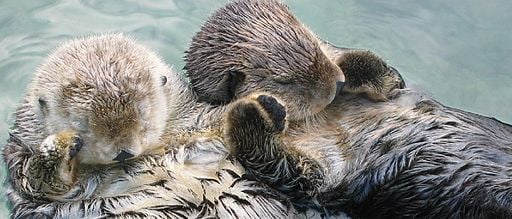
Sea otters have a unique and heartwarming habit—they hold hands while sleeping to prevent drifting apart. This behavior, called “rafting,” helps them stay connected in strong currents and open waters, ensuring they don’t float away while resting.
Why Do Sea Otters Hold Hands?
- Prevents separation – Otters often drift apart while sleeping, so they grip each other’s paws or hold onto kelp forests to stay anchored.
- Offers safety in numbers – Floating in groups deters predators like orcas and sharks.
- Strengthens social bonds – Mother otters even wrap their pups in seaweed while foraging to keep them from floating away.
This adorable yet practical behavior helps sea otters survive in the wild, proving that sometimes, the best way to stay safe is to stick together.
19. Pigeons’ Numerical Abilities – Counting Birds in a New Light
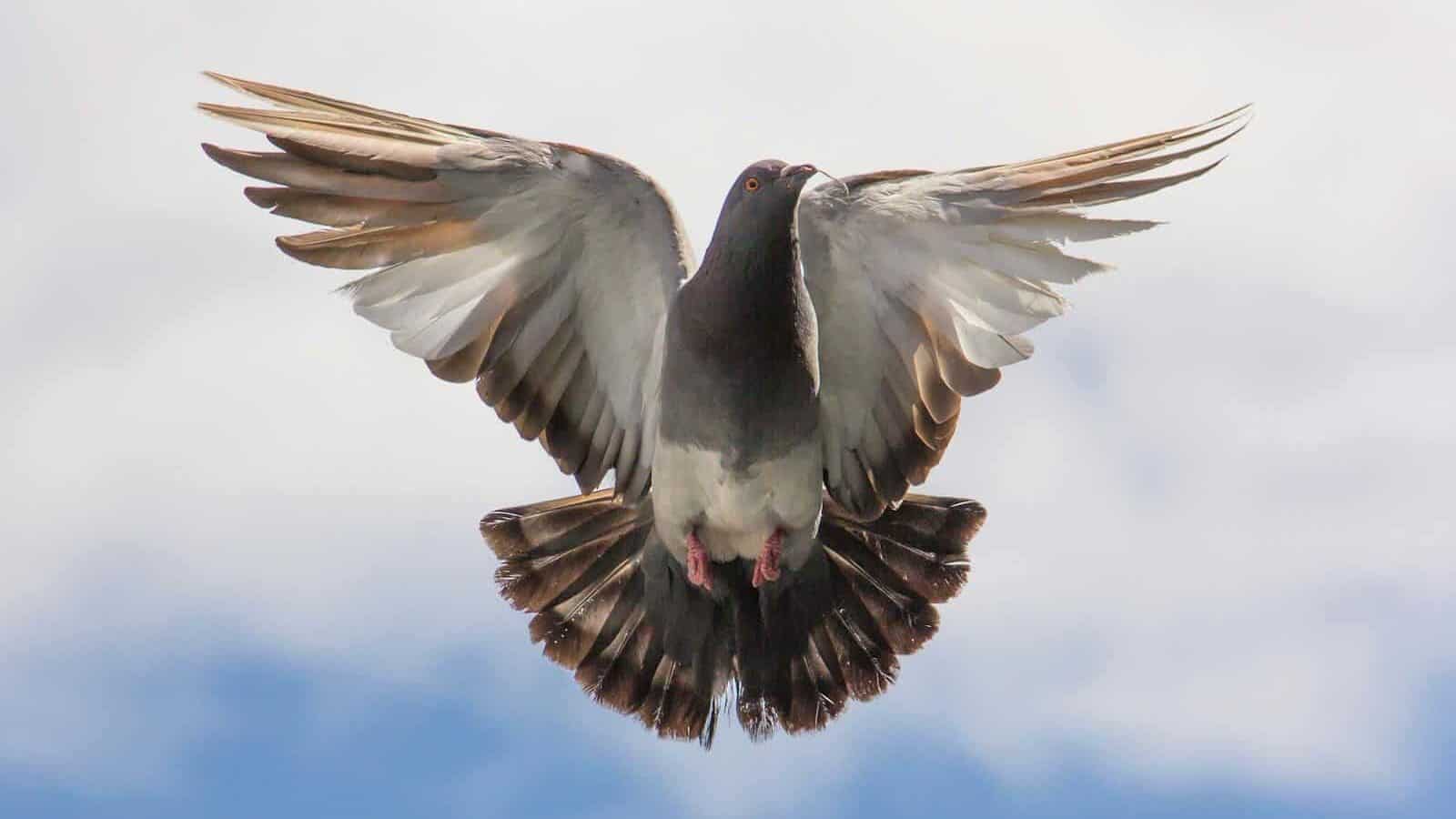
Pigeons may not seem like mathematical geniuses, but studies show they can understand numerical concepts—a skill once thought to be exclusive to primates and humans.
What Can Pigeons Do?
- They can recognize numerical order, understanding that two is more than one, and three is more than two.
- They have been trained to put numbers in sequence, much like how young children learn counting.
- Their ability to grasp numerical concepts rivals that of some primates, showing that intelligence in animals can take many forms.
This surprising level of cognition proves that pigeons are far smarter than they appear, reinforcing why they have successfully adapted to urban life around the world.
20. Giraffes Humming at Night – A Secret Language in the Dark?
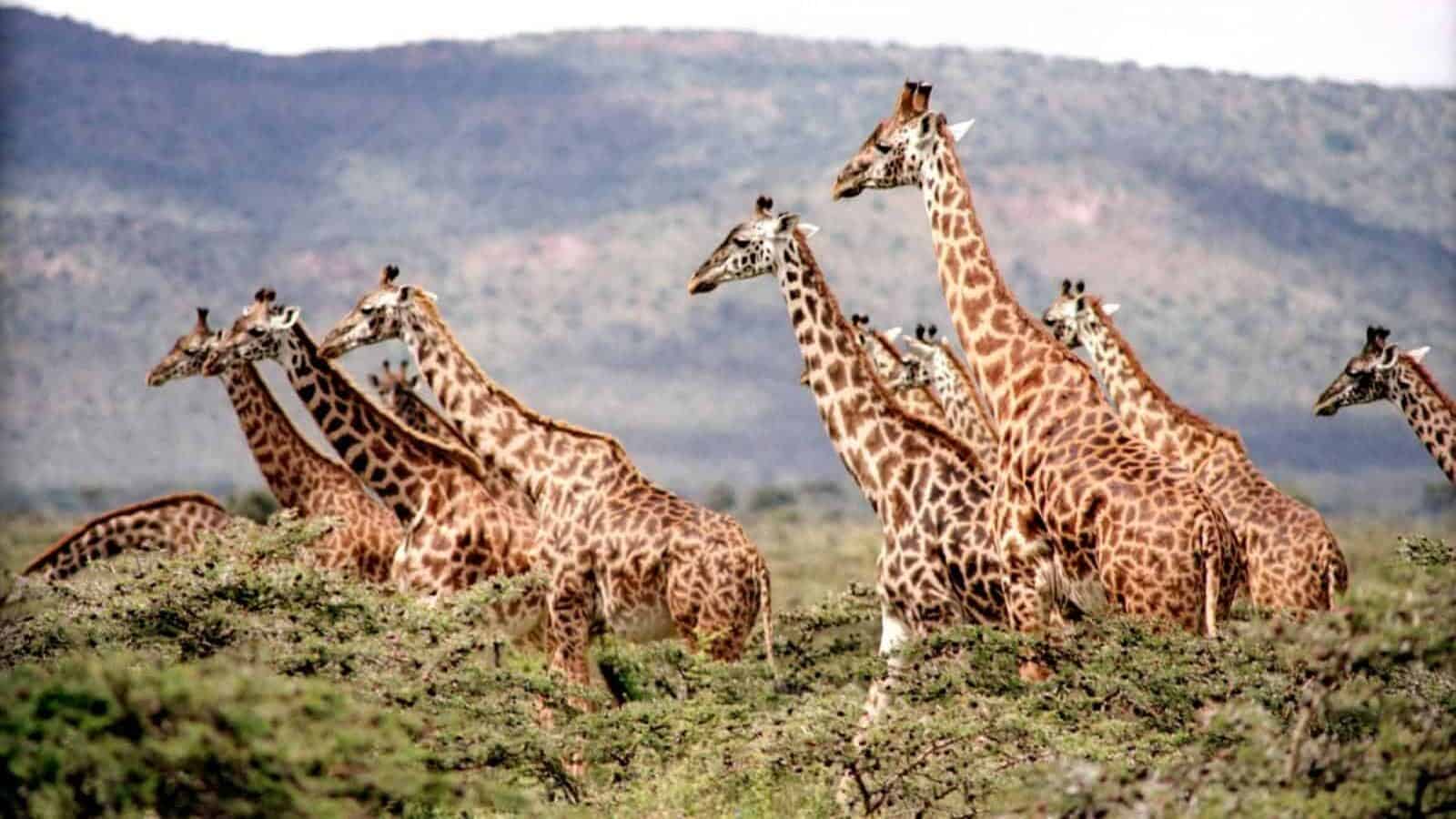
Giraffes were long thought to be silent animals, but recent studies have revealed that they actually hum to each other at night—a low-frequency sound likely used for nocturnal communication.
Why Do Giraffes Hum?
- Researchers found that giraffes produce deep, vibrating hums at night, possibly to stay in touch with their herd.
- These sounds are at a low frequency, meaning they may travel long distances without being easily heard by predators.
- It suggests giraffes have a more complex social structure than previously thought, with potential vocal communication we still don’t fully understand.
This discovery challenges the long-held belief that giraffes are mostly silent and opens the door to further research into how these towering giants communicate
Final Thoughts – Nature Is Full of Surprises
The animal kingdom is packed with astonishing adaptations, mind-blowing abilities, and unexpected quirks that prove nature is anything but ordinary. From hippos that can’t swim to Komodo dragons reproducing without mates, these fun and unbelievable facts remind us just how wild and wonderful the world really is.
Whether it’s seeing in ultraviolet, regenerating limbs, or gliding through the air, animals continue to push the limits of what we think is possible.
Which fact surprised you the most? Let us know in the comments!

- The Mammal With the Most Unusual Fur Texture - July 8, 2026
- The Biggest Catfish Ever Caught – A True River Monster - July 5, 2026
- The Legendary Camargue Horses of France – Born to Run Free - July 5, 2026