

Discussions about extreme weather events often spark debate over whether climate scientists are overstating their severity. Some argue that predictions are overly dramatic, while others insist they reflect a growing crisis. To understand this debate, it’s important to look at the facts, the role of scientific models, and how data is interpreted.
The Basis of Climate Science

Climate scientists rely on decades of data to study trends in temperature, precipitation, and storm activity. Their findings suggest that climate change is influencing weather patterns, but predicting specific events is complex. Observations are based on both historical records and computer models that estimate future scenarios.
Understanding Climate Models

Climate models are valuable tools for forecasting long-term trends. While no model is perfect, they are designed to incorporate known climate patterns and emissions data. Some critics argue that these models rely on assumptions that may not fully capture natural climate variations.
The Role of Media in Shaping Perception
Media coverage plays a major role in how people perceive climate science. Sensational headlines and dramatic imagery can make weather events seem unprecedented. Scientists often clarify that while extreme weather is increasing, not every event is directly linked to climate change.
Historical Context of Extreme Weather

Extreme weather events have always occurred, even before modern climate concerns. What has changed is the frequency and intensity of these events, which some researchers attribute to human-caused climate shifts. Comparing past data with recent trends helps put current events in perspective.
The Challenge of Attribution

One of the biggest difficulties in climate science is determining how much of a single event is influenced by climate change. While long-term warming trends are clear, linking individual hurricanes, droughts, or heatwaves to climate change requires careful study and multiple factors must be considered.
The Impact of Policy and Advocacy

Climate science is often intertwined with policy discussions, leading some to question whether scientists overstate risks to push for environmental regulations. While advocacy exists, scientific findings are based on data and peer-reviewed research rather than political motives.
Economic and Social Implications

Extreme weather has real economic and social impacts, from damaged infrastructure to disrupted agriculture. Whether climate scientists are exaggerating or not, communities must adapt to changing conditions and plan for resilience in the face of severe weather.
The Debate Over Uncertainty

Uncertainty is a natural part of climate science. While some use uncertainty as a reason to doubt predictions, scientists view it as an expected challenge in studying complex systems. They continuously refine models to improve accuracy over time.
Encouraging Open Discussion
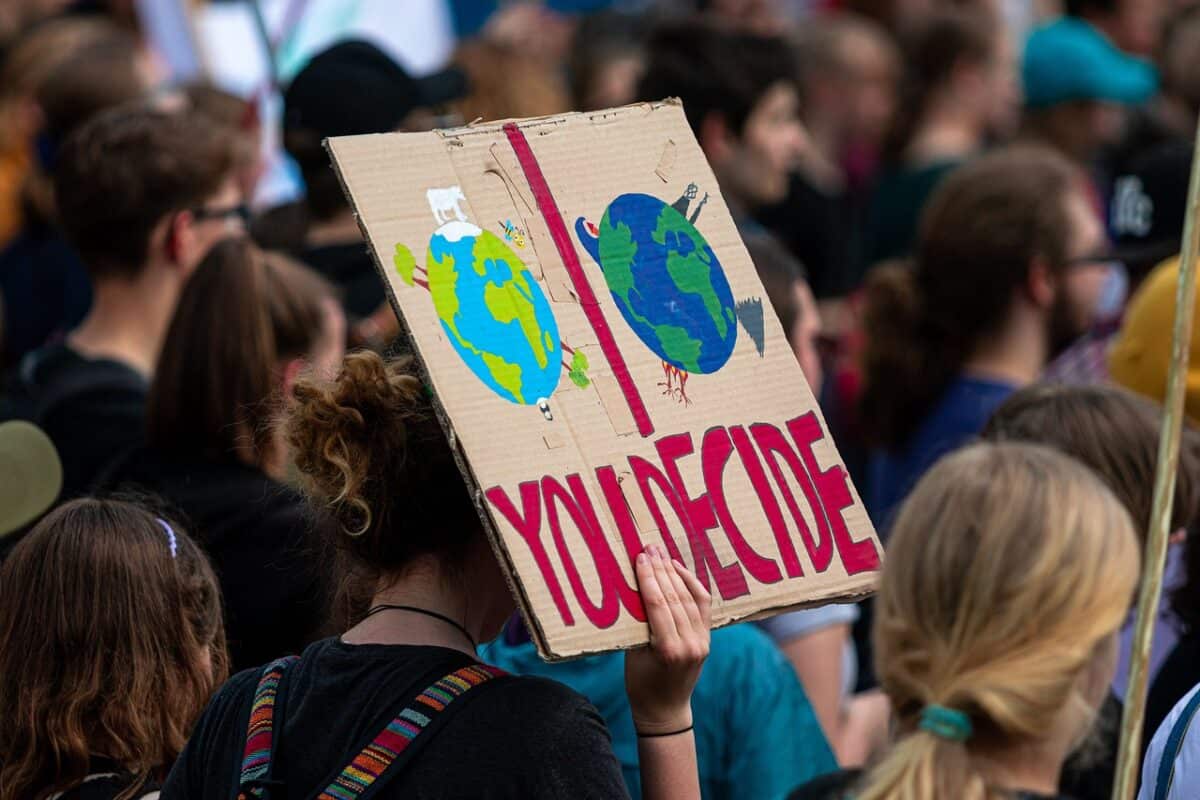
Rather than dismissing concerns on either side, open discussion about extreme weather helps foster better understanding. Examining data critically, avoiding alarmism, and staying informed through credible sources are key to navigating this important issue.
Conclusion

The question of whether climate scientists exaggerate extreme weather is complex. While models and forecasts involve uncertainty, the overall trend points to a changing climate with increasing risks. Understanding the science, acknowledging limitations, and engaging in thoughtful discussions can help separate fact from speculation.
What are your thoughts? Should we really correlate the extreme weather to climate change? Or are we just overreacting?

- 8 Incredible Natural Wonders You Can Find in U.S. National Parks - July 21, 2026
- The Perfect Pet for Each Zodiac Sign - July 7, 2026
- The Wild Animal That Embodies Your Zodiac Sign’s Spirit - July 6, 2026