
In the grand tapestry of life on Earth, the threads of countless species have been woven, only to be lost to the passage of time. Over the last century, human activities have accelerated the rate of extinction, leading to the irreversible loss of diverse species. This article delves into the stories of 20 species that have vanished from our planet in the past 100 years, exploring the factors that led to their decline and extinction. Through these stories, we hope to shed light on the urgent need for conservation efforts to protect our planet’s remaining biodiversity.
Pinta Island Tortoise

The Pinta Island Tortoise, a subspecies of the Galápagos tortoise, became globally renowned, primarily through the famed Lonesome George. Found on Pinta Island in the Galápagos, this species suffered due to hunting and habitat alteration. Lonesome George, the last known individual, died in 2012, marking the extinction of his kind. Conservationists continue to study George’s DNA, seeking ways to revive the species through hybrid breeding programs.
Baiji

Once known as the “Goddess of the Yangtze,” the Baiji dolphin was a freshwater species that inhabited China’s Yangtze River. Industrialization, overfishing, and river traffic led to its demise. In 2006, a survey of the river declared the species functionally extinct. The loss of the Baiji is a stark reminder of the impact of human activity on aquatic environments and the urgent need for sustainable water management practices.
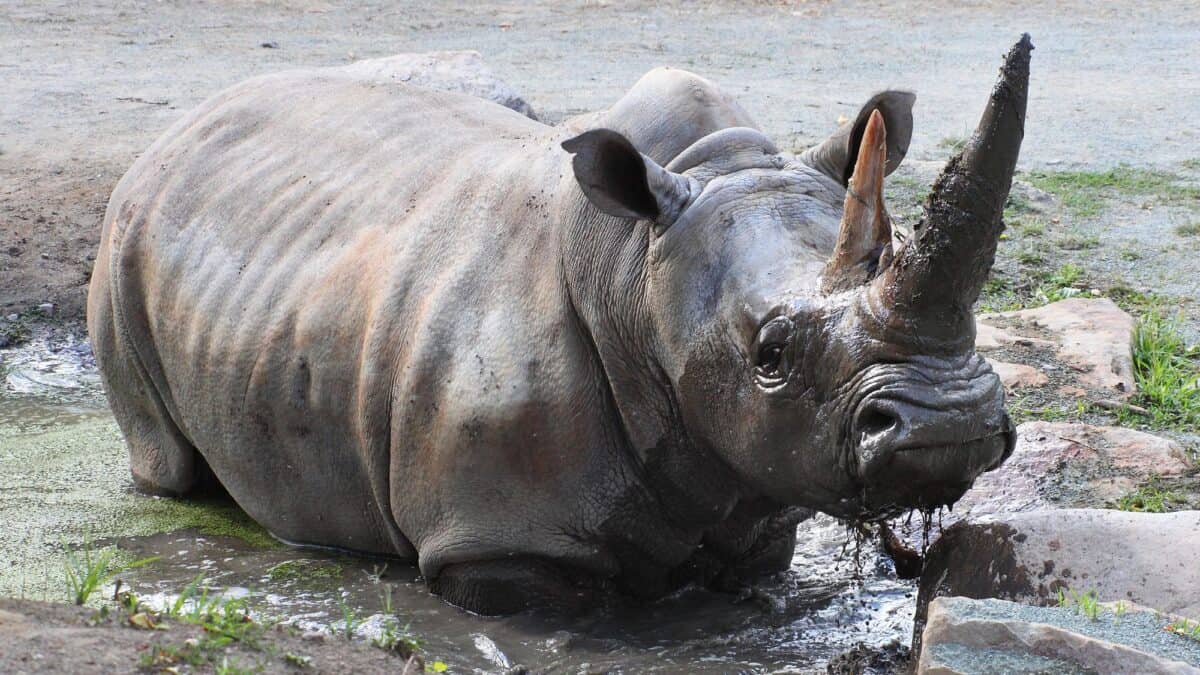
Western Black Rhinoceros

The Western Black Rhinoceros, a subspecies of the black rhino, roamed the savannas and forested regions of central-west Africa. Rampant poaching for rhino horns, used in traditional medicine and as status symbols, led to their extinction. In 2011, the International Union for Conservation of Nature (IUCN) declared the subspecies extinct, underlining the critical importance of anti-poaching initiatives to protect remaining rhino populations.
Christmas Island Pipistrelle

This small bat species was endemic to Christmas Island in Australia. Rapid environmental changes, likely related to invasive species and habitat destruction, contributed to its decline. Despite concerted efforts, the last sighting occurred in 2009. The extinction of the Christmas Island Pipistrelle highlights the vulnerability of island species to ecological disturbances.
Spix’s Macaw

Known for its striking blue plumage, Spix’s Macaw was native to Brazil. Extensive deforestation and the illegal pet trade drove it to extinction in the wild, with the last confirmed sighting in 2000. However, hopes for the species hold strong, as captive breeding programs continue to reintroduce these birds into protected areas.
Poʻouli
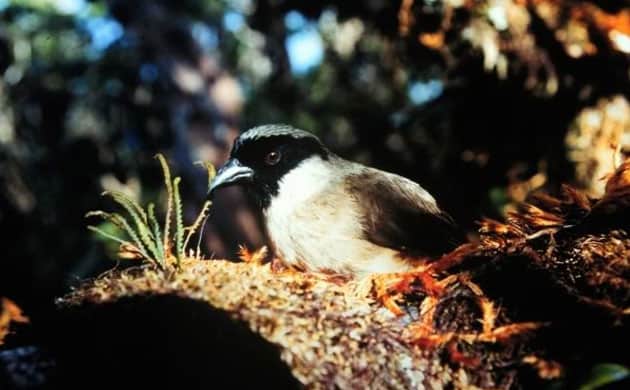
The Poʻouli, or Black-faced Honeycreeper, was native to the Hawaiian island of Maui. Habitat loss, introduced predators, and diseases decimated the population. Despite last-ditch conservation efforts, the species was declared extinct in 2004. The plight of the Poʻouli underscores the delicate balance of island ecosystems and the catastrophic impact of invasive species.
Pirate Perch

Endemic to particular freshwater systems in North America, the Pirate Perch faced habitat degradation from pollution and water diversion. Last recorded in the early 21st century, this small fish’s extinction signals the broader decline of freshwater biodiversity due to anthropogenic pressures.
Pinta Island Tortoise
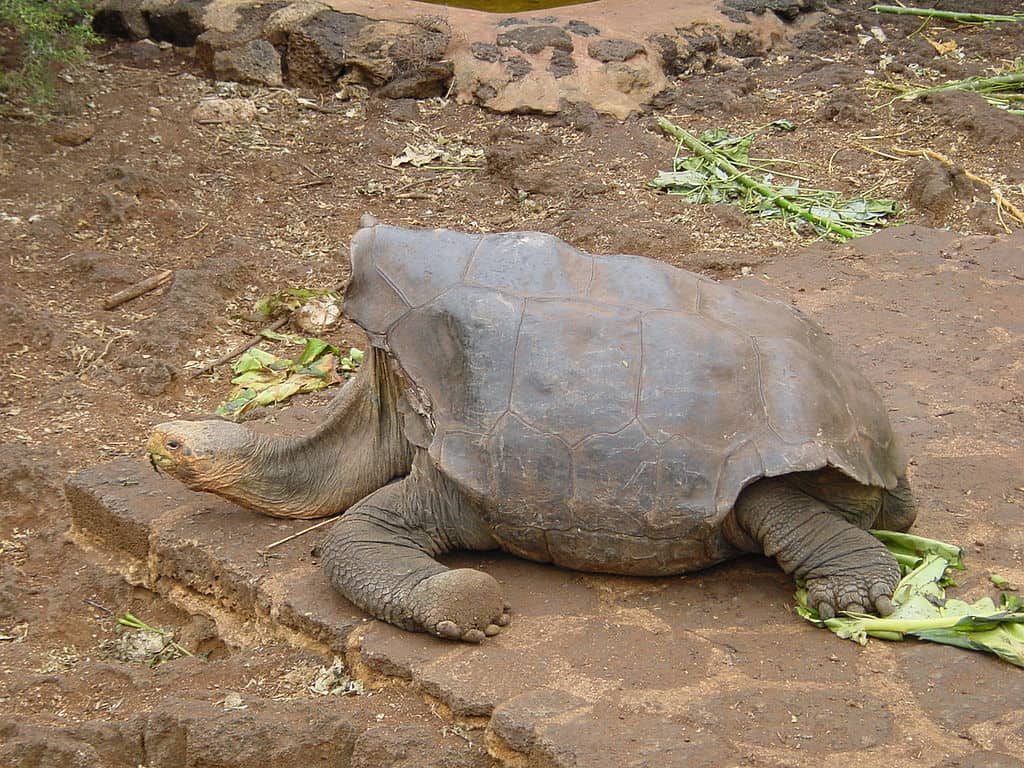
On the Galápagos archipelago, the Pinta Island Tortoise, known due to Lonesome George, a lone survivor for years, fell victim to human exploitation and invasive species. Initiatives focusing on habitat restoration aim to support other Galápagos tortoise species from a similar fate.
South China Tiger

Once roaming widely across southern China, the South China Tiger succumbed to habitat loss and hunting, driven by economic development that eroded its natural habitats. Listed as critically endangered, it hasn’t been sighted in the wild for decades, and survival efforts hinge on captive breeding.
Javan Tiger
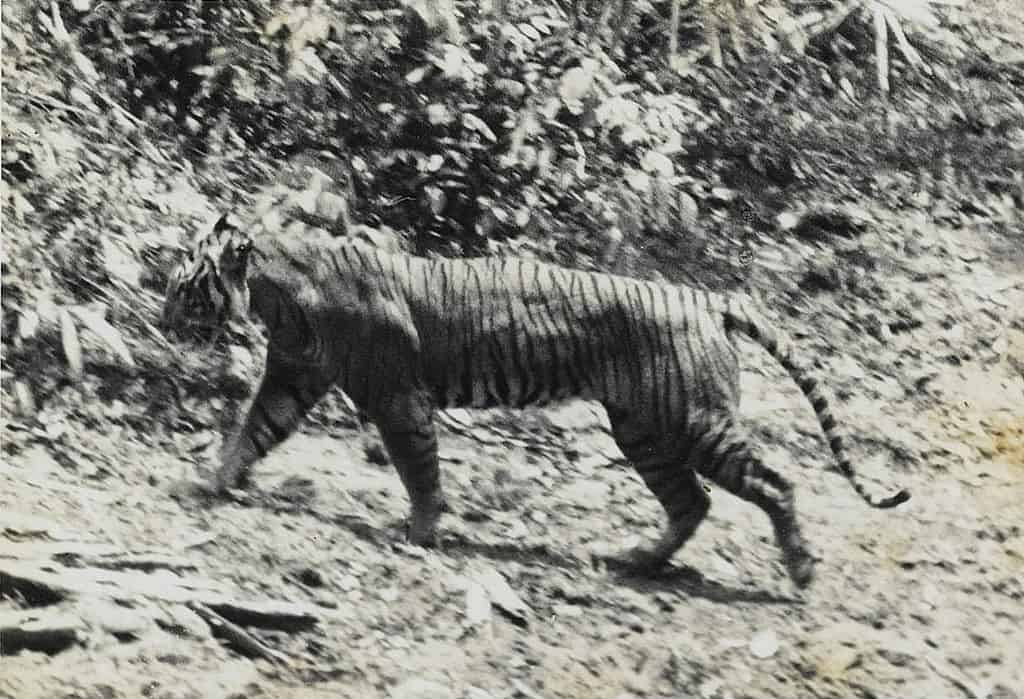
The Javan Tiger, which once prowled Java’s forests in Indonesia, fell extinct in the 1970s due to agricultural expansion and conflict with humans. Its disappearance represents a larger pattern of tiger subspecies being ushered into extinction, accentuating the need for preserving natural habitats.
Golden Toad
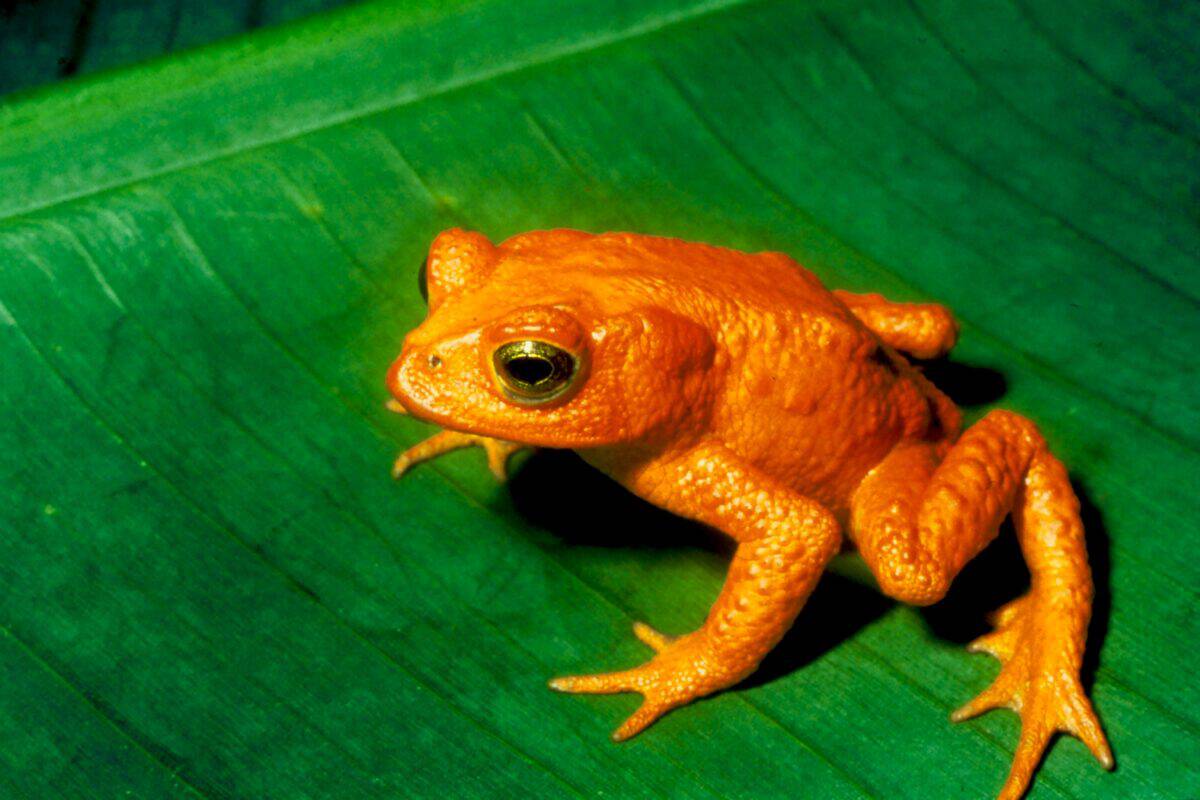
Costa Rica’s Golden Toad was discovered in the mid-20th century but lost to unknown causes by the late 1980s. Climate change, disease, and habitat disturbances are suspected culprits. This enigmatic creature’s disappearance alarmed conservationists to the subtle peril faced by amphibians globally.
Great Auk
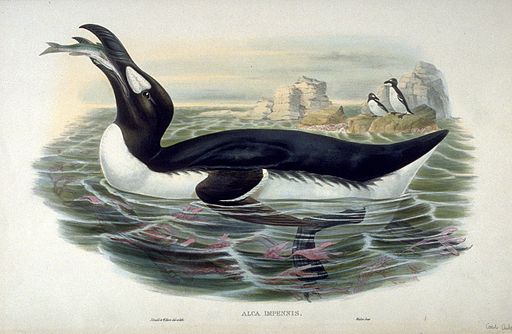
The flightless Great Auk, once abundant along the North Atlantic, fell prey to intense hunting in the 19th century for its feathers, meat, and oil. Its plight is a historical lesson and catalyst for early conservation efforts, informing today’s wildlife protection policies.
Caspian Tiger
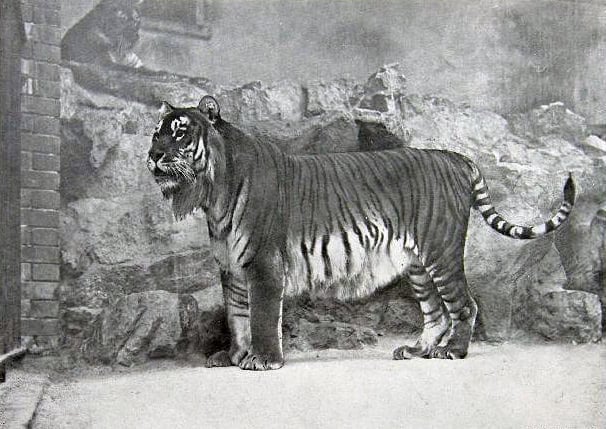
The Caspian Tiger roamed vast areas from Turkey to Central Asia but was declared extinct in the 20th century due to hunting and habitat clearance for agriculture. Current initiatives aim to preserve the remaining tiger subspecies, inspired by the Caspian Tiger’s untimely end.
Ivory-billed Woodpecker

Widely considered extinct since mid-20th century, the Ivory-billed Woodpecker, native to North America’s southeastern forests, symbolized the devastating effects of logging and habitat loss. Conservation of old-growth forests is crucial in preventing similar disappearances.
Conclusion

The extinction stories of these 20 species reveal a somber truth: human actions largely determine the fate of many of the planet’s inhabitants. Each extinct species serves as a cautionary tale and a call to action for conservation. It reminds us that proactive efforts are essential to preserving the delicate ecological balance and ensuring that future generations inherit a world teeming with biodiversity. By acknowledging past mistakes and working collectively, we can prevent further extinction and protect the natural world that sustains us all.

- 14 Tender Signs an Old Dog Is Grateful for Every Day It Spends With You - July 22, 2026
- 14 Signs the Shy Dog at the Shelter Was Only Ever Waiting for You - July 22, 2026
- 14 Signs Your Dog Picked You the Very Day You Two Met - July 22, 2026