

Climate change is reshaping ecosystems worldwide, threatening countless species. Among these, birds—a crucial component of biodiversity—are particularly vulnerable. From shifting habitats to altered food supplies, the consequences of climate change are dire for many avian species in the United States. This article explores twenty endangered birds in the U.S., highlighting the challenges they face and the urgent need for conservation efforts.
The Magnificent California Condor

The California Condor, North America’s largest land bird, teeters on the brink of extinction. Historically soaring across the western skies, climate change exacerbates lead poisoning risks and food scarcity. Conservation efforts have seen some success in increasing their numbers, but their survival depends on continued intervention.
The Elegant Roseate Tern

Found along the northeastern coastline, the Roseate Tern is endangered due to rising sea levels and increasing storm frequency. These changes destroy their nesting habitats, making it harder for terns to reproduce successfully. Protecting coastal habitats is crucial to their survival.
The Charming Red-cockaded Woodpecker

Inhabiting the southeastern pine forests, the Red-cockaded Woodpecker faces habitat loss as climate change intensifies wildfires and storms. These birds rely on mature pine ecosystems, which are dwindling. Restoration projects focusing on these habitats are essential for their preservation.
The Iconic Whooping Crane

Whooping Cranes are known for their grace and striking appearance; however, they are endangered by climate-induced habitat alterations in their migration and breeding sites. Conservationists work tirelessly to support population growth through protective programs and habitat restoration.
The Enigmatic Ivory-billed Woodpecker

Once thought extinct, the elusive Ivory-billed Woodpecker is potentially surviving in isolated areas. Climate change further threatens their already limited habitats, emphasizing the need for extensive research and habitat protection to confirm their existence and ensure their survival.
The Striking Piping Plover
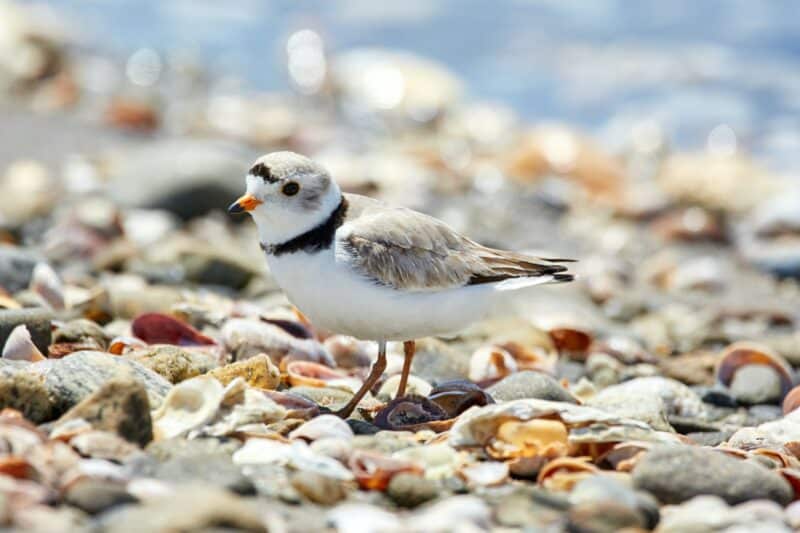
Piping Plovers face a precarious future due to habitat disruption from rising sea levels and increased hurricanes. These factors reduce nesting sites and food availability along the Atlantic and Gulf coasts, necessitating targeted conservation efforts to mitigate these impacts.
The Vibrant Kirtland’s Warbler
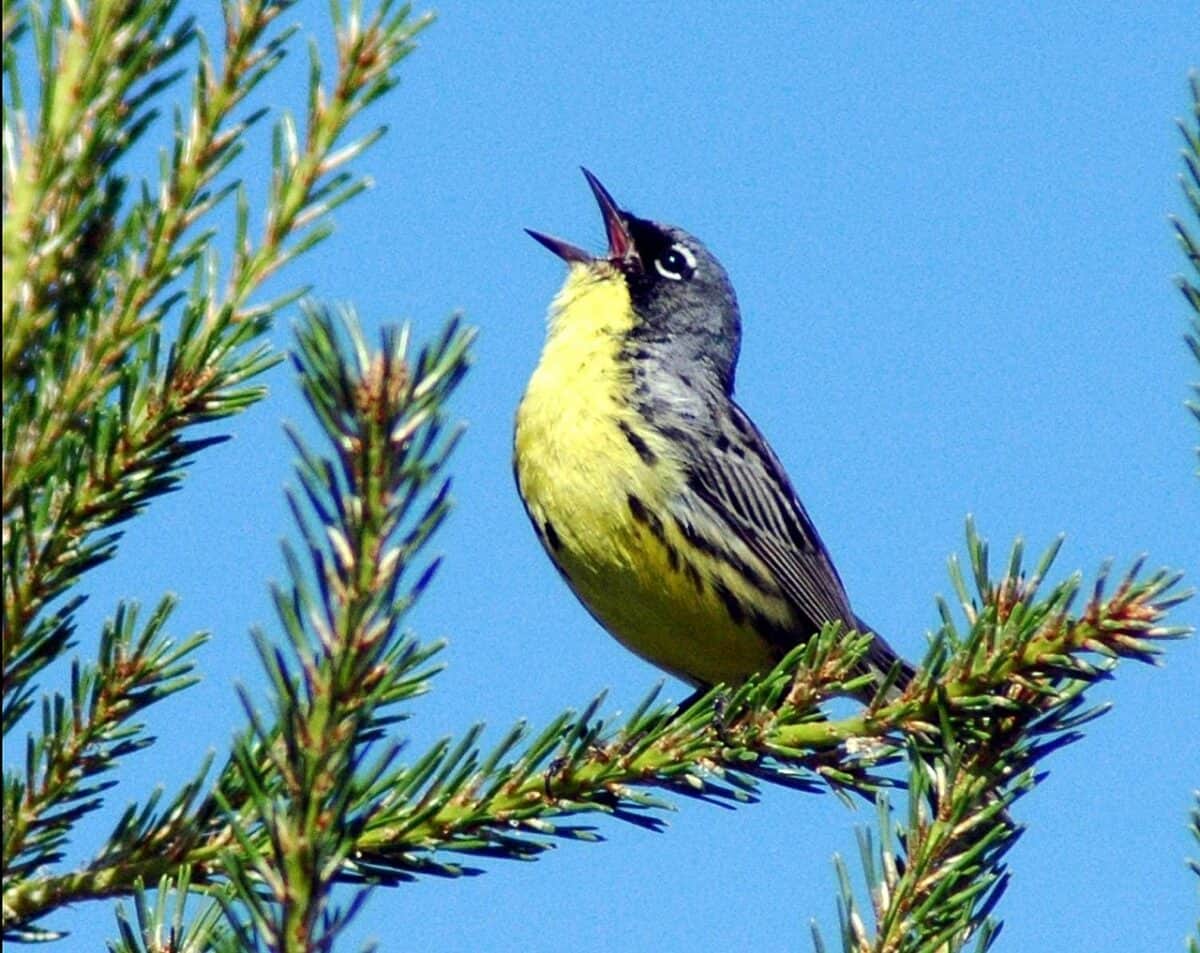
Restricted to Michigan’s jack pine forests, Kirtland’s Warbler is under threat from climate change-induced habitat shifts. Fire suppression and changing forest dynamics hinder suitable breeding conditions, prompting conservationists to employ managed burns and habitat management.
The Majestic Spotted Owl

Living in old-growth forests, Spotted Owls face pressures from both habitat destruction and climate change. Rising temperatures threaten their food sources and nesting environments. Efforts focus on protecting these critical habitats from logging and land development.
The Elusive Gunnison Sage-Grouse

Residing in the sagebrush landscapes of Colorado, the Gunnison Sage-Grouse is endangered due to habitat fragmentation and changing environmental conditions. These impact their lekking grounds and food accessibility, necessitating robust protection and restoration measures.
The Unique Marbled Murrelet

The Marbled Murrelet is a small seabird that nests in coastal old-growth forests. Climate change threatens these forests with increased fire risks and altered ocean ecosystems, affecting food supply. Conservation focuses on safeguarding nesting habitats and addressing marine environment changes.
The Stunning Hawaiian Goose (Nēnē)
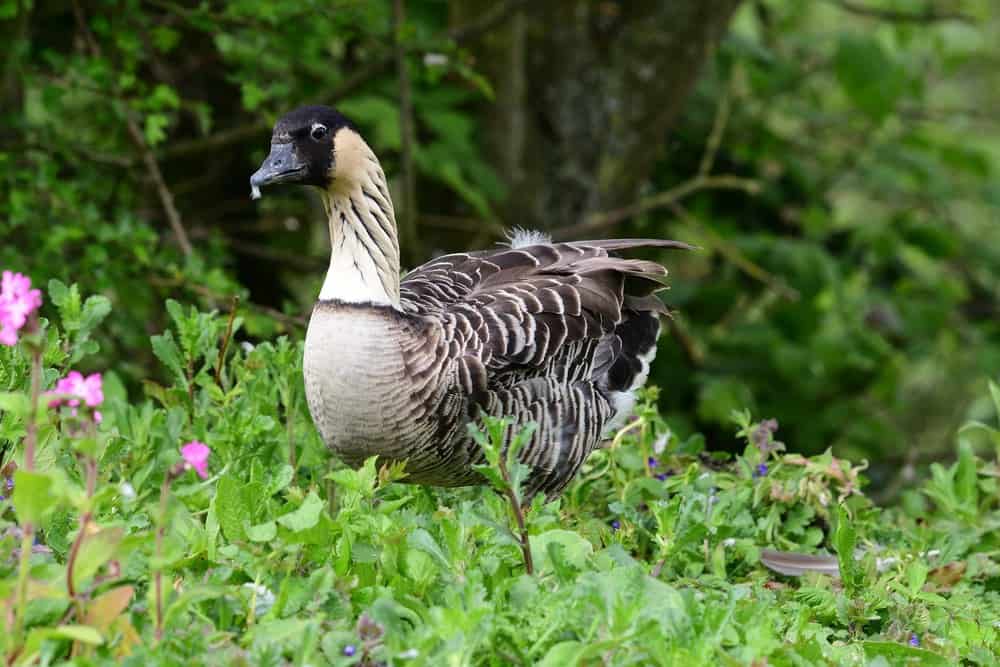
As Hawaii’s state bird, the Nēnē faces challenges from climate change through habitat alteration and sea-level rise. Conservationists are engaged in habitat restoration and predator management to support their population stability on the islands.
The Spectacular Reddish Egret
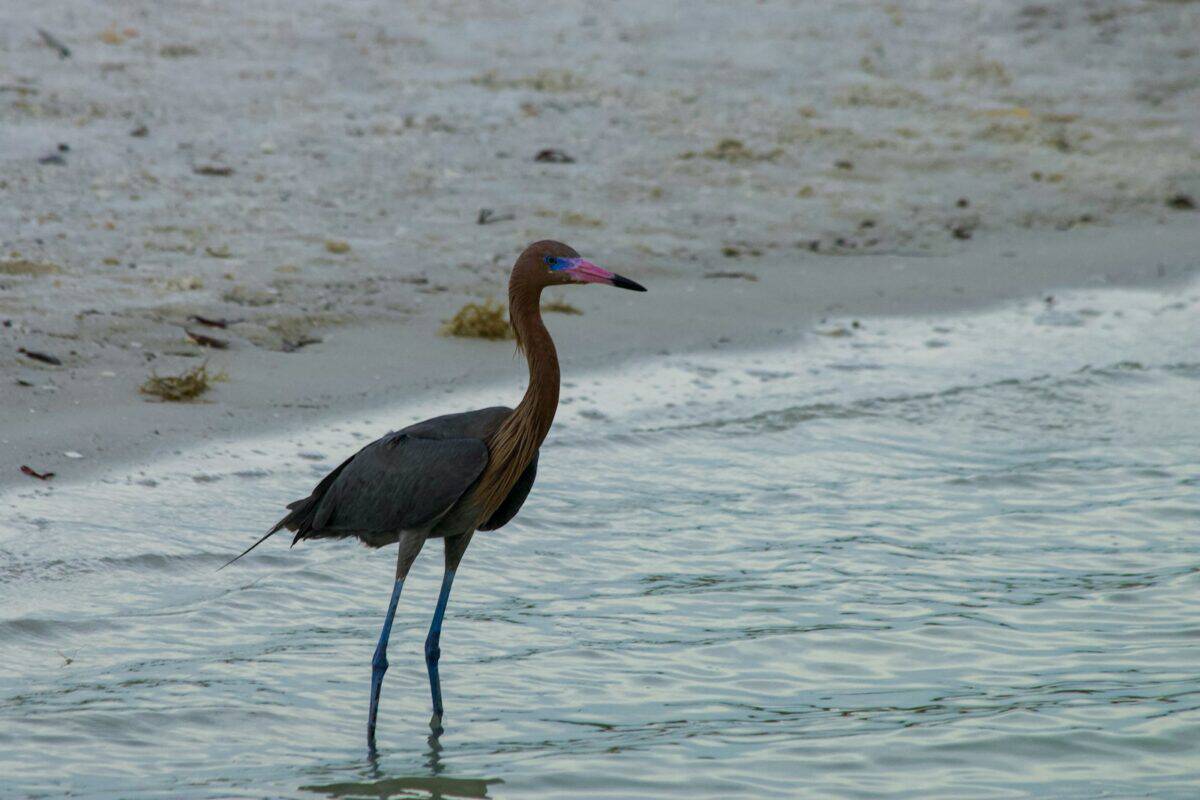
Climate change impacts the Reddish Egret by altering their shallow water feeding grounds. Found in the coastal regions of the Gulf of Mexico, they suffer from habitat loss due to sea-level rise and coastal development, making protection of these areas vital.
The Beautiful Golden-cheeked Warbler

Confined to central Texas, the Golden-cheeked Warbler requires juniper-oak woodlands to breed. Habitat fragmentation and changing climates threaten their survival, urging conservation programs focusing on habitat preservation and restoration.
The Brilliant Puerto Rican Parrot
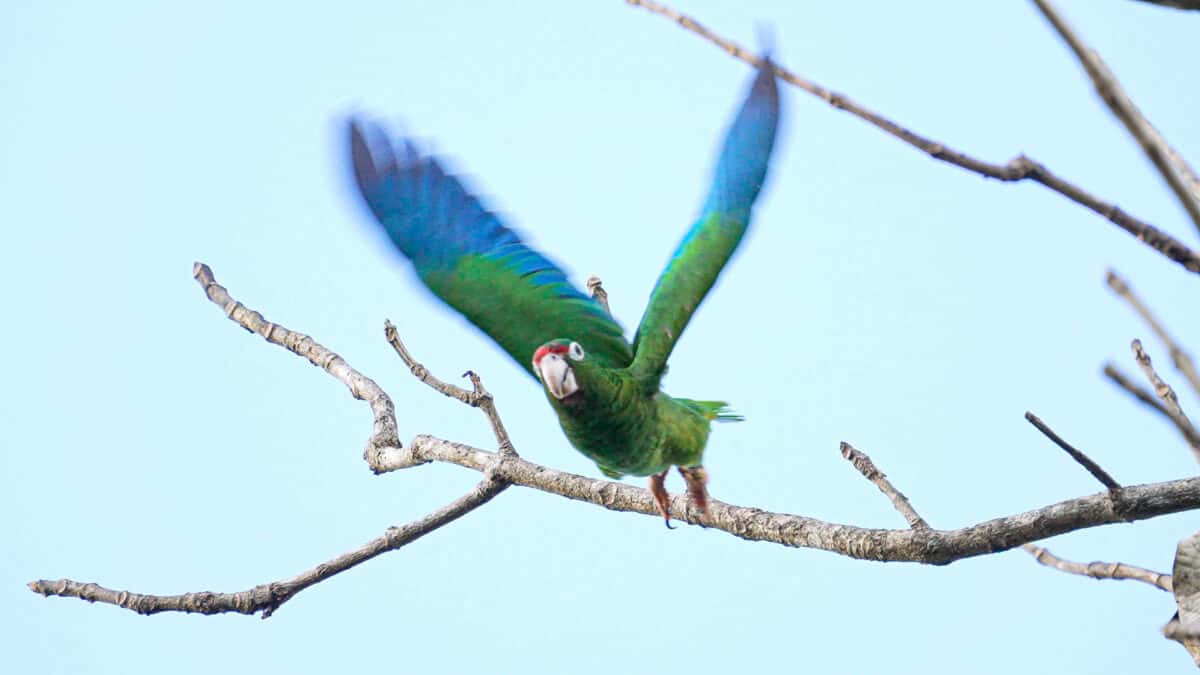
One of the most endangered bird species in the world, the Puerto Rican Parrot is vulnerable to hurricanes and habitat loss driven by climate change. Concerted recovery efforts are in place, involving captive breeding and reintroduction to ensure their survival.
The Rare Least Tern

Facing threats from coastal development and climate-induced habitat loss, the Least Tern struggles to find safe breeding grounds. Conservation initiatives focus on habitat protection and public awareness to safeguard this diminutive bird species.
The Unique Mountain Plover
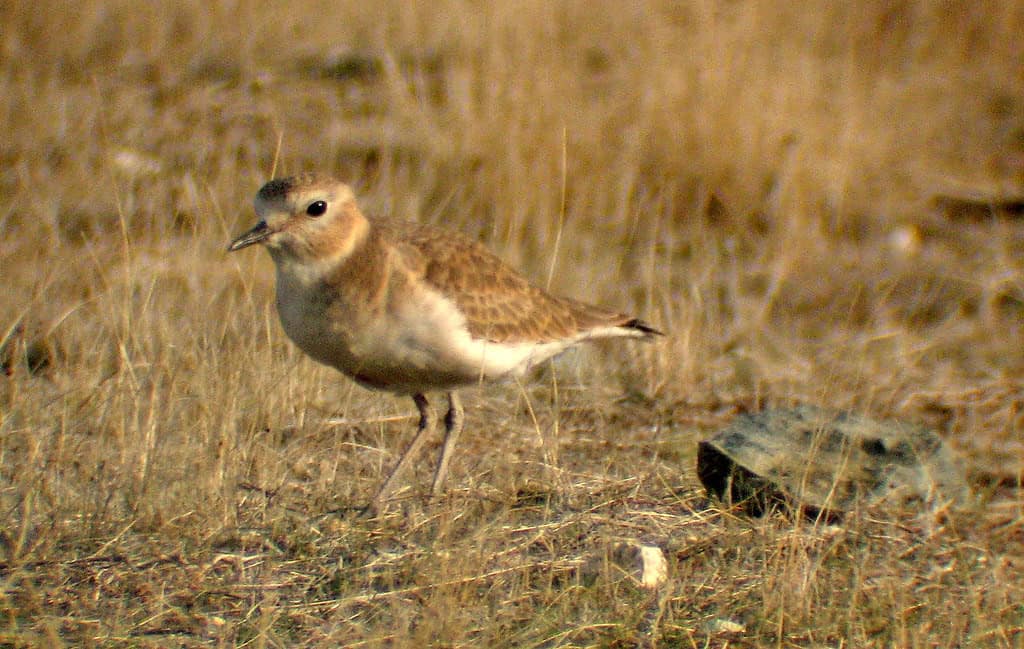
Inhabiting the arid basins and grasslands of the western U.S., the Mountain Plover faces threats from agricultural expansion and climate change. These stressors impact breeding success, necessitating targeted conservation strategies.
The Graceful Yellow-billed Cuckoo

Known for their distinctive calls, Yellow-billed Cuckoos are declining due to habitat alteration and climate variability. Conservation focuses on securing riparian habitats crucial for breeding and foraging.
The Elegant Black Skimmer
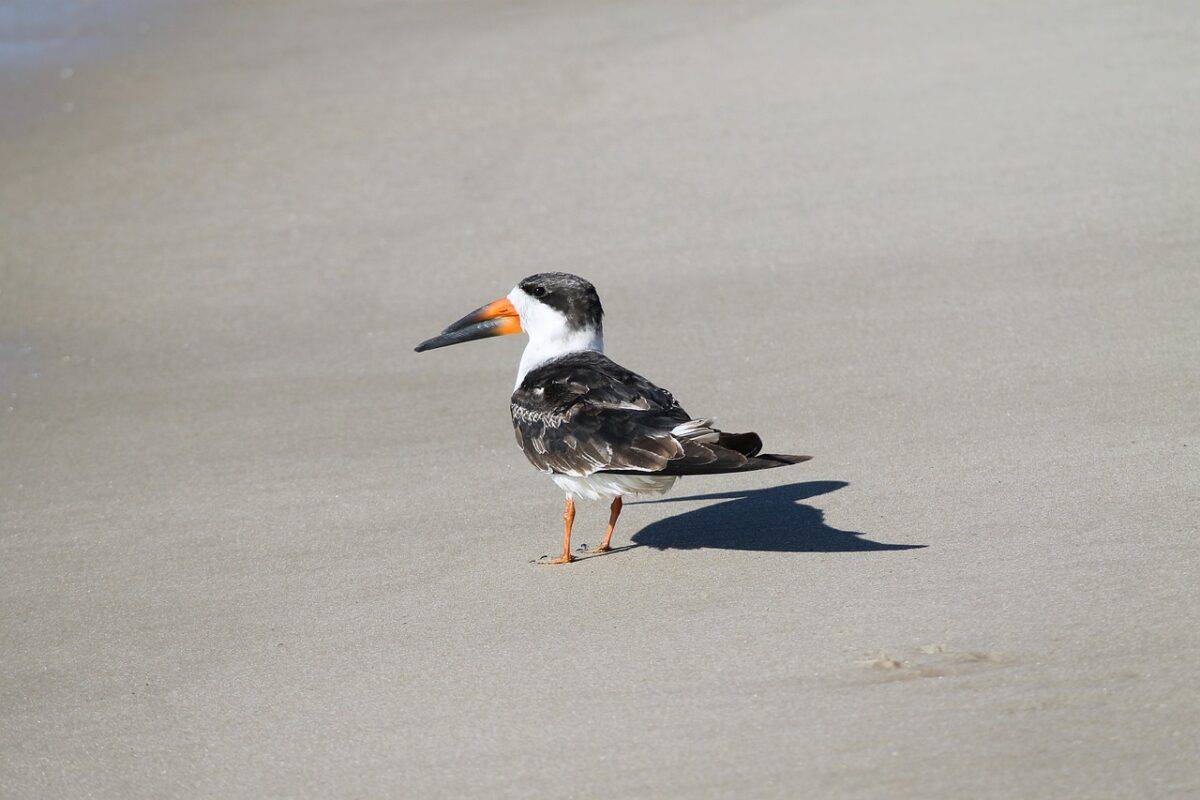
The Black Skimmer, recognizable by their unique feeding technique, encounters threats from rising sea levels and human encroachment on beaches, where they nest. Protecting these coastal areas is crucial for their breeding success.
The Splendid Cerulean Warbler

The Cerulean Warbler, admired for its striking blue plumage, faces a vulnerable future due to habitat loss driven by climate change. Deforestation and altered migratory routes compound these challenges, highlighting the need for habitat connectivity and protection.
The Intriguing Florida Grasshopper Sparrow
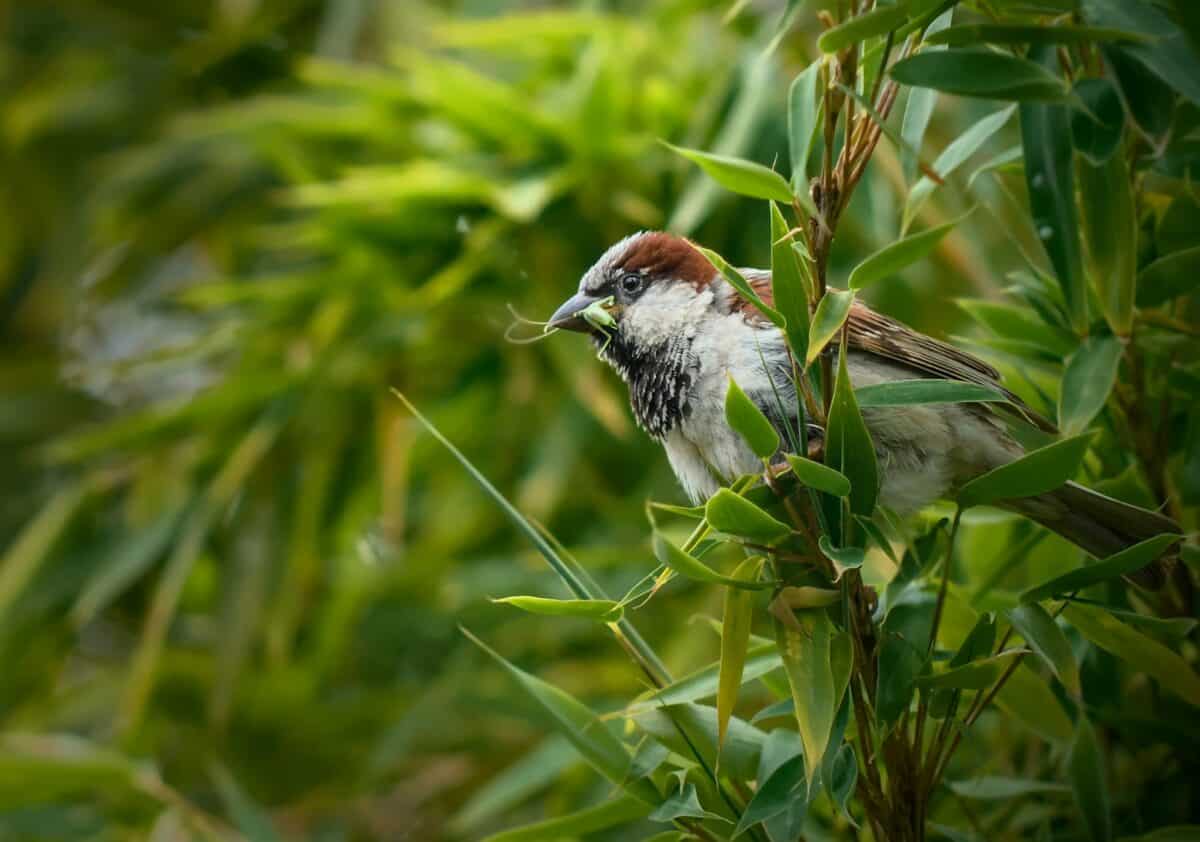
This critically endangered sparrow inhabits Florida’s dry prairie ecosystems, which are increasingly threatened by development and climate change. Conservationists focus on habitat restoration and captive breeding to ensure the continuation of this unique species.
In summary, the impact of climate change on bird species in the U.S. is a pressing issue that requires our immediate attention. These birds are not only beautiful and integral to their ecosystems, but they also serve as vital indicators of environmental health. By prioritizing conservation efforts, we can help secure a future for these remarkable birds and preserve the rich biodiversity that defines our planet. Each individual action counts, emphasizing the collective power we have to protect these feathered jewels of our skies.

- 10 Guardian Dog Breeds That Deter Mountain Lions in Colorado - July 23, 2026
- 10 Incredible Animal Migrations That Defy Explanation - July 23, 2026
- 10 Surprising Reasons Why Your Dog Suddenly Barks At Nothing - July 23, 2026
Leave a comment
You must be logged in to post a comment.