


New Zealand is renowned for its breathtaking landscapes and diverse ecosystems. However, among its natural wonders, there’s one element that often captures attention: the wind. To many, New Zealand’s winds are notorious for their intensity and unpredictability. But what makes these winds so wild, and how do they affect both the land and its people? Let’s embark on a journey to understand the winds of New Zealand, their origins, characteristics, and impacts.
Understanding New Zealand’s Unique Geography

Situated in the southwest Pacific Ocean, New Zealand consists of two main islands with mountainous regions that play a pivotal role in wind patterns. The Southern Alps on the South Island create a significant barrier, influencing how wind traverses the land. This geographic setup contributes to regional variations in wind patterns across the country.
The Roaring Forties: A Key Influence

The Roaring Forties are strong westerly winds found in the Southern Hemisphere, especially prevalent between latitudes 40° and 50°. They impact New Zealand significantly, bringing fierce winds that are known for their speed and power, especially impacting the country’s southern regions.
Prevailing Winds and Their Patterns
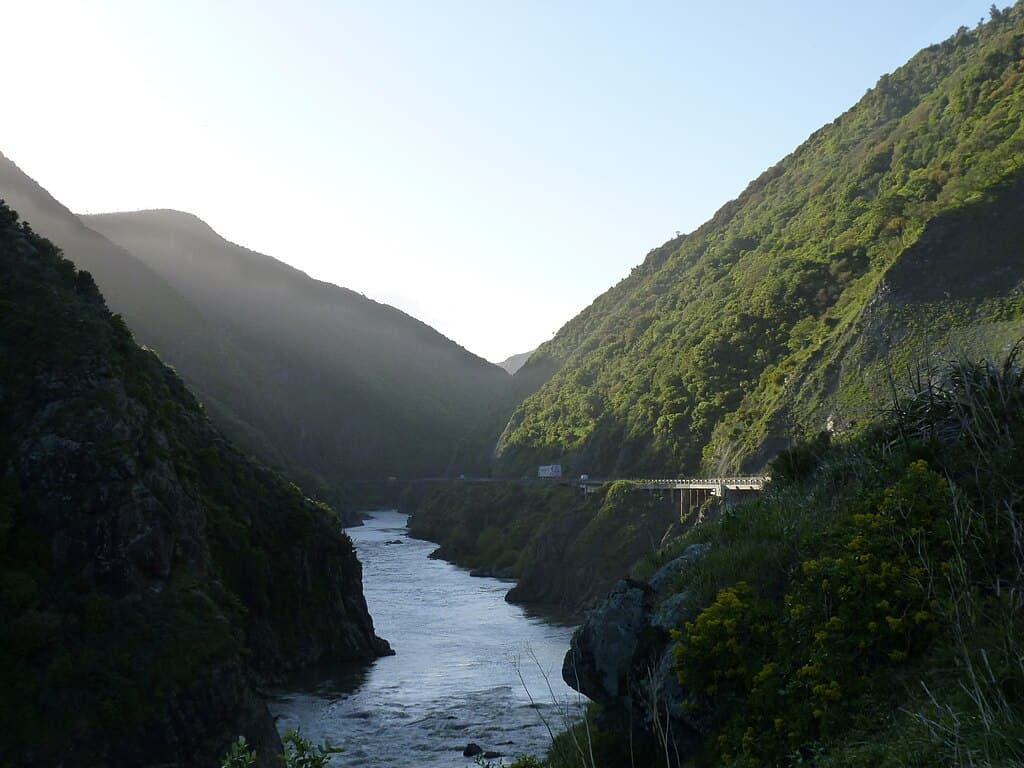
The prevailing wind patterns in New Zealand are predominantly westerly. Westerly winds are frequent due to the general movement of weather systems across the Tasman Sea towards New Zealand, leading to persistent and powerful gusts in many areas.
Impact of Wind on Climate
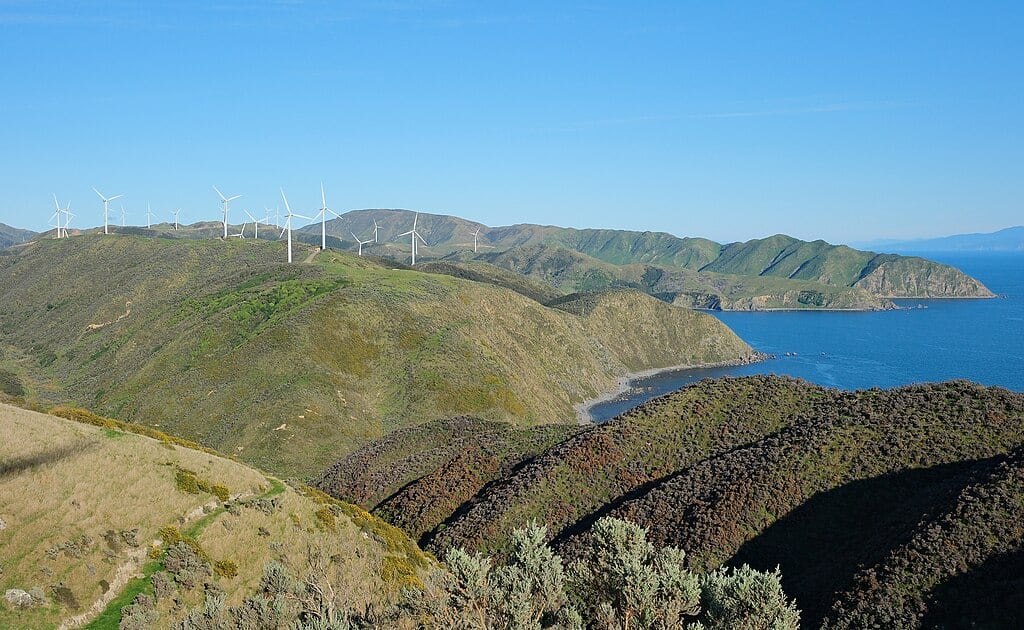
Wind plays a crucial role in shaping New Zealand’s climate by distributing rainfall and temperature across the islands. Regions exposed to westerly winds, like the west coast of the South Island, receive high annual rainfall, whereas leeward areas, protected by mountains, can be drier.
Wind and Its Ecological Role

In New Zealand, wind is a critical ecological player. It influences plant dispersal, contributes to soil erosion, and shapes plant communities. Native flora and fauna have adapted to withstand the challenges posed by these strong conditions, showcasing the resilience of New Zealand’s ecosystems.
The Challenges for Aviators

New Zealand’s winds make flying a challenging endeavor for aviators. Unpredictable gusts and rapidly changing weather conditions require pilots to be particularly vigilant. Airports across the country often experience wind-related disruptions, necessitating advanced navigation skills.
Construction and Architecture

Building in New Zealand isn’t just about withstanding earthquakes; wind resilience is equally important. Structures, especially in wind-prone areas, are designed to endure powerful gusts, with considerations made for aerodynamics and wind resistance, ensuring safety and stability.
The Turbine Revolution
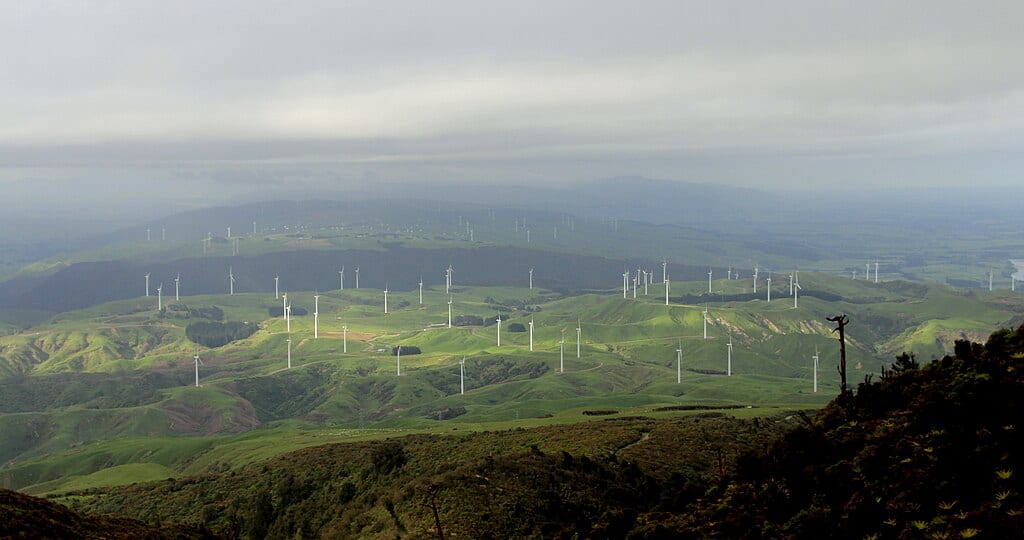
Harnessing wind for energy has become an important sustainability endeavor in New Zealand. Wind farms are strategically positioned to take advantage of the consistent westerly winds, contributing to the nation’s push towards renewable energy and reducing reliance on fossil fuels.
Recreational Activities and Wind

New Zealand’s wild winds are not merely an obstacle but an asset for outdoor enthusiasts. Kite surfing, sailing, and paragliding are popular in regions with strong winds, offering thrilling experiences for adventure seekers drawn to the unpredictable forces of nature.
Cultural Perspectives on Wind

For the indigenous Māori, the winds are more than a meteorological phenomenon; they hold spiritual significance. Wind patterns have traditionally guided navigation and influenced legend and lore, playing a fundamental role in Māori culture and history.
Weather Forecasting and Technology

Advanced meteorological technology aids in predicting wind patterns, helping residents and industries prepare for potentially hazardous conditions. The New Zealand MetService delivers accurate forecasts, crucial for agriculture, aviation, and everyday life.
Living with New Zealand’s Winds

For New Zealanders, coping with the country’s winds is a part of daily life. Strategies for managing and adapting to windy conditions are ingrained in everyday practices, whether in planning outdoor activities or considering wind impacts in urban design.
Conclusion: The Mighty Winds of Aotearoa

New Zealand’s winds are indeed wild, shaped by the unique interaction of geographic and climatic factors. While they pose challenges, they also offer opportunities and have deeply influenced New Zealand’s culture, environment, and development. Understanding these winds allows us to appreciate the dynamic landscape of Aotearoa, a land influenced by the powerful breath of nature.

From exploring the marine wonders in the Azores and witnessing the vast savannas of Kenya, to delving deep into the rich biodiversity of South Africa and traversing iconic landscapes in Australia and the US like Yellowstone, Chris's experiences are vast.
With a penchant for diving alongside sharks, the ocean holds a special place in his heart.
Through his academic insights, he champions wildlife conservation, striving with 'Animals Around The Globe' to cultivate a profound connection between humans and animals, enhancing our mutual appreciation.
Connect with him at Feedback@animalsaroundtheglobe.com.
- Why Spiders Don’t Get Stuck in Their Own Webs - July 20, 2026
- What Scientists Found in a 10,000-Year-Old Beehive - July 20, 2026
- This Spider Builds Fake Decoys of Itself - July 20, 2026