


The majestic and fearsome great white shark has long held a fascination in popular culture and among marine enthusiasts. Their reputation as apex predators and the mystery surrounding their lives captivate the public imagination. Despite this allure, you will not find a great white shark in any New York aquarium. This article delves into the compelling reasons behind this absence, exploring the biology, behavior, and ethics involved in deciding great white sharks’ place in captivity.
The Elusive Nature of Great White Sharks

Great white sharks are notorious for their migratory patterns, often traveling vast distances across oceans. This inherent quality makes them particularly elusive and challenging to keep in a confined space like an aquarium. They are also known for their preference for open waters and their need to swim long distances to maintain healthy physiological functions.
Size and Space Requirements

One of the most obvious challenges in housing a great white shark is their size. Great white sharks can grow to be over 20 feet in length and require massive tanks that mimic their open-ocean habitat. This would involve creating an enclosure that boasts immense space both horizontally and vertically, coupled with adequate depth, making it an impractical and costly endeavor for most aquariums.
Complex Dietary Needs

The diet of a great white shark in the wild consists of seals, sea lions, and carrion, providing them with the high-fat content needed for energy in their extensive travels. Ensuring a nutritionally adequate and ethically sourced diet poses a significant challenge within an artificial environment. The logistics and ethics of replicating their natural diet in captivity are indeed prohibitive.
Stress and Behavioral Issues

Great whites are known to be solitary creatures, and the stress of captivity can exacerbate their aggressive tendencies. The stress of confinement often leads to health problems and unusual behavior, such as refusing food, continuous circling, or self-harm by repeatedly hitting against the tank walls—behavior not typically seen in their natural habitat.
High Mortality Rates in Captivity

Attempts in the past to house great white sharks have often resulted in high mortality rates. Several aquariums have tried, only to find that these creatures do not acclimate well to tank life. Many captive sharks survive only days or, at most, weeks once confined, leading to declining health and ultimately death.
Ethical Considerations

The decision not to house great white sharks in New York aquariums is deeply rooted in ethics. The principle of minimizing harm to animals is a core tenet of modern zoological practices. The high risk of stress and mortality makes it ethically indefensible to keep a creature that cannot thrive in captivity. Conservational efforts often focus on species that can adapt well to life in controlled environments, where educational and research objectives can be met without compromising animal welfare.
Logistical and Financial Limitations

Establishing an aquarium large enough to accommodate a great white shark’s needs would require significant financial investment. The cost extends beyond just constructing a suitable tank to include maintenance, specialized care staff, and climate control to support the species’ particularity. Such resource allocation is often not feasible for aquariums operating on limited budgets.
Conservation Focus on Wild Habitats

Modern conservation efforts prioritize preserving the natural habitats of marine life. Rather than attempting to acclimate animals like the great white shark to captivity, resources are better spent on protecting the ecosystems they naturally inhabit. Initiatives include environmental protection laws, public awareness campaigns, and direct conservation projects in the oceanic environments where these sharks thrive.
The Role of Technology in Studying Sharks

Advancements in technology allow scientists to study great white sharks in their natural habitat without necessitating captivity. Satellite tagging, for example, provides in-depth data about migration patterns, behavior, and feeding habits. This information is invaluable, not only for understanding the species but also for enhancing conservation strategies, offering a more sustainable solution than attempting captive studies.
Educational Alternatives
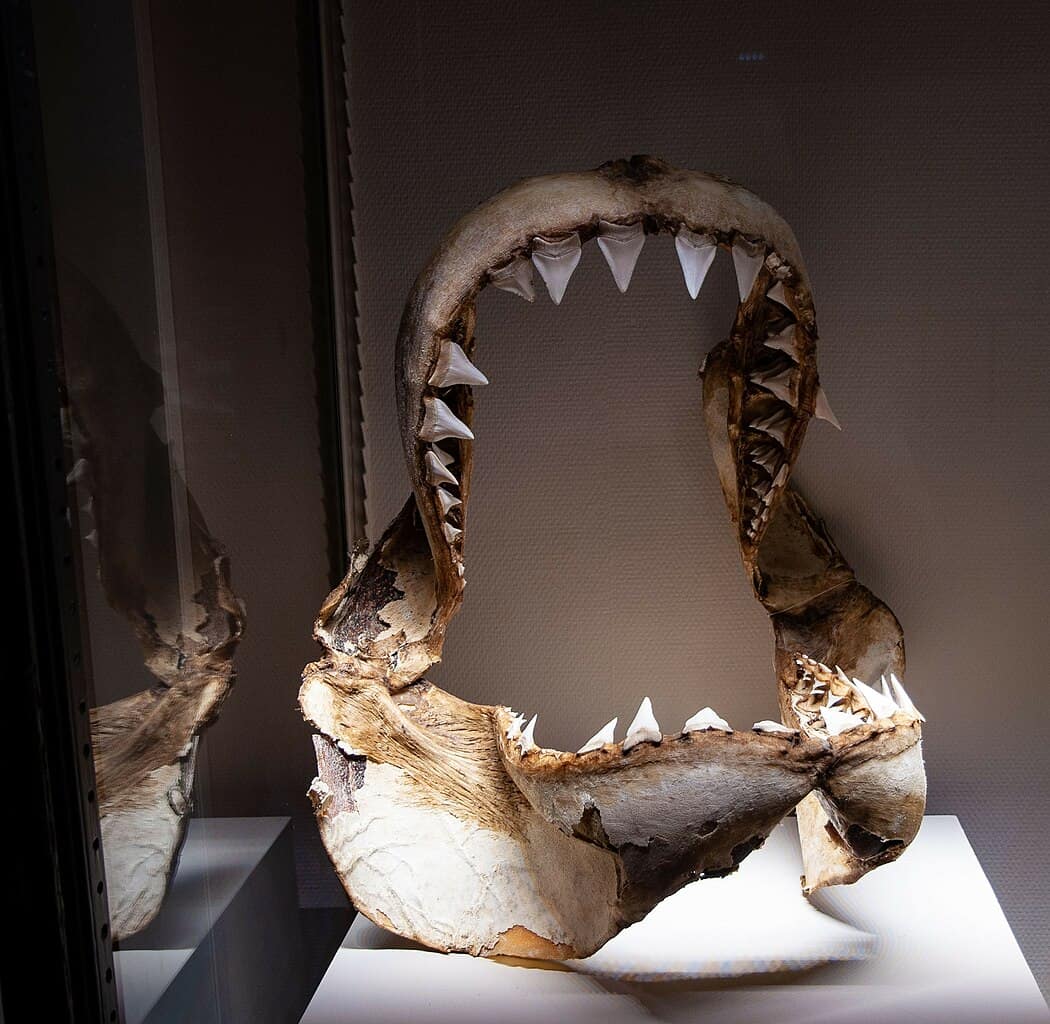
Aquariums may not house real great white sharks, but they employ other methods to educate the public about them. Interactive displays, virtual reality experiences, and multimedia presentations help bring the experience of observing these creatures to life. These tools offer a sustainable way to engage people while respecting the natural life cycles of the animals.
Impacting Public Perception

Public opinion plays a significant role in shaping the practices of aquariums and zoos. As awareness of animal welfare and conservation grows, there is a collective shift towards supporting practices that prioritize the health and happiness of wildlife. This aligns public sentiment with ethical practices that do not include confining great white sharks to tanks.
Collaborative Global Efforts

International collaboration is crucial in the global effort to understand and conserve the great white shark. Many research programs are coordinated across oceans and borders, emphasizing a united approach to studying these creatures. By using shared data and expertise, the global community is better equipped to create effective conservation policies and educational initiatives.
Conclusion

In conclusion, the reasons no aquarium in New York houses a great white shark are multifaceted, encompassing practical, ethical, and financial considerations. The towering logistical barriers paired with a commitment to animal welfare and a focus on habitat preservation make captivity an unsuitable option for these magnificent creatures. Instead, efforts are channeled into protecting their natural habitats and using technological advancements for study, ensuring that great white sharks can continue to roam the world’s oceans as nature intended.

From exploring the marine wonders in the Azores and witnessing the vast savannas of Kenya, to delving deep into the rich biodiversity of South Africa and traversing iconic landscapes in Australia and the US like Yellowstone, Chris's experiences are vast.
With a penchant for diving alongside sharks, the ocean holds a special place in his heart.
Through his academic insights, he champions wildlife conservation, striving with 'Animals Around The Globe' to cultivate a profound connection between humans and animals, enhancing our mutual appreciation.
Connect with him at Feedback@animalsaroundtheglobe.com.