

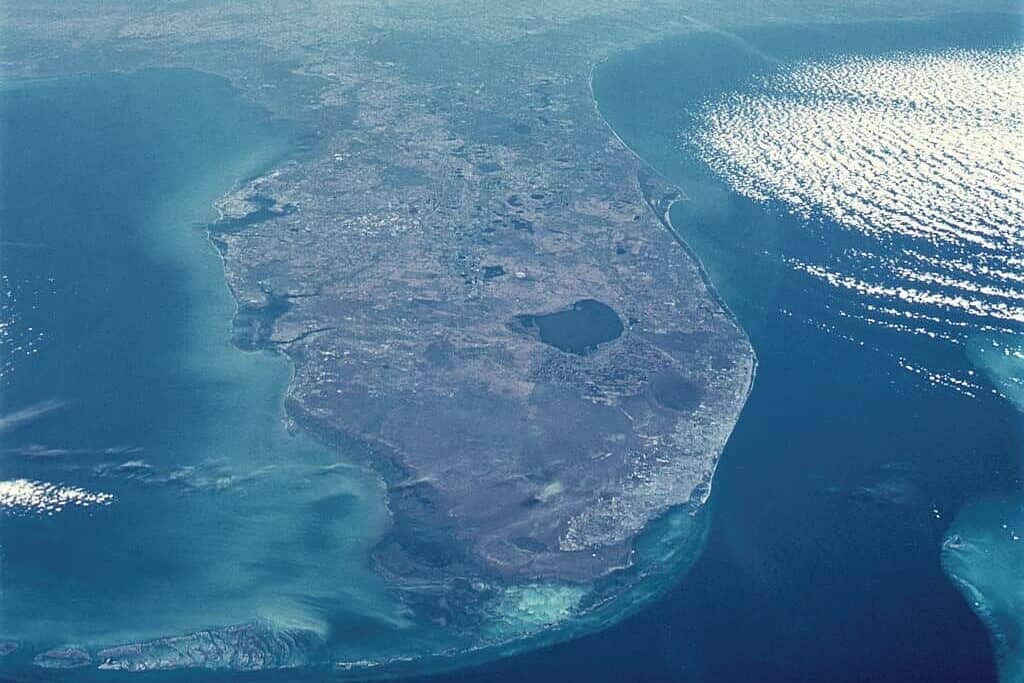
Florida’s beaches are renowned for their stunning beauty and inviting waters, but they also conceal a different, more ominous secret beneath their waves. In the depths lurk a variety of marine creatures, some as fascinating as they are frightening. This article explores these elusive sea animals, detailing their characteristics, behaviors, and the myths that accompany them. If you’re planning a trip to Florida’s sandy shores, dive into this guide to learn about the mysterious beings that call these waters home.
Shark Swarms: Kings of the Ocean

Among the most infamous marine creatures dwelling near Florida’s beaches are sharks. These apex predators, including the notorious Bull and Tiger Sharks, often incite fear in beachgoers. Bull Sharks, in particular, are known for their aggressive nature and ability to thrive in both saltwater and freshwater, sometimes venturing into rivers. Tiger Sharks, distinguished by their striped appearance, are opportunistic feeders with a preference for coastal waters. Despite their fearsome reputation, shark attacks remain extremely rare, and these creatures play a crucial role in maintaining oceanic ecosystems.
Jellyfish: Ocean’s Underwater Drifters
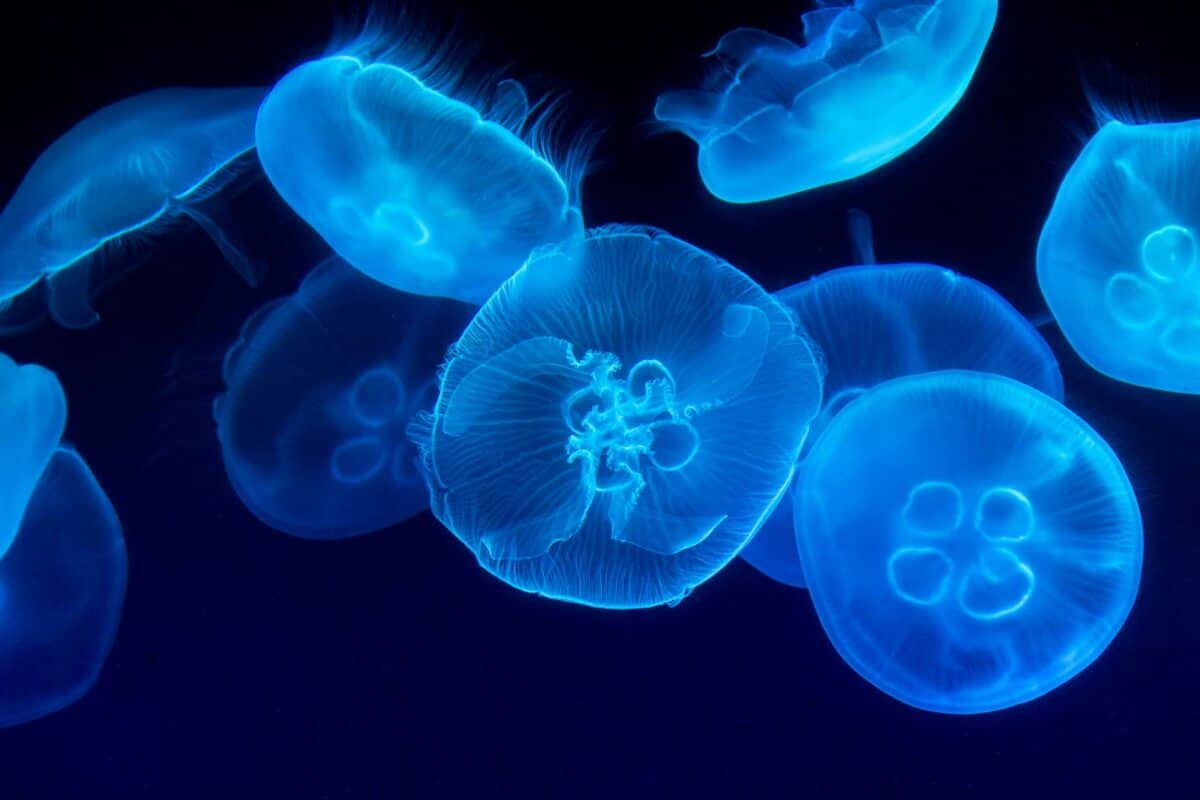
Jellyfish are delicate creatures with a deceptively threatening nature due to their painful stings. The Portuguese man o’ war, often mistaken for a jellyfish, is one of the most dangerous creatures to encounter. Its long tentacles can deliver a painful sting even after death. Florida’s warm waters are also home to sea nettles and moon jellies, both of which can cause skin irritations. While not typically life-threatening, encounters with these gelatinous creatures are certainly unpleasant.
Alluring Yet Deadly: Lionfish Invasion

The lionfish, with its striking appearance and venomous spines, is a fascinating yet perilous invader of Florida’s marine habitats. Originally from the Pacific, lionfish have spread through the Atlantic, wreaking havoc on local ecosystems. They are voracious predators, consuming many species of native fish and contributing to the decline of coral reef communities. Despite their ornate beauty, their venomous fin rays can cause extreme pain, nausea, and breathing difficulties.
Stingrays: Masters of Camouflage

Stingrays, often found hiding in the sands off Florida’s coasts, are usually elusive but can pose a threat when disturbed. Equipped with a barbed tail capable of delivering a painful sting, they often blend seamlessly with the ocean floor. While generally passive creatures, surprise encounters can result in injury. Stingray-related incidents typically occur when these creatures are accidentally stepped on by unsuspecting swimmers.
Barracudas: Ocean’s Sleek Hunters
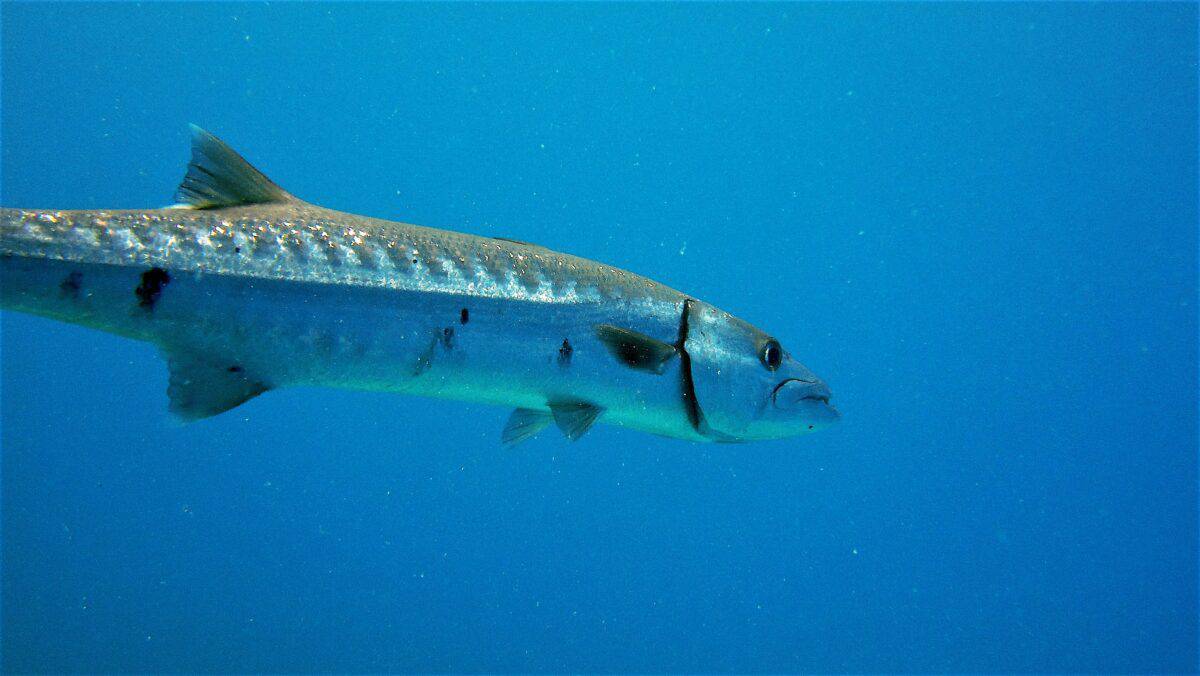
Barracudas are known for their streamlined bodies and frighteningly quick strikes, often mistaken for torpedoes in their speed and precision. While they rarely attack humans, their razor-sharp teeth and menacing appearance feed into their reputation as dangerous predators. These fish prefer coastal zones and are most likely to be spotted near coral reefs, where they actively hunt smaller fish.
Moray Eels: The Ambush Predators
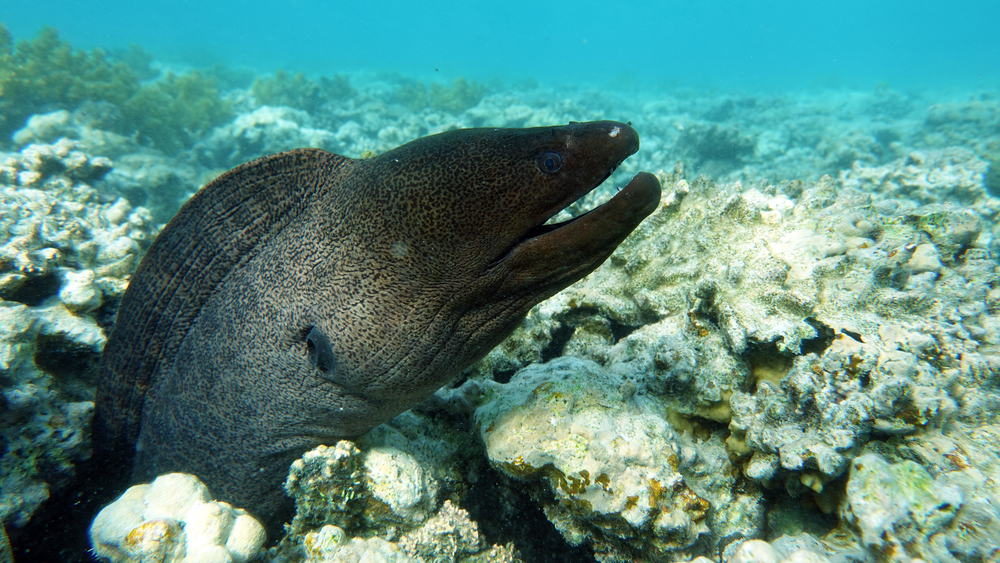
Moray eels, residing within crevices of Florida’s coral reefs and rocky areas, are fascinating ambush predators. They are often misjudged as aggressive due to their open-mouthed appearance, which is actually a breathing method. With sharp teeth and powerful jaws, Moray eels can deliver a significant bite if threatened. Despite their intimidating looks, they often shy away from human interaction unless provoked.
Sea Snakes: Venomous but Unlikely Visitors
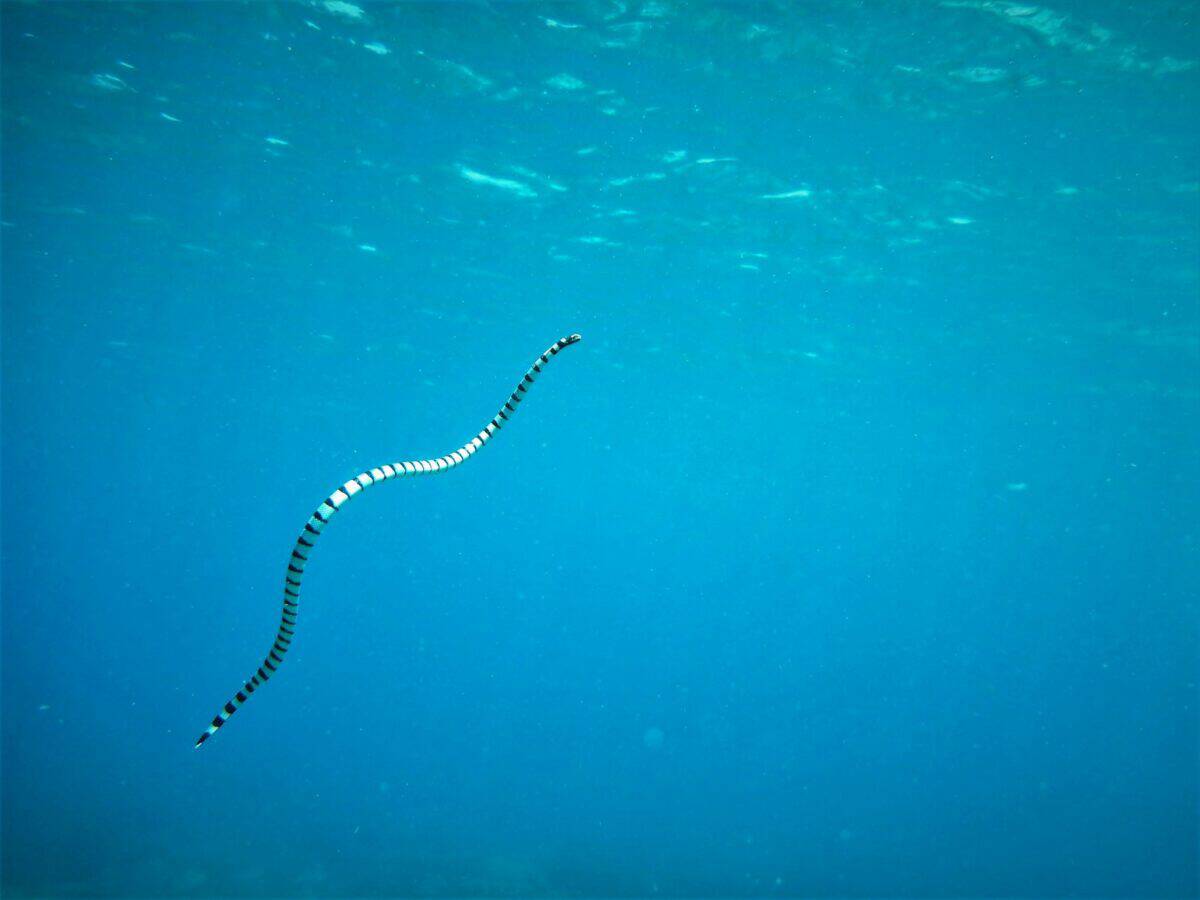
Though less common in Florida, sea snakes are occasionally sighted in these waters, carrying potent venom similar to their terrestrial relatives. Their flattened tails enable efficient swimming, and their venomous bites have evolved to stun prey quickly. Fortunately, sea snakes are generally not aggressive toward humans and avoid confrontation, making encounters rare but memorable.
Box Jellyfish: Transparent but Treacherous

Among the most venomous creatures in the ocean, box jellyfish, though rare in Florida, pose a significant threat due to their nearly invisible appearance and potent tentacles. A sting from a box jellyfish can result in excruciating pain and, in severe cases, death. Prompt medical attention is critical for any encounters involving these jellyfish’s tentacles.
Stonefish: Ocean’s Master of Disguise

Stonefish are the most venomous fish in the world and are occasionally found in the warmer waters of Florida. Their ability to blend into rocky or sandy environments is unparalleled, making accidental contact a genuine risk. Equipped with venomous spines, a stonefish can inflict severe pain or even death if untreated, underscoring the need for cautious treading near rocky areas.
Goliath Grouper: Giants of the Deep
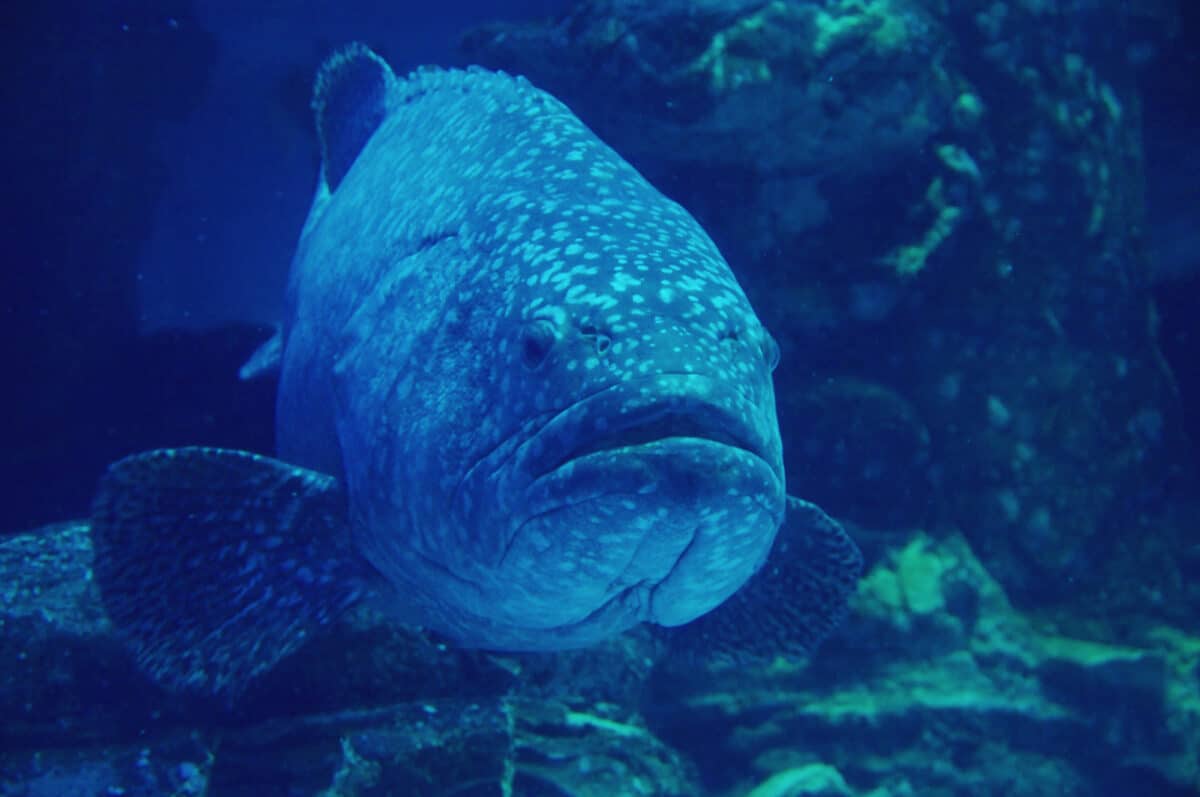
The Goliath Grouper is an intimidating sight due to its sheer size, capable of reaching up to 8 feet in length and weighing over 800 pounds. While harmless to humans, these gigantic fish frequently inhabit reef ecosystems near Florida’s shores, playing a critical role in their balance and health. Their presence in the marine ecosystem is vital, though their size alone is enough to startle unsuspecting divers and swimmers.
Octopuses: The Intelligent Escape Artists
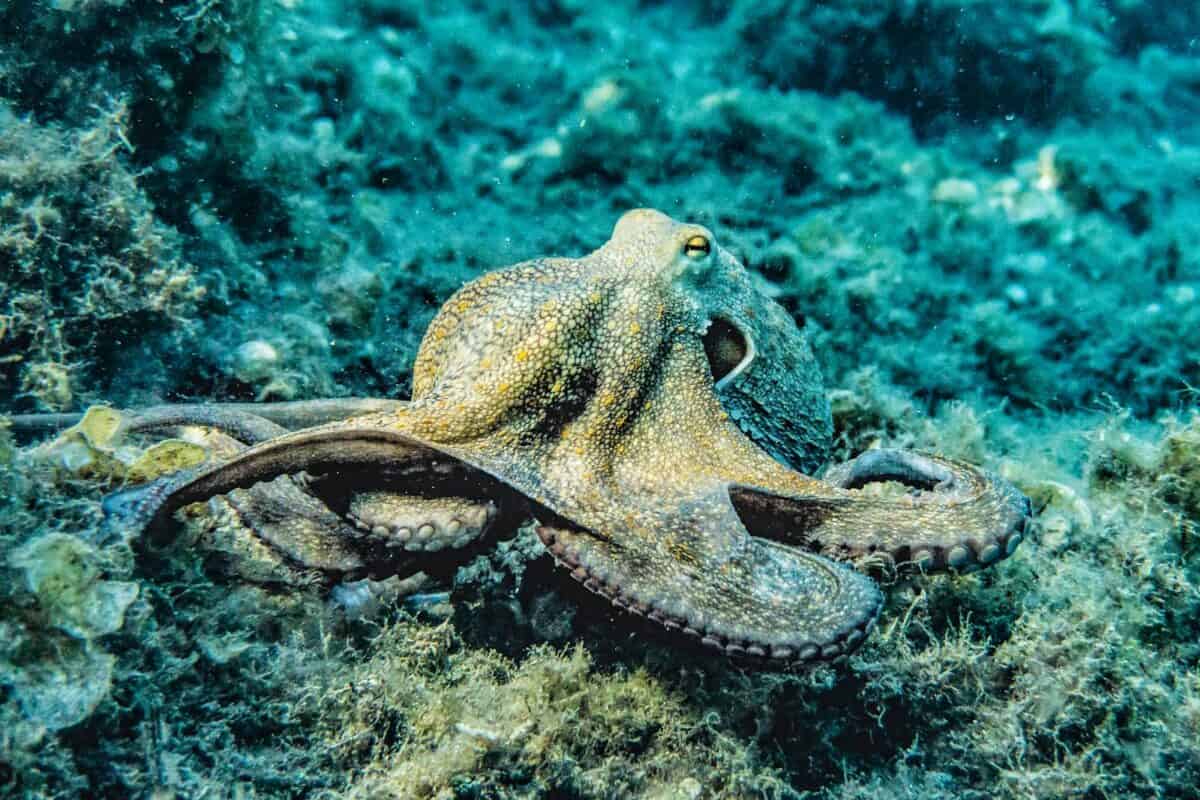
While not typically aggressive, some species of octopuses inhabiting Florida’s coastal waters possess potent venom. These intelligent creatures are renowned for their problem-solving skills and unique ability to escape from enclosures. Although rarely dangerous to humans, certain interactions with venomous species, such as the blue-ringed octopus, can be life-threatening, although such species are scarcely found in Florida.
Pufferfish: Cute But Cautionary
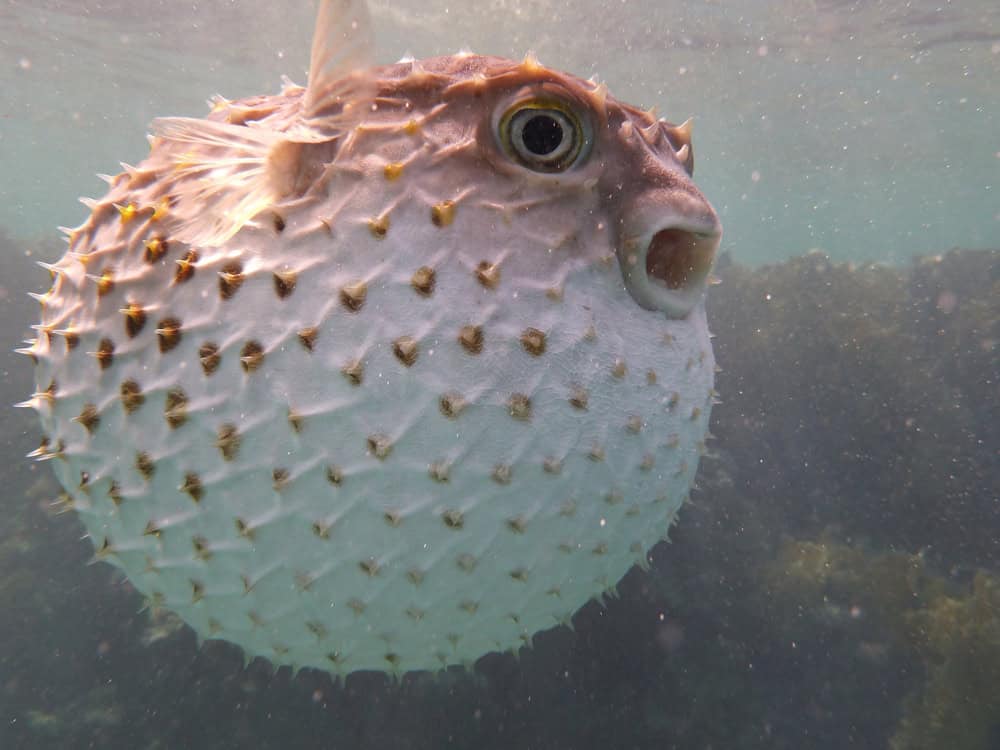
Known for their ability to inflate into a spiky ball when threatened, pufferfish are fascinating yet potentially dangerous residents of Florida’s marine environments. Many pufferfish species contain tetrodotoxin, a poison potent enough to be fatal if ingested. The toxin acts as a natural defense mechanism against predators, making them hazardous if not treated with caution.
Conclusion: Navigating the Depths Safely

Florida’s coastal waters are home to an intriguing array of sea creatures, some of which are feared and misunderstood. While many of these creatures play crucial roles in their ecosystems, others demand respectful wariness due to their potent defensive traits. Educating oneself about these marine animals enables safer interactions and a deeper appreciation for the vibrant and diverse habitats they occupy. So, whether you are swimming, snorkeling, or simply enjoying the beach, an awareness of these hidden marvels ensures a safe and harmonious experience within the world beneath the waves.

From exploring the marine wonders in the Azores and witnessing the vast savannas of Kenya, to delving deep into the rich biodiversity of South Africa and traversing iconic landscapes in Australia and the US like Yellowstone, Chris's experiences are vast.
With a penchant for diving alongside sharks, the ocean holds a special place in his heart.
Through his academic insights, he champions wildlife conservation, striving with 'Animals Around The Globe' to cultivate a profound connection between humans and animals, enhancing our mutual appreciation.
Connect with him at Feedback@animalsaroundtheglobe.com.
- Why Spiders Don’t Get Stuck in Their Own Webs - July 20, 2026
- What Scientists Found in a 10,000-Year-Old Beehive - July 20, 2026
- This Spider Builds Fake Decoys of Itself - July 20, 2026