


Feral pigs have long been a growing concern in the United States, presenting a unique challenge due to their prolific nature and the environmental havoc they wreak. Originating from the Eurasian wild boars and domestic pigs that escaped or were released into the wild, these creatures have emerged as a significant ecological and economic problem. This article delves into the intricacies of this issue, exploring avenues for effective management and control.
The Rise of Feral Pigs in the US

The feral pig population in the United States has been steadily increasing since the early 20th century. Originally introduced for sport hunting, these animals have now established themselves as a pervasive nuisance, with an estimated six million spread across at least 35 states. The adaptability and reproductive prowess of feral pigs have accelerated their proliferation, complicating efforts to rein in their numbers.
Physical Characteristics and Behavior

Feral pigs vary widely in appearance, often exhibiting features reminiscent of their domestic counterparts, such as floppy ears and a chunky build. However, they can also inherit the coarse hair and elongated snout typical of wild boars. Known for their intelligent and social behavior, these pigs often form groups called sounders, typically consisting of females and their offspring, while adult males tend to be more solitary.
Ecological Impacts of Feral Pigs
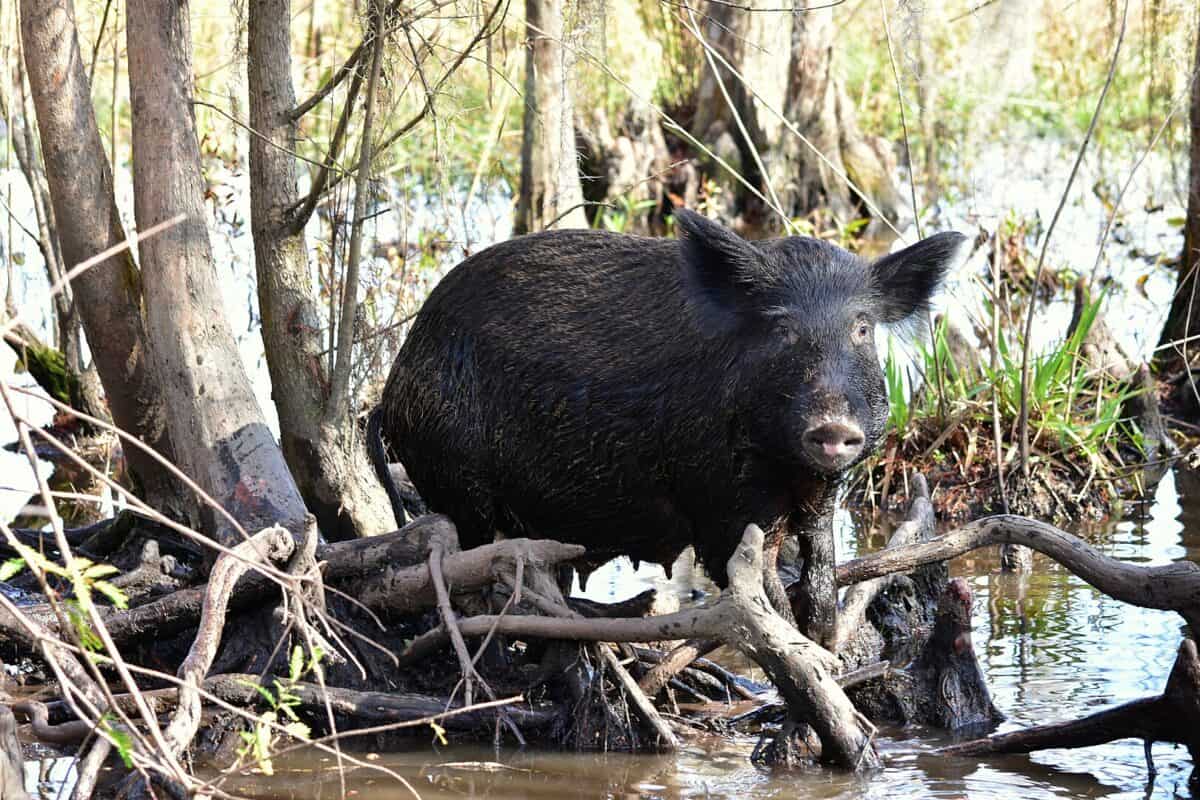
Feral pigs are notorious for their destructive feeding habits. Their rooting behavior disrupts natural habitats, leading to soil erosion and the destruction of native flora. This disruption not only threatens biodiversity but also impacts agriculture, as these foragers often invade crops, causing significant economic losses for farmers.
Disease Transmission Risks

Beyond their environmental impact, feral pigs pose serious health risks, acting as vectors for numerous diseases. They can transmit pathogens such as brucellosis and leptospirosis to livestock, wildlife, and even humans. These diseases can devastate local economies reliant on agriculture and animal husbandry, highlighting the urgent need to manage the feral pig population.
Impact on Agriculture and Livestock

The agricultural sector bears the brunt of the damage caused by feral pigs. Their feeding habits can lead to the destruction of pastures, crops, and even infrastructure such as fences and irrigation systems. Farmers face the dual challenge of losing harvests and bearing the cost of damages to their establishments, with annual losses estimated in the billions of dollars.
Current Control Measures

Efforts to control feral pig populations involve a mix of lethal and non-lethal methods. Trapping and hunting are the most common practices, aimed at reducing numbers directly. However, these efforts alone have proved insufficient, as the rapid reproductive rate of these animals often outpaces removal actions.
Exploring Wildlife Management Strategies

Wildlife management specialists propose integrated strategies that combine multiple approaches for effective control. This includes refining capture techniques with advanced traps and improving hunting efficiency through technological aids such as thermal imaging and GPS trackers.
Policy and Legislative Efforts

Several states have enacted policies to combat the feral pig problem, often encouraging hunting through relaxed regulations or introducing incentives. Cooperative efforts involving governmental bodies, hunting communities, and agricultural stakeholders are crucial in formulating comprehensive control policies.
Innovations in Feral Pig Management

Recent technological advancements offer promising solutions for managing feral pig populations. The development of more humane and efficient traps, along with the use of drones for surveillance, has improved the capacity for tracking and capturing these animals over extensive areas.
The Role of Public Awareness and Education

Educating the public about the consequences of feral pig invasions and the importance of early reporting can play a vital role in management strategies. Awareness campaigns can help inform communities about preventative measures and enlist local support in efforts to control the animals.
The Prospects of Scientific Research

Ongoing research into fertility control offers potential long-term solutions to curb feral pig populations. Scientists investigate methods like immunocontraception to reduce reproduction rates in these animals, providing a non-lethal alternative that could complement existing management practices.
Looking to the Future

The challenge posed by feral pigs in the US is significant, necessitating coordinated efforts across multiple fronts. While complete eradication remains improbable, comprehensive strategies that integrate hunting, trapping, policy measures, and scientific research hold promise for managing feral pig populations effectively. With continued investment and innovation, it may be possible to mitigate the impacts of these invasive animals and preserve the ecological and economic balance.
In summary, while the feral pig problem in the US is complex and multifaceted, a combination of ongoing efforts and novel approaches can help manage this invasive species. Collaboration between stakeholders and leveraging technological and scientific advances will be key in addressing the challenges posed by these prolific and adaptable animals.

From exploring the marine wonders in the Azores and witnessing the vast savannas of Kenya, to delving deep into the rich biodiversity of South Africa and traversing iconic landscapes in Australia and the US like Yellowstone, Chris's experiences are vast.
With a penchant for diving alongside sharks, the ocean holds a special place in his heart.
Through his academic insights, he champions wildlife conservation, striving with 'Animals Around The Globe' to cultivate a profound connection between humans and animals, enhancing our mutual appreciation.
Connect with him at Feedback@animalsaroundtheglobe.com.
- Why Spiders Don’t Get Stuck in Their Own Webs - July 20, 2026
- What Scientists Found in a 10,000-Year-Old Beehive - July 20, 2026
- This Spider Builds Fake Decoys of Itself - July 20, 2026