


Dogs, often referred to as man’s best friend, are incredibly expressive creatures capable of deep emotional connections with humans. However, just like people, dogs can experience a range of emotions including unhappiness. Recognizing the signs of an unhappy pet is crucial for providing the love and care they deserve. This article will guide you through 15 telltale signs that your dog might be experiencing unhappiness, helping you ensure their wellbeing and happiness
15. Change in Appetite
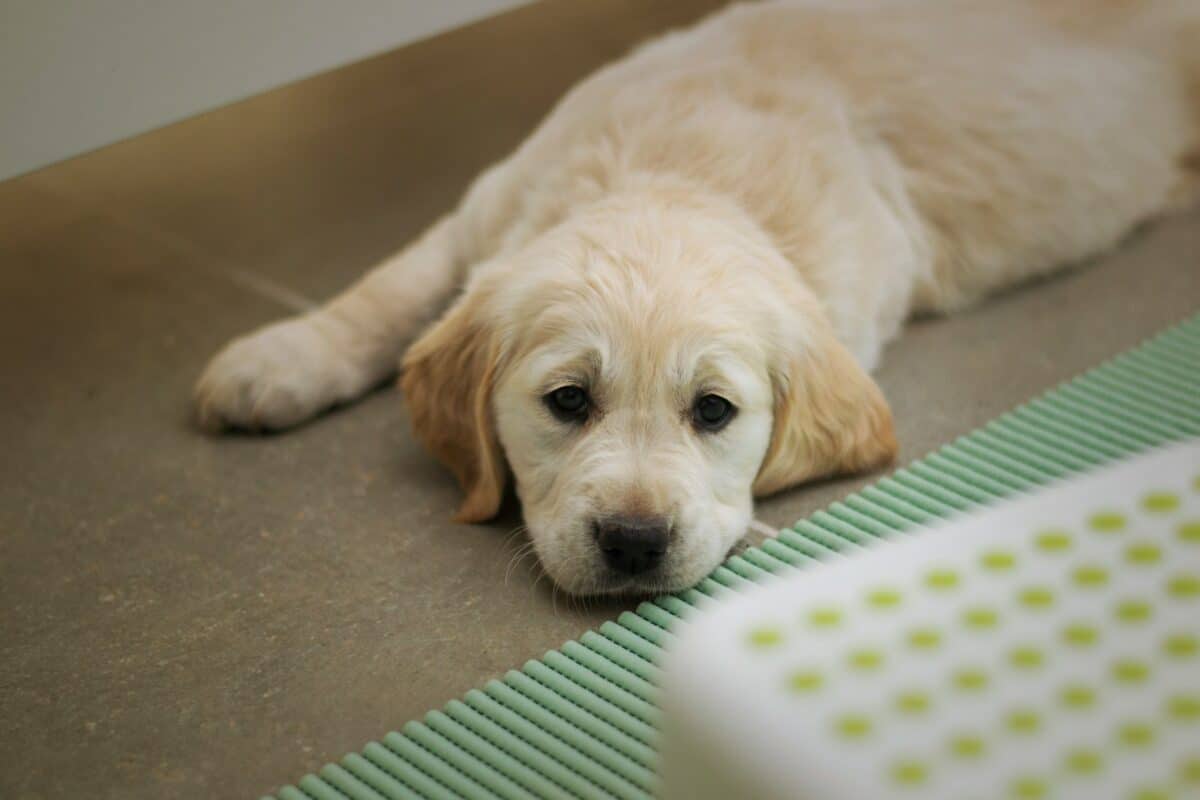
If your dog suddenly loses interest in their food or starts eating significantly more than usual, it might be a sign of distress or unhappiness. A change in appetite can be linked to various factors, including emotional stress or health issues. Monitoring your dog’s eating habits is essential to understanding their overall wellbeing.
14. Increased Sleeping

While dogs sleep a lot by nature, a noticeable increase in sleeping can indicate unhappiness or even depression. If your dog seems overly lethargic or uninterested in daily activities, it might be time to evaluate their emotional state and see a vet for a health check-up.
13. Lack of Interest in Activities
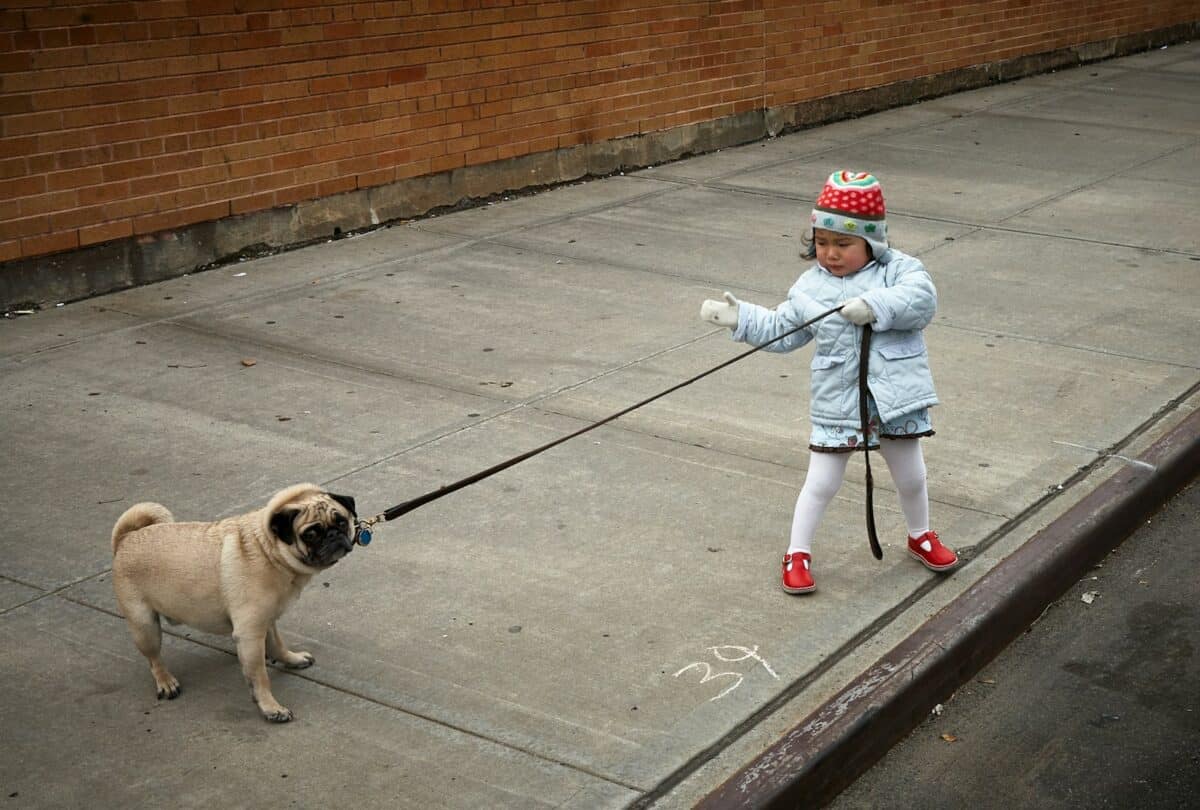
Dogs thrive on playtime and affection. If your dog is no longer excited by their favorite toys or daily walks, it might be a sign they’re feeling down. A lack of interest in activities they once enjoyed can point to an emotional issue needing attention.
12. Frequent Whining or Barking

Barking and whining are natural forms of communication for dogs; however, an increase in these behaviors can signal that your dog is not happy. Excessive vocalizations often express discomfort, frustration, or anxiety and should be evaluated to understand the underlying cause.
11. Changes in Body Language
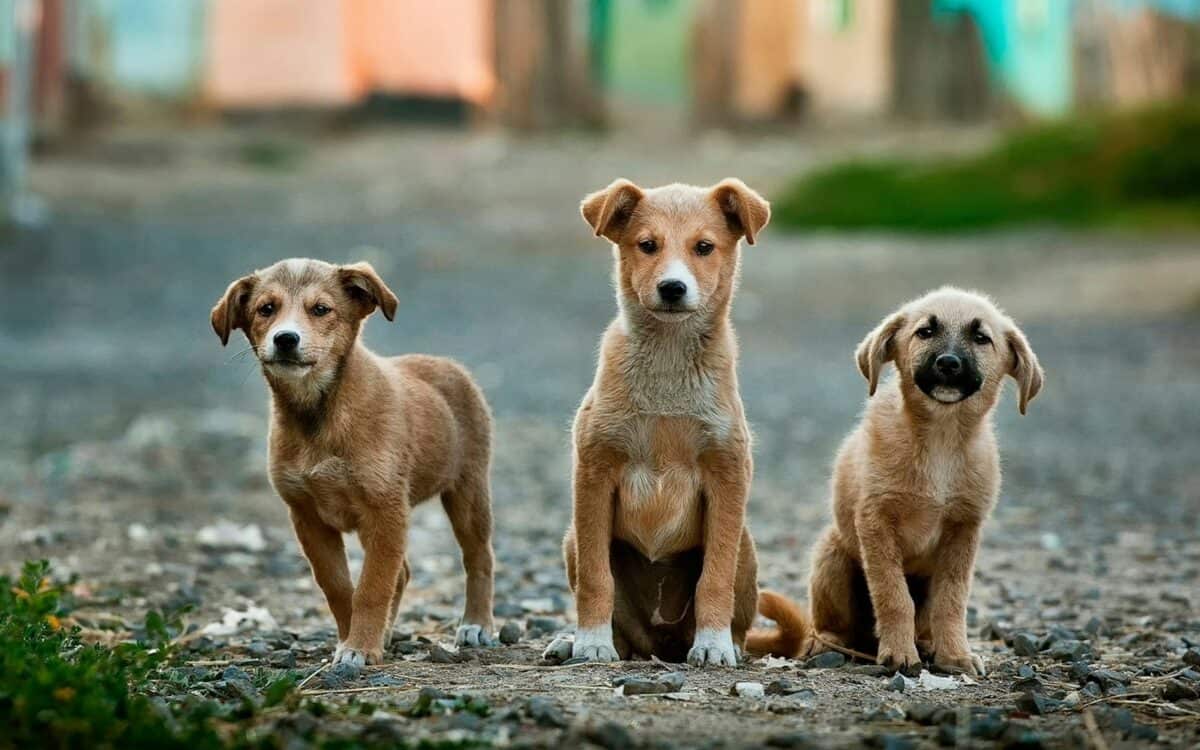
Body language speaks volumes about how a dog feels. Ears pinned back, a lowered tail, or avoiding eye contact are common indicators of an unhappy dog. Paying close attention to these subtle cues can help you better understand your pet’s emotions.
10. Destructive Behavior
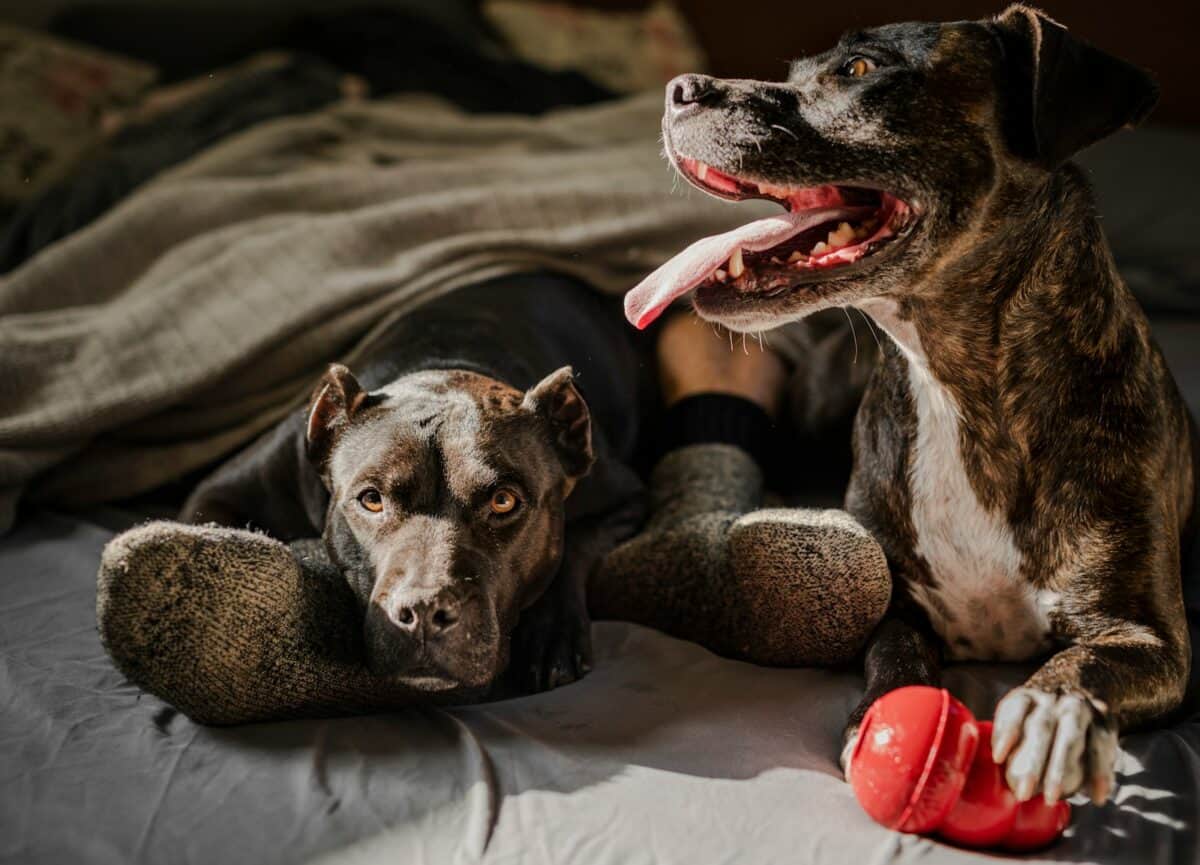
An unhappy dog might turn to destructive behaviors such as chewing furniture or tearing up household items. This behavior can stem from stress, boredom, or separation anxiety, requiring behavioral intervention or increased engagement with your pet.
9. Withdrawal from Interaction

Dogs are social animals that typically seek companionship. If your pet is withdrawing from interaction, avoiding being petted, or not greeting you as they usually do, this could indicate they are feeling unhappy or stressed.
8. Excessive Licking or Grooming

While regular grooming is normal, obsessive licking or grooming might indicate distress. If your dog is fixated on grooming to the point of causing injury or sores, it’s important to seek veterinary advice to address the underlying issue.
7. Sudden Aggression

Happy dogs are generally more tolerant, but if your dog suddenly shows signs of aggression, such as growling or snapping, it could be a sign they are unhappy. Understanding the triggers and consulting with a professional can help manage aggression.
6. Shaking or Trembling
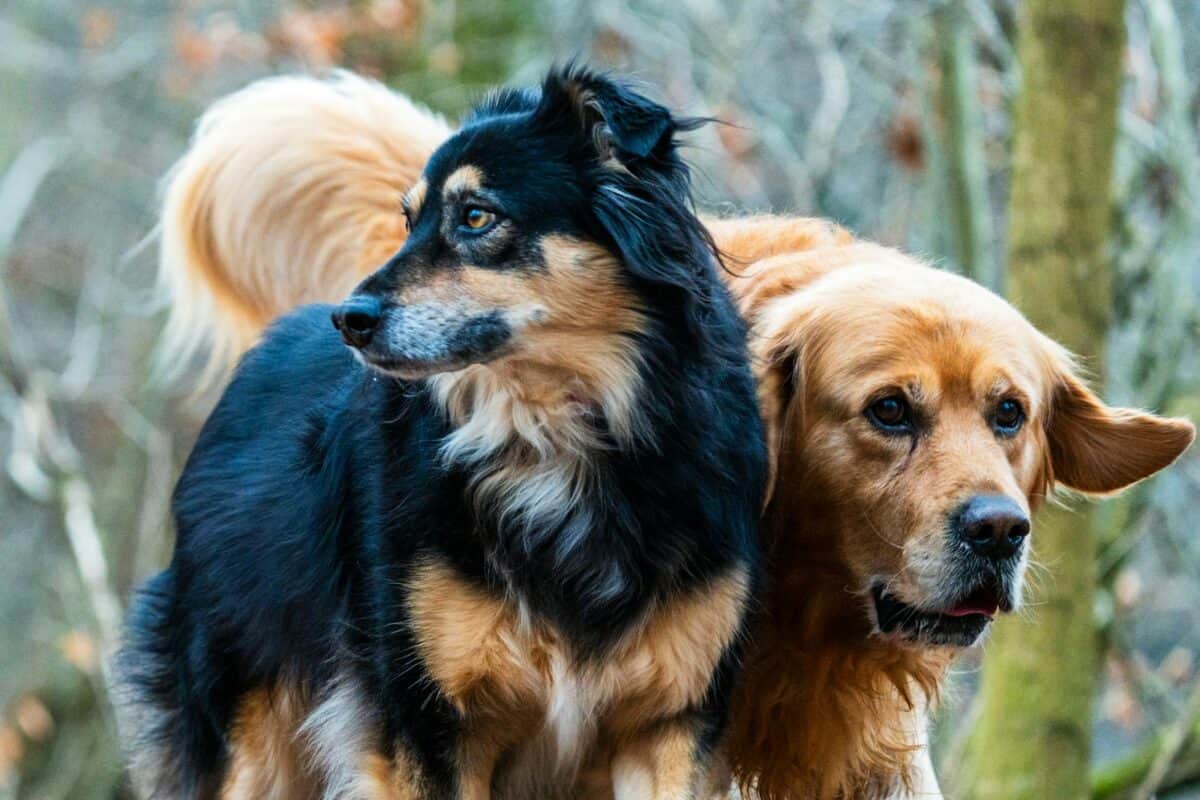
Shaking or trembling might indicate your dog is frightened or anxious. Identifying the source of their fear and providing reassurance can help reduce these stress-related behaviors.
5. Obsessively Following You

While dogs enjoy being close to their owners, excessive shadowing might indicate separation anxiety or distress. This behavior can signal the need for comfort or reassurance from their owner.
4. Avoidance or Hiding

If your dog is frequently hiding or spending excessive time away from their usual spots, it might be a sign of discomfort or unhappiness. Providing a safe, secure environment where they feel comfortable can help alleviate this behavior.
3. Panting or Pacing
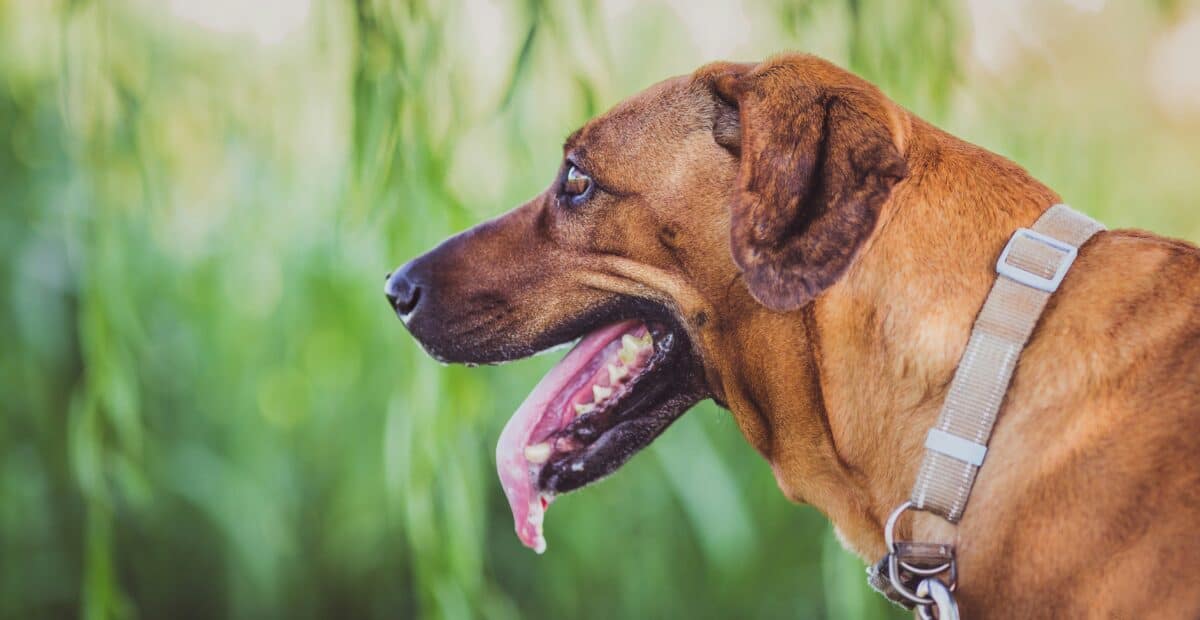
While panting is normal after exercise, excessive panting or pacing without an apparent cause can be a sign of stress or worry. Observing when and where these behaviors occur can help pinpoint the source of distress.
2. Digging or Escaping
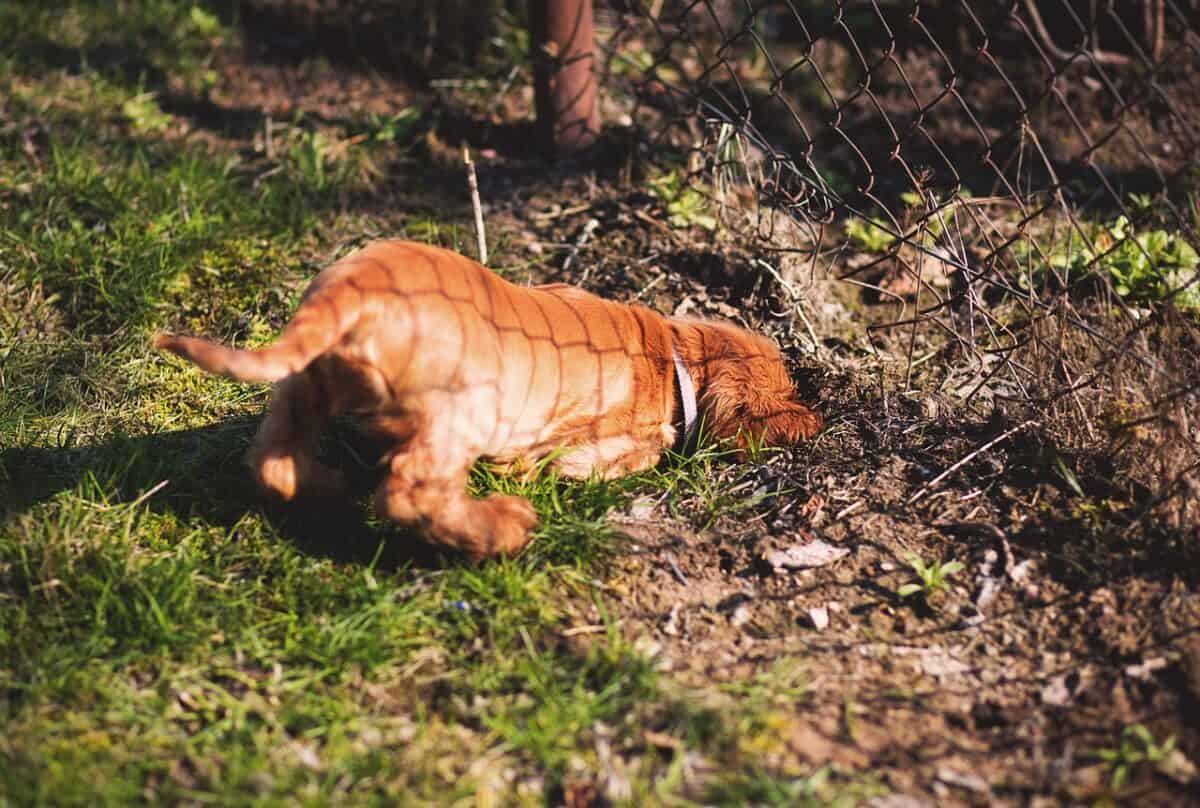
Dogs that are unhappy might try to dig or escape as a way to cope with anxiety. This could be indicative of boredom or the desire to get away from a stressful environment, requiring both understanding and intervention.
1. Unusual Drooling
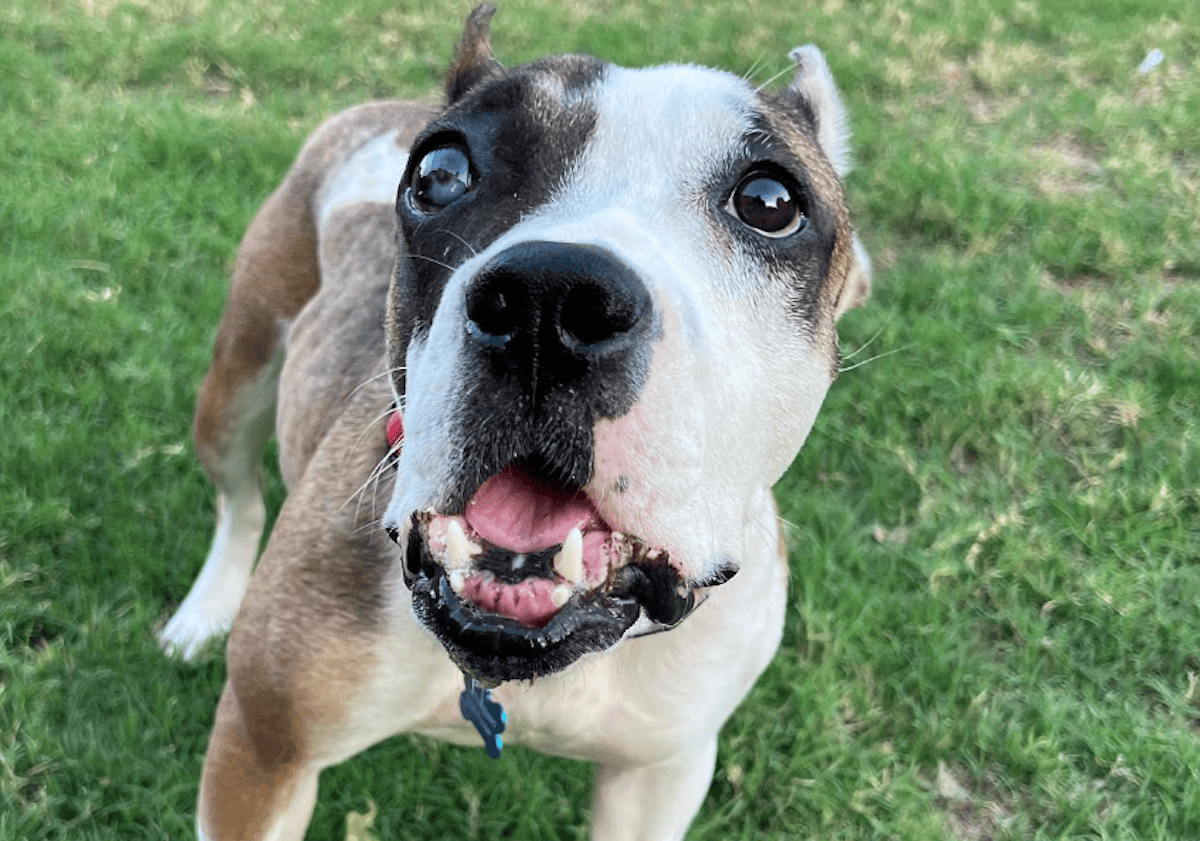
Excessive drooling when not related to surgery, after eating, or drinking may indicate distress. Stress-related drooling is often accompanied by other signs of anxiety. Paying attention to drooling patterns can provide insights into emotional wellbeing.
In conclusion, understanding the signs of unhappiness in your dog is vital for ensuring their overall health and happiness. By recognizing and addressing these behaviors, you can provide a supportive environment and seek professional help when necessary. Always keep in mind that a happy, healthy dog is a reflection of a loving and attentive owner.

- How to Help Save Endangered Parrot Species - August 9, 2026
- Why Volcano Lightning Is Even More Dangerous - August 8, 2026
- Why America’s Biggest Elk Could Be Facing Extinction - August 8, 2026