


Worried about unexpected vet bills?
Pet insurance can cover thousands in unexpected vet costs. Get a free quote from Lemonade in under 2 minutes.
Get My Free Quote →Sponsored · Opens Lemonade.com
When we think of intelligence, the human mind often comes to the forefront. However, in the vast animal kingdom, several species display impressive cognitive abilities that bridge the gap between instinct and intellect. This fascinating intersection of animal behavior and cognitive science reveals how evolution shapes minds in ways that can astound us. Let’s delve into the world of near-human intelligence in animals and uncover the secrets behind their advanced smarts.
Understanding Animal Intelligence
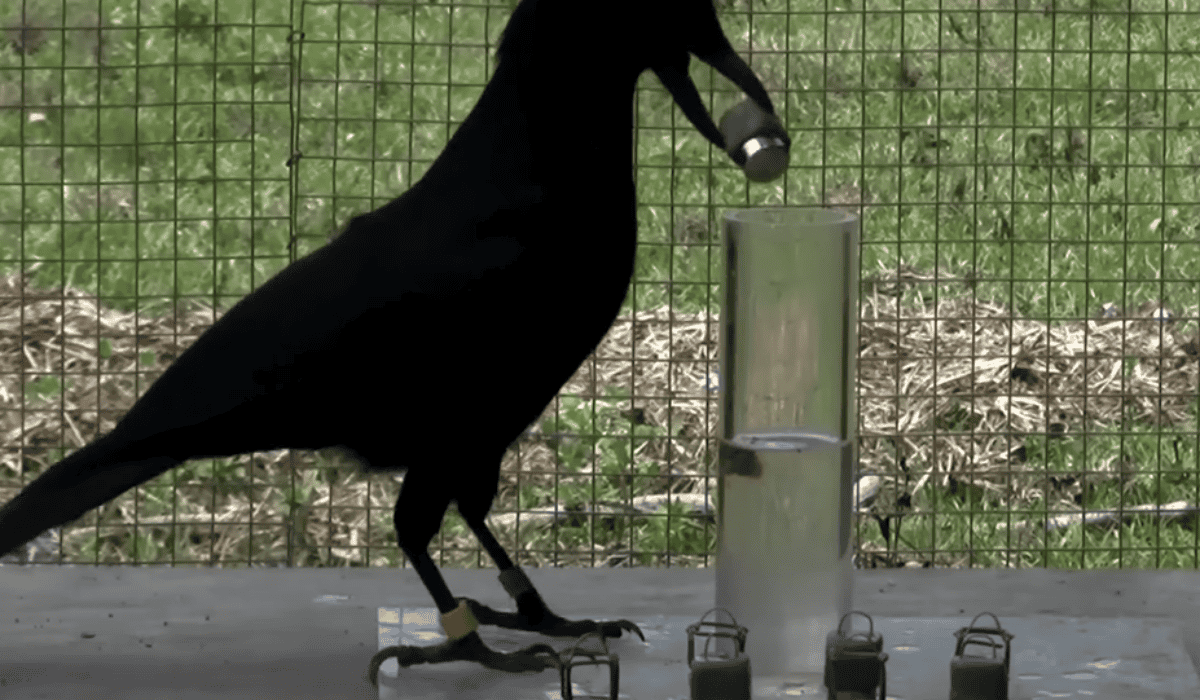
Animal intelligence is a complex, multifaceted concept involving the ability to learn, problem-solve, communicate, and exhibit emotional complexities. While traditional views categorized animals as mere creatures of habit, modern research shows that many animals possess cognitive skills previously thought to be exclusive to humans. Scientists measure intelligence through problem-solving tasks, social interaction, and the capacity to use tools.
Examples of Intelligent Behavior in Animals

From elephants that use tree branches to swat flies to octopuses unscrewing jar lids, intelligent behavior in animals takes many forms. Dolphins use echolocation to hunt and communicate, demonstrating high-level auditory processing. Crows and ravens are known for their ability to craft and use tools, offering insights into their problem-solving skills.
The Cognitive Power of Primates

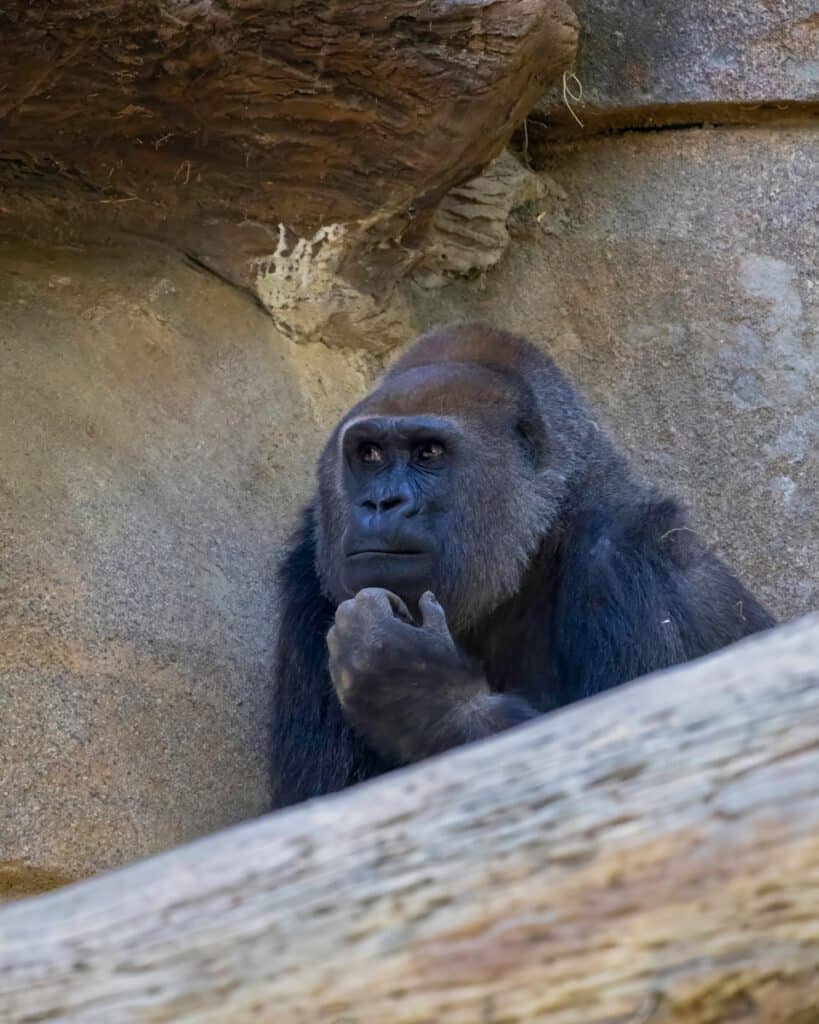
Our closest genetic relatives, the great apes—chimpanzees, bonobos, orangutans, and gorillas—exhibit intelligence that closely mirrors human abilities. Primates are known for their use of complex social structures, emotional expressions, and communication through sign language, highlighting cognitive complexities similar to humans.
Parrot Intelligence: More Than Mimicking

Parrots, particularly African Greys, are renowned for their ability to mimic human speech. However, their intelligence goes far beyond mere replication. Parrots comprehend the context of language, solve puzzles, and express social emotions, demonstrating a sophisticated understanding of their environment.
The Insight of Dolphins
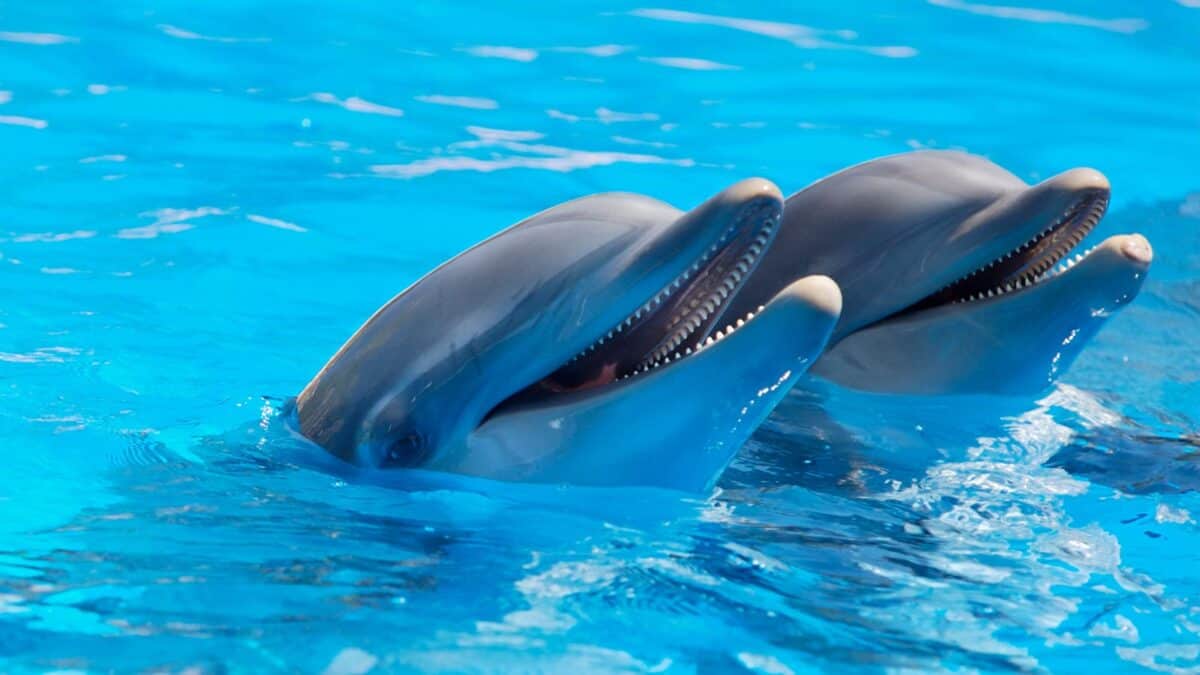
Dolphins possess remarkable intellectual capabilities that are evident in their social structures and communication techniques. They exhibit self-awareness, as illustrated by their ability to recognize themselves in mirrors, and demonstrate empathy and cultural learning in their pods.
Crow Problem-Solving Skills
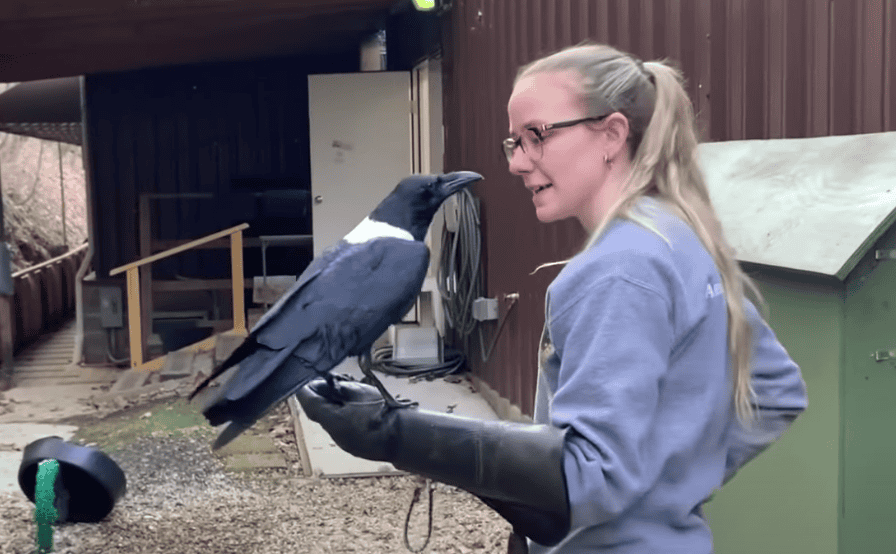
Crows and their corvid relatives are adept at problem-solving, often compared to the intelligence level of a young child. They use tools in the wild, recognize human faces, and engage in cooperative behaviors that require advanced cognitive functioning.
Elephant Emotional and Cognitive Depth

Elephants are highly intelligent animals known for their emotional range and memory. They experience complex emotions like grief and joy, engage in social structures that rely on memory and relationships, and have been observed using tools and exhibiting problem-solving abilities.
The Miraculous Memory of Sea Lions

Research has shown that sea lions possess extraordinary long-term memory capabilities. They can remember commands and tasks years after they last encountered them, indicative of a sophisticated memory system akin to humans.
Pigs: Surprising Intellect in a Farmyard Animal
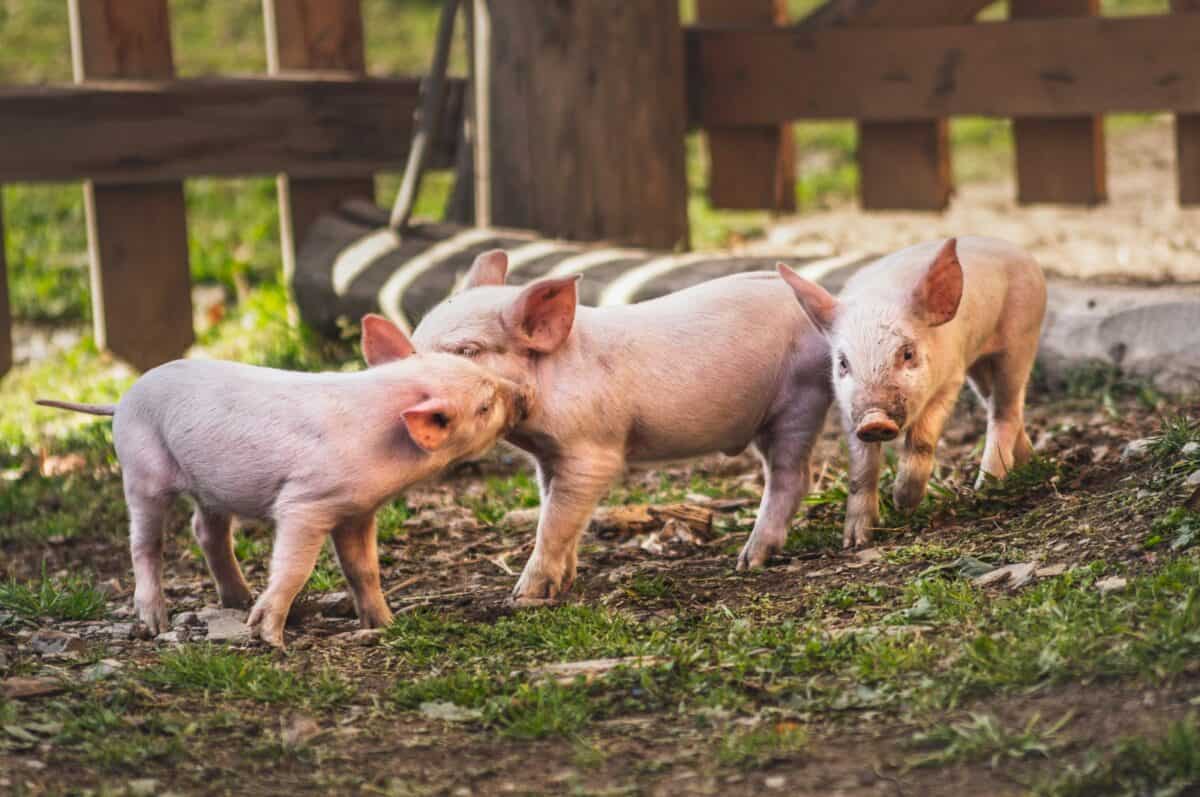
Pigs are often underestimated in terms of intelligence. However, they are capable of complex tasks, demonstrating problem-solving skills and emotional intelligence. Their ability to learn new tasks quickly and remember them over time underscores their cognitive depth.
The Enigmatic Mind of the Octopus

The octopus is a marvel of marine intelligence. Known for their problem-solving skills and escape artistry, octopuses exhibit a high degree of intelligence, with complex nervous systems and the ability to learn through observation and experience.
Raccoons: Crafty Problem Solvers

Raccoons are known for their mischief, but behind that is a keen sense of problem-solving. Their ability to open locks and navigate complex urban environments shows a versatile intelligence capable of adapting to varied challenges.
The Cognitive Clout of Rats

Rats are often used in scientific research due to their intelligence. These creatures exhibit social learning, empathy, and can navigate mazes efficiently, highlighting their ability to reason and learn from their environment.
Understanding the Evolution of Intelligence
The evolution of intelligence in animals is driven by the need for survival, adaptation, and social interaction. Complex environments and social structures necessitate higher cognitive capacities. As a result, intelligent behaviors often develop to meet specific ecological challenges or social needs.
The Role of Brain Structure in Intelligence

While brain size can be an indicator of intelligence, it’s the complexity of neural connections that matters most. Animals with intricate brain structures, such as the neocortex in dolphins and primates, tend to display advanced cognitive functions. Moreover, the density and connectivity of neurons often correlate with an animal’s problem-solving and adaptive capabilities.
Exploring the intelligence of animals unveils a spectrum of cognitive abilities that challenge our perceptions of non-human species. As we continue to study and understand these remarkable creatures, it becomes increasingly clear that intelligence is not defined by human standards alone. Recognizing and respecting the intelligence of animals enriches our appreciation of the natural world and underscores the interconnectedness of life on Earth.
Worried about unexpected vet bills?
Pet insurance can cover thousands in unexpected vet costs. Get a free quote from Lemonade in under 2 minutes.
Get My Free Quote →Sponsored · Opens Lemonade.com

- Why Zambia’s Kafue National Park Is the Best Place to See Wild Dogs - June 10, 2026
- 25 Most Majestic Birds That Will Take Your Breath Away - June 10, 2026
- 21 Most Impressive Hunters in the Animal Kingdom - June 10, 2026