


Wolves have long captivated human imagination with their mysterious allure and vital role in the wilderness. In Montana, where the rugged terrain echoes with the howl of these iconic predators, wolves are more than just an emblem of wilderness; they are essential players in the ecosystem. Their presence influences the balance of nature, affecting everything from animal populations to vegetation dynamics. Join us as we explore the role of wild wolves in Montana’s ecosystems and uncover the intricate connections that bind them to their environment.
History of Wolves in Montana

The history of wolves in Montana is a story of resilience and recovery. During the late 19th and early 20th centuries, wolf populations were decimated due to hunting, trapping, and intentional eradication efforts, fueled by fears and misconceptions. By the 1930s, wolves were nearly extinct in the lower 48 states. However, conservation efforts initiated in the latter part of the 20th century have seen remarkable success, with wolves being reintroduced to areas like Yellowstone National Park in the mid-1990s. Montana’s wolves are descendants of these reintroduced populations, now thriving in the state’s lush landscapes.
Ecological Role of Wolves

Wolves play a pivotal role as apex predators in Montana’s ecosystems. They help regulate prey populations, such as elk and deer, by preying on the weak, sick, and elderly, which promotes healthier herds. This natural predation maintains a balance within the food web, preventing overgrazing and allowing vegetation to flourish. Consequently, this contributes to greater biodiversity, benefiting numerous plant and animal species.
Trophic Cascade Effects

The presence of wolves in an ecosystem can lead to trophic cascades, a series of ecological changes that ripple through the environment. In Montana, by controlling herbivore populations, wolves indirectly protect flora from overbrowsing, preserving forest and riverbank vegetation. This, in turn, supports other wildlife, such as beavers and songbirds, creating a more balanced and robust ecosystem.
Impact on Ungulate Populations

While wolves are crucial in maintaining prey populations in check, they don’t drastically reduce them. Their impact is often exaggerated, as wolves primarily select the most vulnerable individuals. In Montana, studies have shown that while wolf predation influences ungulate behavior and distribution, it does not lead to significant population declines, thereby ensuring a sustainable dynamic between predator and prey.
Wolves and Biodiversity

Wolves contribute to biodiversity beyond controlling ungulate numbers. By maintaining healthy ecosystems, they support a wide array of species, from insects to large mammals. The presence of wolves can lead to increased variety in mammals and bird species, as their hunting patterns create diverse habitats and opportunities for other creatures to thrive.
Human-Wolf Interactions
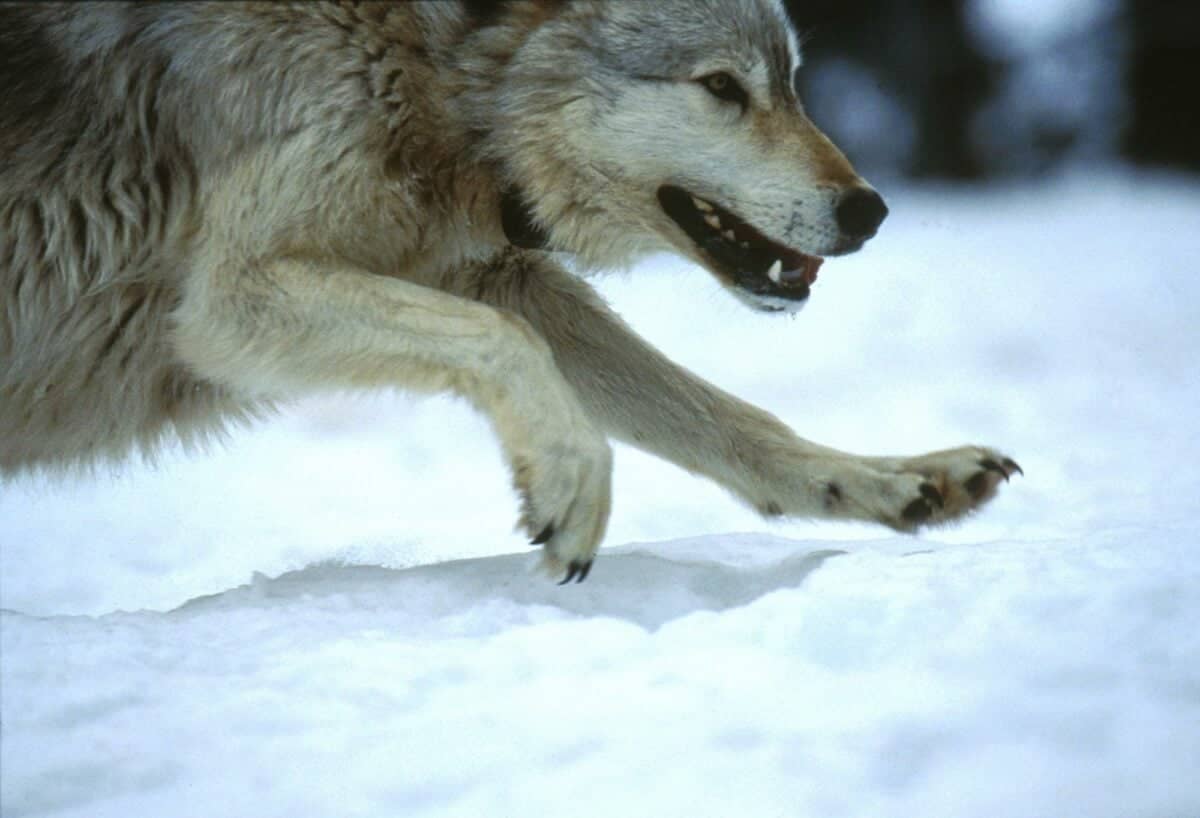
Wolves’ return to Montana has sparked various interactions with human communities. While some see wolves as beneficial to the ecosystem and tourism, others view them as a threat to livestock and game. Efforts are ongoing to manage these interactions through education, compensation programs for livestock losses, and innovative deterrence methods, aiming for coexistence between humans and wolves.
The Economic Impact of Wolves

The return of wolves has economic implications for Montana, both positive and negative. While concerns over livestock predation can lead to financial losses for farmers and ranchers, eco-tourism centered around wolf watching in areas like Yellowstone has become a significant economic driver. This dual impact highlights the complexity of rewilding efforts and the need for balanced wildlife management strategies.
Conservation Efforts

Montana’s approach to wolf conservation is multifaceted. The state employs a combination of legal protections, scientific research, and public education to ensure that wolves continue to play their vital role in the ecosystem. These efforts include monitoring wolf populations, studying their ecological impact, and involving stakeholders in developing policies that balance ecological health with human interests.
Challenges in Wolf Management

Despite successful conservation efforts, managing wolf populations presents ongoing challenges. Conflicts with livestock owners, legislative changes, and public opinion all influence how wolves are perceived and treated. Continuous dialogue among conservationists, government agencies, and local communities is essential to address these challenges and foster a sustainable coexistence.
The Future of Wolves in Montana

Looking ahead, the future of wolves in Montana depends on adaptive management practices that consider ecological, economic, and social factors. Ongoing research, public engagement, and innovative management strategies will be crucial in ensuring that wolves remain a thriving and integral part of Montana’s wilderness.
Educational and Recreational Opportunities
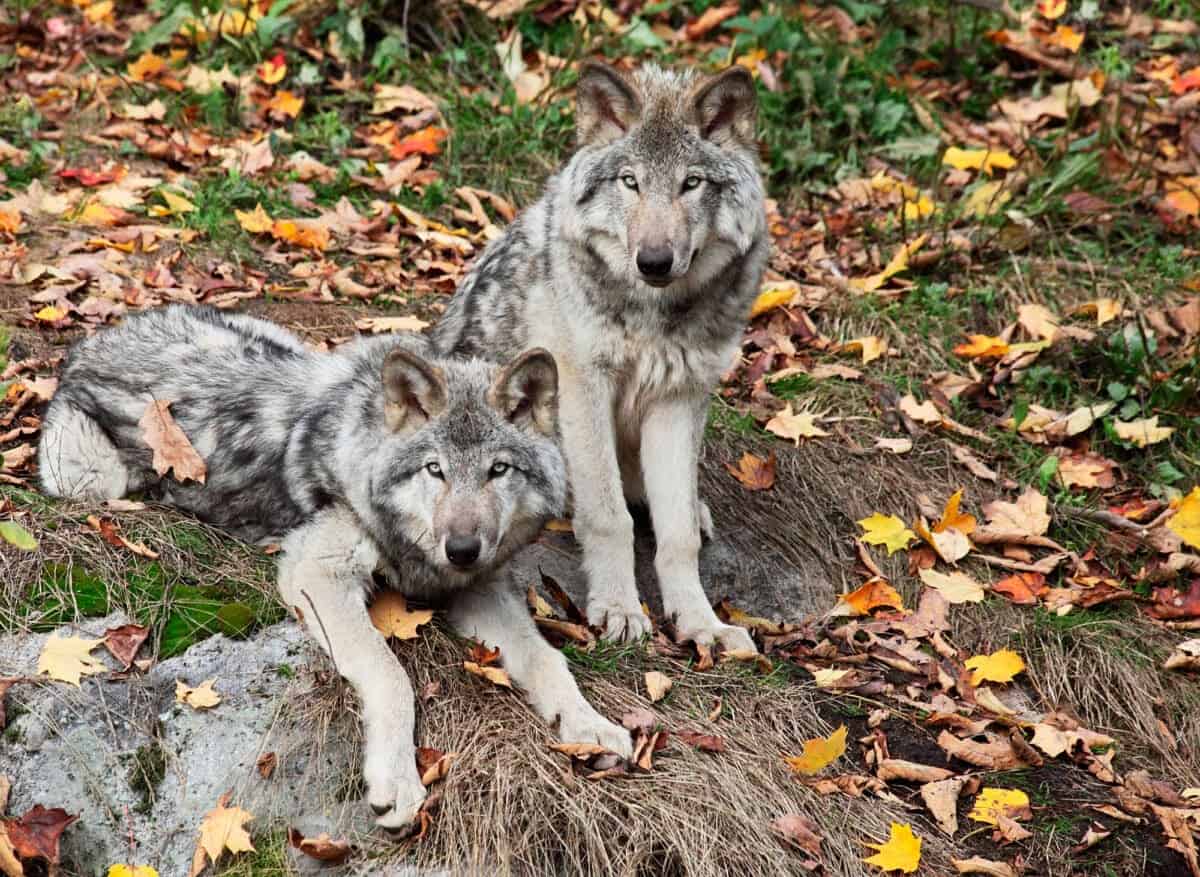
Wolves also offer educational and recreational opportunities. Wolf-watching adventures, educational programs, and wildlife photography thrive in areas where these majestic creatures roam. These activities not only foster appreciation for wolves but also promote awareness of their ecological importance.
Conclusion: The Indispensable Role of Wolves

The wild wolves of Montana are more than just symbols of untamed wilderness; they are pivotal actors in maintaining the ecological balance. Their presence promotes biodiversity, strengthens ecosystems, and provides both challenges and opportunities for human communities. As we continue to learn and adapt our approaches to wildlife management, fostering a deeper understanding of these remarkable animals will ensure that wolves and humans can coexist harmoniously in Montana’s majestic landscapes.

From exploring the marine wonders in the Azores and witnessing the vast savannas of Kenya, to delving deep into the rich biodiversity of South Africa and traversing iconic landscapes in Australia and the US like Yellowstone, Chris's experiences are vast.
With a penchant for diving alongside sharks, the ocean holds a special place in his heart.
Through his academic insights, he champions wildlife conservation, striving with 'Animals Around The Globe' to cultivate a profound connection between humans and animals, enhancing our mutual appreciation.
Connect with him at Feedback@animalsaroundtheglobe.com.