


The vast expanse of Earth’s oceans has always been home to some of the most fascinating and formidable creatures. Among the giants that prowled the seas millions of years ago, there’s one predator whose reign was unmatched. Discover the incredible story of how this ancient ocean predator dominated its environment 200 million years ago.
The Rise of the Mesozoic Seas
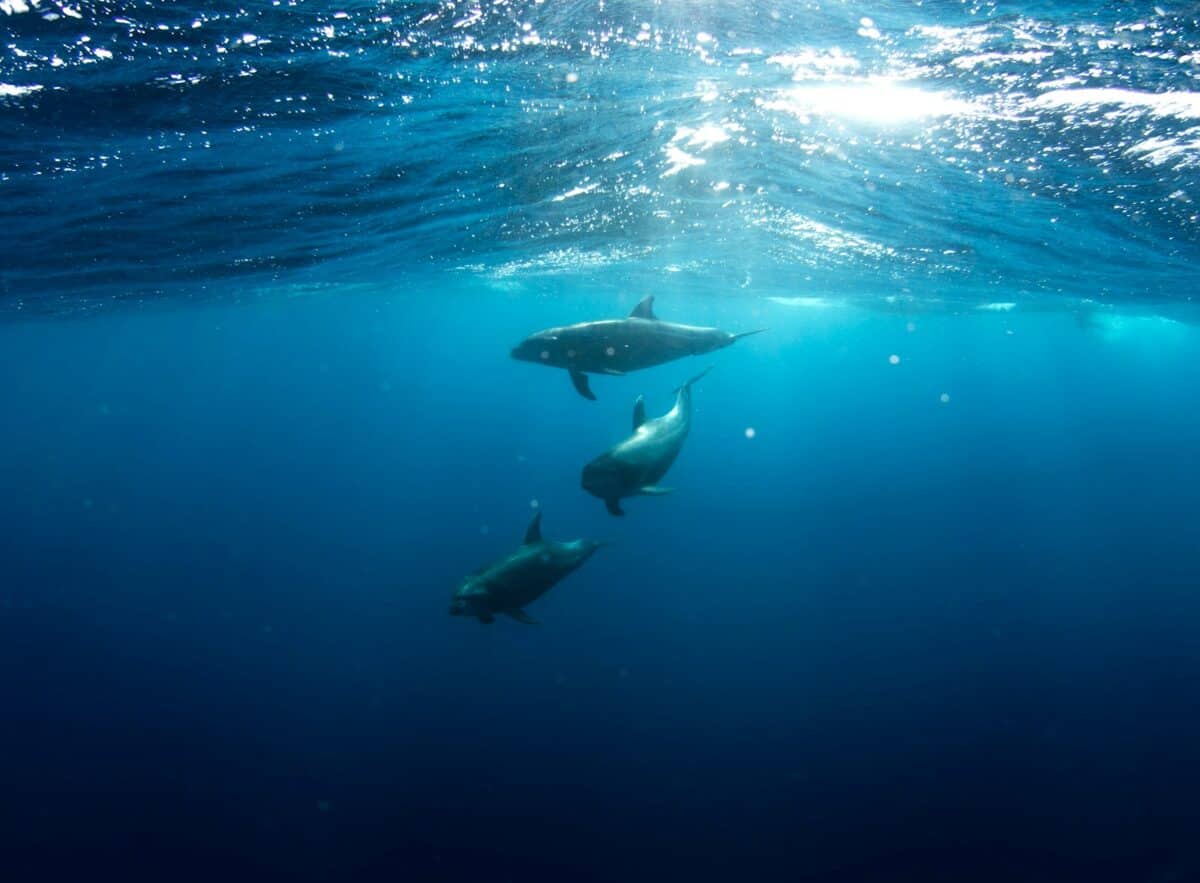
About 200 million years ago, during the dawn of the Mesozoic era, the Earth’s oceans were teaming with life. This period marked the beginning of a transformation that would see the rise of new, dominant marine reptiles. As the continents drifted apart, newly formed seas became the perfect habitat for diverse species to thrive.
Meet the Pliosaurus

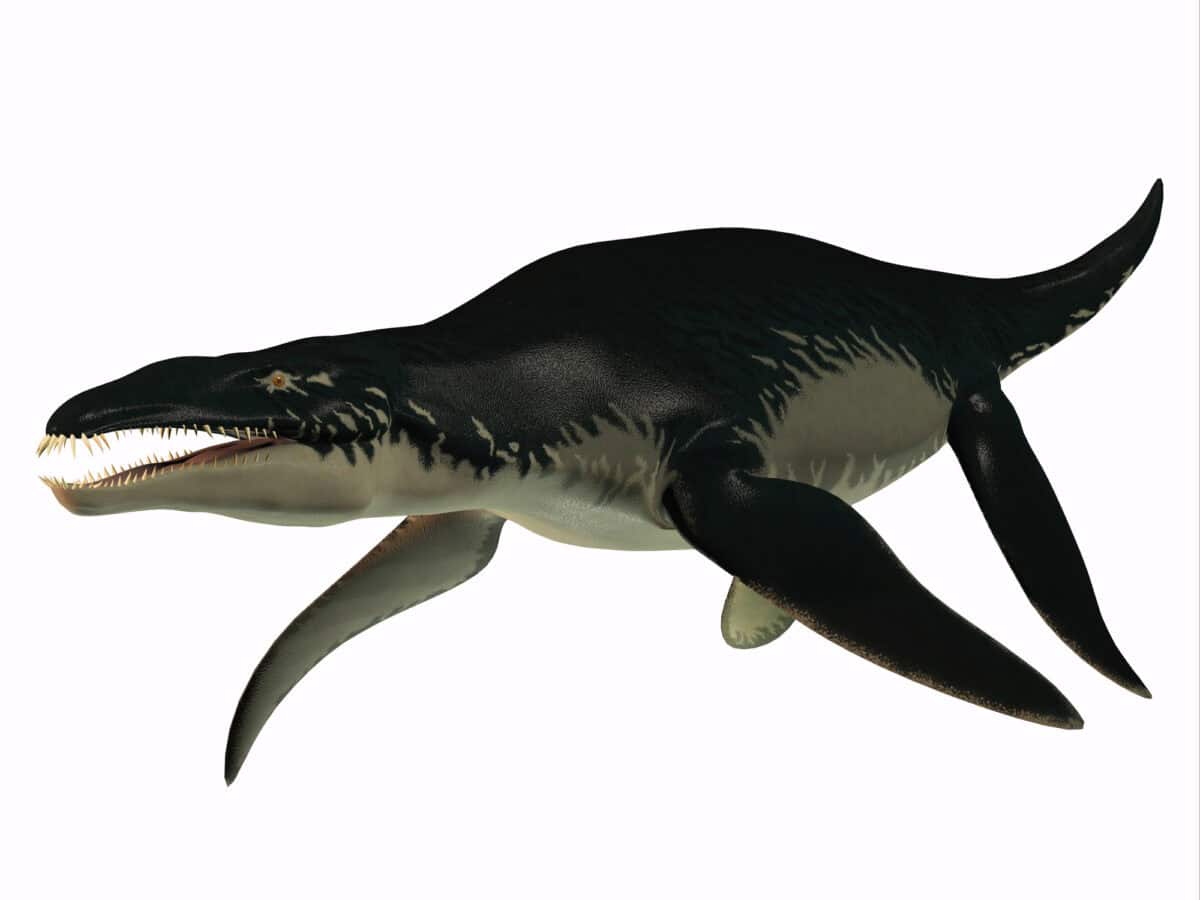
One of the most fearsome rulers of these ancient seas was the Pliosaurus. This giant marine reptile was part of the Plesiosauria order and was a top predator in its time. Unlike the long-necked plesiosaurs, Pliosaurus had a more robust build, with a short neck and a massive skull filled with sharp teeth.
Anatomy of a Predator

The Pliosaurus could grow up to 40 feet in length, with much of its size attributed to its powerful build. Its massive head and strong jaws were designed for crushing, making it an efficient hunter. This predator’s flippers were shaped like paddles, enabling swift movement through the water.
Feeding Habits and Diet

The diet of Pliosaurus was as formidable as its physical appearance. With its enormous jaws, it preyed on other large marine reptiles, fish, and cephalopods. The Pliosaurus used its robust teeth to seize and crush its prey with ruthless efficiency, leaving little chance for escape.
Navigating the Ancient Oceans

Pliosaurus was perfectly adapted to life in the water. Its large paddle-like flippers allowed for seamless navigation and high-speed pursuits, while its streamlined body minimized drag, ensuring that it could remain undetected until the very last moment.
Adaptations for Survival

Over millions of years, the Pliosaurus evolved to adapt to the changing oceanic environments. Its sensory adaptations were crucial for detecting prey in the vast and sometimes murky waters. This ability to sense vibrations and movement in the water was key to its survival as a top predator.
The Role of Pliosaurus in the Marine Ecosystem

As an apex predator, the Pliosaurus played a critical role in maintaining the balance of its ecosystem. By preying on weaker and smaller marine animals, it helped control populations and ensure the health of the oceanic food web.
The Fossil Record

The remains of Pliosaurus have been discovered across Europe and the Americas, providing valuable insights into their lifestyle and environment. These fossils reveal astonishing details about their size, anatomy, and even their behavior, shedding light on the lives of these incredible creatures.
Extinction and Legacy
Despite its dominance, the reign of the Pliosaurus came to an end as the Late Jurassic period drew to a close. Changing climates and the emergence of new predators and competitors likely contributed to its extinction. Nonetheless, the legacy of this mighty predator lives on through its remarkable fossils.
Comparisons with Modern Marine Predators

When comparing the Pliosaurus to modern marine predators like sharks and orcas, similarities abound. The adaptability, speed, and predatory prowess of the Pliosaurus set a precedent for marine giants to come, influencing the evolutionary paths of future ocean predators.
Understanding the Past to Inform the Future

Studying creatures like the Pliosaurus not only enhances our understanding of ancient ecosystems but also provides context for the changes happening in today’s marine environments. By learning from the past, scientists can better grasp the dynamics of current ocean habitats.
Reflecting on Earth’s Ancient Giants

The story of the Pliosaurus is a testament to the incredible diversity of life that once flourished on Earth. As we explore the depths of our past, we gain a greater appreciation for the complexity and resilience of our planet’s inhabitants, driving home the importance of preserving our current biodiversity.
The giant Pliosaurus was a remarkable ruler of the ancient oceans, mastering its environment through sheer physicality and evolutionary adaptability. Its role in the marine ecosystem underscores the dynamic interplay of life below the waves, a reminder of the endless wonders our planet has hosted across millennia.

From exploring the marine wonders in the Azores and witnessing the vast savannas of Kenya, to delving deep into the rich biodiversity of South Africa and traversing iconic landscapes in Australia and the US like Yellowstone, Chris's experiences are vast.
With a penchant for diving alongside sharks, the ocean holds a special place in his heart.
Through his academic insights, he champions wildlife conservation, striving with 'Animals Around The Globe' to cultivate a profound connection between humans and animals, enhancing our mutual appreciation.
Connect with him at Feedback@animalsaroundtheglobe.com.
- Why Spiders Don’t Get Stuck in Their Own Webs - July 20, 2026
- What Scientists Found in a 10,000-Year-Old Beehive - July 20, 2026
- This Spider Builds Fake Decoys of Itself - July 20, 2026