


Imagine stepping into a world where beasts of ancient myth and legend roam once more, a world where science bridges the gap between the past and the present, turning the pages of extinction into chapters of resurrection. This is not the plot of a science fiction novel but an ambitious reality scientists are striving to achieve. The creatures that once roamed our planet, ranging from the majestic to the mysterious, are now the focus of advanced scientific endeavors aimed at bringing them back to life. In this journey, we uncover the most enigmatic extinct species and the cutting-edge efforts to resurrect them.
1. The Woolly Mammoth: A Colossal Comeback
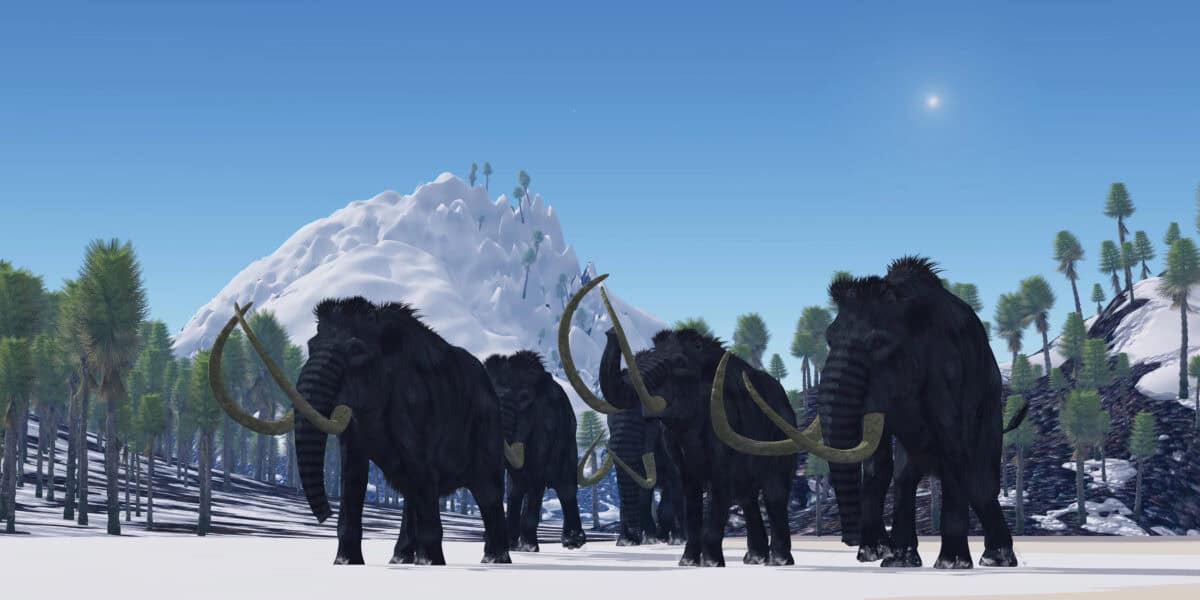
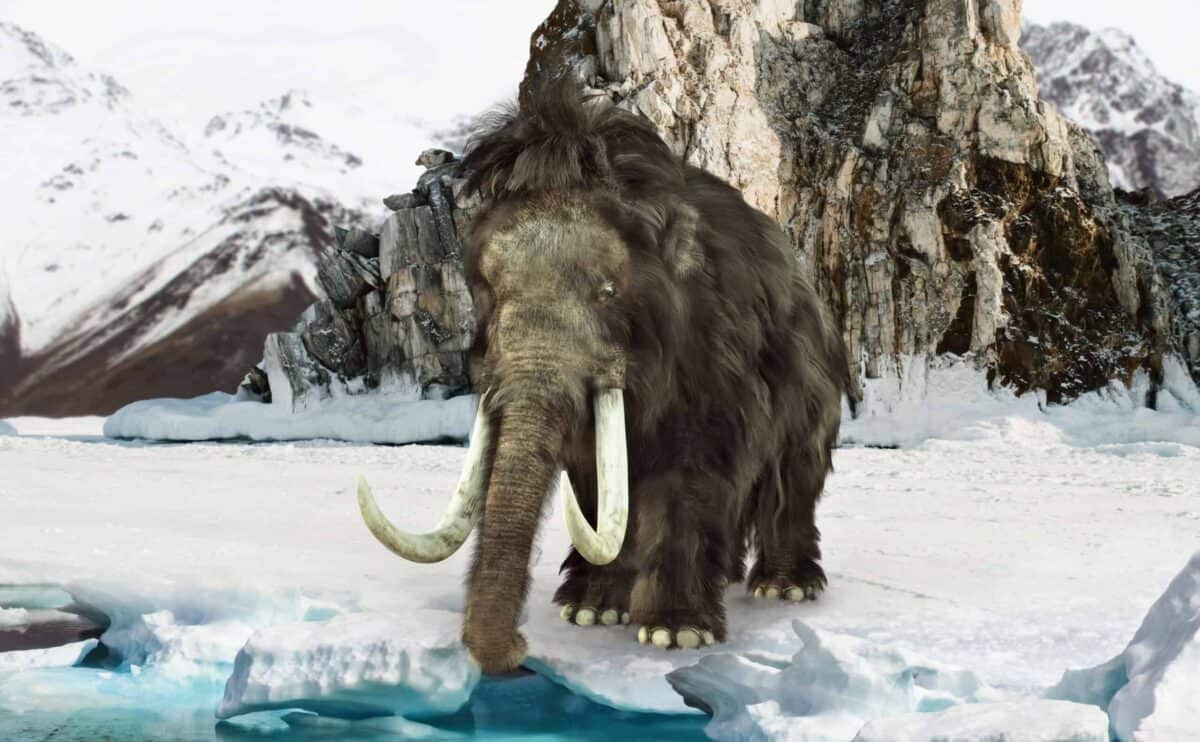
The Woolly Mammoth stands as a symbol of the Ice Age, an era when giants walked the Earth. Scientists are piecing together its genetic puzzle, aiming to bring this behemoth back to the Siberian landscape. The project involves splicing mammoth genes with those of its closest living relative, the Asian elephant, to recreate a mammoth-elephant hybrid capable of surviving arctic conditions.
2. The Passenger Pigeon: Reviving the Flocks

Once darkening the skies with their numbers, the Passenger Pigeon’s extinction in the early 20th century serves as a stark reminder of humanity’s impact on nature. Today, researchers are employing genome editing technologies to alter the genes of the closely related band-tailed pigeon, with the goal of resurrecting the Passenger Pigeon’s lost genetic traits and reintroducing its flocks to North American forests.
3. The Tasmanian Tiger: A Glimpse into Australasia’s Past
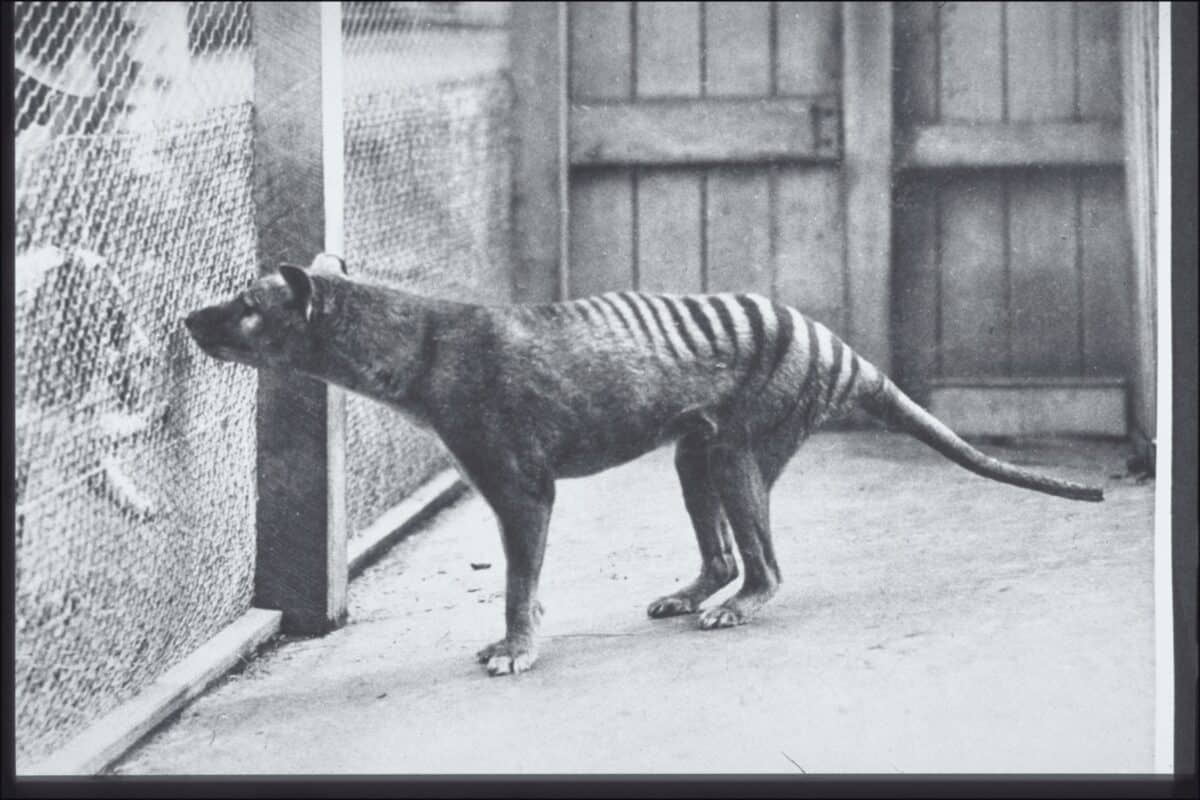
The Tasmanian Tiger, or Thylacine, with its striped back and wolf-like appearance, evokes the mysteries of Australasia’s wilderness. Extinct since the 1930s, scientists are now attempting to decode its DNA to understand its unique biology, and perhaps, one day, bring it back to prowl the Tasmanian bushland once more.
4. The Dodo: Rewriting the Story of Extinction

The Dodo, an icon of human-caused extinction, might have a second chance at life. Given its status as a symbol of mankind’s disregard for nature, reviving the Dodo could serve as a profound testimony to our dedication to conservation. Efforts focus on analyzing its genetic relationship with modern pigeons and doves to explore potential pathways for resurrection.
5. The Quagga: Rediscovery of Striped Beauty
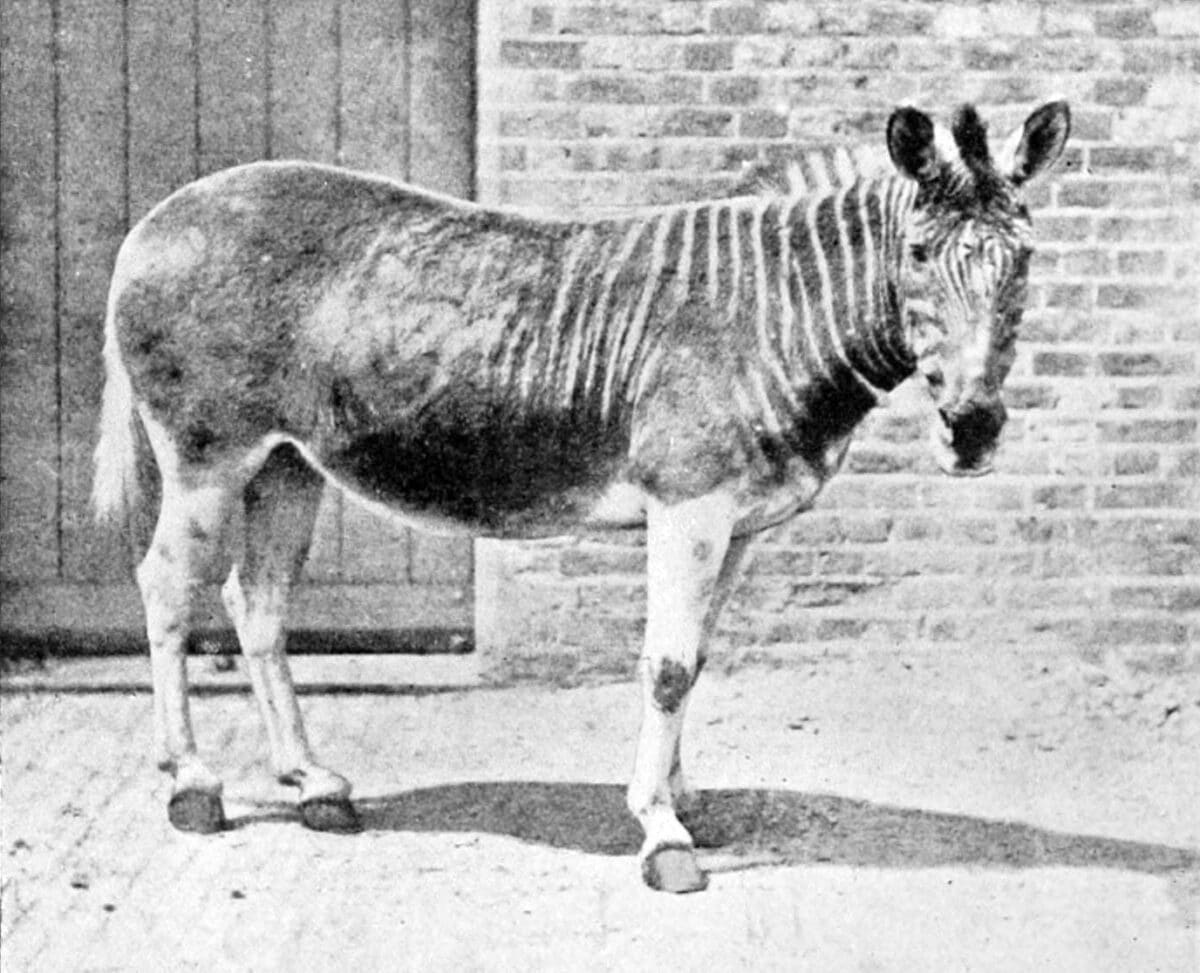
The Quagga, a half-striped zebra from South Africa, vanished in the wild in the late 19th century. Unlike other de-extinction projects, efforts to bring back the Quagga involve selective breeding of plains zebras to gradually reintroduce its distinctive striped pattern, an approach that is as much about correcting human errors of the past as it is about scientific achievement.
6. The Aurochs: Rekindling Europe’s Wild Heart

The Aurochs, the majestic ancestor of domestic cattle, once roamed the European plains. Projects like the Taurus Programme aim to reverse-engineer the Aurochs by selectively breeding modern cattle that possess Aurochs-like traits, with the hope of restoring the ecological dynamics of ancient European landscapes.
7. The Great Auk: From Extinction to Avian Resurgence

The Great Auk, a flightless bird of the North Atlantic, saw its end due to overhunting. Scientists are looking into the genetic makeup of its closest relatives to determine the feasibility of bringing back this iconic species, aiming to fill the ecological void left by its disappearance.
8. The Pyrenean Ibex: A Second Chance at Life

The Pyrenean Ibex holds the distinction of being resurrected once through cloning, only to go extinct again hours after birth. Continued advances in cloning and genetics offer hope for a more successful reintroduction of this species into the Pyrenees mountains, underscoring the challenges and potential of de-extinction technology.
De-Extinction: Ethical Horizons

As we venture into the realm of bringing back extinct species, ethical considerations come to the forefront. The balance between correcting past wrongs and interfering with the present natural order is delicate. Each project not only aims to resurrect lost species but also to stimulate broader conservation efforts for existing ecosystems and species at risk.
The Path Forward: Conservation and Science Hand in Hand

De-extinction initiatives open up new avenues for conservation and scientific research, offering insights into genetics, ecology, and the impacts of human activities on the natural world. They remind us of our responsibility towards the planet and its diverse life forms, encouraging a more mindful coexistence.
Reviving Lost Worlds: Education and Engagement

Beyond the science, de-extinction efforts serve to educate and engage the public on issues of biodiversity and conservation. They spark curiosity and foster a deeper appreciation for the complexity and fragility of life, inspiring action towards safeguarding our planet’s future.
Conclusion: A New Chapter in Earth’s History
The quest to revive the planet’s most mysterious extinct creatures is more than a scientific endeavor; it is a testament to human ingenuity and a hopeful narrative for the future of conservation. While the challenges are immense, the potential rewards—ecological restoration, scientific breakthroughs, and a renewed bond between humanity and the natural world—are profound. As we continue to explore the untapped frontiers of science, the dream of walking alongside species once lost to history grows ever closer to reality, offering a glimpse into a future where the past is not gone but reborn.

From exploring the marine wonders in the Azores and witnessing the vast savannas of Kenya, to delving deep into the rich biodiversity of South Africa and traversing iconic landscapes in Australia and the US like Yellowstone, Chris's experiences are vast.
With a penchant for diving alongside sharks, the ocean holds a special place in his heart.
Through his academic insights, he champions wildlife conservation, striving with 'Animals Around The Globe' to cultivate a profound connection between humans and animals, enhancing our mutual appreciation.
Connect with him at Feedback@animalsaroundtheglobe.com.
- The Real Dolphin That Played Flipper—and Where He Came From - July 28, 2026
- The Ethics of Keeping Exotic Pets: What You Need to Know - July 27, 2026
- If You Think a Shih Tzu Makes a Good Lap Dog, These 14 Are Better - July 27, 2026