

Worried about unexpected vet bills?
Pet insurance can cover thousands in unexpected vet costs. Get a free quote from Lemonade in under 2 minutes.
Get My Free Quote →Sponsored · Opens Lemonade.com
From the wild terrains of Alaska to the bustling streets of New York City, the United States has witnessed its fair share of unforgettable animal encounters. Some stories have carved their marks into the annals of history due to their sheer uniqueness, others for their touching moments of connection between man and beast, and a few for their shocking twists of fate. Exploring these encounters offers us a glimpse into the complexities of wildlife behavior, the unpredictability of nature, and the bonds that can form across species lines. Join us on a journey through some of the most infamous animal encounters in US history—an exploration that promises to be as enlightening as it is enthralling.
1. The Tale of Timothy Treadwell: The Grizzly Man

Timothy Treadwell’s story is one of the most well-known and controversial wildlife tales. Treadwell spent 13 summers living amongst the grizzly bears in Alaska’s Katmai National Park. His life and tragic death were chronicled in the documentary “Grizzly Man.” In October 2003, Treadwell and his girlfriend, Amie Huguenard, were killed and partially eaten by a bear. This encounter underlines the unpredictable and perilous nature of wild animals, despite Treadwell’s firm belief in his bond with the bears.
2. Harambe: A Gorilla’s Legacy

The 2016 incident involving Harambe, a western lowland gorilla at the Cincinnati Zoo, sparked international debate over animal enclosures and parenting. After a three-year-old boy fell into Harambe’s enclosure, zoo officials made the difficult decision to kill the gorilla to save the child. The event raised critical questions about zoo safety, animal rights, and human encroachment on wildlife habitats.
3. The Mystery of the Central Park Zoo Escape

In 1938, New York City was abuzz with rumors of a lion’s roar echoing from Central Park. The mystery deepened when reports claimed numerous animals had escaped from the Central Park Zoo. The story was a crafted hoax by a newspaper, but it left a legacy by highlighting the public’s fascination and fear of wild animals in urban settings.
4. The Surge of Shark Attacks in 1916
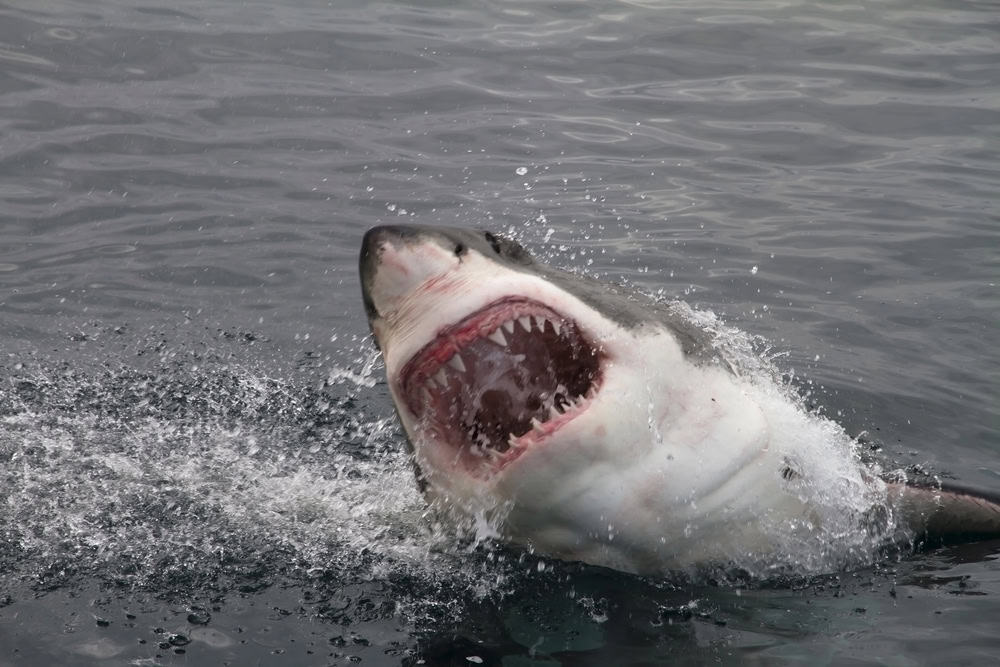
The Jersey Shore shark attacks of 1916 are infamous for instilling a deep fear of the ocean in Americans. Over 12 days, five swimmers were attacked, resulting in four deaths. These attacks inspired Peter Benchley’s novel “Jaws,” which was later turned into the iconic Steven Spielberg film. Today, the events are considered pivotal in our understanding of shark behavior and the risks of swimming in their territory.
5. Travis the Chimpanzee

Travis was a chimpanzee raised in a suburban home in Connecticut, known for appearing in TV commercials and talk shows. In 2009, Travis attacked a friend of his owner, causing severe injuries. This tragic event brought to light the complex nature of raising wild animals as pets and sparked discussions on exotic animal laws in the United States.
6. The Yellowstone Wolf Reintroduction

The reintroduction of wolves to Yellowstone National Park in the 1990s is a landmark event in conservation. Decades after being eradicated from the park, the return of these apex predators led to dramatic ecological changes, demonstrating the importance of keystone species in maintaining the health of natural ecosystems.
7. The Invasion of the Murder Hornets
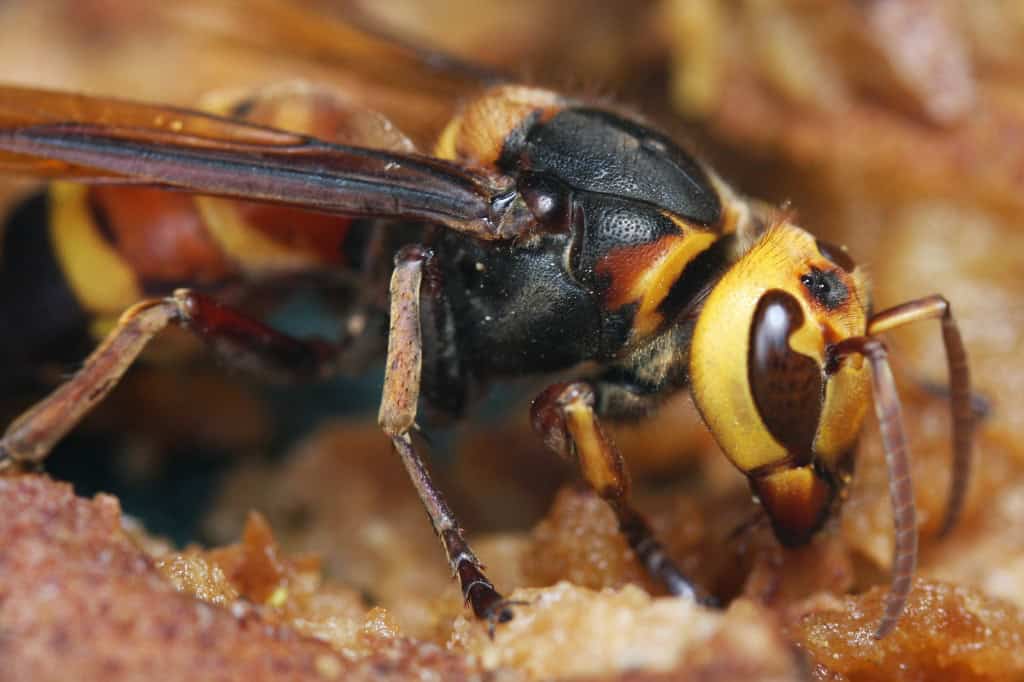
In 2020, the United States faced the arrival of the Asian giant hornet, dubbed “murder hornets,” posing a significant threat to the native bee population. The event underscored the challenges of controlling invasive species and the potential impact on agriculture and the environment.
8. Koko: The Sign-Language Speaking Gorilla
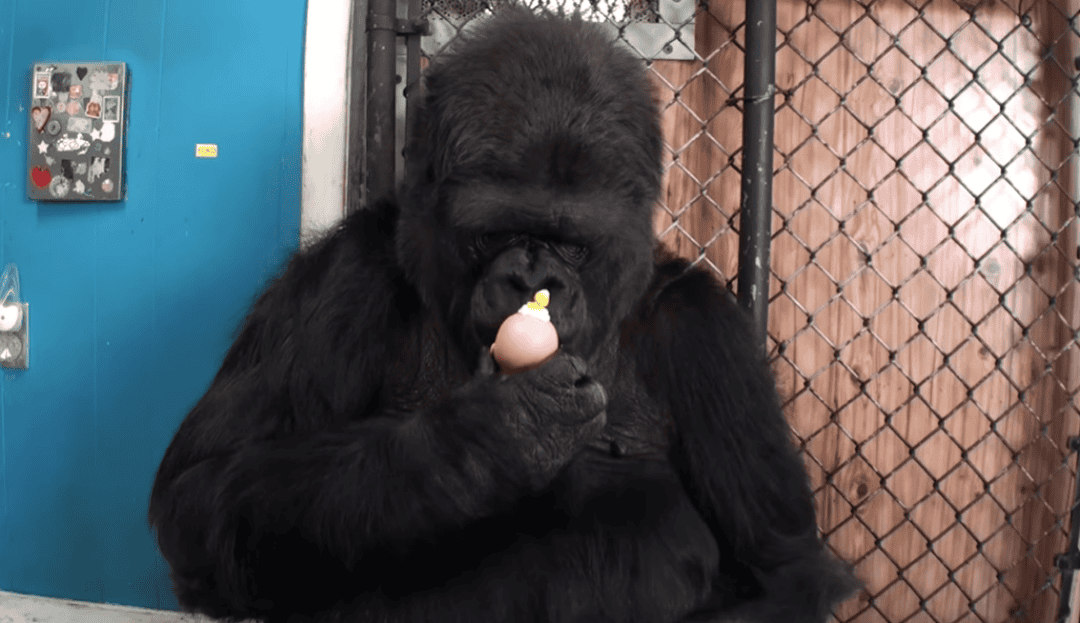
Koko, the western lowland gorilla who mastered over 1,000 signs of a modified version of American Sign Language, challenged perceptions of animal intelligence and emotional depth. Throughout her life, Koko’s ability to communicate and express emotions bridged the human-animal divide, leaving a lasting legacy on interspecies communication research.
9. The Chicago Coyote Urban Invasion

As cities expand, encounters with wildlife in urban areas have increased. Chicago has become particularly known for its urban coyote population, with residents frequently spotting these canids roaming the streets. These sightings highlight the adaptability of coyotes and the growing overlap between urban spaces and wildlife habitats.
10. The Return of the American Bison

Once on the brink of extinction, the American bison has made a remarkable recovery through conservation efforts. This success story exemplifies the power of sustainable management and the importance of preserving iconic American wildlife for future generations.
11. The Great Emu War in Australia: A US Perspective

Though not a US event, the Great Emu War of 1932 in Australia has fascinated Americans with its bizarre storyline: the Australian military’s attempt to manage the emu population with machine guns, and their ultimate failure. This peculiar historical footnote often sparks discussions on wildlife management and human-animal conflict.
12. The Florida Python Challenge

Florida’s battle against invasive Burmese pythons in the Everglades is a contemporary saga of man versus nature. The state has initiated the Python Challenge, encouraging hunters to capture or kill these invasive snakes. This initiative highlights the complexities of maintaining ecological balance and the struggles faced in conserving native species.
In delving into these encounters, we observe the delicate balance between the human and animal worlds—a relationship fraught with beauty and tragedy, cooperation and conflict. Through these stories, we are reminded of the respect and caution required when interfacing with wildlife, the importance of conservation efforts, and the profound connections that can exist between humans and animals.
Worried about unexpected vet bills?
Pet insurance can cover thousands in unexpected vet costs. Get a free quote from Lemonade in under 2 minutes.
Get My Free Quote →Sponsored · Opens Lemonade.com

- 18 Fascinating Facts About Horses and Weather Instincts - June 9, 2026
- 14 Legendary Horses from History and Their Stories - June 9, 2026
- Can We Save the Snow Leopard Before It Disappears? - June 9, 2026